Group Therapy and Support Groups in Milwaukee, WI (original) (raw)
Support Groups in Milwaukee, WI
This group offers a supportive space for late-diagnosed neurodivergent women to better understand themselves, navigate relationships, and cultivate self-compassion over shame. Together, we’ll explore identity, unmasking, boundary-setting, skills, and the unique strengths of neurodivergent minds. The group aims to empower members to reclaim their narratives and build more authentic, connected lives. The group will be virtual. Next group starts June 24th.

Hosted by Dr. Jamie Camphouse
This group offers a supportive space for late-diagnosed neurodivergent women to better understand themselves, navigate relationships, and cultivate self-compassion over shame. Together, we’ll explore identity, unmasking, boundary-setting, skills, and the unique strengths of neurodivergent minds. The group aims to empower members to reclaim their narratives and build more authentic, connected lives. The group will be virtual. Next group starts June 24th.
Our Treatment staff is dedicated to working with individuals and families seeking services to design the most effective individual treatment plan to meet their unique personal needs. It is of utmost importance to us that you receive counseling services that are mindful of both your psychological as well as physiological well being. We are network providers with most private insurance carriers as well as Medicaid. Out treatment staff will work with you directly to ensure that we are able to provide appropriate services as approved by your individual insurance plan. Private cash pay services are also available when insurance coverage is not present.
Hosted by Forward Choices, LLC
Treatment Center, MS, LPC
Our Treatment staff is dedicated to working with individuals and families seeking services to design the most effective individual treatment plan to meet their unique personal needs. It is of utmost importance to us that you receive counseling services that are mindful of both your psychological as well as physiological well being. We are network providers with most private insurance carriers as well as Medicaid. Out treatment staff will work with you directly to ensure that we are able to provide appropriate services as approved by your individual insurance plan. Private cash pay services are also available when insurance coverage is not present.
A supportive space for women navigating the double-whammy of perimenopause and neurodivergence. This group helps you understand what’s happening in your brain and body, feel like yourself again, & build emotional steadiness during a confusing, overwhelming time. We focus on emotional regulation, clarity, confidence, and simple habits that actually work. It’s a mix of education, therapeutic support, and community — a place where you don’t have to mask. For women 30–55 who are neurodivergent or suspect it, feeling burned out, overstimulated, forgetful, or “too much.” Perimenopause amplifies these challenges, getting support now makes the coming years easier.
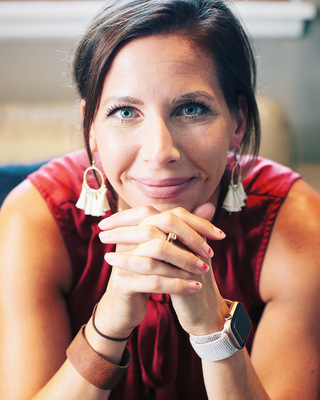
Hosted by Laurie Yinko Groh
Licensed Professional Counselor, MS, LPC, SAS
A supportive space for women navigating the double-whammy of perimenopause and neurodivergence. This group helps you understand what’s happening in your brain and body, feel like yourself again, & build emotional steadiness during a confusing, overwhelming time. We focus on emotional regulation, clarity, confidence, and simple habits that actually work. It’s a mix of education, therapeutic support, and community — a place where you don’t have to mask. For women 30–55 who are neurodivergent or suspect it, feeling burned out, overstimulated, forgetful, or “too much.” Perimenopause amplifies these challenges, getting support now makes the coming years easier.
This virtual group offers a safe space to explore self-esteem and body image. You will receive education on body image, diet culture, & self-esteem, and healthy tools to improve self-esteem. Group is focused for high school teens ages 14-17. Open for residents in Oklahoma and Wisconsin.

Hosted by Abbey Canaday
Licensed Professional Counselor, MHR, LPC-S
This virtual group offers a safe space to explore self-esteem and body image. You will receive education on body image, diet culture, & self-esteem, and healthy tools to improve self-esteem. Group is focused for high school teens ages 14-17. Open for residents in Oklahoma and Wisconsin.
This group is a creative and supportive space designed for adults who want to nurture their mental well-being while learning or practicing the calming art of crochet. This group blends the process of crochet with therapeutic conversation and community connection. Each session offers participants a chance to slow down, focus on the present moment, and create something meaningful with their hands. Guided by a facilitator, the group will weave together mindful breathing, gentle reflection, and open dialogue about the challenges and victories of everyday life. Crochet becomes a tool for stress relief, grounding, and self-expression.
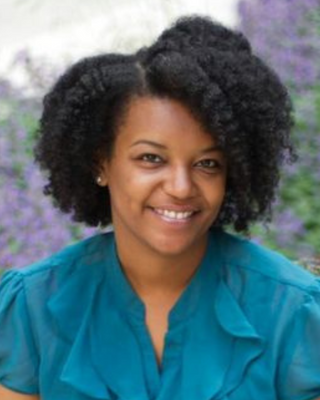
Hosted by Blue Willow Counseling and Consulting
Licensed Professional Counselor, LPC
This group is a creative and supportive space designed for adults who want to nurture their mental well-being while learning or practicing the calming art of crochet. This group blends the process of crochet with therapeutic conversation and community connection. Each session offers participants a chance to slow down, focus on the present moment, and create something meaningful with their hands. Guided by a facilitator, the group will weave together mindful breathing, gentle reflection, and open dialogue about the challenges and victories of everyday life. Crochet becomes a tool for stress relief, grounding, and self-expression.
Psychotherapy group for those experiencing betrayal trauma, offering a space to connect with individuals who have gone through similar experiences, fostering a sense of validation and support. Group therapy sessions focus on exploring complex emotions, rebuilding trust, setting boundaries, and developing coping strategies. Participants can share their stories, gain insights from others' perspectives, and learn from different strategies for healing and recovery. The group dynamic promotes a sense of solidarity, empathy, and shared growth, empowering individuals to heal from the trauma, restore their self-worth, and foster healthier connections moving forward.

Hosted by Stevie J Miller
Marriage & Family Therapist, MS, LMFT, CSAT, CSOTP, CCPS
Psychotherapy group for those experiencing betrayal trauma, offering a space to connect with individuals who have gone through similar experiences, fostering a sense of validation and support. Group therapy sessions focus on exploring complex emotions, rebuilding trust, setting boundaries, and developing coping strategies. Participants can share their stories, gain insights from others' perspectives, and learn from different strategies for healing and recovery. The group dynamic promotes a sense of solidarity, empathy, and shared growth, empowering individuals to heal from the trauma, restore their self-worth, and foster healthier connections moving forward.
Have you ever felt like you can't be open and honest about your emotions? That you're not allowed to feel them, or even have them? You're not alone. In this group, you will have therapeutic guidance and group support to develop awareness and understanding of how masculinity and gendered expectations impact men's mental and emotional health. Education and resources will be provided to help you in your relationship with yourself and other important people in your life. We will use workbook resources, EMDR resources, and online/written sources. Diverse perspectives, experiences, and identities are affirmed in this group.

Hosted by Lillianna Petsch-Horvath
Clinical Social Work/Therapist, MSW, APSW, CPC
Have you ever felt like you can't be open and honest about your emotions? That you're not allowed to feel them, or even have them? You're not alone. In this group, you will have therapeutic guidance and group support to develop awareness and understanding of how masculinity and gendered expectations impact men's mental and emotional health. Education and resources will be provided to help you in your relationship with yourself and other important people in your life. We will use workbook resources, EMDR resources, and online/written sources. Diverse perspectives, experiences, and identities are affirmed in this group.
This skills-based group is designed to help members learn to manage emotions, change unhelpful behaviors, strengthen relationships, and develop healthy coping skills. Additionally, the group setting aims to foster connection and provide a sense of community. We cover 4 modules over the course of 26 weeks: Distress Tolerance, Emotion Regulation, Interpersonal Effectiveness, and Mindfulness. Virtual groups meet for 90 minutes once a week. We currently offer two evening options: Tuesdays or Wednesdays from 5:30–7:00 PM. For more information about enrollment, the waitlist, or group details, please contact drgabrielle@tosapsych.com or (414) 323-5935.

Hosted by Dr. Gabrielle Finta
Pre-Licensed Professional, PsyD
This skills-based group is designed to help members learn to manage emotions, change unhelpful behaviors, strengthen relationships, and develop healthy coping skills. Additionally, the group setting aims to foster connection and provide a sense of community. We cover 4 modules over the course of 26 weeks: Distress Tolerance, Emotion Regulation, Interpersonal Effectiveness, and Mindfulness. Virtual groups meet for 90 minutes once a week. We currently offer two evening options: Tuesdays or Wednesdays from 5:30–7:00 PM. For more information about enrollment, the waitlist, or group details, please contact drgabrielle@tosapsych.com or (414) 323-5935.
If you are struggling with the current extremist regime and looking for a supportive practice to anchor yourself, consider joining this 6-week group, starting June 2nd. We will root into values, seeking meaning, connection, and catharsis through writing, sharing, and listening, looking to the art, music, and writing of anti-fascists and radicals throughout history, and using the mindful practice of Contemplative Writing to express and witness whatever shows up on the page. There is no need to be a “good writer” to do this practice, though it will strengthen your writing. Sharing, while encouraged, is always optional.

Hosted by Ousia Moon
Clinical Social Work/Therapist, MSW, APSW
If you are struggling with the current extremist regime and looking for a supportive practice to anchor yourself, consider joining this 6-week group, starting June 2nd. We will root into values, seeking meaning, connection, and catharsis through writing, sharing, and listening, looking to the art, music, and writing of anti-fascists and radicals throughout history, and using the mindful practice of Contemplative Writing to express and witness whatever shows up on the page. There is no need to be a “good writer” to do this practice, though it will strengthen your writing. Sharing, while encouraged, is always optional.
The purpose of this therapy group is help those struggling with depression and/or anxiety due to a pattern of discomfort with emotion and having the need to be perfect and in control. This group meets locally in the Milwaukee area on Wednesday evenings. We use a combination of several approaches including Radically Open Dialectical Behavior Therapy, Schema Therapy, and classic Cognitive Behavioral Therapy to create change. Please contact us to see if this group is right for you.

Hosted by Radical Change Counseling and Coaching
Licensed Professional Counselor, LPC
The purpose of this therapy group is help those struggling with depression and/or anxiety due to a pattern of discomfort with emotion and having the need to be perfect and in control. This group meets locally in the Milwaukee area on Wednesday evenings. We use a combination of several approaches including Radically Open Dialectical Behavior Therapy, Schema Therapy, and classic Cognitive Behavioral Therapy to create change. Please contact us to see if this group is right for you.
Celebrate Recovery is a Christ-centered, 12 step recovery program for anyone struggling with hurt, pain or addiction of any kind. Celebrate Recovery is a safe place to find community and freedom from the issues that are controlling our life.

Hosted by Higher Appeal Counseling & Coaching
Pastoral Counselor, MA, LCPC, CTLC, BS
Celebrate Recovery is a Christ-centered, 12 step recovery program for anyone struggling with hurt, pain or addiction of any kind. Celebrate Recovery is a safe place to find community and freedom from the issues that are controlling our life.
Connect and grow with mindfulness based eco-therapy practices this summer! Sprout & About is a therapeutic gardening group run by a Amanda, meeting weekly all summer long. Participants will learn and practice nature-based mindfulness skills, and connect with each other through the love of gardening. This group is held outside utilizing raised garden beds. Participants will be able to drop in and drop out as they are able all summer for a ONE-TIME cost of $50. Please visit www.thetherapeuticworkshop.com and fill out a CONTACT form to sign up!
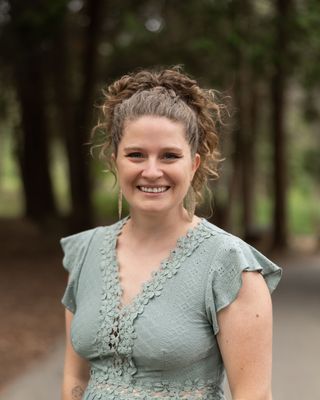
Connect and grow with mindfulness based eco-therapy practices this summer! Sprout & About is a therapeutic gardening group run by a Amanda, meeting weekly all summer long. Participants will learn and practice nature-based mindfulness skills, and connect with each other through the love of gardening. This group is held outside utilizing raised garden beds. Participants will be able to drop in and drop out as they are able all summer for a ONE-TIME cost of $50. Please visit www.thetherapeuticworkshop.com and fill out a CONTACT form to sign up!
This is a therapeutic processing group for those who identify as women. The group will focus on topics such as relationships, stress-reduction, connection, responses to society's expectations of women, shame resiliency, and more. This group will be to center women's narratives/stories and experiences and build and foster support through connection and discourse.
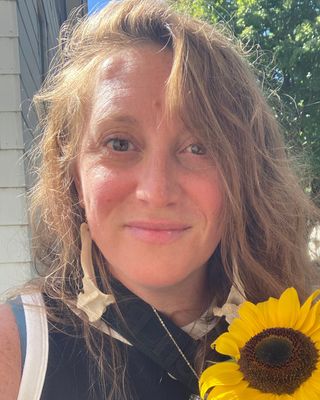
Hosted by Mary Rinnert
Clinical Social Work/Therapist, MSW, LCSW
This is a therapeutic processing group for those who identify as women. The group will focus on topics such as relationships, stress-reduction, connection, responses to society's expectations of women, shame resiliency, and more. This group will be to center women's narratives/stories and experiences and build and foster support through connection and discourse.
6 week, 55 min. closed group runs on Thursdays, from 5:30 PM - 6:30 PM beginning April 23 through May 28. This group fits those who are dealing with divorce, job loss, relocation, empty nest, grief, retirement. I will use Informed IFS and DBT to address emotional and identity disruptions that accompany major life transitions. Specific Insurances accepted, Per session self-pay is $70 per session.

Hosted by Darcy Mason
Licensed Professional Counselor, LPC, CH, RMT, RScP
6 week, 55 min. closed group runs on Thursdays, from 5:30 PM - 6:30 PM beginning April 23 through May 28. This group fits those who are dealing with divorce, job loss, relocation, empty nest, grief, retirement. I will use Informed IFS and DBT to address emotional and identity disruptions that accompany major life transitions. Specific Insurances accepted, Per session self-pay is $70 per session.
As a trained therapist, Christine Hansburg-Hotson will lead discussion, address concerns, share resources, and most importantly listen. Learn about the triggers and challenges of addiction in an open, supportive, and relaxed setting that includes both group and, in some cases, one-on-one counseling. Through education and social support of your peers and counselor, you’ll learn how to change your thinking and behaviors and begin to turn your life around for the better. NOTE...must schedule an initial assessment with Christine Hansburge-Hotson to establish care first before joining group.
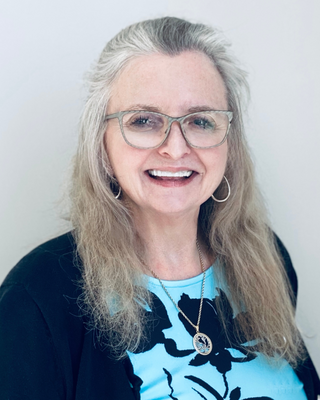
Hosted by Christine Hansburg-Hotson
Clinical Social Work/Therapist, LCSW, CSAC, CEAP, ICSE
As a trained therapist, Christine Hansburg-Hotson will lead discussion, address concerns, share resources, and most importantly listen. Learn about the triggers and challenges of addiction in an open, supportive, and relaxed setting that includes both group and, in some cases, one-on-one counseling. Through education and social support of your peers and counselor, you’ll learn how to change your thinking and behaviors and begin to turn your life around for the better. NOTE...must schedule an initial assessment with Christine Hansburge-Hotson to establish care first before joining group.
Facing Loss Together is a 12-session trauma-informed cognitive-behavioral group designed to empower individuals who are grieving a loved one who passed within the past 18 months. This group aims to help individuals confront the loss and pain of grieving, rebuild trust, and reengage a sense of control with their grief. This is a group for individuals who want to experience a change in their day-to-day grieving process. The max group size will be 7, session fee is 65, and the anticipated start date is April 15th, 2026.

Hosted by Dr. Wyatt Kinner
Pre-Licensed Professional, PsyD
Facing Loss Together is a 12-session trauma-informed cognitive-behavioral group designed to empower individuals who are grieving a loved one who passed within the past 18 months. This group aims to help individuals confront the loss and pain of grieving, rebuild trust, and reengage a sense of control with their grief. This is a group for individuals who want to experience a change in their day-to-day grieving process. The max group size will be 7, session fee is 65, and the anticipated start date is April 15th, 2026.
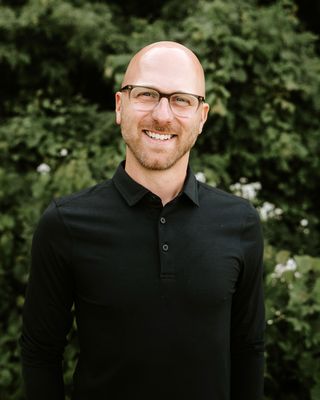
The group is designed for individuals seeking to establish and/or maintain total sobriety. Relapses are treated with patience and openness in an effort to allow for an individual's growth and to strengthen their recovery. The group is open to all individuals regardless of substance of choice. In group, individuals will engage in group discussion about issues related to addiction as well as sharing their own unique experiences directly and indirectly related to addiction. Group members will receive feedback, support and psychoeducation with an emphasis on relapse prevention and maintenance strategies as well as coping skills and self-soothing.
The group is designed for individuals seeking to establish and/or maintain total sobriety. Relapses are treated with patience and openness in an effort to allow for an individual's growth and to strengthen their recovery. The group is open to all individuals regardless of substance of choice. In group, individuals will engage in group discussion about issues related to addiction as well as sharing their own unique experiences directly and indirectly related to addiction. Group members will receive feedback, support and psychoeducation with an emphasis on relapse prevention and maintenance strategies as well as coping skills and self-soothing.
Currently accepting new members. A weekly, ongoing womxn's interpersonal process group that facilitates authentic connection and encourages clients to show up as their full selves. This group offers both a supportive and challenging environment for members to better understand their relationship & communication patterns. Open to female-identifying and non-binary folks.

Hosted by Jami DeVolder
Licensed Clinical Professional Counselor, LCPC, CGP, RYT
Currently accepting new members. A weekly, ongoing womxn's interpersonal process group that facilitates authentic connection and encourages clients to show up as their full selves. This group offers both a supportive and challenging environment for members to better understand their relationship & communication patterns. Open to female-identifying and non-binary folks.
Evidence-based, skills-focused program specifically designed for individuals experiencing complex trauma and dissociative disorders. Developed over 20 years by researchers Drs. Bethany Brand, Ruth Lanius and Hygge Schielke, the group provides a "safe container" for healing, by focusing on stability before attempting deeper trauma processing. The work centers on four pillars: grounding, separating past from present, regulating emotions, and meeting healthy needs safely. FSG emphasizes shared connection and external empathy, reducing the isolation and shame. Participants are not asked to share specific trauma details or relive past experiences, focusing instead on building a foundation of self-trust and safety.
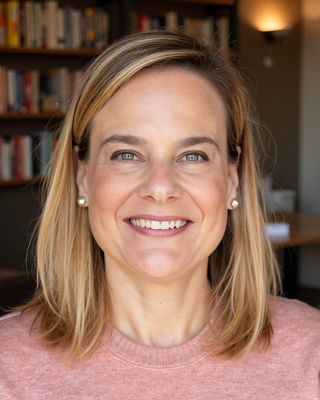
Hosted by Dafna Berman
Clinical Social Work/Therapist, LCSW, MSW, MBA
Evidence-based, skills-focused program specifically designed for individuals experiencing complex trauma and dissociative disorders. Developed over 20 years by researchers Drs. Bethany Brand, Ruth Lanius and Hygge Schielke, the group provides a "safe container" for healing, by focusing on stability before attempting deeper trauma processing. The work centers on four pillars: grounding, separating past from present, regulating emotions, and meeting healthy needs safely. FSG emphasizes shared connection and external empathy, reducing the isolation and shame. Participants are not asked to share specific trauma details or relive past experiences, focusing instead on building a foundation of self-trust and safety.
Do Sundays make you feel anxious about the week ahead? Find support, plan, and problem solve with us! Neurodivergent friendly!
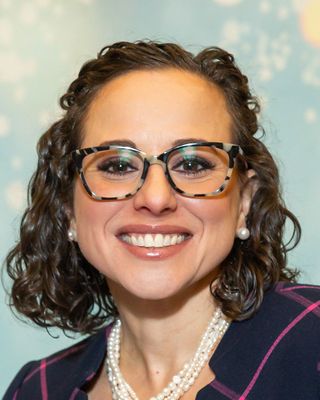
Hosted by Anya Surnitsky
Clinical Social Work/Therapist, LCSW, CCTP II, CDWF
Do Sundays make you feel anxious about the week ahead? Find support, plan, and problem solve with us! Neurodivergent friendly!
See more therapy options for Milwaukee
FAQs - About Group Therapy and Support Groups
How can I find a support group in Milwaukee?
To find a support group in your area, start by entering your city, zip code, or the name of the group into the search bar at the top of the page. When searching, consider whether you prefer an in-person or virtual group. This can help you decide how broad your geographic search should be. If you are open to virtual groups, you might want to search by state instead of just your city, especially if there are limited options nearby.
Once you complete your search, you can use the filters to narrow the results by selecting specialties (such as grief, trauma, or eating disorders), therapeutic approaches, age groups, and other criteria to find a group that best fits your needs.
How does group therapy work?
Group therapy is led by one or more trained therapists and provides a space where participants can process their experiences and learn from others facing similar challenges. Groups may focus on a specific issue—such as addiction, grief, physical illnesses, parenting, or caregiving—or they may center around a particular therapeutic approach, such as Cognitive Behavioral Therapy (CBT), social skill development, or Exposure Therapy. Some groups are also designed for specific populations, such as teens, veterans, or LGBTQ+ individuals.
It’s also important to distinguish group therapy from peer-led support groups, like Alcoholics Anonymous. While both can offer valuable support, therapy groups are typically led by licensed professionals and follow a more structured format. Therapy groups often meet for a fixed length of time with a consistent group of members, while many peer support groups meet for an indefinite period of time with members coming and going.
What are the benefits of group therapy?
Group therapy offers several important benefits. It brings together people facing similar challenges—whether related to mental health, physical health, or life transitions—and creates a supportive environment where participants can exchange feedback, share experiences, and learn from one another. Hearing different perspectives can help individuals discover new coping strategies and practical tools they may not have encountered on their own. Sharing personal experiences, such as coping with a serious illness or navigating family struggles, can also reduce feelings of isolation and foster a sense of connection and understanding. In addition to emotional support, group members often gain useful, real-world advice from peers who have faced similar situations.
Group therapy is typically more affordable than individual therapy and, for certain conditions, can be equally effective. Many groups also include structured activities—such as guided journaling, cognitive-behavioral exercises, or role-playing—to help participants develop concrete skills they can apply in daily life.
Is group therapy as effective as individual therapy?
It is difficult to make a blanket statement about the effectiveness of support groups, as they vary widely in focus and the conditions they address. However, support groups can be highly valuable in helping individuals gain emotional support and achieve meaningful treatment outcomes. For certain conditions, such as substance use, research has shown that group therapy can be particularly effective—sometimes just as effective as individual therapy—in supporting long-term recovery.
Many professionals attribute the effectiveness of group therapy to the unique benefits of the group setting, which fosters peer-to-peer learning and a sense of connection through shared experiences. Group settings also offer accountability and encouragement from both facilitators and fellow participants, which helps sustain motivation and supports continued progress. These factors together play a key role in promoting the overall effectiveness of group therapy.
How much does group therapy cost?
Group therapy is typically less expensive than individual therapy, with sessions typically costing between 50and50 and 50and75 each. In comparison, individual therapy can cost anywhere from 100to100 to 100to200 or more per session, even with insurance. Some therapists or organizations offer low-cost or free group therapy options, particularly through community centers or nonprofit organizations. In some cases, groups may require payment upfront for a set number of sessions, such as paying for six weekly sessions at the first meeting. However, many providers offer payment plans to help make participation more accessible if this upfront payment is required.
Does insurance cover group therapy?
As with individual therapy, insurance coverage for group therapy varies based on factors such as your specific insurance plan, the purpose of the group, your diagnosis, and whether the group provider is in-network. Many insurance plans cover group therapy sessions that address diagnosable mental health conditions, such as substance use disorders, anxiety, or depression.
However, groups that focus on topics not directly tied to a mental health diagnosis—such as parenting support or divorce recovery—are less likely to be covered. Because coverage can vary widely, it’s important to check with your insurance provider before joining a group to confirm whether the sessions will be covered and what out-of-pocket costs you may be responsible for.
How long does group therapy last?
The length of each group therapy session typically ranges from 45 minutes to two hours, depending on the therapy approach, the group’s goals, and how often the group meets. In some cases, group therapy is part of a larger treatment program, such as an Intensive Outpatient Program (IOP), where group sessions complement individual therapy and are scheduled as part of the program’s overall structure.
The duration of participation in a group also varies. Some groups are designed to be short-term, lasting anywhere from 6 to 24 weeks—for example, bereavement groups or skills-based groups like those using Dialectical Behavioral Therapy (DBT). Other groups may be longer-term, lasting a year or more, and some ongoing support groups meet indefinitely, allowing participants to stay as long as they find the group helpful.
What are the limitations of support groups?
Support groups offer many benefits, but they also have certain limitations. Unlike therapy groups, many support groups do not provide formal therapeutic treatment and are not led by licensed mental health professionals. For individuals seeking clinical treatment for specific mental health diagnoses—such as depression, eating disorders, or substance use—individual therapy or group therapy led by a licensed professional may offer more personalized and specialized care.
The effectiveness of a support group also depends heavily on the group’s participants and the overall group dynamic. When members engage respectfully and offer constructive support, the group can foster valuable peer-to-peer learning. However, if certain participants dominate discussions, provide inaccurate advice, or create conflict, it can disrupt the group’s sense of safety and reduce its effectiveness. Confidentiality can also be harder to maintain in support groups, particularly in open groups where participants can join or leave at any time. With new members regularly entering the group, it can be more difficult to build and sustain a consistent sense of trust and privacy.