Best Nikon cameras 2025: a guide to the top models including Z8, Z9, Z7 II and D850 (original) (raw)
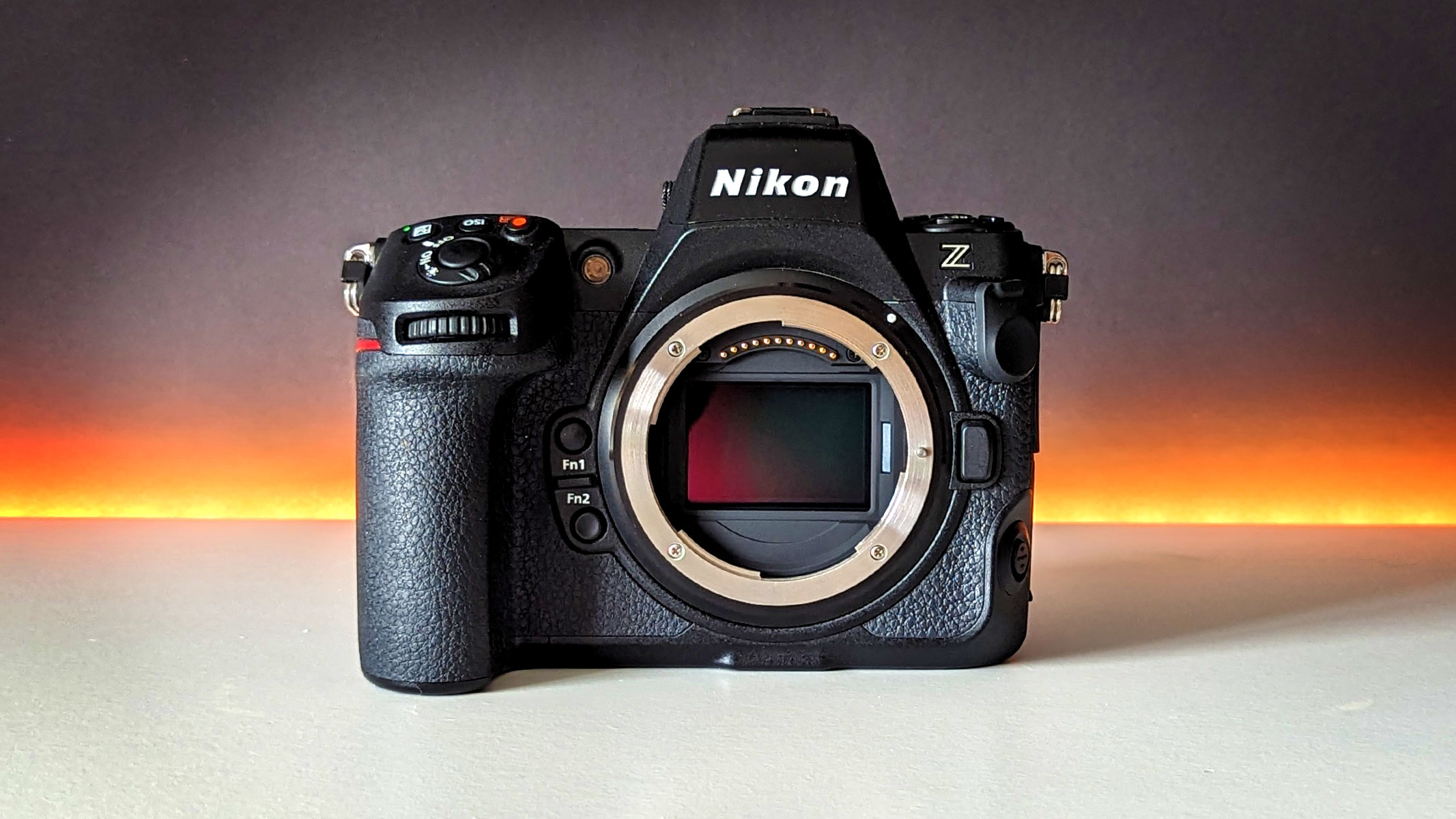
Nikon cameras are among the best in the world, renowned for their build quality, innovative tech and useful features. (Image credit: Jase Parnell-Brookes)
Nikon cameras have a long-standing reputation for exceptional image quality, robust build, and user-friendly ergonomics. This guide dives into the best Nikon models across their range, helping you navigate their diverse offerings and pick the right one.
For Nikon enthusiasts, we also recommend checking our guides on the best lenses for photography to make sure your glass matches your camera body. If you aren't particularly bothered about a Nikon camera, we also have a guide to the best cameras overall.
The quick list
Skim through our top picks below, or scroll down to see our full reviews of each product.
 Best overall
Best overall
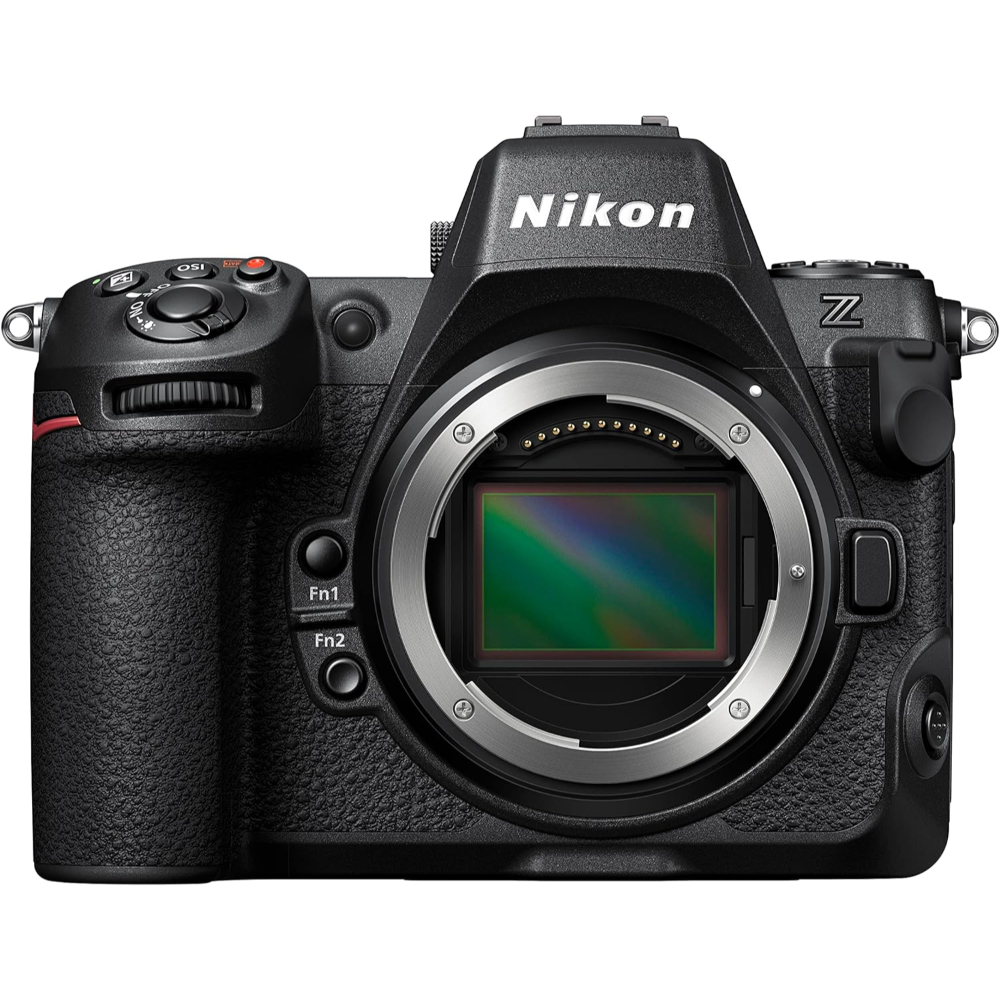
Our top pick, the Nikon Z8, has pretty much everything any amateur or professional could want, including 45.7MP stills, 8K video and burst images at 120FPS. You can shoot absolutely anything with this camera.
 Best professional mirrorless
Best professional mirrorless
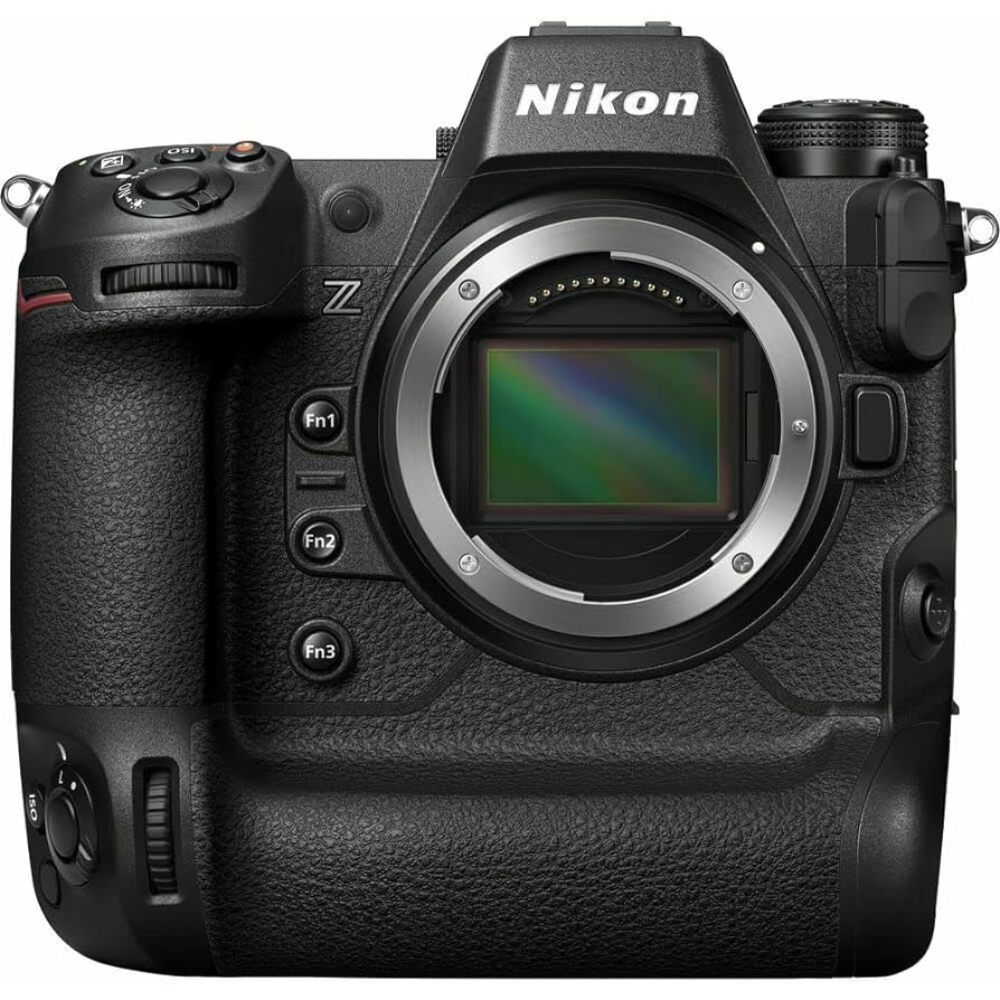
Nikon's flagship mirrorless camera offers 8K video, 120FPS stills shooting, six stops of in body image stabilization, fast autofocus and intelligent subject tracking.
 Best under $3000
Best under $3,000
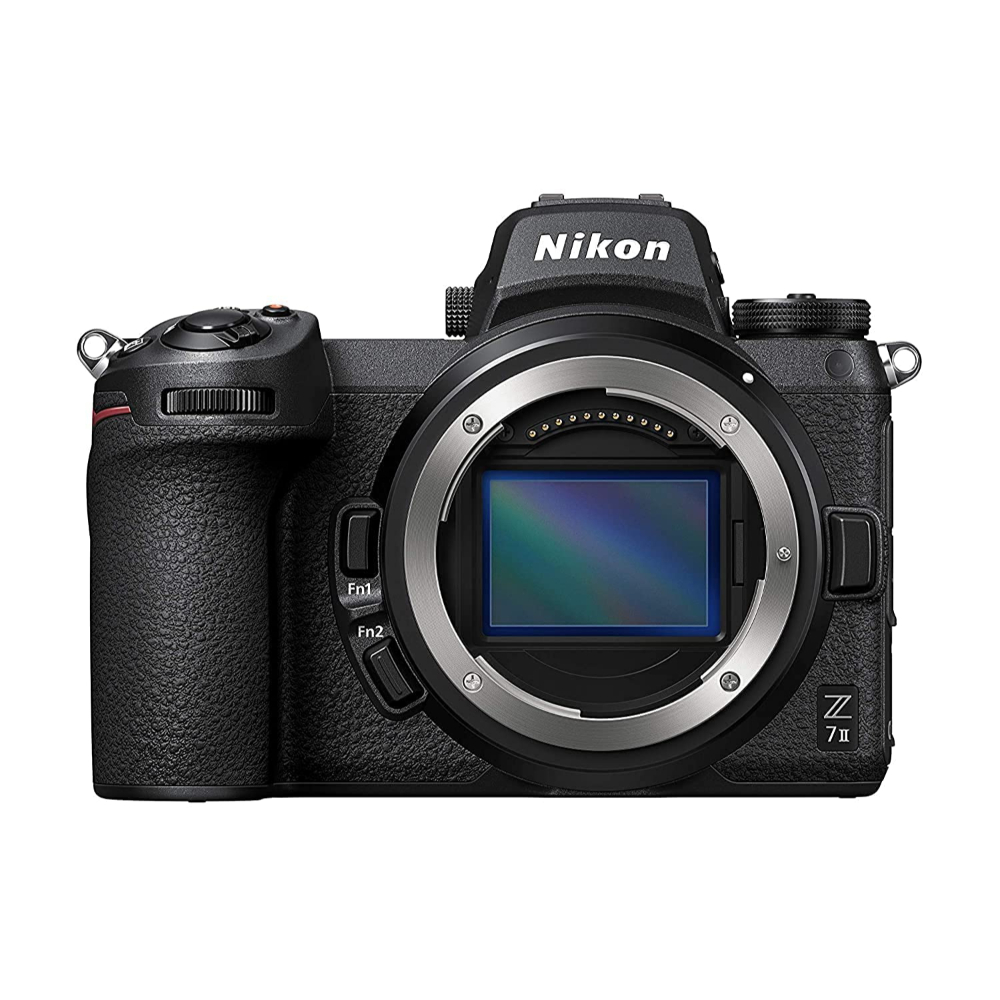
Featuring many of the same capabilities as the Z9, but with a lower price tag, the Nikon Z7 II offers speed, precision and great dynamic range.
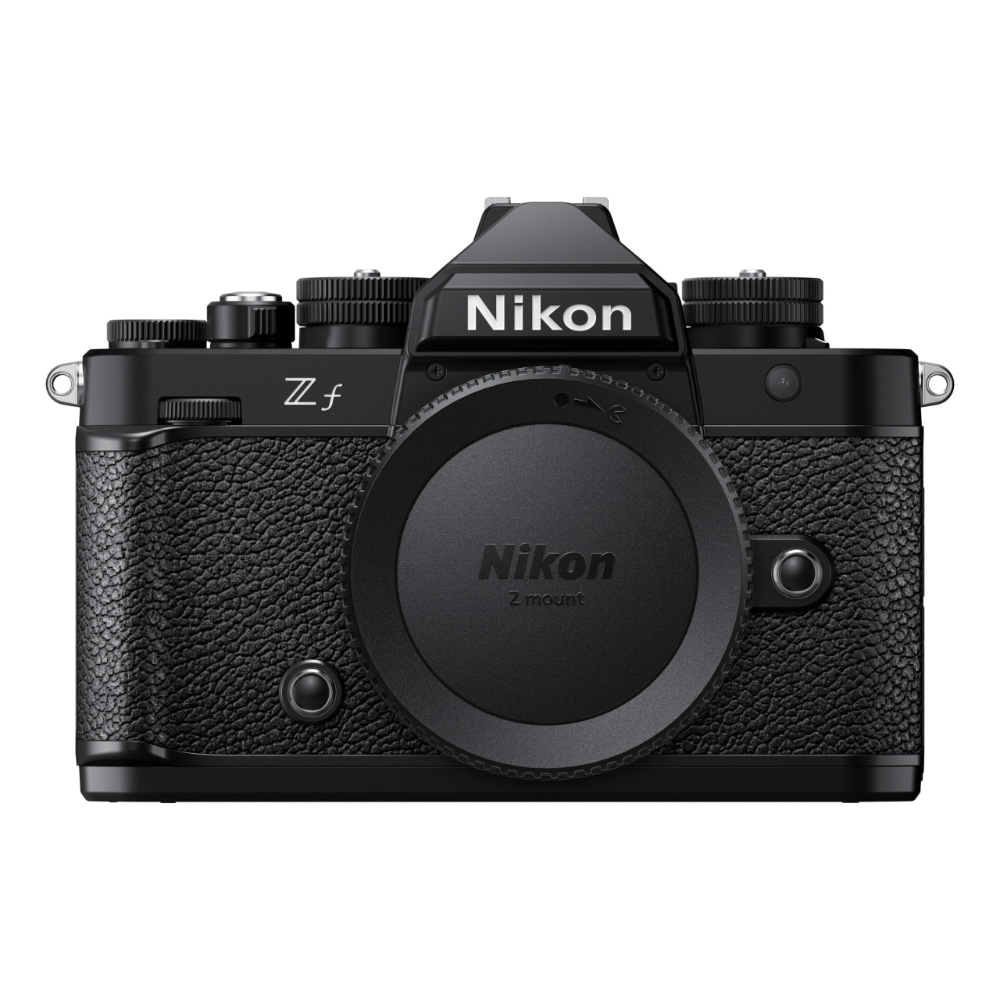 Best classic style
Best classic style
A vintage-style camera that still houses impressive mirrorless technology, the Nikon Zf particularly excels in low light, with sensitivity right down to -10EV.
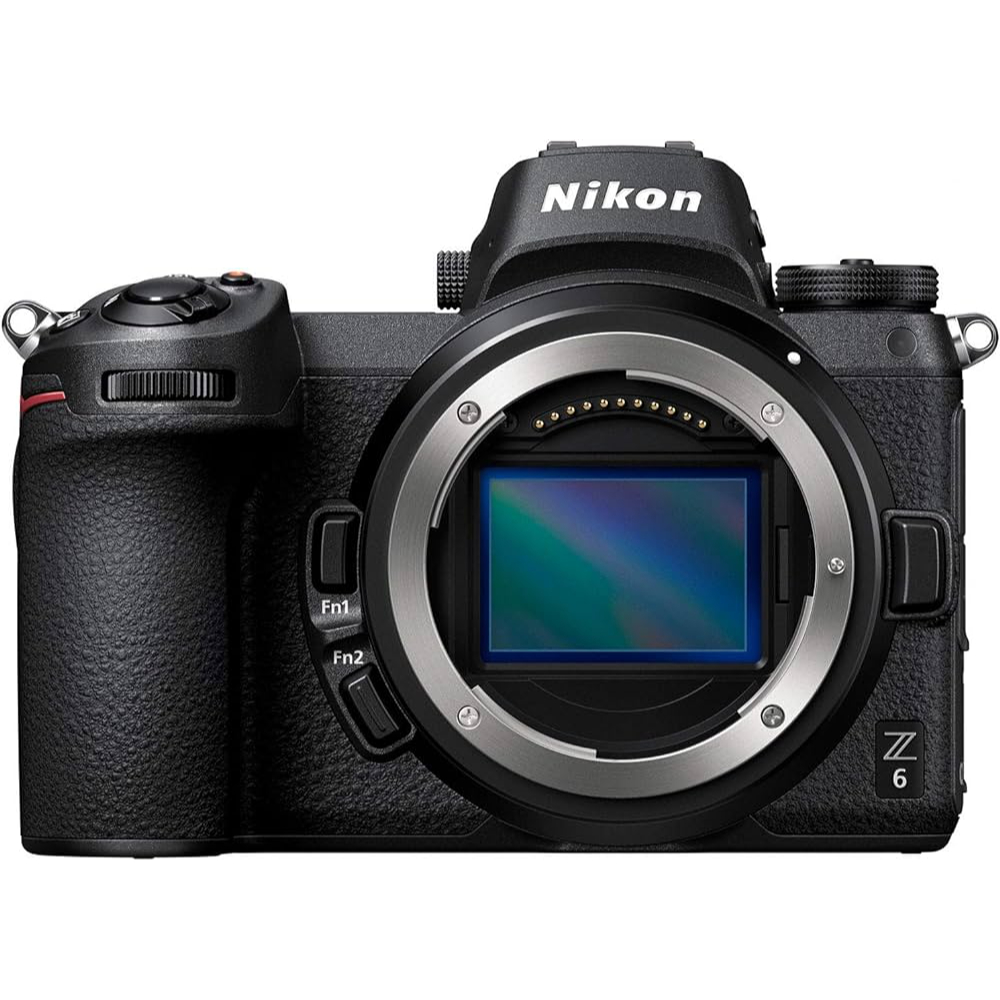 Best value for money
Best value for money
Coming in at a more affordable price, but still offering reliable Nikon quality and features, the Nikon Z6 is an excellent mirrorless option for enthusiasts.
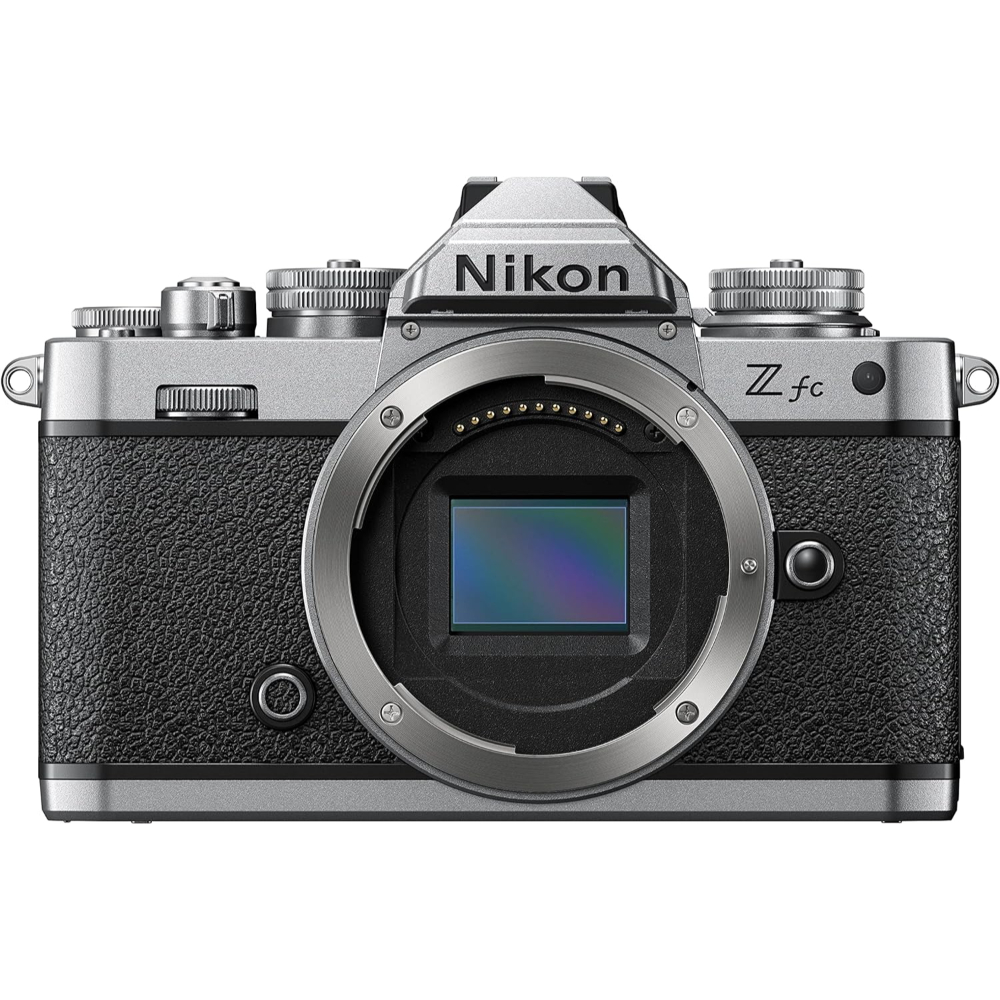 Best for casual users
Best for casual users
With an attractive retro design, straightforward controls and a compact body, the Nikon Z fc is a great everyday camera for travel or street photography.
Load the next 7 products ↴
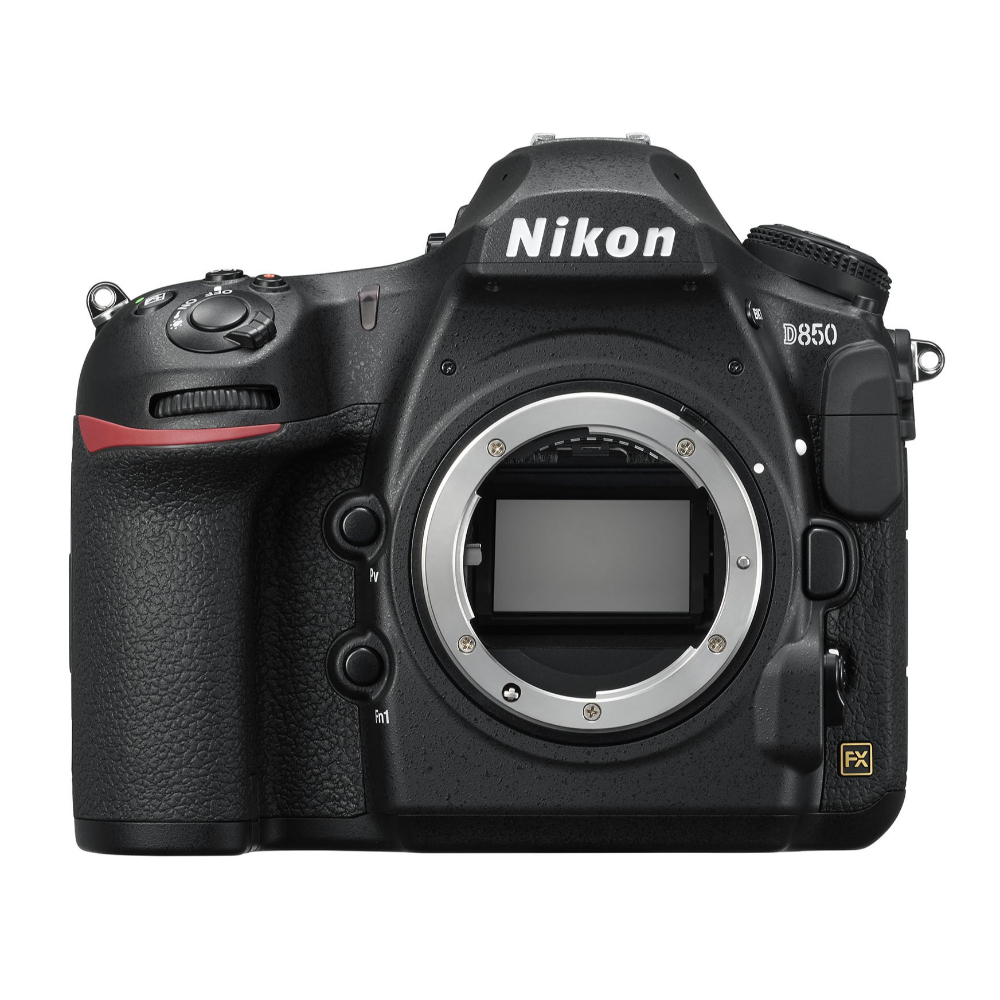 Best full-frame DSLR
Best full-frame DSLR
Able to compete with the top-level mirrorless cameras, this full-frame DSLR is an ideal pick for traditionalists who enjoy using a bright optical viewfinder.
 Best for low light
Best for low light
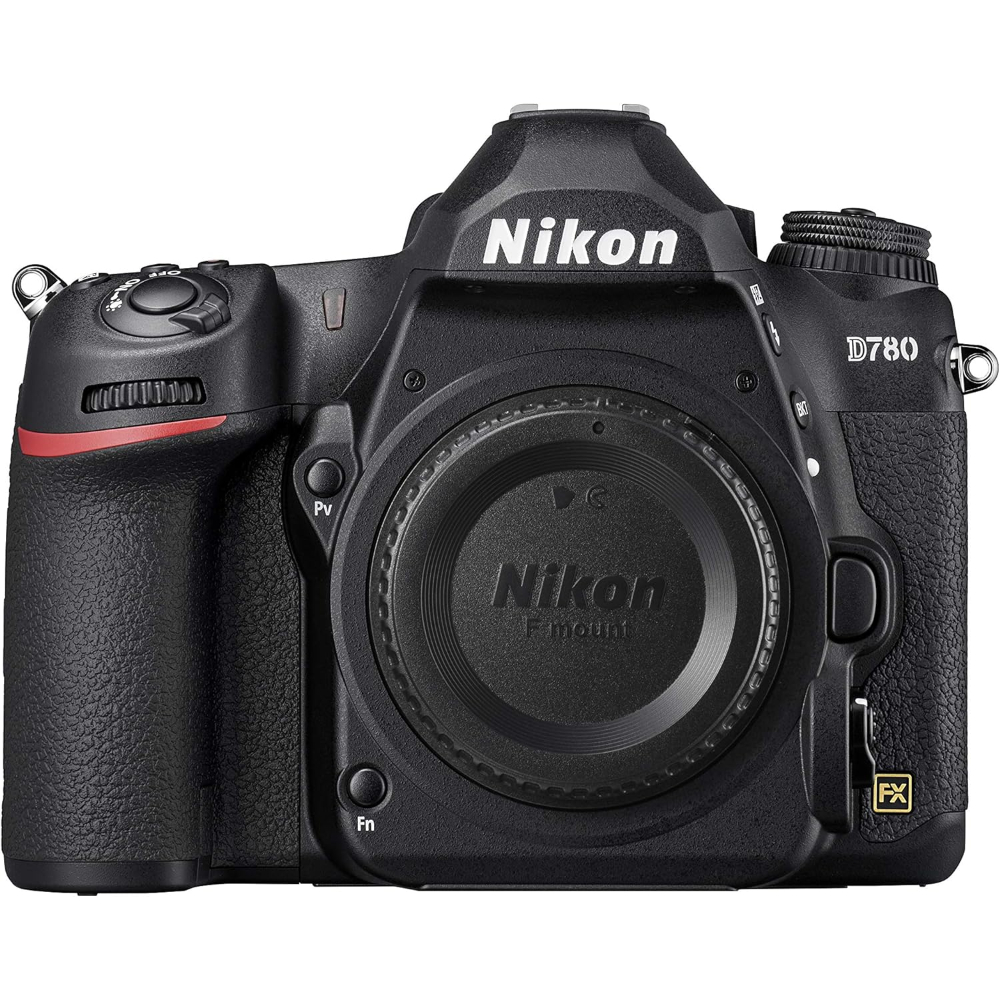
The Nikon D780 excels in low-light conditions and is brilliant at handling high ISO noise, making it a perfect choice for astrophotography.
 Best crop sensor
Best crop sensor
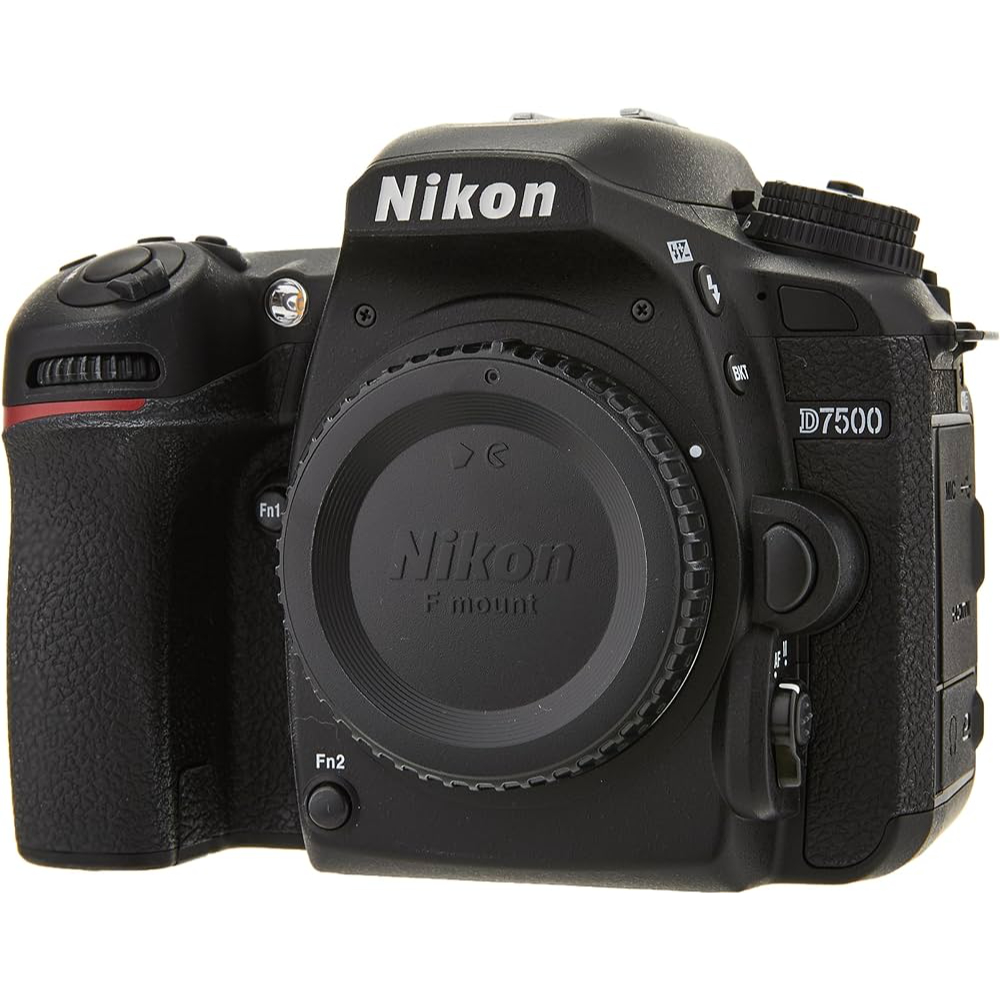
A DLSR camera that offers high-end features at an affordable price, with impressive ISO handling and a 4K resolution time-lapse function.
 Best professional DSLR
Best professional DSLR
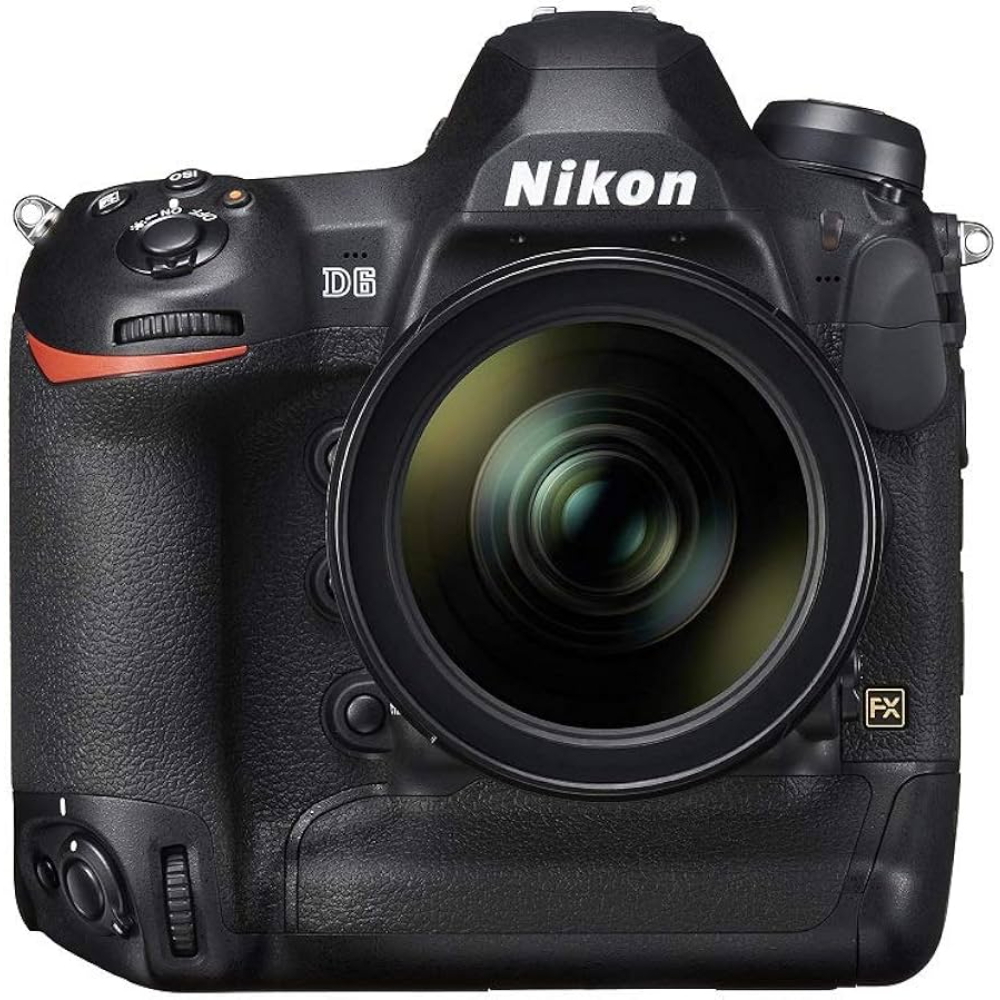
Nikon's flagship DSLR camera offers high speed, extreme weatherproofing and a huge expanded ISO range, but at an eye-watering price.
 Best for vlogging
Best for vlogging
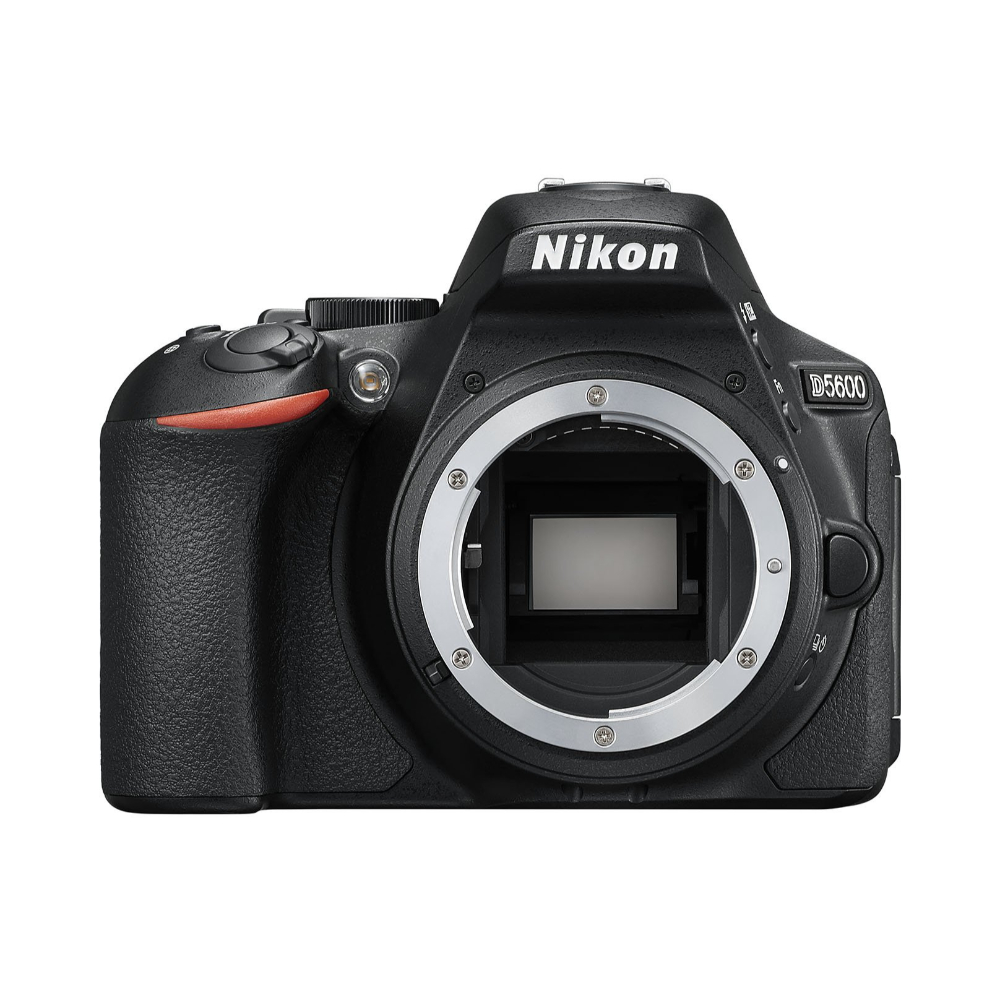
With a vari-angle screen that unfolds and rotates 360 degrees, the Nikon D5600 is an ideal choice for vlogging or taking selfies on your travels.
 Best for beginners
Best for beginners
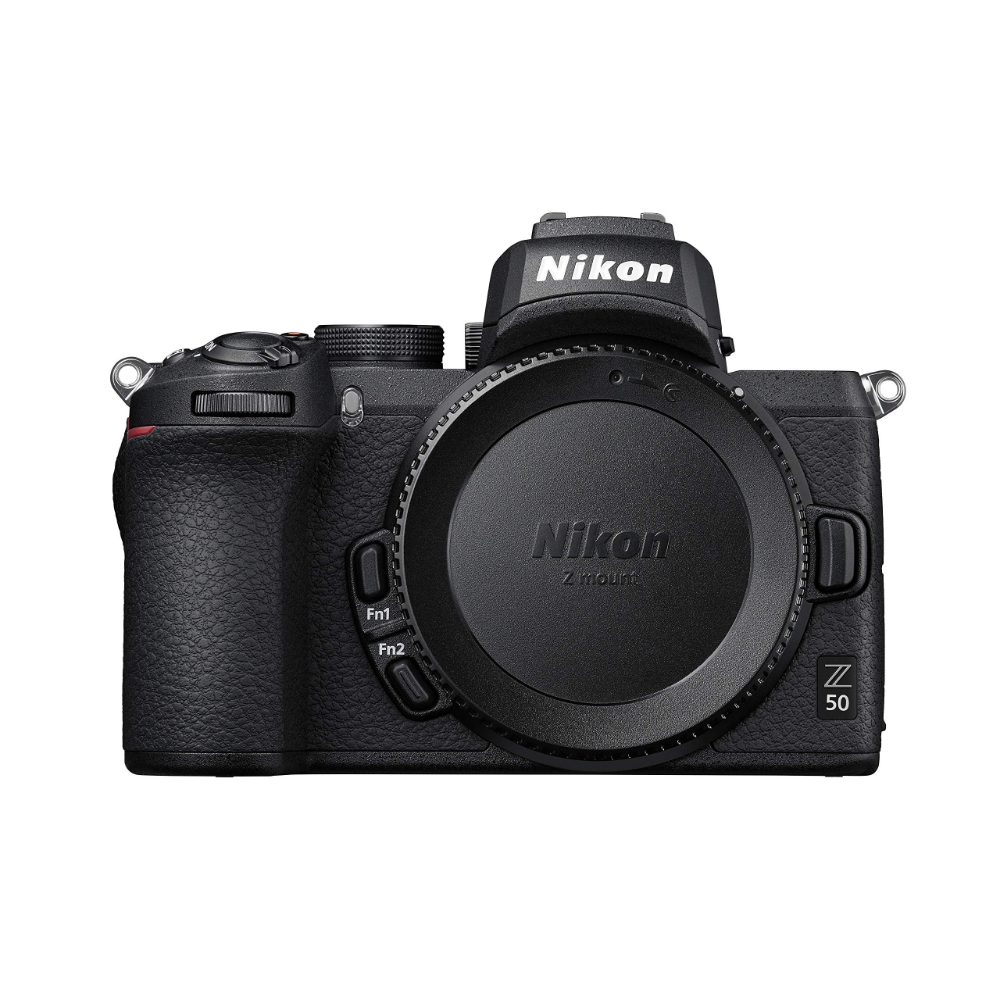
Nikon's first APS-C mirrorless camera still makes a great all-rounder for beginners, offering 20.9MP stills, 4K video and in-camera creative effects.
 Best zoom range
Best zoom range
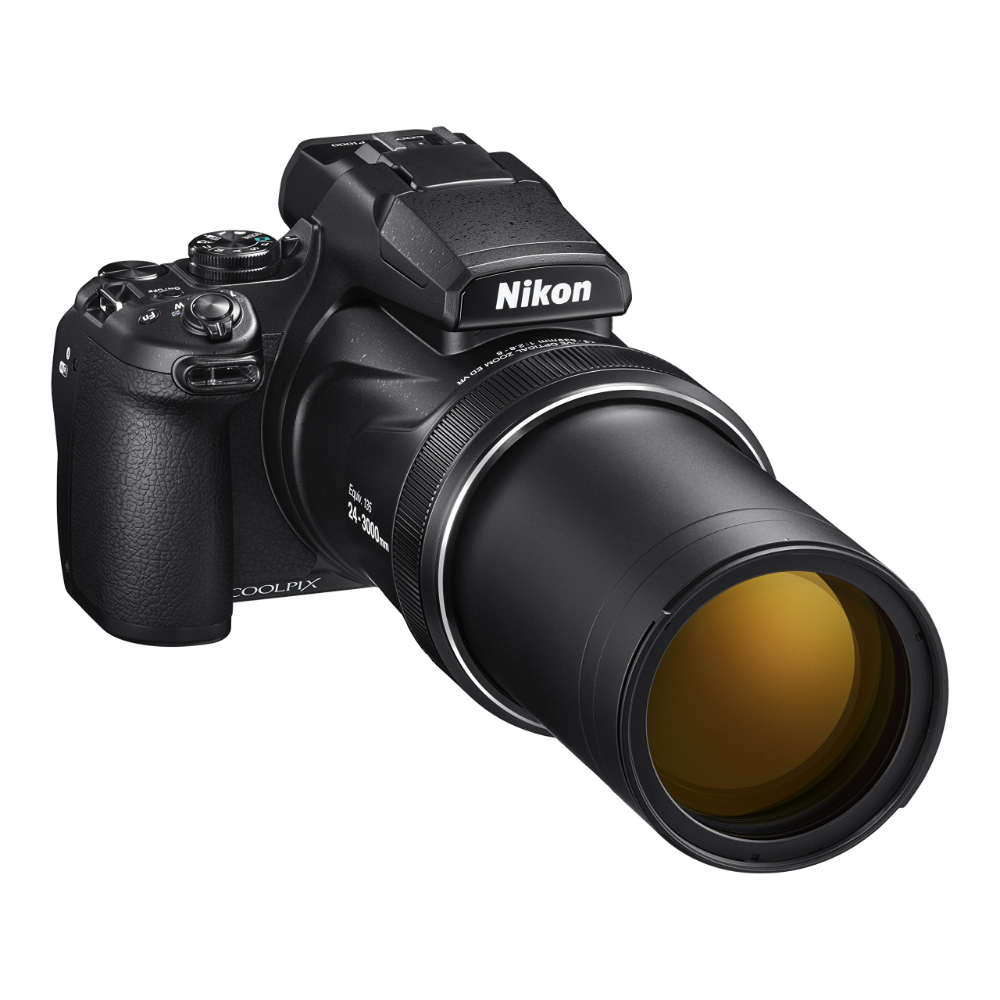
With an enormous 125x optical zoom and an effective focal length of 24mm up to 3000mm, the Coolpix P1000 takes incredible shots of the moon.
The best Nikon cameras we recommend in 2025
Why you can trust Space.com Our expert reviewers spend hours testing and comparing products and services so you can choose the best for you. Find out more about how we test and review products.
Best overall
The Nikon Z8 is the latest in Nikon's mirrorless line-up and it's both cheaper and 30% smaller than the Nikon Z9.(Image credit: Jase Parnell-Brookes)
With top of the range specs that combine the best aspects of Nikon's flagship mirrorless Z9 and their leading DSLR the D850, the Nikon Z8 is truly a master of everything.
Specifications
Type: Mirrorless
Sensor: Full frame
Megapixels: 45.7
Lens mount: Z-mount
ISO Range: 64-25,600 (expanded up to 102,400)
Stabilization: 5-axis, 6 stops
Reasons to buy
Excellent image noise handling
Insane high FPS burst speed
Extremely detailed stills and videos
Silent shooting great for quieter shoots
Reasons to avoid
-
A big size increase from the Z7 II
-
Price tag not for the faint of heart
-
Overkill for beginners and intermediates
Buy it if
✅ You want the best image quality: The huge 45.7MP sensor produces rich and detailed images as well as 8K video.
✅ You shoot sport or wildlife: This camera has incredible autofocus that works even on tricky subjects, and it can do burst shooting at a blistering 120FPS.
✅ You're an astrophotographer: Low-light sensitivity reaches as low as -9EV and a dedicated night vision mode preserves your night vision.
Don't buy it if:
❌ You're on a budget: Although it's significantly cheaper than the Nikon Z9, it's still an expensive camera with elite features that may be overkill for beginners and intermediates.
The bottom line
🔎 Nikon Z8: An elite all-rounder with a 45.7MP sensor and incredible autofocus that handles any style of photography with ease, we class this as one of the very best cameras available. ★★★★★
Currently sitting at the top of our overall best cameras guide, the Nikon Z8 is easily crowned the best Nikon camera as well. It combines the very best aspects of the Nikon D850 and the flagship Nikon Z9 models to create a camera with unrivaled versatility and performance across all fields of photography. Whether you're a professional or an enthusiastic amateur, this camera is an absolute treat to use and offers stunning results.
The 45.7MP sensor delivers highly detailed still images and 8K video. It offers RAW images and captures a wide variety of video codecs such as N-Log, ProRes Raw HQ and more, making it an excellent choice for videographers. There's also an unbelievable burst shooting rate of 120FPS for sport and action photographers, although you will sacrifice some image quality when shooting at this blistering speed.
The autofocus is fast and reliable, detecting human and animal subjects even in darker conditions. Enabling Starlight View will drop the detection range right down to -9EV. This, combined with a night vision mode that dims the rear screen and electronic viewfinder and uses only red pixels to preserve your night vision, makes it a fantastic camera for astrophotography, too.
With the Nikon Z8, you'll get all this for around $1500 less than their flagship Z9 model, which really clinches the deal for us. It's still pricey and primarily aimed at professionals, but if your budget can stretch to it, we think any photographer would be thrilled with this camera.
- Read our full Nikon Z8 review
Swipe to scroll horizontally
Test results
| Attributes | Notes |
|---|---|
| Design | 45.7MP sensor and outstanding build quality |
| Functionality | 8K video and 120FPS burst shooting |
| Performance | Exceptional autofocus, even in low light |
Best professional mirrorless
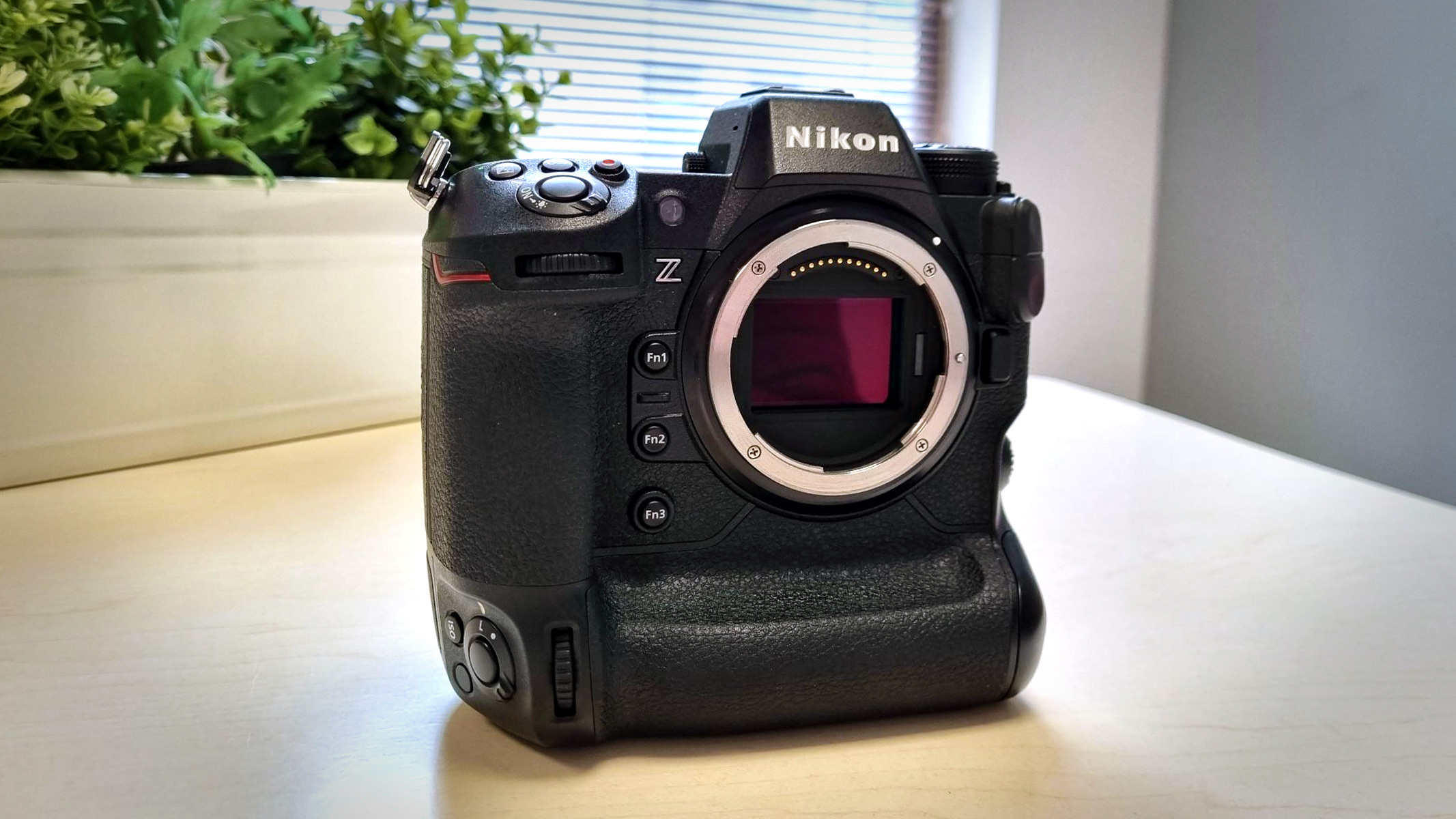
The Nikon Z9 comes complete with 8K video capability, 120 FPS stills shooting and superb in-body image stabilization.(Image credit: Andy Hartup)
Nikon's flagship mirrorless camera has 8K video, 120FPS stills shooting and six stops of in body image stabilization
Specifications
Type: Mirrorless
Sensor: Full frame
Megapixels: 45.7
Lens mount: Z-mount
ISO Range: 64 - 25600 (expanded to 32 - 102,400)
Stabilization: 5-axis, 6 stops
Reasons to buy
Huge 6 stops of in body image stabilization
Up to 120FPS stills shooting
Reasons to avoid
-
Expensive camera
-
Same stills resolution as Z7 II
Buy it if
✅ You're looking for premium features and performance: There's really nothing that this camera doesn't do well with its incredible 45.7MP sensor and ISO range.
✅ You enjoy burst shooting or videography: You can shoot stills up to 120FPS and video up to a whopping 8K at 30FPS.
Don't buy it if:
❌ You're on a budget: The only real downside to this camera is the price — it's incredibly expensive and probably overkill for astrophotography alone.
The bottom line
🔎 Nikon Z9: Losing half a star purely on the basis of price point, this is an absolute powerhouse of a mirrorless camera that offers premium features right across the board. ★★★★½
The Nikon Z9 is Nikon's flagship mirrorless camera, outstripping every other Nikon camera's spec sheets. Outstanding, fast autofocus is powered by deep-learning artificial intelligence that cleverly tracks subjects from people, animals, and vehicles, focusing on the eyes of living subjects even when framed upside down.
This is a mirrorless camera designed for professionals, but it would be equally welcome in the hands of an enthusiast, should they be able to afford it. We'd give it five stars, but it's missing half a star as it'll be out of the price range of some.
A blisteringly fast 120FPS electronic stills capture, 8K30p video, and detailed 'real-live' electronic viewfinder, which is the brightest in the world (at 3000-nit), show that Nikon isn't messing around here. It also has dual CF Express Type B card slots for twice the speed of Type A and ultra-reliability with dual card backup.
You'll be spoiled by the numerous functions the Z9 offers. As a still image shooter, you can customize almost every aspect of the process, and have the ability to use this body just as easily in landscape or portrait mode. The stand-out options are the vast array of options on the camera body itself.
- Read our Nikon Z9 review
Swipe to scroll horizontally
Test results
| Attributes | Notes |
|---|---|
| Design | 45.7MP sensor in a robust weatherproof body |
| Functionality | Impressive burst shooting and video |
| Performance | Fast focusing and exceptional clarity |
Best under $3000
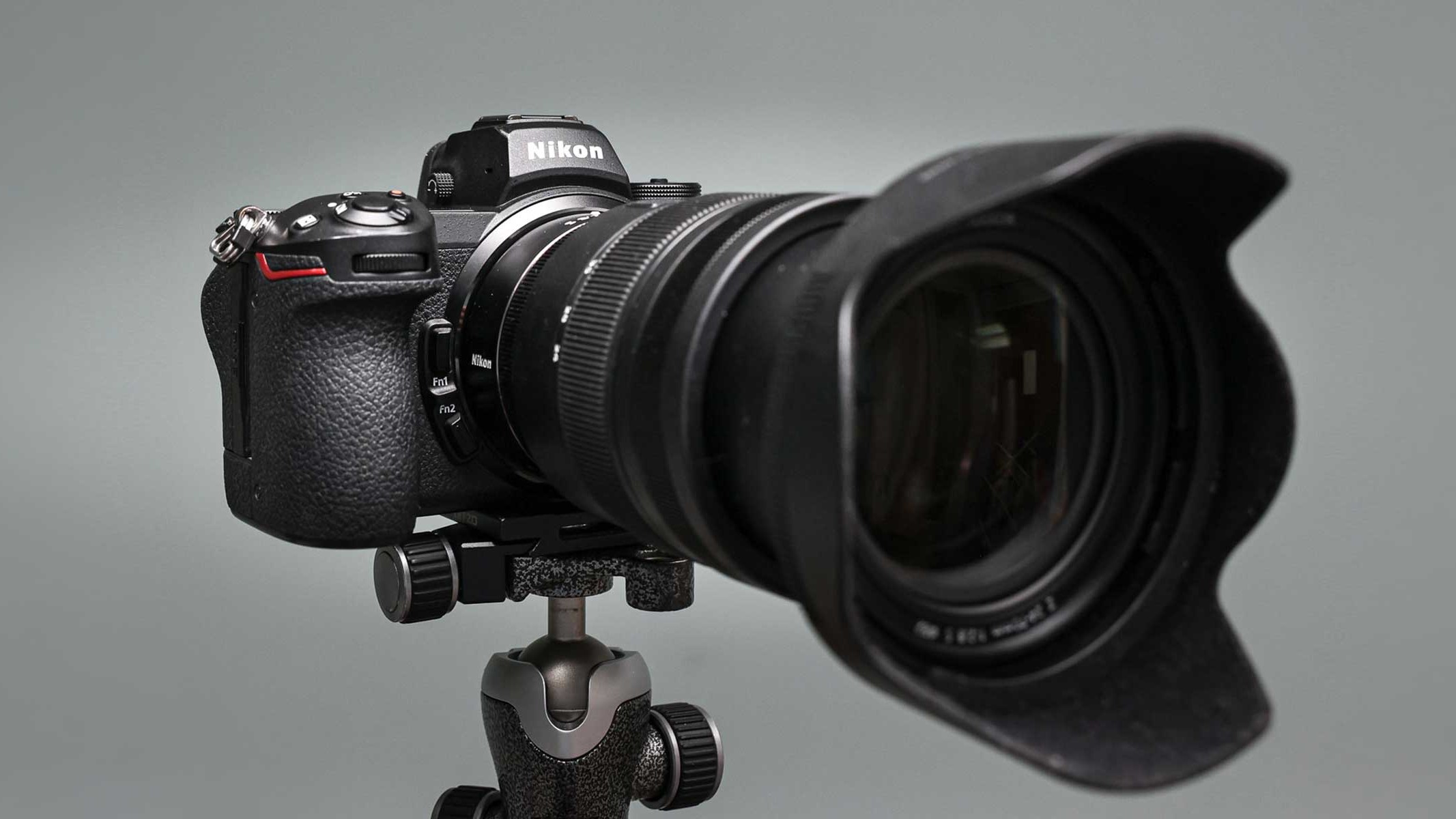
The Nikon Z7 II shines as a sophisticated camera for experienced photographers, boasting great image stabilization and autofocus.(Image credit: Jase Parnell-Brookes)
Nikon's sub $3000 camera is full of detail, has lightning speed and accurate autofocus
Specifications
Type: Mirrorless
Sensor: Full frame
Megapixels: 45.7
Lens mount: Z-mount
ISO Range: 64 - 25600 (expanded to 32 - 102,400)
Stabilization: 5-axis, 5 stops
Reasons to buy
Strong image stabilization
10FPS, 45.7MP stills burst mode
3.69k dot electronic viewfinder
Reasons to avoid
-
AF isn't quite as sophisticated as Z9
-
Expensive as a first camera
Buy it if
✅ You're looking for a high-level all-rounder: Featuring the same 45.7MP sensor as the pricey Z9 model, this camera offers detail, precision and speed at a more affordable price.
✅ Your main focus is astrophotography: With its tilting touchscreen, weather sealing and excellent low-light performance, this camera is ideal for astrophotographers.
Don't buy it if:
❌ You're a beginner: You may want to look at some more pocket-friendly options like the Nikon Z5 if you're just starting out.
The bottom line
🔎 Nikon Z7 II: This camera is a great pick for those looking for high detail and performance without the huge price tag of the Z9 model. Its features also make it a particularly attractive option for astrophotographers. ★★★★½
Sitting nearly two-fifths cheaper than the Nikon Z9, this camera has much of the capability without the enormous price tag, though it is still a sizeable investment.
In our Nikon Z7 II review our verdict after putting it through its paces is that it offers the perfect balance of speed and precision and can master most styles of photography.
It boasts great dynamic range and an expandable ISO that boosts up to 102,400 and is stabilized by a five-axis in-body image stabilization technology that can steady shots by up to five stops.
10FPS stills shooting at maximum resolution may not sound ground-breaking, but when you consider it's capturing a huge 45.7MP, 14bit photos, it's pretty eye-watering. A dual card slot makes the 7 II compatible with XQD (or super fast CF Express) and SD/SDHC/SDXC (up to UHS-II) cards for ultimate flexibility. 4K UHD video shoots smooth 60FPS but can go as high as 120FPS when dropped down to full HD resolution for slow-motion effects.
The exposure preview on the Z7 II is fantastic, probably the best of all the cameras we’ve used. Composing scenes on any camera in low light is difficult because less light means a darker view, making it more difficult to level horizons and ensure focus is where it needs to be. However, with the Z7 II there’s hardly any image noise when viewing on the rear screen or EVF, horizons are clearly visible and so are stars, making it easy to compose scenes and zoom in on stars to manually focus.
- Read our Nikon Z7 II review
Swipe to scroll horizontally
Test results
| Attributes | Notes |
|---|---|
| Design | 45.7MP sensor, tilting screen and weather sealing |
| Functionality | Controls across the body within easy reach |
| Performance | Superb handling of high ISO image noise |
Best classic style

The Nikon Zf is an attractive, stylish camera with build quality, functionality and performance to match.(Image credit: Jase Parnell-Brookes)
Retro style meets modern mirrorless technology in this low-light specialist
Specifications
Type: Mirrorless
Sensor: Full frame
Megapixels: 24.5
Lens mount: Z-mount
ISO Range: 100-64000 (expanded up to 204,800)
Stabilization: 5-axis, 8 stops
Reasons to buy
Nice feedback from dials
Fully articulating touchscreen
Excellent low-light performance
Reasons to avoid
-
Shallow hand grip might be too small for some
-
24.5MP sensor is nothing to shout about
-
4K video only 30FPS
Buy it if
✅ You enjoy the classic style: There is a physical dial for all the camera controls with satisfying audible feedback.
✅ You shoot in low light: The low-light sensitivity on this camera is seriously impressive, making it one of the best available for this purpose.
Don't buy it if:
❌ You need maximum image detail: The 24.5MP sensor may leave some wanting more detail, though it's plenty for most general purposes.
The bottom line
🔎 Nikon Zf: An extremely stylish and attractive camera that doesn't skimp on performance. It has fast autofocus and seriously impressive low-light sensitivity, but some may want more detail than the 24.5MP sensor can offer. ★★★★½
If you're looking for a stylish camera that's still capable of keeping up with modern technological developments, then look no further than the Nikon Zf. This classic-looking camera comes with an array of tactile metal dials reminiscent of film SLR but combines this with the impressive speed and performance you'd expect from a quality mirrorless camera.
The dials aren't there for show; they are efficient. The more you use them, the less you have to consciously think about what you're doing and you'll quickly find that adjusting your commonly used settings becomes second nature, speeding up your workflow. We like that there is no need to navigate different menus for every shot you take.
It contains the same flagship processing engine as the Nikon Z8 and Z9 models, alongside an extremely effective autofocus system with low-light sensitivity that drops down as low as -10EV. To put that into perspective, it's the lowest of the whole Nikon Z series line, and it makes shooting in low light an absolute breeze.
It also benefits from a fully articulated touchscreen, and while the 24.5MP sensor may be nothing to shout home about, we think that this camera offers great specs for the price that sits around the $2000 mark.
- Read our full Nikon Zf review
Swipe to scroll horizontally
Test results
| Attributes | Row 0 - Cell 1 |
|---|---|
| Design | Retro design with on-body dials |
| Functionality | Fully articulated touchscreen |
| Performance | Low-light sensitivity down to -10EV |
Best value for money
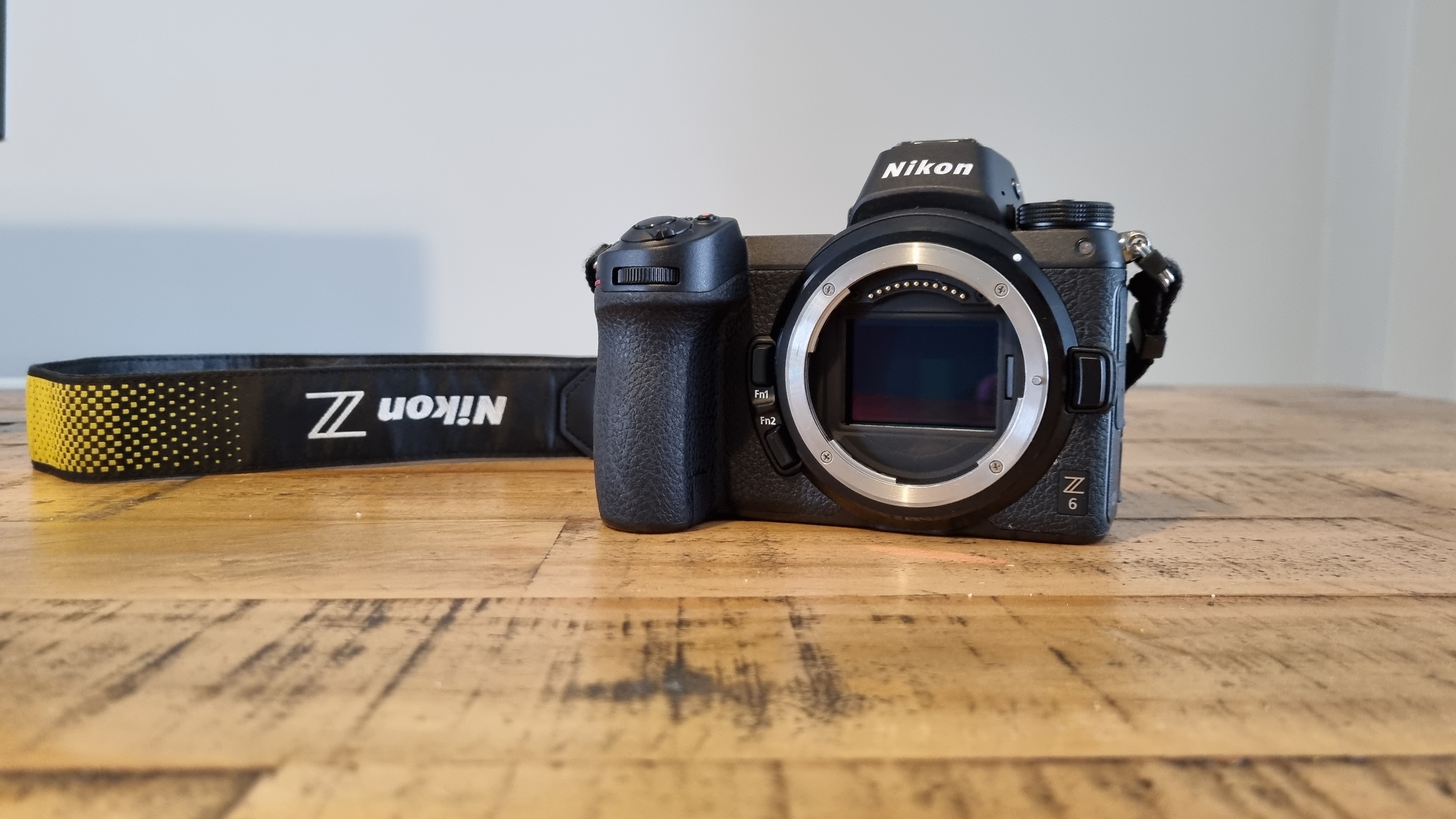
The Nikon Z6 is a full-frame mirrorless camera which offers the brand's quality at a price affordable for enthusiasts.(Image credit: Andy Hartup)
Made for enthusiasts, this is full-frame mirrorless Nikon quality at a more affordable price
Specifications
Type: Mirrorless
Sensor: Full frame
Megapixels: 24.5
Lens mount: Z-mount
ISO Range: 100-51,200 (expandable 50-204,800)
Stabilization: 5-axis
Reasons to buy
Massive ISO range
Good noise handling
Reasons to avoid
-
Stills resolution relatively low
-
Not the cheapest
Buy it if
✅ You're in search of value: We think this camera offers a fantastic balance between features and price, with quality that will satisfy most enthusiasts.
✅ Your priority is still images: With excellent image stabilization and ISO capabilities, the Z6 is perfect for a range of subjects like astrophotography or landscapes.
Don't buy it if:
❌ You primarily shoot video: You may be better off with the Nikon Z6 II which offers better video with 4K at 60FPS.
The bottom line
🔎 Nikon Z6: For those who shoot stills, this camera offers excellent value for money and a nice balance between price and performance across a range of different photography styles, but videographers may prefer the upgraded Z6 II. ★★★★½
The Nikon Z6 is identical to the Nikon Z7 on the outside but lacks a few of the higher-end features found in its bigger brother. The resolution is nearly halved at 24.5MP, which sounds drastic, but in reality, is perfectly fine for most shooters. In fact, that drop in resolution makes it more suited to astrophotography due to the lower propensity for high ISO image noise. That is one of the reasons that after our Nikon Z6 review, we placed it in our best cameras for astrophotography guide.
Full frame, it can capture stills at 14FPS, four times faster than the Z7, and an enhanced buffer means up to 200 consecutive JPEG images (or 124 12-bit uncompressed raw images) in one burst, likely more than most owners will ever need.
Flexible video frame rate recording and Raw file output via HDMI (including ProRes RAW) at 4K30p UHD means it's perfect for the hybrid shooter or filmmaker, even able to be powered through USB-C by an external power source (and charge the battery, too) for longer filming sessions.
The Z6 has already had an upgrade in the form of the Nikon Z6 II which feels a little more refined in the hand, has an improved image processor and features 4K video at 60FPS. If those are things that are important to you, have a read of our Nikon Z6 II review. We haven't included it on this list because we think the Z6 is better value for money and the upgrades don't necessarily justify the jump in price.
- Read our Nikon Z6 review
Swipe to scroll horizontally
Test results
| Attributes | Notes |
|---|---|
| Design | Slim and easy to handle |
| Functionality | 14FPS stills and 4K video a 30FPS |
| Performance | Sharp low-light shooting |
Best for casual users
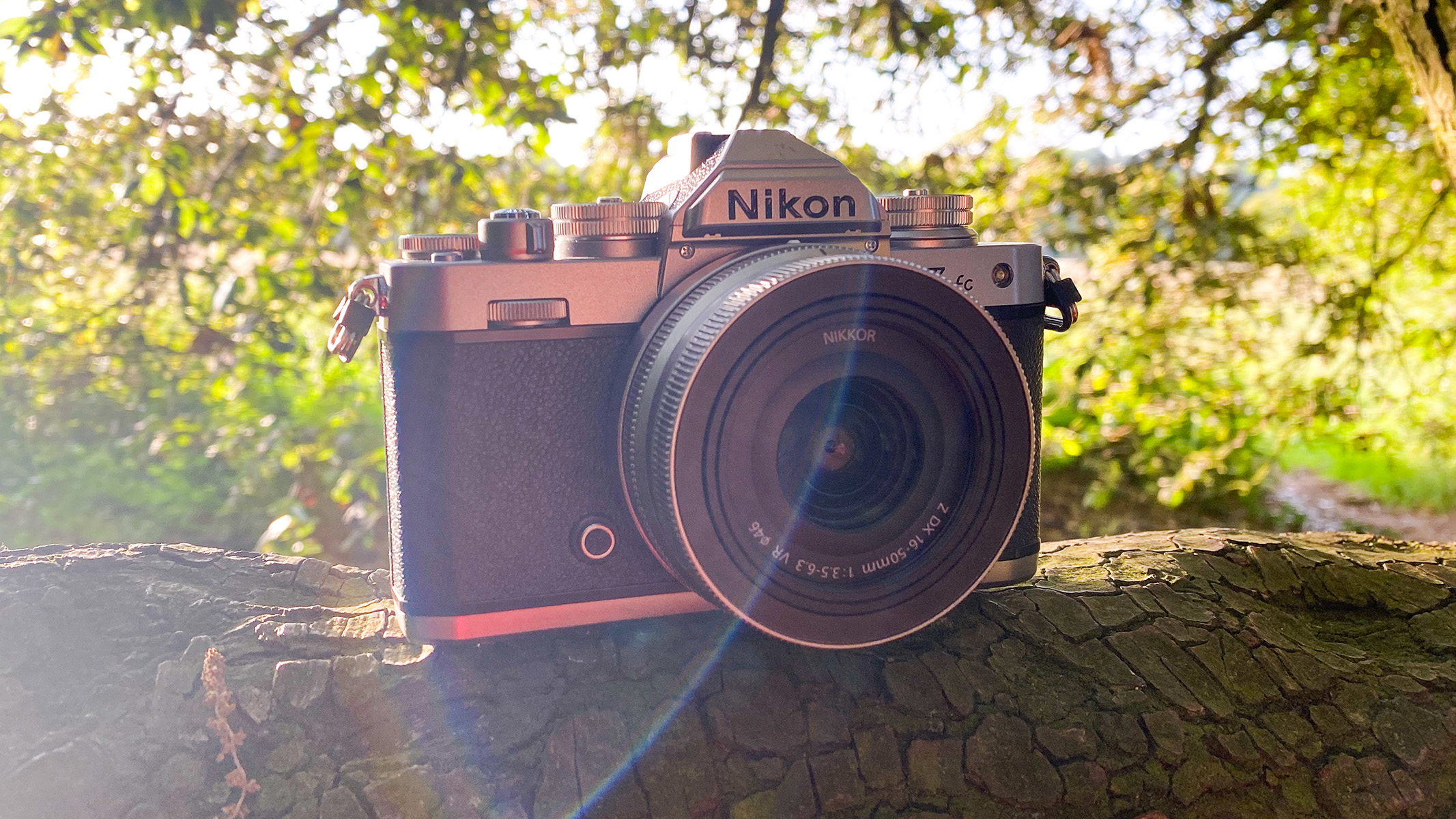
The Nikon Z fc is a portable mirrorless camera with an attractive retro design.(Image credit: Jacob Little)
An attractive and functional mirrorless camera, ideal for street and travel photography
Specifications
Type: Mirrorless
Sensor: APS-C
Megapixels: 21
Lens mount: DX Z-mount
ISO Range: 200 - 51,200
Stabilization: None
Reasons to buy
Suited to street photography
Retro design
Easy to use
Reasons to avoid
-
Limited lens choice
-
Might be limiting for more advanced photographers
Buy it if
✅ You want something portable: This camera would be ideal for travel or daytrips since it's quite compact but still very capable.
✅ You like a hands-on feel: The retro design of this camera makes it very enjoyable to use, especially for traditionalist photographers.
Don't buy it if:
❌ You intend to shoot sport or action: The continuous burst mode on this camera isn't as impressive as many of its competitors.
The bottom line
🔎 Nikon Z fc: Ideal for travel or daytrips, the Nikon Z fc is a straightforward mirrorless camera with an attractive retro style that will appeal to traditionalist photographers, but it's not ideal for sport or action photography. ★★★★½
As well as its attractive looks, the Nikon Z fc is an easy-to-use mirrorless camera for casual use, especially for disciplines like travel and street photography, where you want something small but capable. It has a small form factor so it can be easily transported in your day bag or jacket pocket.
The design of this timeless model is essentially based on Nikon's FM2, first sold in 1982, but it benefits from modern technology, improved dial positioning and more automation.
In our Nikon Z fc review, we found that it is highly capable of tracking faces and movement, and the images are sharp with an impressive dynamic range. The camera can also take a shot within less than one second of being started up. Again, it supports the spontaneous moments you'll want to capture in street and travel photos.
This isn't the camera for you if you want to shoot sports or action as the continuous burst mode isn't the best — you could lose the shot you wanted while the camera is buffering.
In our review, the camera performed better in the noise department than we had expected. We could push it up to ISO 12,800 before we began to see any noticeable noise — great if you're looking to take compelling images after dusk.
- Read our Nikon Z fc camera review
Swipe to scroll horizontally
Test results
| Attributes | Notes |
|---|---|
| Design | Retro styling with a hands-on feel |
| Functionality | Useful range of lenses available |
| Performance | Autofocus tracks faces and movement well |
Best full-frame DSLR
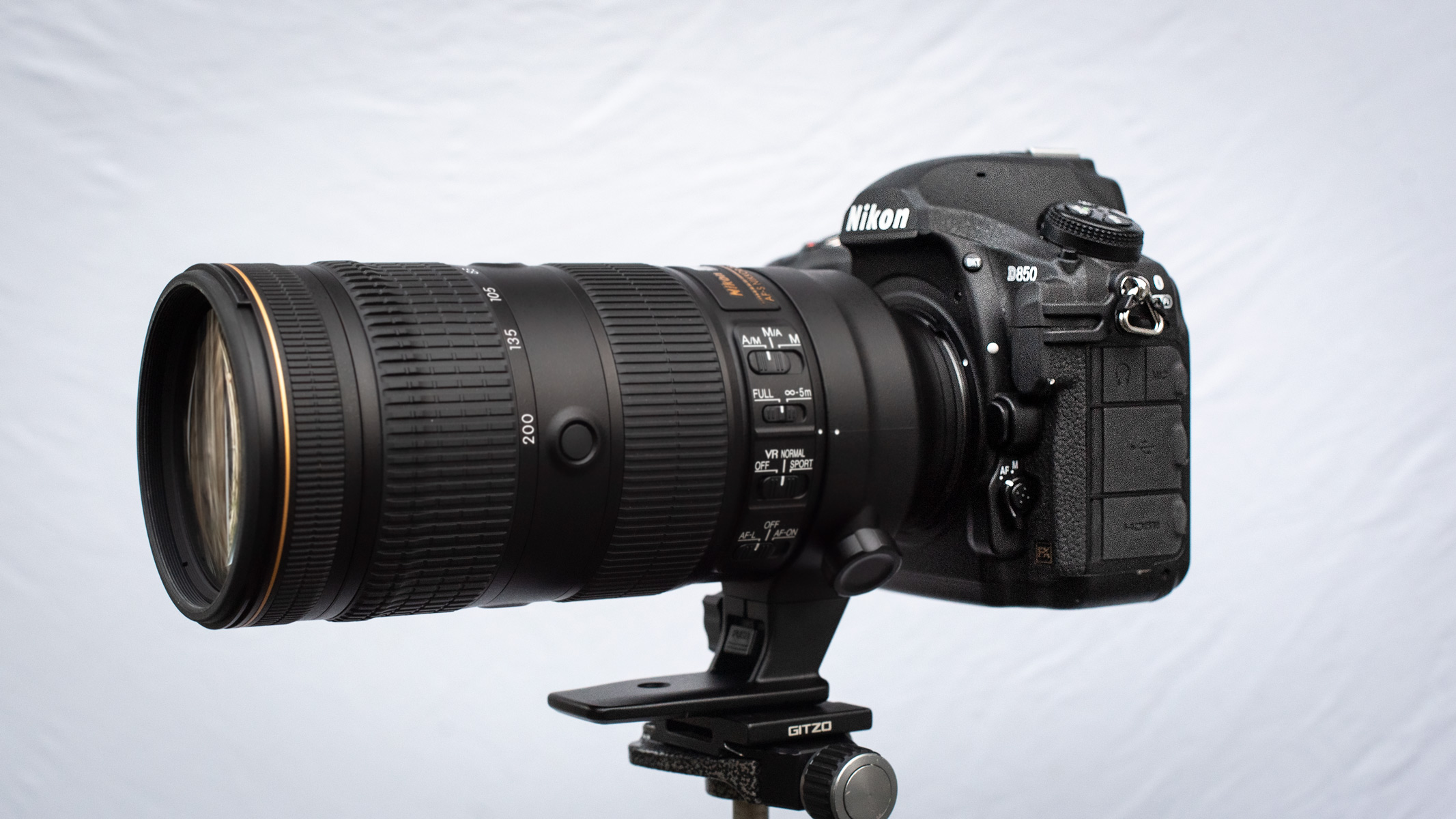
The Nikon D850 is a DSLR camera with a performance to rival mirrorless models.(Image credit: Jason Parnell-Brookes)
A DSLR that easily rivals the high-end mirrorless models and has fantastic autofocusing
Specifications
Type: DSLR
Sensor: Full frame
Megapixels: 45.7
Lens mount: F-mount
ISO Range: 64-25,600 (expandable 32-102,400)
Stabilization: None
Reasons to buy
High resolution stills imaging
4K30p UHD video recording
Reasons to avoid
-
Heavier than mirrorless options
-
Limited to 9FPS burst speed
Buy it if
✅ You enjoy a traditional viewfinder: It has a beautifully bright optical viewfinder that is a joy to use.
✅ You'll be shooting in the dark: The illuminated buttons on the back of this model make it particularly convenient for astrophotography.
Don't buy it if:
❌ You're looking for strong burst shooting: The mechanical burst shooting on this camera falls far behind its electronic counterparts at only 9FPS.
The bottom line
🔎 Nikon D850: With its 45.4MP sensor rivaling the best mirrorless cameras for image resolution, this camera is excellent for those who are still after a DSLR and enjoy using an optical viewfinder, though its burst shooting is limited. ★★★★½
Despite being a few years old now, the D850 is so competitively priced and with such a comprehensive set of specs that it should appeal to just about anyone, whether taking photography seriously for the first time or a seasoned pro. It is no surprise it is B&H Photo's number one seller. It also sits at the top of our best cameras for astrophotography buying guide.
A full-frame DSLR, it benefits from 45.7MP stills, albeit at a lagging 9FPS mechanical (with the battery grip) compared to the Z9’s electronic 120FPS, and captures 4K30p UHD video uncropped. It can continuously shoot at 9FPS for up to 51 uncompressed 14-bit raw files.
The backlit illuminated buttons and a tilting touchscreen make it easy to use the D850 in the dark without having to fumble around with a torch. It is compatible with almost every F-mount lens that Nikon has produced, so you have a wide variety of lenses that you can use with this camera.
In our Nikon D850 review, we loved the wide, bright optical viewfinder which made looking into the scene to compose the shot a real treat. It has 153 AF points (99 cross-type) in view. An in-built viewfinder cover stops extraneous light leaking through the viewfinder and onto the image sensor during longer exposures — a must for low light or astrophotography.
- Read our Nikon D850 review
Swipe to scroll horizontally
Test results
| Attributes | Notes |
|---|---|
| Design | Full-frame 45.4MP DSLR |
| Functionality | Illuminated buttons for night shooting |
| Performance | Strong ISO range and autofocusing |
Best for low light
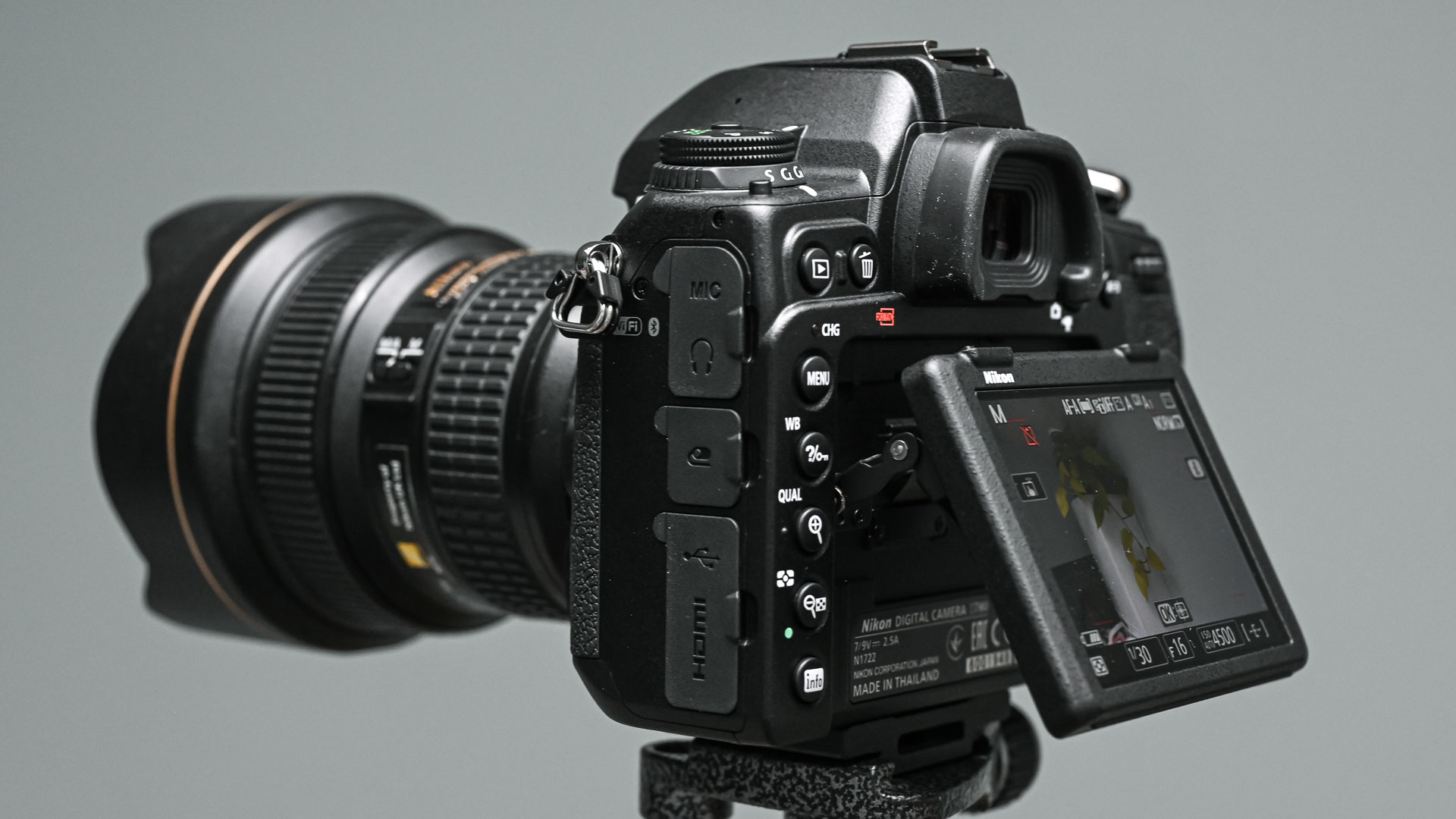
The Nikon D780 is a full frame DSLR that really shines in low light photography thanks to its ability to handle high ISO noise.(Image credit: Jason Parnell-Brookes)
A fairly-priced full frame DSLR that both stills photographers and videographers will love
Specifications
Type: DSLR
Sensor: Full frame
Megapixels: 24.5
Lens mount: F-mount
ISO Range: 100 - 51200 (expanded to 50 - 204,800)
Stabilization: None
Reasons to buy
Best value full frame DSLR
Great ergonomics
Reasons to avoid
-
Only -3EV autofocus detection range
-
A little expensive new
Buy it if
✅ You want an affordable DSLR: As full-frame DSLRs go, this one is fairly budget-friendly.
✅ You want to shoot in low light: This camera handles high ISO noise on images extremely well, so it's fantastic for astrophotography.
Don't buy it if:
❌ You're a beginner: You may want to take a look at the more affordable crop-sensor Nikon D7500.
The bottom line
🔎 Nikon D780: This camera will suit anyone looking for a full-frame DSLR that performs well in low light but won't break the bank. The high ISO range makes it one of our top picks for astrophotography. ★★★★½
This is probably the ideal choice for those seeking a full-frame Nikon DSLR but who don't want to go crazy on price. An evolution from the fantastic D750 body, this DSLR builds on its legacy and improves in several areas.
In our Nikon D780 review, we found a chunky grip feels good in the hand, and a tilting 3.2-inch rear screen provides a nice, bright view when not opting for the optical 0.7x magnification viewfinder.
The D780 is a solid hybrid performer. Quick switching from stills to video shooting can be done using the sliding switch surrounding the Live View button. When slipped into movie mode, the rear screen displays appropriate aspect ratio restrictions and brings with it a multitude of appropriate video-related settings, making a great camera for filming as well as snapping pictures.
Like its predecessor, it's a bit of a low light behemoth and handles high ISO noise well on images, with an expanded ISO range of up to 204,800. Though two types of autofocus (one for the viewfinder, the other for the rear screen) means that mirrorless bodies with hybrid AF take the edge in this regard. But for those who like traditional DSLR stylings and handling, the D780 is a brilliant full-frame option.
- Read our Nikon D780 review
Swipe to scroll horizontally
Test results
| Attributes | Notes |
|---|---|
| Design | Full-frame DSLR with comfortable controls |
| Functionality | Optical viewfinder with 0.7x magnification |
| Performance | Excellent ISO noise handling |
Best crop sensor
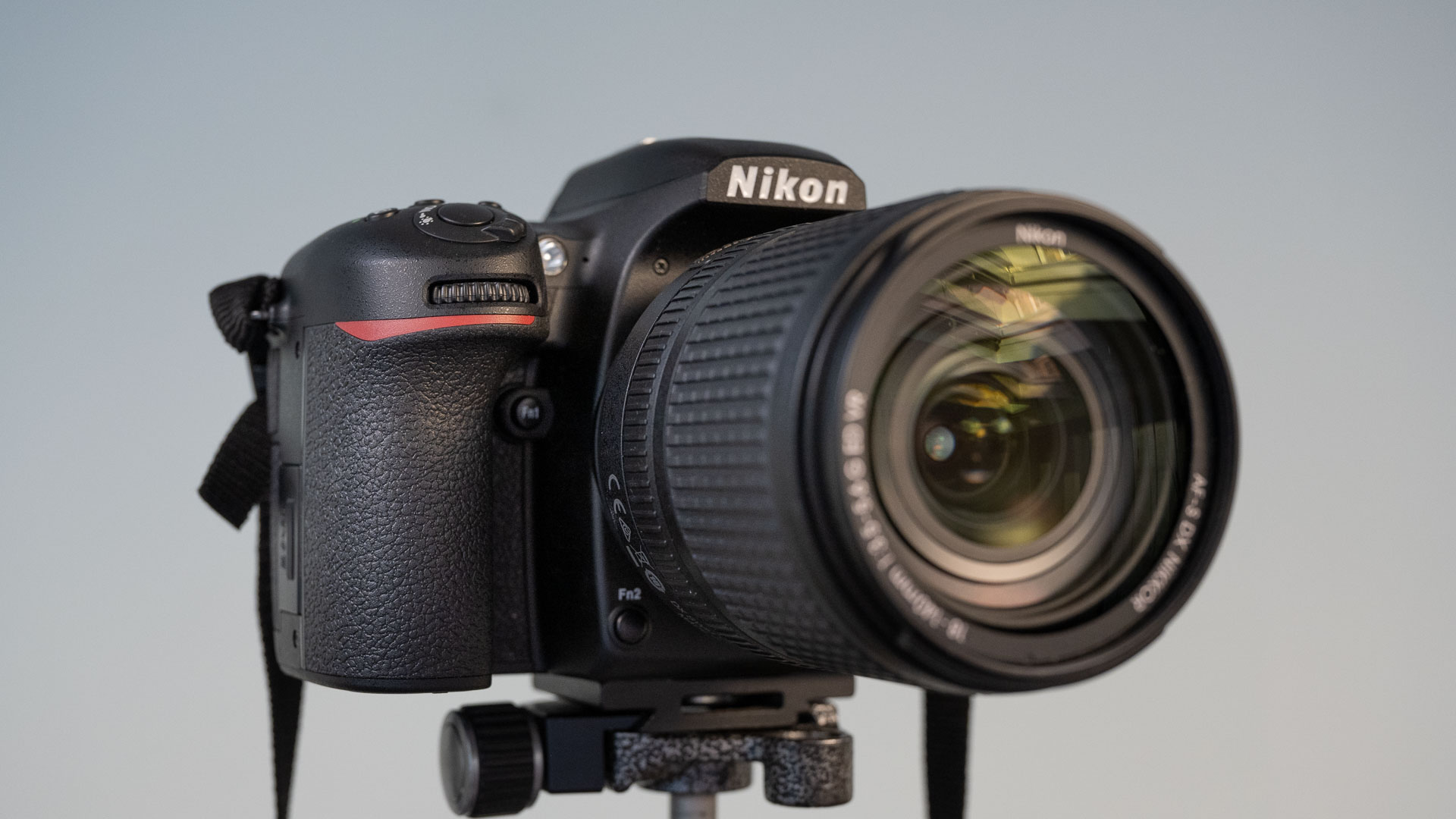
With 4K video capabilities and 8FPS continuous burst speed, the Nikon D7500 is a high-end crop sensor DSLR. (Image credit: Jason Parnell-Brookes)
The most sophisticated crop sensor DSLR body produced by Nikon.
Specifications
Type: DSLR
Sensor: APS-C
Megapixels: 20.9
Lens mount: F-mount
ISO Range: 100 - 51,200 (expanded to 50 - 1,640,000)
Stabilization: None
Reasons to buy
Continuous burst speed of 8FPS
4K video recording option
Reasons to avoid
-
Drop in resolution compared to predecessor
-
Single memory card slot only
Buy it if
✅ You're a beginner looking for a DSLR: As a crop sensor DSLR, this camera is more budget-friendly than full-frame alternatives, both for the camera itself and for lenses and accessories.
✅ You want to shoot astrophotography: It has a good ISO range for the price point, so it handles noise well.
Don't buy it if:
❌ You want the best image quality: The 20.9MP sensor doesn't offer as high image resolution as some competitors.
The bottom line
🔎 Nikon D7500: A great option for anyone who wants a DSLR without the high prices associated with full-frame bodies and their accessories. It performs well in low light but image resolution is lower than some. ★★★★½
At the higher end of Nikon's crop sensor DSLR bodies sits the D7500. Despite a drop in resolution compared with the previous model, the D7200, it actually has improved ISO performance and autofocus sensor in the shape of the 51-point Multi-Cam 3500 II — something we discuss in our Nikon D7500 review.
It can shoot 4K video which relies on contrast autofocus detections, but switch over to shooting through the viewfinder and you're met with phase-detection autofocus which enhances accuracy even further.
We found the D7500 to be more than ample for capturing images of stars, the moon, and even the odd galaxy. Most of the time we’d recommend a full-frame camera to capture the finest detail when it comes to astrophotography, as the larger real estate a full-frame image sensor offers to soak up all that starlight, but the D7500 is a solid option too.
Keep up to speed with the action thanks to the 8FPS continuous burst speed capture, or drop it down to continuous low, which shoots between 1-7FPS based on the options set. Lightweight in hand because of its carbon fiber construction, it may not be as sturdy as some of the magnesium alloy bodies, but it still has good weather sealing to protect it from the elements. It features a functional tilting rear screen, making composing at awkward angles a breeze.
- Read our Nikon D7500 review
Swipe to scroll horizontally
Test results
| Attributes | Notes |
|---|---|
| Design | Light carbon-fiber construction |
| Functionality | Autofocus with 51 focus points |
| Performance | Good low-light capabilities |
Best professional DSLR
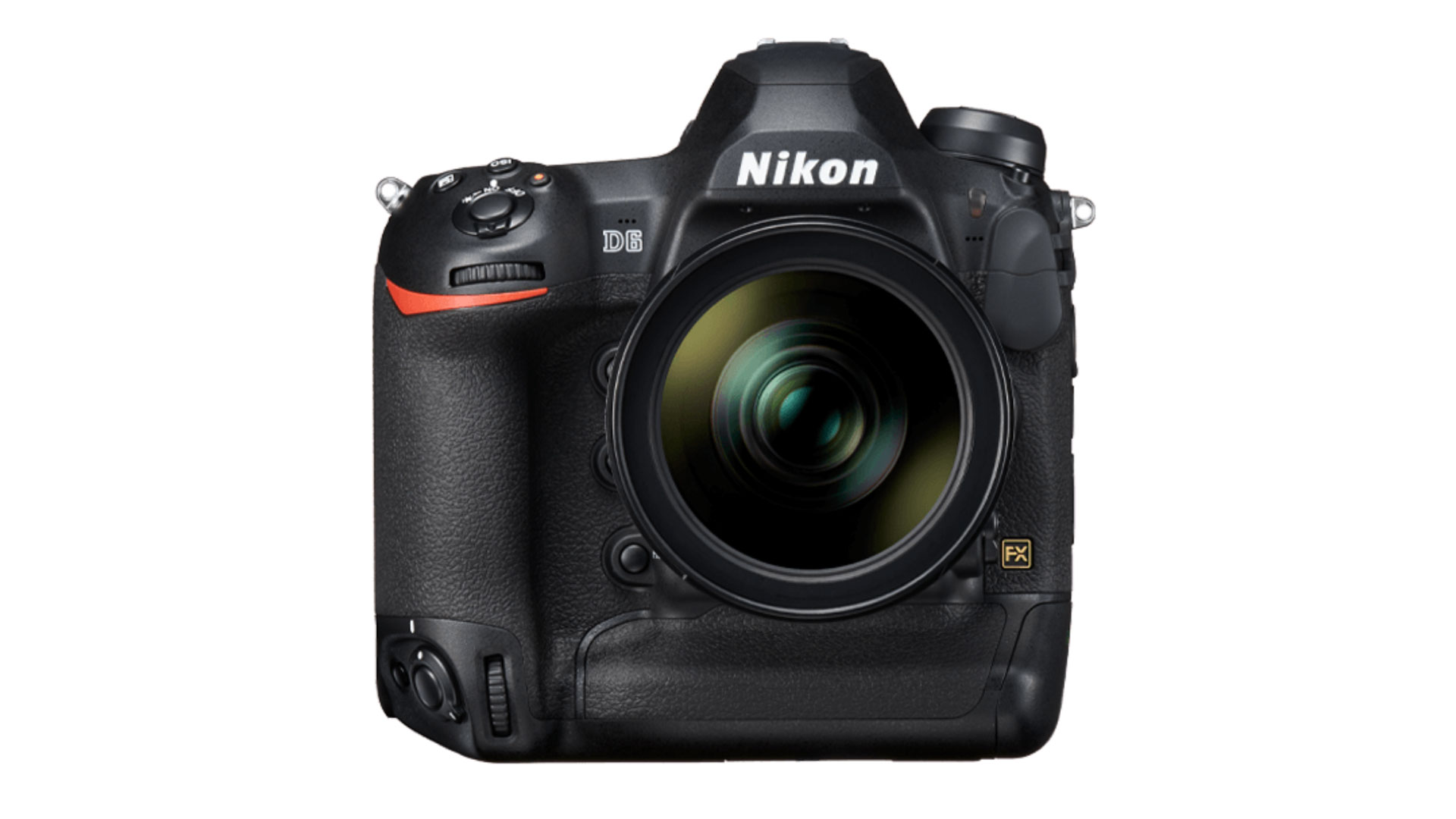
The Nikon D6 is the brand's flagship DSLR, with a rugged design that can withstand most conditions.(Image credit: Nikon)
Nikon D6
If you need speed, take a look at Nikon's powerful flagship DSLR
Specifications
Type: DSLR
Sensor: Full frame
Megapixels: 20.8
Lens mount: F-mount
ISO Range: 100 - 102,400 (expanded 50 - 3,280,000)
Stabilization: None
Reasons to buy
Robust construction
Incredible expanded ISO range
Reasons to avoid
-
Can't compete with mirrorless
-
Eye-wateringly expensive
Buy it if
✅ You're a professional: This is very much a pro-level camera and would be overkill for beginners.
✅ You want the best ISO range: The ISO ceiling on this camera is expandable to over 3.2 million.
Don't buy it if:
❌ You're on any kind of budget: This camera is astronomically expensive.
❌ You want the latest tech: It lacks features that are common among mirrorless cameras like in-body stabilization.
The bottom line
🔎 Nikon D6: A professional-level DSLR camera with an enormous ISO range. It's hugely expensive and lacks in-body stabilization, but the results are impressive. ★★★★
The D6 was at the top of the tree for a long time regarding all-round Nikon performance. Aimed at professionals, it's still one of the most expensive Nikon cameras you can buy due to its rugged construction, extreme weather sealing, and hefty DSLR performance. It can shoot up to 14FPS continuously and has an expandable ISO ceiling of over 3.2 million.
It doesn't have in-body image stabilization like the mirrorless cameras though, so users will have to rely on the vibration reduction in lenses to steady the shots. It has a LAN port for wired connection to PC or FTP server for immediate distribution to clients.
The D6 is undoubtedly a pro-level camera body, it is even compatible with Kensington locks to keep gear secure when shooting with multiple bodies on location. A comprehensive button layout and quick call-up display make it fast to shoot stills or to capture 4K30p UHD video.
- Check out all the Best DSLR cameras
Swipe to scroll horizontally
Test results
| Attributes | Notes |
|---|---|
| Design | Rugged construction with weather sealing |
| Functionality | High-speed photos and video |
| Performance | ISO range expandable up to 3.2 million |
Best for vlogging
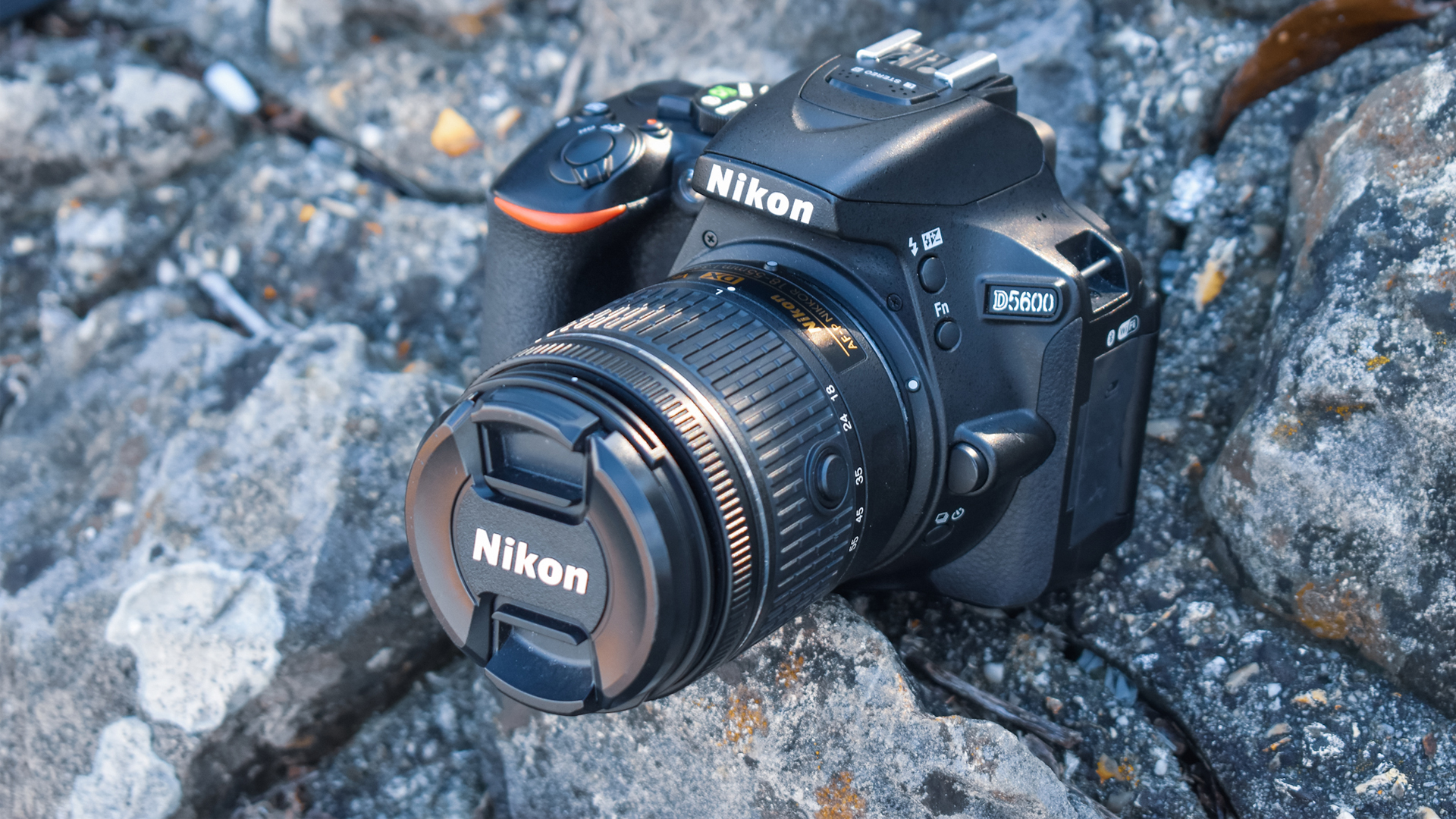
If you're looking for a camera to take on the go, the Nikon D5600 is a portable and affordable DSLR.(Image credit: Future)
A versatile DSLR suitable for taking on your travels and won't empty your bank account
Specifications
Type: DSLR
Sensor: APS-C
Megapixels: 24.2
Lens mount: F-mount
ISO Range: 100 - 25,600
Stabilization: None
Reasons to buy
Small, compact design
Vari angle touchscreen
Reasons to avoid
-
Integrated SnapBridge unreliable
-
Button layout quite simplistic
Buy it if
✅ You want to shoot selfies or video content: The 360-degree rotating touchscreen makes it super easy to frame your shot.
✅ You want something portable: For a DSLR camera, this one is very compact and lightweight, so it's ideal for traveling.
Don't buy it if:
❌ You want to shoot top-quality video: One feature this camera lacks is 4K video.
The bottom line
🔎 Nikon D5600: An entry- to mid-range DSLR camera that's light in the hand and has a 360-degree rotating touchscreen for framing selfies and video content. The only thing lacking is 4K video. ★★★★
As an APS-C crop sensor DSLR sitting between the D3400 and D7500, you'd be forgiven for thinking it's just another gap-filling camera. Instead, it's one of the only DSLRs Nikon makes that has a vari-angle screen.
By unfolding and rotating 360 degrees, it's helpful when shooting selfies, filming vlog style or composing in awkward shooting positions. Its 3.2-inch screen is touch sensitive too, which makes it easy to operate and access quick menus. In our Nikon D5600 review, we found that the resolution, picture quality and sharpness of the image on the touchscreen is excellent at all angles, even in bright sunlight.
A better resolution count than its bigger brother, the D7500, it doesn't capture 4K video, but it does shoot Full HD at a smooth 60FPS. It also has an HDMI output and a 3.5mm audio input for external microphones, again making it ideal for vlogging on a budget.
- Read our Nikon D5600 review
Swipe to scroll horizontally
Test results
| Attributes | Notes |
|---|---|
| Design | Compact and lightweight, but sturdy |
| Functionality | 360-degree rotating touchscreen |
| Performance | Good detail and color rendition |
Best for beginners
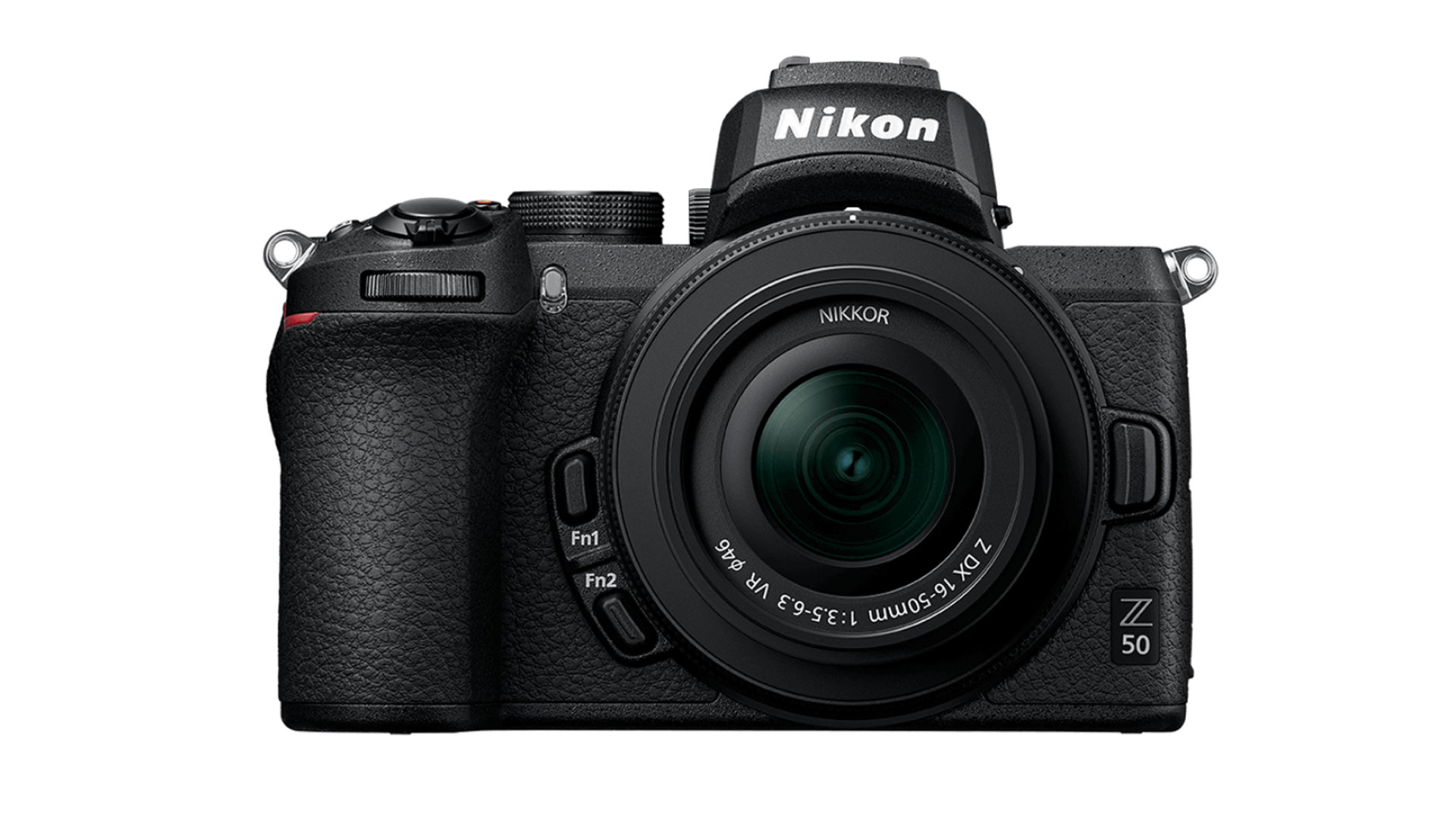
The Nikon Z50 is a well-priced mirrorless camera suitable for beginners.(Image credit: Nikon)
Nikon Z50
This crop sensor mirrorless body comes with everything a beginner could ask for
Specifications
Type: Mirrorless
Sensor: APS-C
Megapixels: 20.9
Lens mount: Z-mount
ISO Range: 100 - 51,200 (expanded to 204,800)
Stabilization: None
Reasons to buy
Well priced for mirrorless
Can use Nikon Z lenses
Reasons to avoid
-
Crop sensor (not full-frame)
-
A limited selection of DX mirrorless lenses available
Buy it if
✅ You're a beginner: This makes a great all-rounder beginner camera with effective autofocus, 4K video and creative in-camera effects.
✅ You want to shoot sport or wildlife: The speedy 11FPS burst shooting on this camera works well for these purposes.
Don't buy it if:
❌ You want to use a wide array of lenses: There are only three dedicated DX lenses available for this camera so you may find yourself a bit limited.
The bottom line
🔎 Nikon Z50: A crop sensor mirrorless camera that covers all the bases needed in a beginner camera with good autofocus, 4K video and 11FPS burst shooting. ★★★½
As Nikon's first APS-C mirrorless body the Nikon Z50 had quite a bit of ground to cover in terms of Nikon's step into the mirrorless market. Coming in with 20.9MP stills resolution and 4K30p UHD video recording capability, it's a good all-rounder for beginners and those new to photography.
Its hybrid autofocusing system covers 90% of the frame and works great for low-light shooting since it can autofocus down to -4EV. It captures up to 11FPS on continuous burst mode for speedy snapping of sports and wildlife, and when paired with an appropriate telephoto lens its 1.5x crop gives a longer effective focal length for getting in close to the action.
There are 20 creative effects in-camera — with an intensity slider to adjust the strength — perfect for adding your own style whether shooting stills or video. While it's compatible with Nikon's Z-mount lenses, only three dedicated DX lenses are available at the time of writing, so keep that in mind when purchasing.
- Check out all the Best beginner cameras
Swipe to scroll horizontally
Test results
| Attributes | Notes |
|---|---|
| Design | 20.9MP crop sensor mirrorless camera |
| Functionality | 4K video and 11FPS burst shooting |
| Performance | Good autofocus and low-light shooting |
Best zoom range
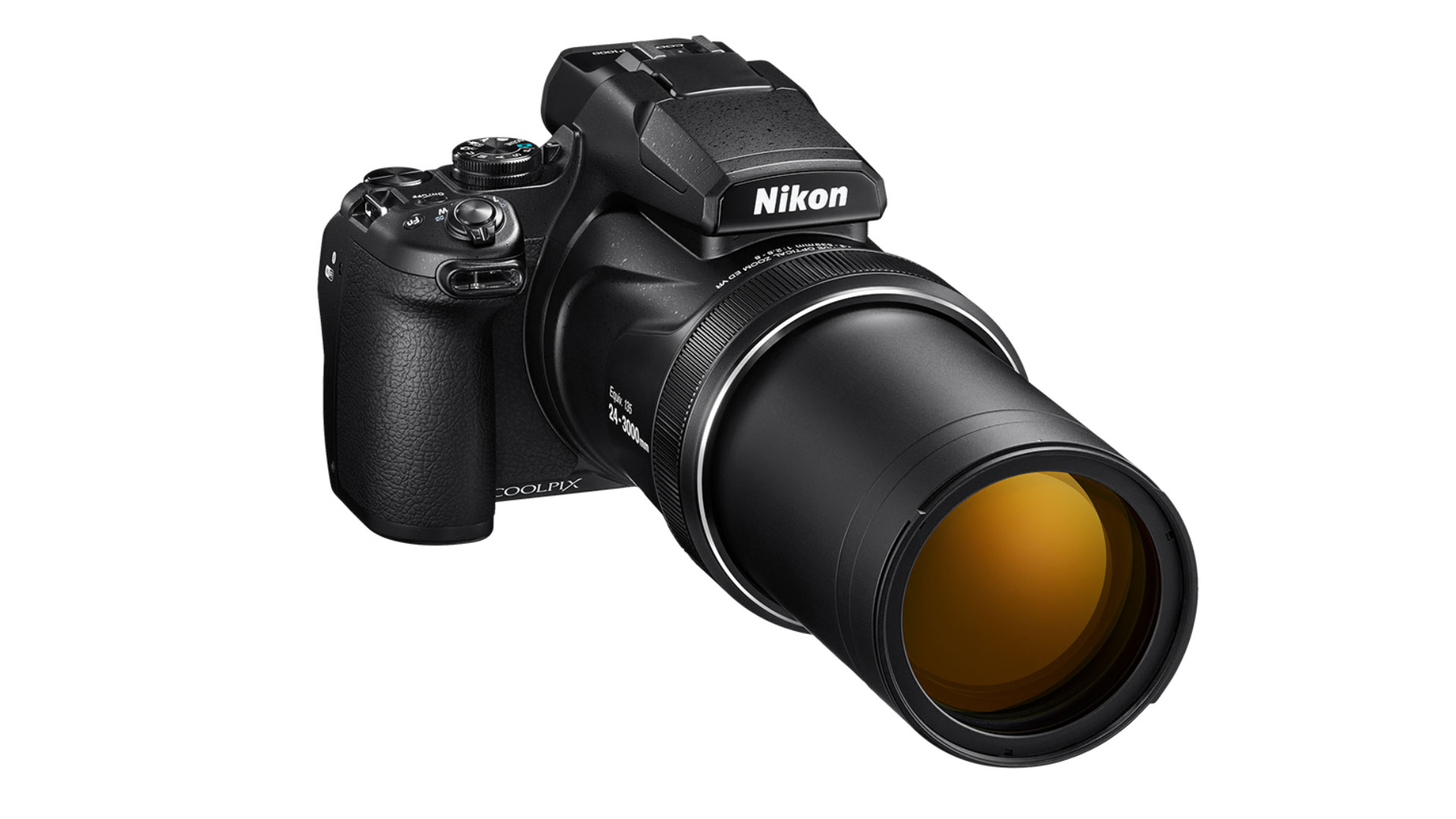
Astrophotography fans, look no further than the Nikon Coolpix P1000, with its 125x optical zoom perfect for lunar photography.(Image credit: Nikon)
Nikon Coolpix P1000
A huge zoom range makes the Coolpix P1000 legendary and perfect for lunar photography
Specifications
Type: Compact
Sensor: 1/2.3-in CMOS
Megapixels: 16
Lens mount: N/A
ISO Range: 100 - 6400
Stabilization: 5 stops
Reasons to buy
Incredible zoom range
Five stops of image stabilization
Reasons to avoid
-
Expensive for a compact camera
-
ISO range limited
Buy it if
✅ You want to shoot photos of the moon: The incredible 125x optical zoom on this camera means you can do so from your own backyard.
✅ You want a capable compact camera: With 16MP stills captured in JPEG and Raw alongside 4K video, this one will have you covered.
Don't buy it if:
❌ You need a high ISO range: It can't compete with mirrorless and DSLR bodies in this area and is limited to 6400.
The bottom line
🔎 Nikon Coolpix P1000: A highly capable compact camera offering 16MP stills, 4K video and an unbelievably large 125x optical zoom, but the ISO range is limited to 6400. ★★★½
The Nikon Coolpix P1000 bridge camera has a phenomenal 125x optical zoom which Nikon reports as the world's biggest zoom range. Its effective focal length is 24mm up to 3000mm telephoto. That means taking photos of the craters on the moon is entirely doable from your backyard.
The camera also features Dual Detect Optical Vibration Reduction stabilization system, which offers up to five stops of steadying, perfect for reducing camera shake when using that incredible zoom. For a compact, it's filled with detail by shooting 16MP stills and 4K UHD video for photographers that want to dabble in both media.
It has a large 3.2-inch vari-angle screen and an electronic viewfinder with 2.359 dots of detail. It shoots both JPEG and Raw file formats for flexible image editing, and while its ISO range is a little limited compared with DSLR and mirrorless bodies, its maximum of 6400 should be more than enough for most situations.
- Check out all the Best cameras for astrophotography
Swipe to scroll horizontally
Test results
| Attributes | Notes |
|---|---|
| Design | Compact camera with 125x optical zoom |
| Functionality | 16MP JPEG and Raw and 4K video |
| Performance | Can capture the craters of the moon |
| Row 3 - Cell 0 | Row 3 - Cell 1 |
The best Nikon cameras: What to look for
There are many things to consider when purchasing a Nikon camera. First off, whether you need the option for interchangeable lenses, as their compact cameras have sharp, versatile fixed lenses that offer a wide zoom range for any occasion.
However, F-mount DSLRs contain a huge lens heritage, compatible with almost any model, whether you want a classic film lens or the latest and greatest telezoom with all the bells and whistles. Z-mount mirrorless lenses are sharper still and can combine Vibration Reduction technology (should they have it) with in-body stabilization for ultra-smooth stills and video performance, all while keeping a smaller form factor.
It's best to consider your budget range first, then look at the key specification differences between models in this price bracket. Decide whether you will keep your camera with you at all times, day-to-day and whilst traveling. In this case, look for something lightweight and compact. If you need the very best performance from your camera for professional work, focus on the features, resolution and autofocus instead of form-factor.
Update log
Editor's Note 6/27/25: Updated introduction with Amazon Prime Day details and astronomical events for July.
How we test the best Nikon cameras
To guarantee you're getting honest, up-to-date recommendations on the best Nikon cameras to buy here at Space.com, we review every camera thoroughly to test each product fully. Each camera is reviewed based on many aspects, from its construction and design, to how well it functions as an optical instrument and its performance in the field.
Each camera is carefully tested by either our expert staff or knowledgeable freelance contributors who know their subject areas in depth. This ensures fair reviewing is backed by personal, hands-on experience with each camera and is judged based on its price point, class and destined use. For example, comparing a 60MP full-frame mirrorless camera to a sleek little crop-sensor DSLR wouldn't be appropriate, though each camera might be the best-performing product in its class.
We look at how easy each camera is to operate, whether it contains the latest up-to-date imaging technology, whether the cameras can shoot high-quality stills photos and high-resolution video, and also suggest if a particular camera would benefit from any additional kit to give you the best viewing experience possible.
With complete editorial independence, Space.com are here to ensure you get the best buying advice on cameras, whether you should purchase an instrument or not, making our buying guides and reviews reliable and transparent.
Breaking space news, the latest updates on rocket launches, skywatching events and more!
Jase Parnell-Brookes is the Managing Editor for e-commerce for Space and Live Science. Previously the Channel Editor for Cameras and Skywatching at Space, Jase has been an editor and contributing expert across a wide range of publications since 2010. Based in the UK, they are also an award-winning photographer and educator winning the Gold Prize award in the Nikon Photo Contest 2018/19 and named Digital Photographer of the Year in 2014. After completing their Masters degree in 2011 and qualifying as a teacher in 2012, Jase has spent the last two decades studying and working in photography and publishing in multiple areas, and specializes in low light optics and camera systems.