Best VR space experiences (original) (raw)
(Image credit: OCULUS VR, LLC.)
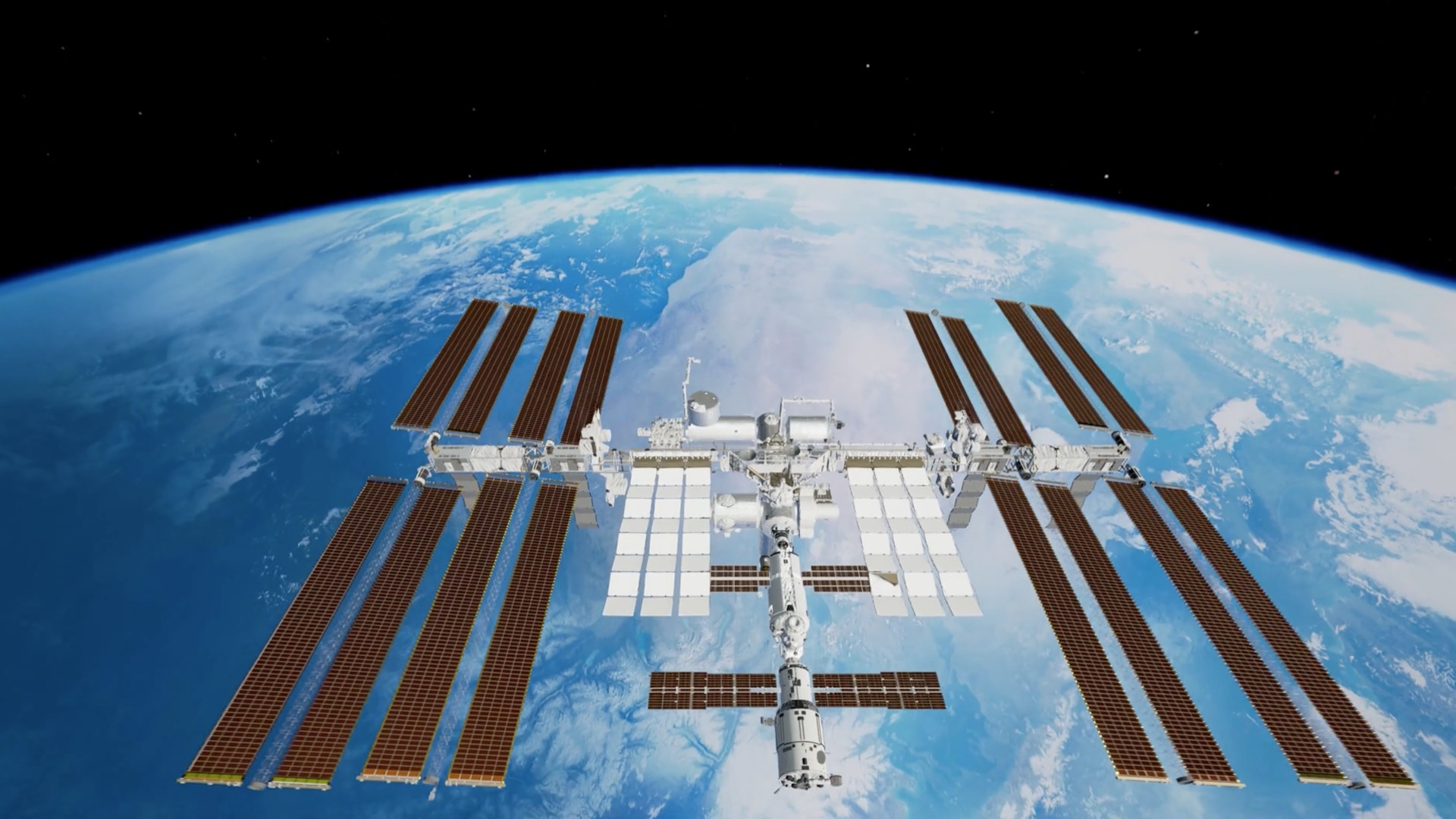
VR headsets aren't just for video games. These are the best VR experiences that let you travel to outer space without leaving the comfort of your home.
Most of us would love to travel the cosmos, explore the ISS, or at the very least, float around in outer space for a bit. Right now, that’s out of most people’s reach, but some VR space experiences are the next best thing.
We know what you're thinking right now: Isn't VR tech used mainly for video games? Well, you'd think so, but scientists and developers have worked hard to create more educational (and easy-to-approach) experiences that are less about gaming and more about exploring the wonder that's just beyond Earth.
That said, some of the VR experiences we've chosen for this list could be considered 'lightweight' video games too. Quite often, the line that separates both types of space-bound adventures is thin and blurry, so we figured we shouldn't be too strict about this matter and instead focus on the attractiveness of the best VR experiences. Of course, you can enjoy them with the best VR headsets that money can buy right now and the best VR headset deals but pay attention to each experience’s availability and requirements first.
1. Space Explorers: The ISS Experience
Space Explorers: The ISS Experience
(Image credit: OCULUS VR, LLC)
1. Space Explorers: The ISS Experience
Specifications
Headsets: Meta Quest 2, 3 and pro
Price: $2.99 for each of 4 episodes (via Oculus Store)
Reasons to buy
A more personal look inside the ISS
Tight miniseries format
Reasons to avoid
-
Space visuals could be better
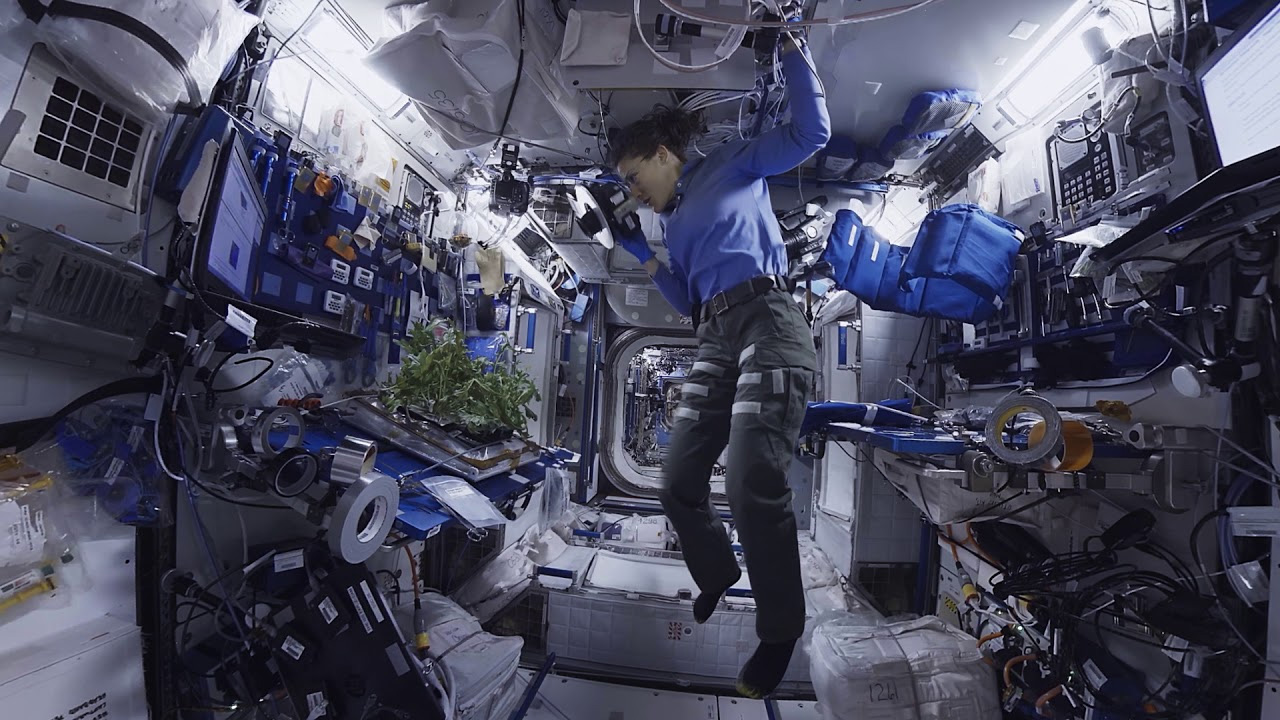
One the best VR space experiences, Space Explorers: The ISS Experience, was filmed aboard the International Space Station, over the course of two years. Exclusive to the Oculus Quest, it's a fascinating look at life aboard the station and it offers some insights you're unlikely to find elsewhere.
It is largely non-interactive; you're limited to jumping back and forth through each mini documentary's timeline. But Space Explorers: The ISS Experienceis well worth your time, not just because of how astonishing it feels to "be" on the ISS (even if you can't freely explore), but also because it happily delves into the mundane.
Yes, there are interviews and so forth, and the final episode is set to contain a spacewalk. But the quieter moments are just as vital; a crew member's sorrow over her comrades' imminent departure is framed by an extended scene of them all dining together. And, thanks to the VR close-ups, it feels like you're right there with them; I had the urge to grab a can of tuna as it drifted by.
Two years of footage has, naturally, been edited down, but it still has an air of honesty and if you've the slightest interest in the ISS, it's a must-see.
Mission: ISS
(Image credit: Oculus / Magnopus)
Mission: ISS
Specifications
Headsets: Meta Quest 2, 3, 3S and Pro
Price: Free (via Oculus Store)
Reasons to buy
Completely free
Good amount of freedom
Reasons to avoid
-
Space visuals could be better
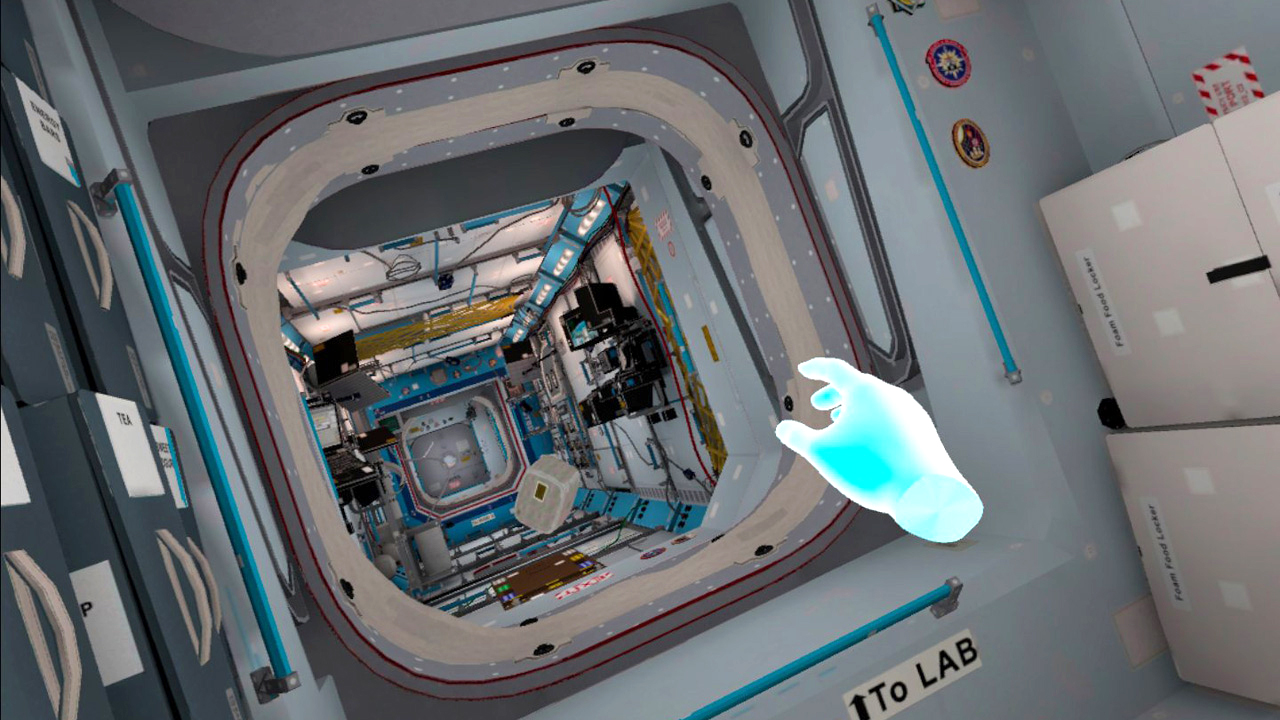
Ever wanted to roam around the International Space Station? Mission: ISS lets you do just that and the freedom it bestows upon you is really something. You can "cheat" and navigate the ISS using the controller's joystick, but pushing yourself along using the various wall-mounted bars makes for a more authentic, if slightly chaotic outing.
Mission: ISS's attention to detail is real a joy; you can't go around just flipping switches, but chances are you'll spend ages poring over buttons, reading labels and batting ketchup bottles about. You get to play with the ISS's docking arm, but if you'd prefer a truly harrowing experience, spacewalking is where it's at.
The stars are quite clearly textures but once you're out there, it still feels disquietingly real. In your head, the only thing keeping you in the vicinity of the ISS is a few metal hand-grips and your SAFER pack. And this is all from a free game, with not an in-app purchase in sight; short of drifting off into the void, you really can't go wrong.
Spheres
(Image credit: Oculus / Novelab)
Spheres
Specifications
Headset: Meta Quest 2, 3, 3S and Pro
Price: $9.99
Reasons to buy
A deeper, more artistic experience
Great music
Strong narration
Reasons to avoid
-
No exploration of any kind
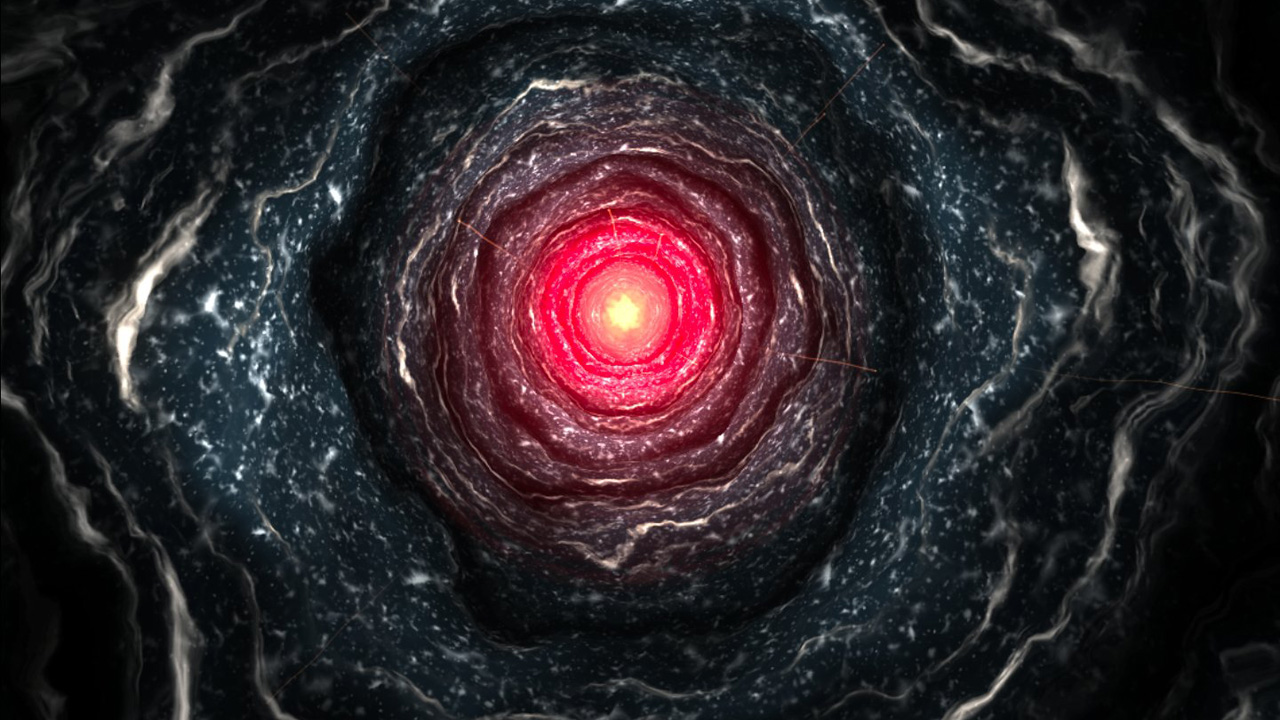
Spheres is not so much a scientifically accurate exploration of space as it is a semi-interactive art piece. It's split into three ten-minute chunks, narrated by Millie Bobby Brown, Jessica Chastain and Patti Smith. Their presence, compared to regular voice actors, doesn't elevate Spheres, but, for the most part, the narration (and writing) comes across as sincere, only once edging into near-parody.
The voice-overs serve to set the scene, but it's the stunning visuals and subdued but haunting soundtrack that make Spheres such a memorable meditation on the cosmos. All three chapters, Chorus of the Cosmos, Songs of Spacetime and Pale Blue Dot, are excellent, but Songs of Spacetime is worth the asking price alone.
Writer Eliza McNitt's interpretation of a black hole is breathtaking enough, but Spheres briefly puts you in control of this galactic sinkhole, letting you reach out to slowly devour a doomed sun. Then, just when you've seen the most Spheres has to offer, it takes things to a whole other level, but it wouldn't be fair to spoil the surprise.
Discovering Space 2
(Image credit: Oculus / DiscoveringVR)
Discovering Space 2
Specifications
headsets: Valve Index, HTC Vive, Meta Quest
Price: $9.99
Reasons to buy
Sci-fi-themed rollercoaster ride
Control over exploration and pacing
Reasons to avoid
-
Issues with some VR headsets
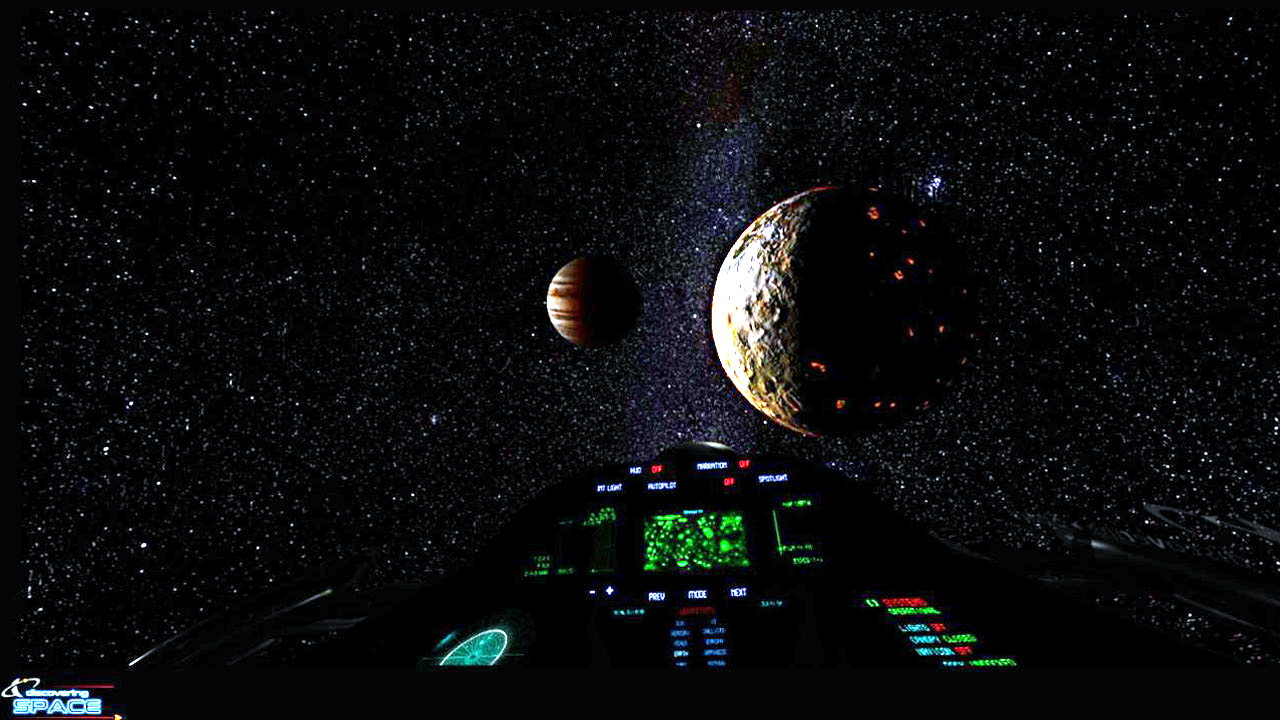
The bad news is Discovering Space 2, which sees you soaring around the Solar System in a sci-fi ship, sometimes resembles a theme park ride rather than a real space voyage. The good news is it feels like the kind of cutting-edge computer-assisted ride you'd have to wait two years to get tickets for.
You can follow one of several guided tours or just explore the Solar System at will. The latter is where Discovering Space 2 comes into its own because it manages to convey the vastness of the distance between planets. Yes, you can throttle up and travel at currently unattainable speeds if you want to reach Mars in minutes. But just pointing yourself at a planet and being informed it'll take 79 days to reach is hugely sobering as you gaze at the blackness through your cockpit.
The icing on the cake is you can fly down to each planet (there's an optional autopilot) and while their surface textures are fairly low resolution, it's a welcome addition. Once you get used to the fact that a few planets, the Earth in particular, don't quite sell their size, Discovering Space 2 is a worthy exploration.
SpaceEngine
(Image credit: Steam / Vladimir Romanyuk)
SpaceEngine
Specifications
Headsets: Valve Index, HTC Vive, Meta Quest
Price: $29.99
Reasons to buy
Incredible amount of possibilities and attention to detail
Mod support
Reasons to avoid
-
Awkward VR interface
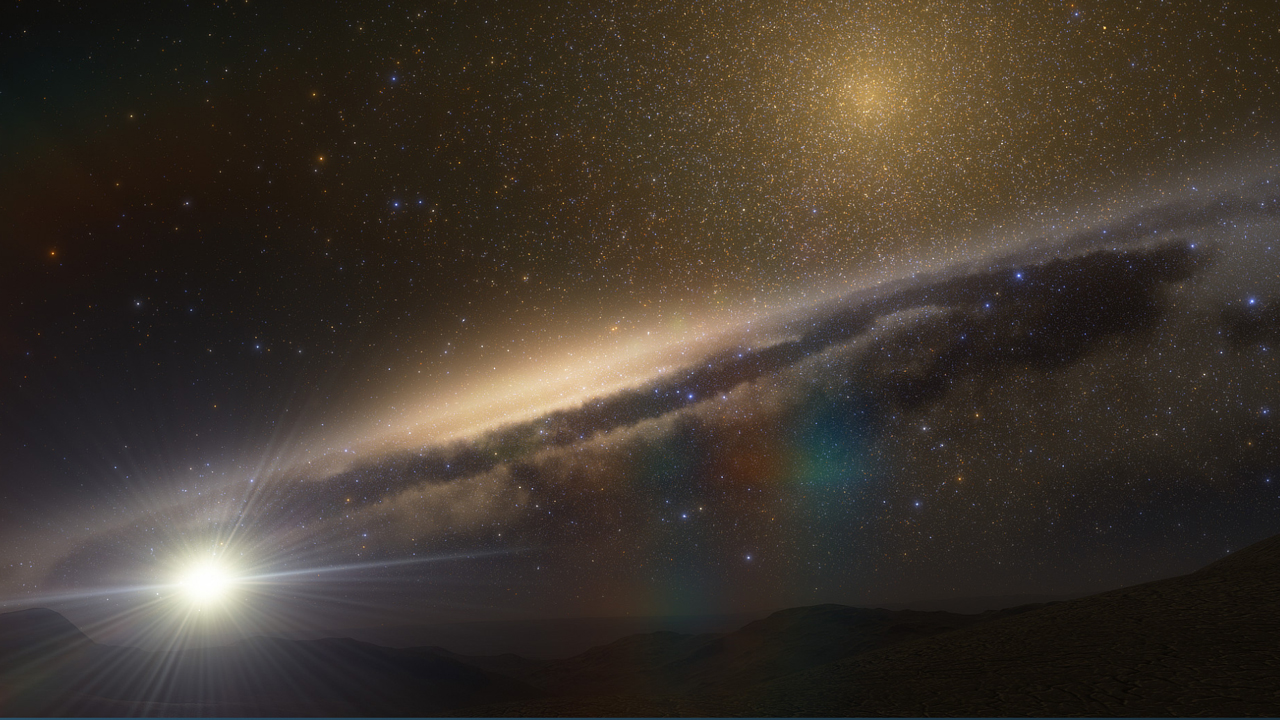
SpaceEngine is a vast interactive planetarium where the sky definitely isn't the limit. It's an impressive experience, more so when you strap on a VR headset and find yourself surrounded by the stars. You can explore Earth's planetary neighbours or select a distant system and, in a matter of seconds, be standing (or floating) in unfamiliar space. Half of the fun of playing SpaceEngine is clicking away at stars, not knowing what you're going to discover when it takes you there.
It does incorporate actual astronomical data, so you can soar off to Trappist-1 or any number of known systems. Some systems and planets are procedurally generated and are labeled as such; the more you explore the uncharted regions of space, the more SpaceEngine has to give you its best guess or make something up entirely.
However, as immersive as SpaceEngine is, the VR interface is pretty clunky. For example, if you want to enter the name of a system, you need to lift the visor and use the keyboard.
Universe Sandbox

(Image credit: Giant Army State)
Universe Sandbox
Specifications
Headset: HTC Vive, Valve Index, Meta Quest
Price: $29.99
Reasons to buy
Control over the entire universe,
Impressive physics-based simulations
Reasons to avoid
-
It can be confusing at first
Universe Sandbox is less a planetarium and more an opportunity for you to perform your own experiments on an unsuspecting system. These experiments range from the low-key (if potentially prophetic) - raising Earth's temperature a few degrees - to the malevolent – dropping the blue supergiant Rigel into the Solar System and watching everything fall apart.
However, donning a compatible VR headset takes Universe Sandbox's stellar shenanigans to a sublime new level. Zoom into Earth and it'll float so close you'll swear you could grab it. Launch the Moon towards our precious planet and watch awestruck as the annihilation unfolds before your eyes. Planetary events that are striking when viewed on a monitor become absolutely spectacular when witnessed in VR and, unlike SpaceEngine, the VR controls are entirely intuitive.
Is Universe Sandbox accurate? Creators Giant Army state they "strive to keep the results as realistic as possible", though they admit it doesn't take account of relativity. So we wouldn't recommend you use it to support your dissertation, but if you've ever contemplated our solar system and thought "What if?", Universe Sandbox will give you hours of planet-meddling joy.
Apollo 11 VR HD
(Image credit: Immersive VR Education Ltd.)
Apollo 11 VR HD
Specifications
Headset: Oculus Rift, HTC Vive, Windows MR
Price: $9.99
Reasons to buy
VR-less support
Detailed rendition of mankind’s greatest achievement
Reasons to avoid
-
Issues with some VR headsets
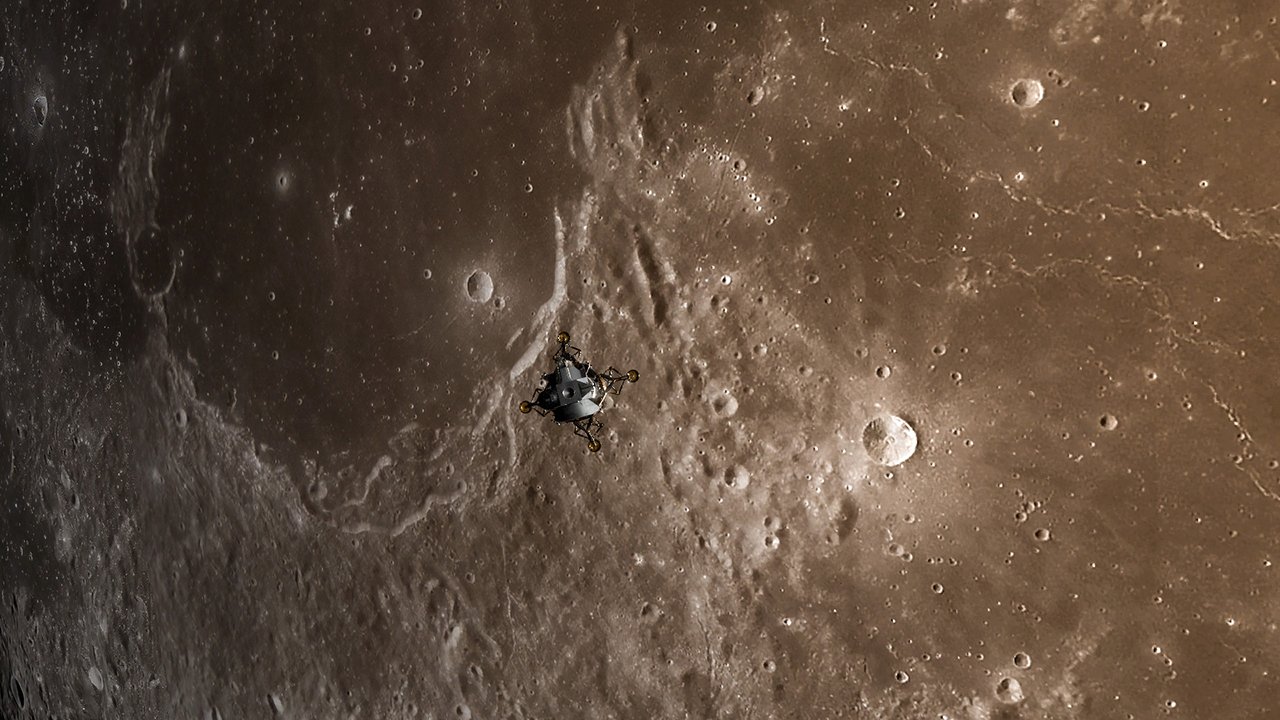
Apollo 11 VR HD explores the legendary trip to the Moon, complete with a full mix of "original archive audio and video" added to the recreation of the famous spacecraft and other locations. It's both educational and simply awe-inspiring. Moreover, a VR headset isn't strictly required, as you can boot up the experience on your monitor.
Inside Apollo 11 VR HD, users can take control of the command module to dock with the lunar module, land the latter on the Moon's surface, and explore the actual landing site. More importantly, it's an experience that doesn't rush users to the next step in most scenarios and lets you absorb the views at your own pace.
Another handy option that makes it a highlight on this list is that you can entirely skip the "game elements" and just sit back and go through it as an experience. There's also the possibility to "pick and choose" the specific sections you want to relive if there's someone at your place and you want to show them one chunk of the journey.
Starship Home

(Image credit: Creature)
Starship Home
Specifications
Headset: Meta Quest 3, 3S
Price: $19.99
Reasons to buy
Colorful visuals
Creative premise
Great showcase of mixed reality
Reasons to avoid
-
Not a good fit for those looking for realistic space trips
Starship Home is perhaps the big off-beat pick on this list. We pushed realism aside for a moment and went after something the entire family could enjoy and feel charmed by. This experience/game is actually a cartoony mix of gardening and ship management that's played in mixed reality instead of straightforward VR.
This translates into turning a living room into a colorful spaceship full of strange little items and views of outer space. You need to travel to alien worlds and recover plants that have been infected by the Blight, all while maintaining a ship that's essentially layered on top of the room of your choice. While this won't click with every space enthusiast, we strongly believe it's a cute experience that makes great use of fresh technology and sends you to outer space in an unexpected way.
Home – A VR Spacewalk
(Image credit: BBC Media Applications Technologies)
Home – A VR Spacewalk
Specifications
Headsets: Meta Quest, HTC Vive
Price: free
Reasons to buy
Truly immersive and well-presented
Short but intense
Reasons to avoid
-
Major stability issues
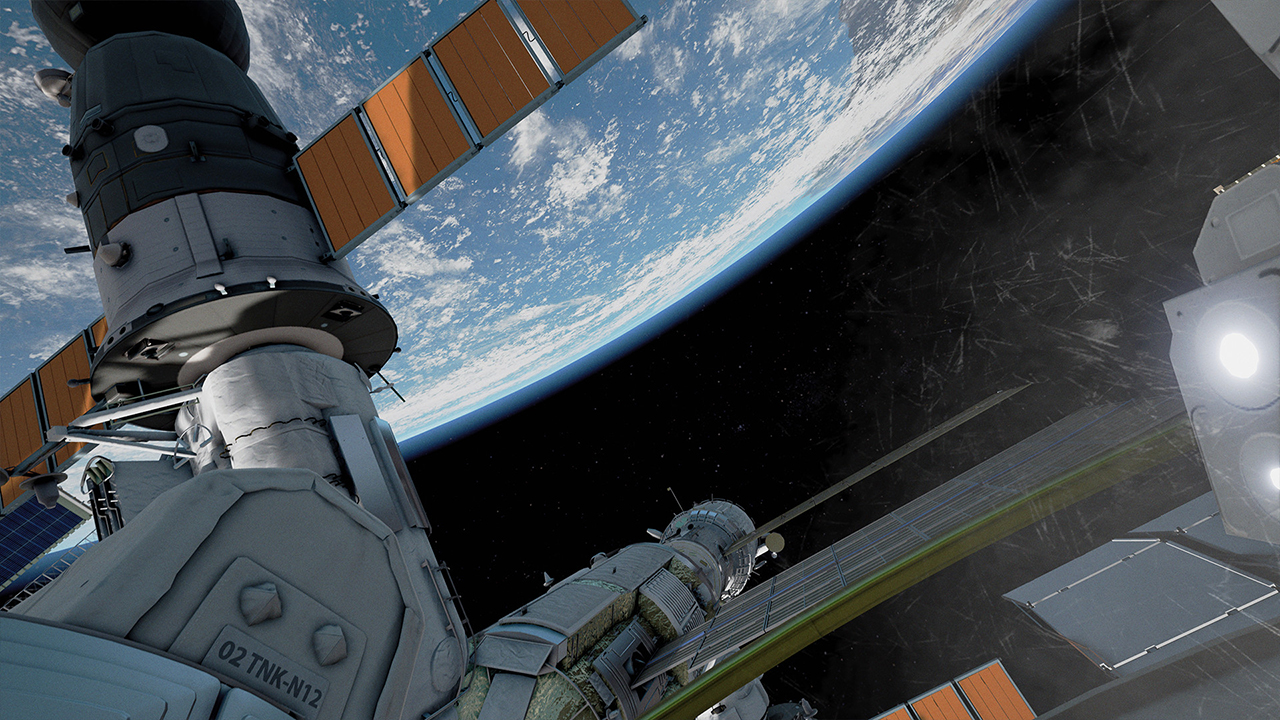
Home doesn't run for longer than 20-ish minutes, but it's a stunning recreation of a spacewalk that was "inspired by NASA's training program" and focuses on the more emotional side of floating above Earth.
The production values are quite high in this one, making up for the lack of length with some really wonderful vistas and intricate details versus other games and experiences that maybe go for quantity over quality. It's also an easy recommendation for people who are looking for a quick and free way to test their new VR headsets.
The main issue, at least right now, is that Home remains unstable and prone to crashing, but it's well worth trying out regardless. If you can get it to work perfectly, you'll find that VR spacewalks don't get much better.
Reentry – A Space Flight Simulator
(Image credit: Lyra Creative)
Reentry – A Space Flight Simulator
Specifications
Headsets: HTC Vive
Price: $29.99
Reasons to buy
In-depth simulation, several NASA space programs
VR not required
Reasons to avoid
-
VR support isn't finished yet, currently in early access
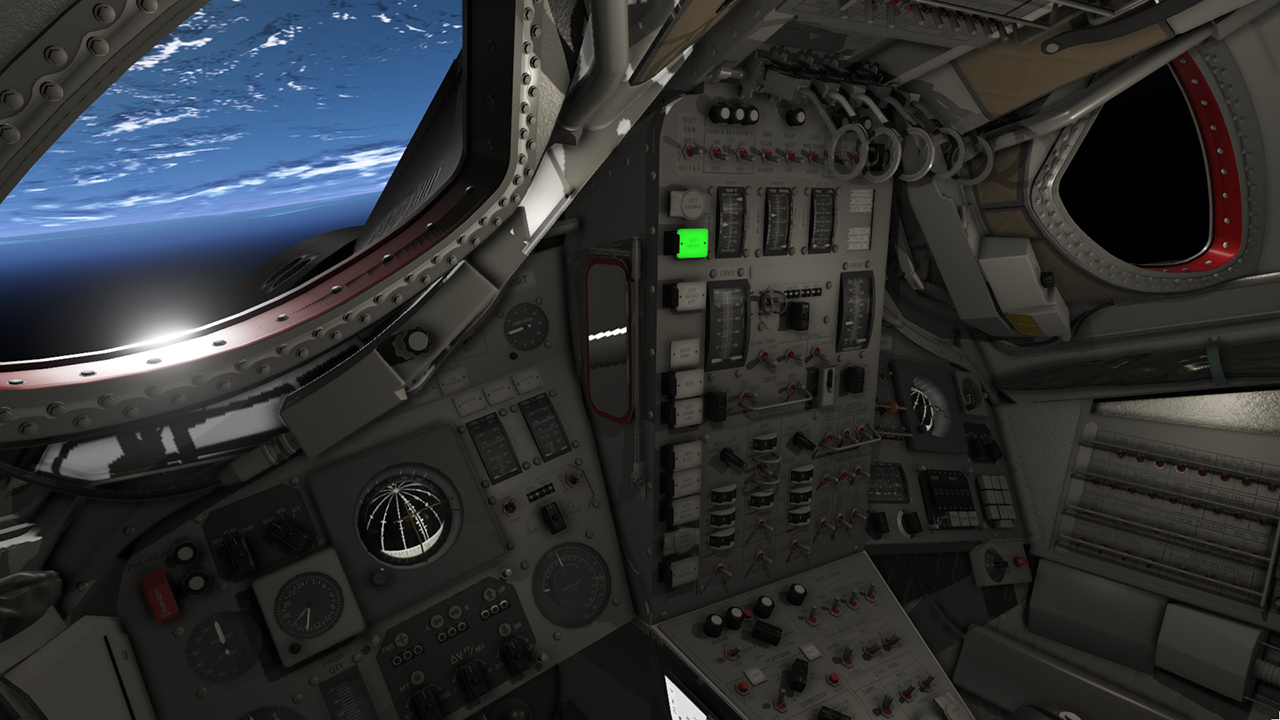
Reentry is currently in early access, but that doesn't prevent it from being one of the most mind-blowing VR space experiences/games around. You get to plays as a new astronaut and complete a series of intense missions based on a variety of NASA space programs. On top of those, there are fictional ones designed specifically for this game too.
The central premise is that "spacecrafts are highly complicated machines," which means you'll be doing a lot of reading before even learning how to press the right buttons. It's not just about flying them, and believe us when we say this experience goes deep into the complexities of such vehicles.
While it'll be a near-perfect VR space experience once development is finished, we must underline that, right now, VR support is limited and in-development, since the software was released originally as a regular first-person game. There's also talk of bringing modding support and a level editor into the game; Lyra Creative is aiming for the stars for sure.
PULSAR: Lost Colony
(Image credit: Leafy Games)
11. PULSAR: Lost Colony
Specifications
Headsets: Meta Quest, HTC Vive
Price: $19.99
Reasons to buy
Randomized galaxy
Online co-op
VR not required
Reasons to avoid
-
The visual presentation can be a bit uneven
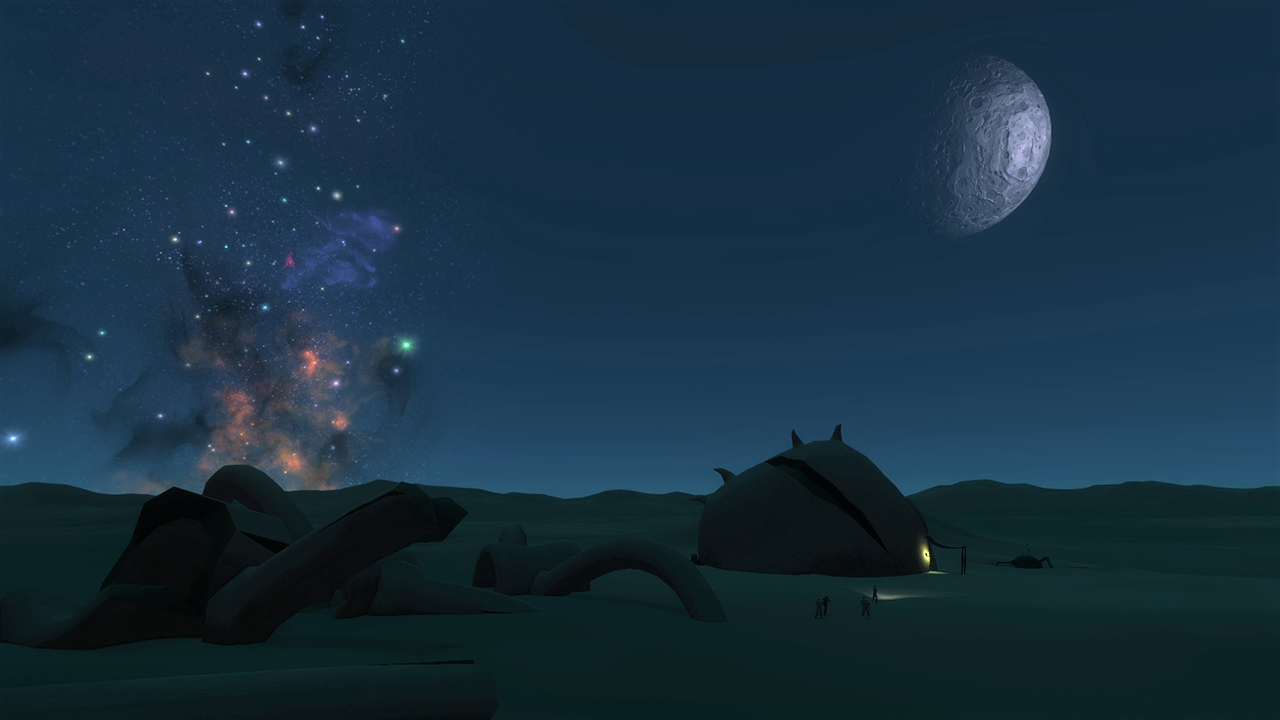
PULSAR is a big space exploration game that lets players (over online co-op) form a crew and pilot and take care of a ship across a randomized galaxy while also teleporting to other ships, planets, and stations. It also supports single-player and VR-less support. If you're searching for a Star Trek-like space odyssey full of surprises, look no further!
There's also a 'role system' in the game that includes classes: Captain, Pilot, Scientist, Weapons Specialist, and Engineer. Needless to say, each crew member will need to pay attention to their area of expertise and "control the various stations" of the ship. It's not just a straightforward adventure through outer space and alien planets, but also a deep simulation game that feels equal parts welcoming and deep. Since you can go through the procedurally generated content at your own pace, we've decided to include it as part of this VR space experiences list too.
Chris is a freelance journalist who, aside from covering games and gaming-related tech, has a taste for horror, sci-fi and the post-apocalyptic. As well as Space.com, you can find his work at The Escapist, GameSpew (where he’s the morning news writer) and more. You can follow him on Twitter @MarmaladeBus.