Camera deals 2026: Save big on snapping with these amazing offers (original) (raw)

(Image credit: Getty Images)
You can spend hundreds, thousands and even tens of thousands on cameras. That's why saving money is extra important; it can make all the difference when it comes to buying your first camera or upgrading your gear.
We've rounded up the best deals on cameras, just what you need to make your money go further. It doesn't matter whether you're a beginner or a pro, we've got a deal for you. Our experts have picked through a host of reputable retailers to bring you the best and, most importantly, genuine deals.
If you don't find what you're looking for, take a look at our guides to the best cameras for astrophotography or beginner-friendly cameras. We also update this page regularly with the latest offers, so keep checking in for new deals.
Today's best deals 2026
- Amazon camera deals: Nikon, Sony, & Fujifilm, and more
- Cameras and lenses at B&H Photo
- Save over $200 on cameras at Walmart
- Huge savings on cameras at Adorama
Buying advice
(Image credit: Getty Images)
When it comes to choosing the best camera deal, a lot will depend on your budget and the amount of astro imaging you'll be doing. Leaving the shutter open on an off-the-shelf camera with a fast lens attached will give you a view of the night sky that doesn't necessarily look anything like what you saw with the naked eye, and that'll be enough for some.
If you have more patience though, then taking multiple monochrome images of deep space objects through colored filters, tracking it through the night sky and putting the images back together with specialist software can produce stunning images.
If you are looking for cameras for astrophotography, just what are the best models out there? The debate between DSLR vs mirrorless cameras used to be a fierce one but, the lighter, more portable cameras are proving ever popular over the old-school yet reliable DSLR models. While there are some that have been modified specifically for astro use, having the IR filter removed, you can get a dedicated astro camera to connect to your telescope, but it won't do you much good anywhere else.
We've decided to show you some of our favorite models on the market, including some that may not be on sale right now. There's something to suit every level of photographer and every budget, so there's a camera deal here for everyone - this section is always worth checking out.
Canon cameras
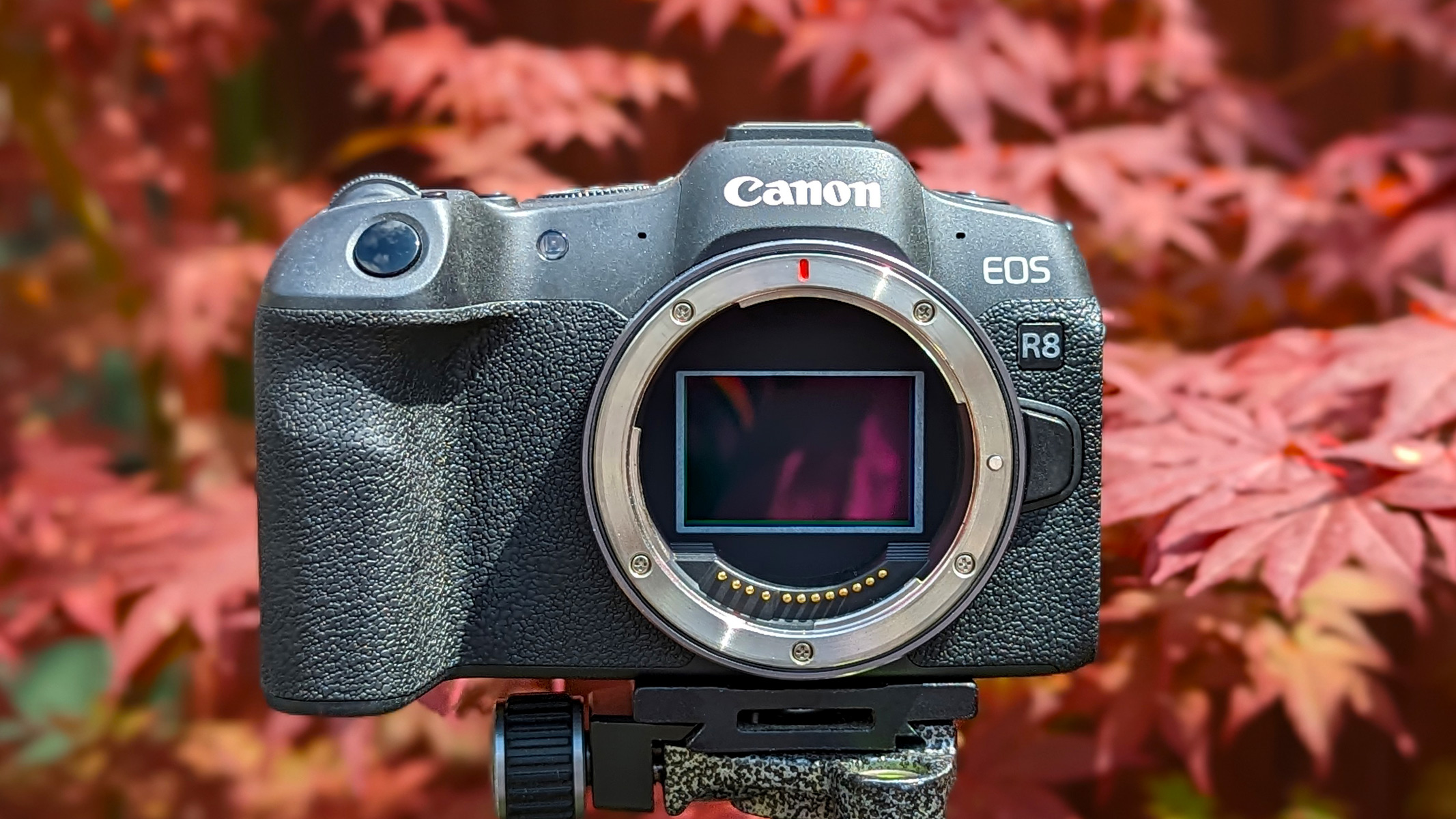
Canon EOS R8
(Image credit: Jason Parnell-Brookes)
Canon EOS R8
Best entry level Canon Camera
Sensor: 24.2MP full-frame | ISO range: 104-208,800 (extended) | Video: 4K UHD 60FPS
Slim, portable design
High ISO range for astro
Premium quality autofocus
Lightest full-frame Canon EOS
Battery life can be dissapointing
Awkward memory card slot
This is, in our opinion, the best entry-level Canon camera, hands down. It's a great option if you want a top Canon camera without having to take out a bank loan to do so, too.
If astrophotography is your priority then this is a top option too. The lack of in-body image stabilization shouldn't be too much of an issue and the field of view is a bonus too. It features top video specs, 4K at 60FPS, a 24.2MP full-frame sensor and a large ISO range that's extendable. With premium quality autofocus and a portable, lightweight design, it's a mirrorless camera that packs a punch and is ideal for taking with you, wherever you go.
If you want a more in-depth look at this camera, you should check out our Canon EOS R8 review.
Nikon cameras
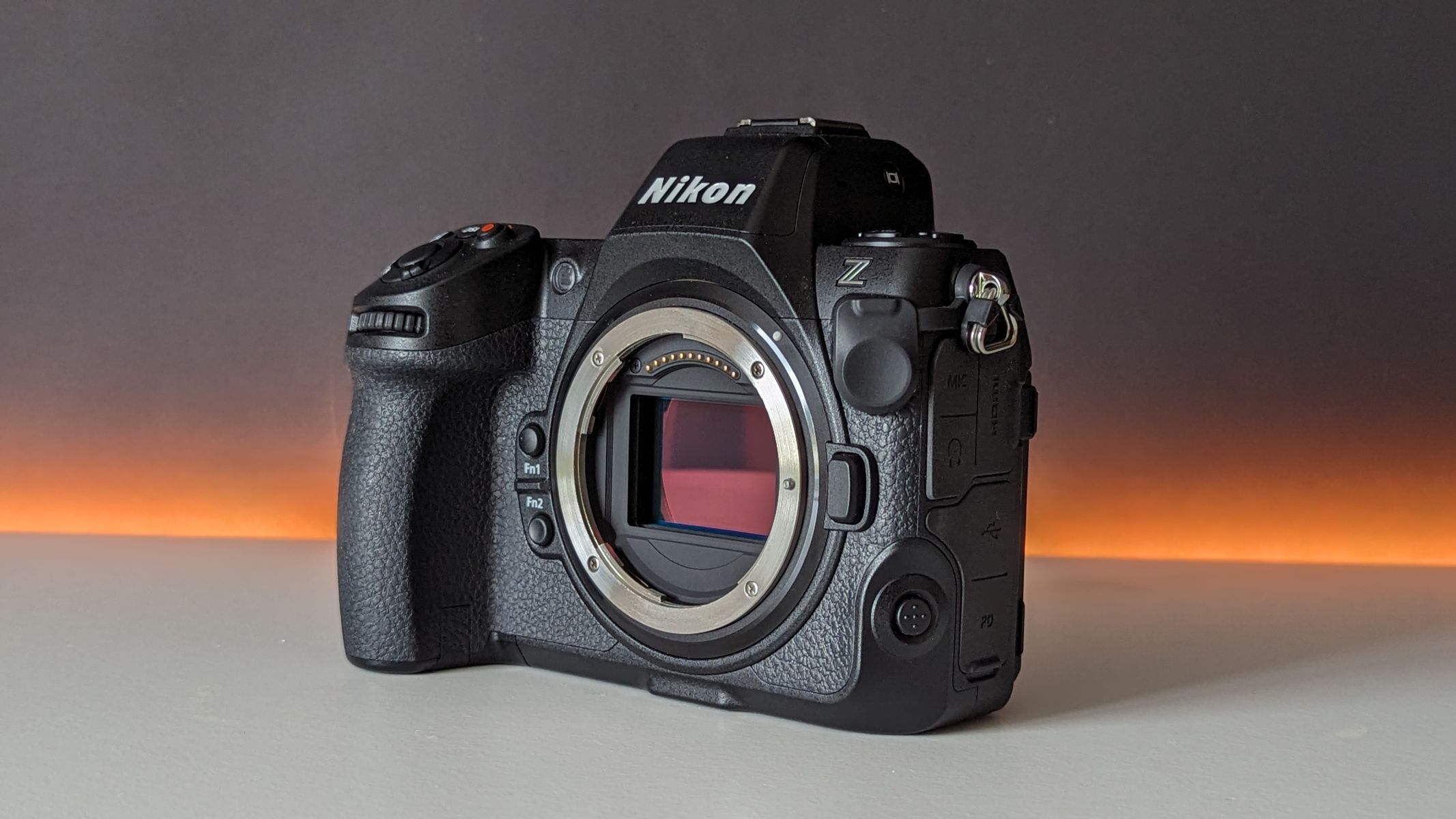
Nikon Z8
(Image credit: Jase Parnell-Brookes)
Nikon Z8
The best mirrorless camera for astrophotography
Sensor: 45.7MP full-frame | ISO range: 64-102,400 (expanded) | Video: 8K 60p, 12 bit
Extremely high FPS burst speed
Premium quality stills and video
Silent shooting and image noise handling
Pricey
A big size increase from the Z7 II
This is undoubtedly a camera best suited for professionals. If you're a beginner then the specs that the Nikon Z8 boasts are definitely overkill. Though if your budget stretches far enough, we'd still recommend it.
It features super-fast autofocus, a high FPS burst speed, it's sturdy and built like a tank, it also features a 45.7MP full-frame sensor, it has 8K video capabilities and a large ISO range.
We simply can't sing the praises of this camera loudly enough. It's expensive, and stretches beyond a lot of budgets. But hat's because it was designed with professionals in mind and the specs back that up. For a more in-depth look at this camera, check out our Nikon Z8 review.
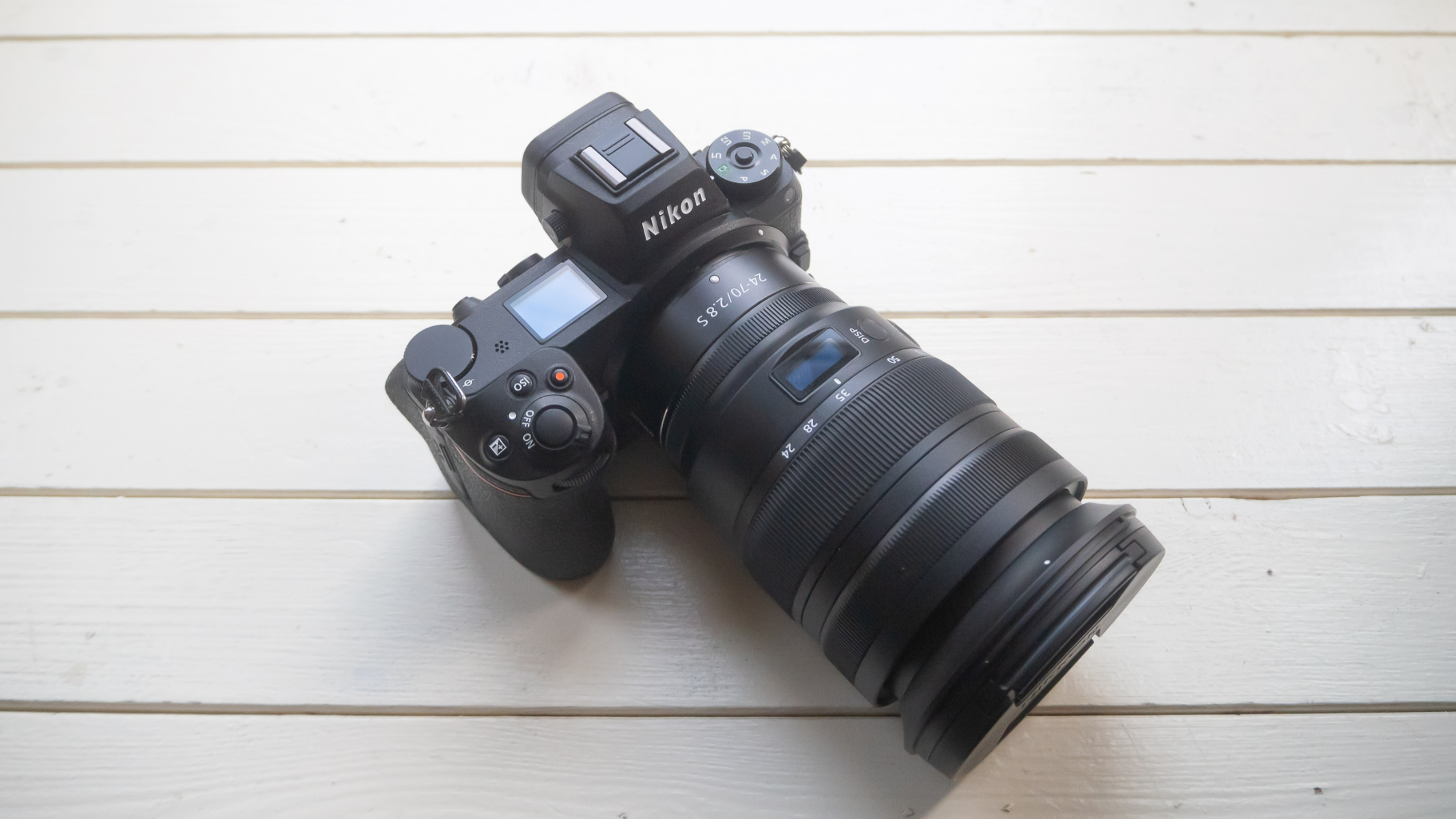
Nikon Z6 II
(Image credit: Jacob Little)
Nikon Z6 II
A top quality all-rounder
Sensor: 24.5MP CMOS BSI | AF points: 273 hybrid AF points | Video: 4K at 30/25/24p, 1080p at 120/100/60/50/30/25/24p
Two memory card slots
Superior AF performance
No articulating screen
4K 60p will be cropped
The Nikon Z6 II is a 24.5MP full-frame mirrorless camera and is popular among photographers for a few reasons, not least because of its photo and image shooting capabilities. 273 AF-points mean images are always in focus and high-ISO handling means low-light shooting is effective too. the Z6 II also has the ability to shoot continuously at 12FPS and take 4K videos, so it's an excellent all-rounder.
Nikon's Z mount is new to their mirrorless line, and while the Z-mount glass can set you back some money it’s also possible to use any of Nikon's F-mount lenses via an FTZ adapter. Nikon's Z cameras boast all the benefits mirrorless cameras have over DSLRs. That includes being light enough to attach to a telescope or star tracker easily. If you want to save a little money and are happy with a slightly older model, the original Nikon Z6 is still available for a bargain price.
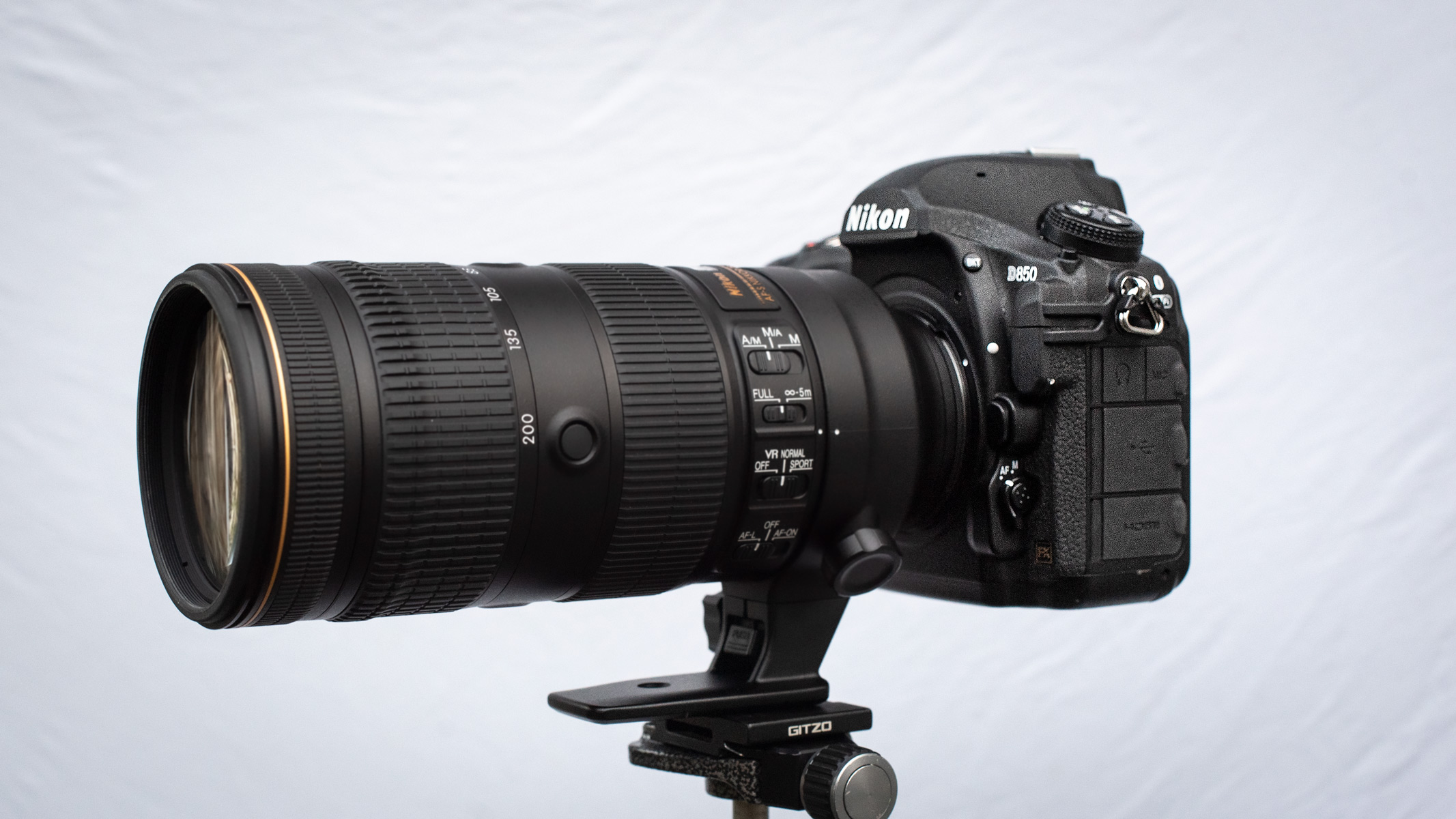
Nikon D850
(Image credit: Jason Parnell-Brookes)
Nikon D850
The last of the big-megapixel DSLRs?
Sensor: 45.7MP full frame CMOS | AF : 153 points | Video: 4K at 30p, 1080p at 60p
Enormous detail
Up to 9FPS
4K full frame video
Low buffer capacity
AF slow in live view
Requires fast memory cards
High-speed cameras tended to be slower,, at least before mirrorless wonders like the EOS R5 came along. This 45MP monster from Nikon busted the trend, allowing you to blaze away at 9FPS and at full resolution, dropping to 8MP and an electronic shutter for 30FPS capture. T
here are a few caveats though: you'll need the optional battery grip to hit the highest speed, and the buffer fills after just 51 shots, placing a lot of importance on fast memory cards to clear it quickly.
The sensor lacks an anti-aliasing filter for optimum sharpness, meaning you'll want only the best lenses too. However, if you can meet its demands, the Nikon D850 is one of the most capable DSLRs on the market today.
Sony cameras
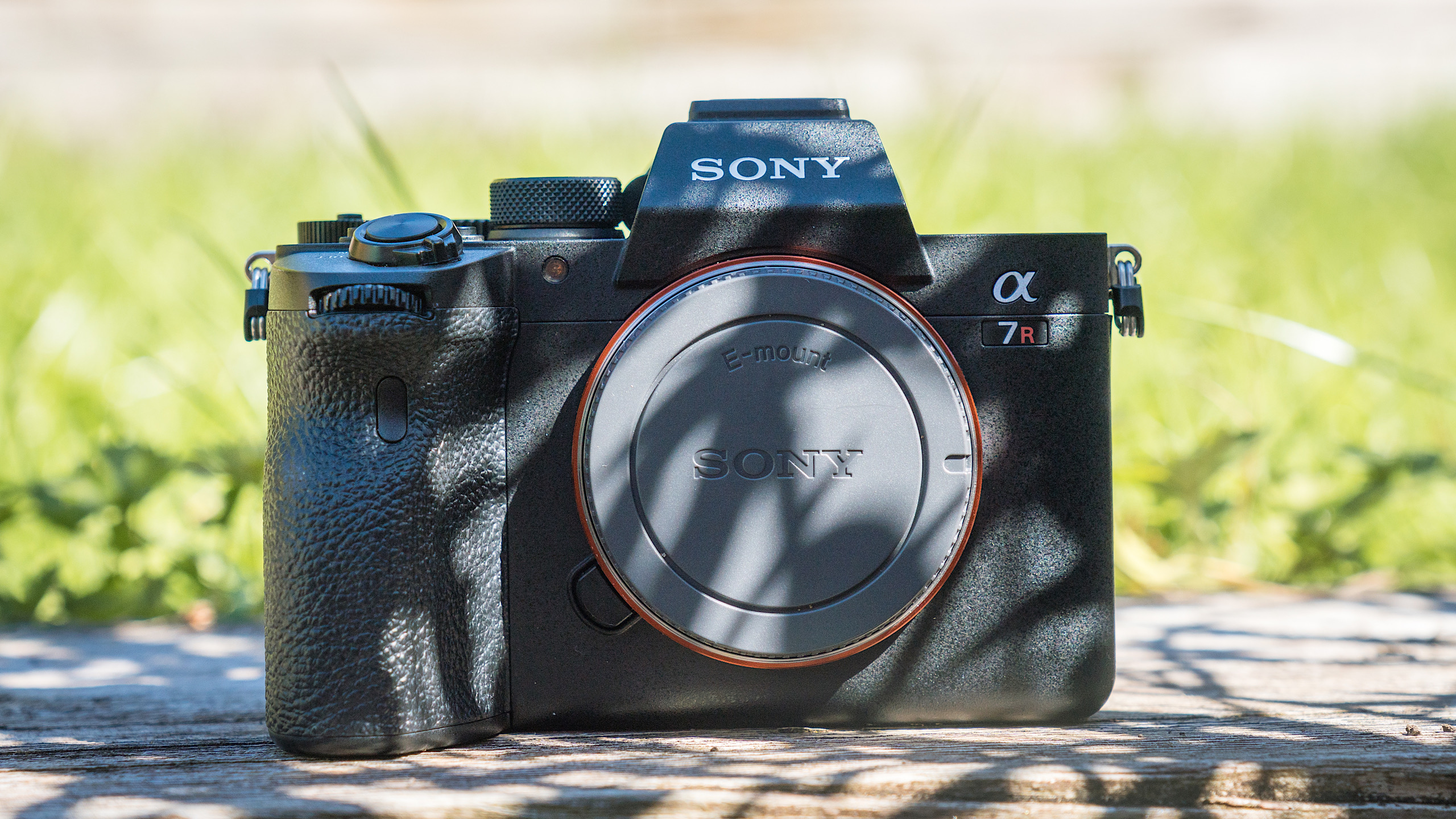
Sony A7R IV
(Image credit: Kimberley Lane)
Sony A7R IV
Enormous resolution, but it comes at a price
Sensor: 61MP full frame Exmor R CMOS | AF points: 567 phase detection, 325 contrast AF points | Video: 4K UHD at 30p, 24p
High resolution
Eye-tracking AF
10FPS
Video options limited
Ageing design
Balances poorly with large lenses
The A7 models are a little self-contained family of cameras, and the Sony A7R IV is its king. A whopping 60MP full-frame sensor and an AF system that sticks to its target like glue mean that with the right lens (and the right person behind it) the camera is capable of some highly impressive images. The high megapixel count also means you can crop your images tightly without losing too much quality.
It's not without its drawbacks. You can't shoot at anything other than 60MP, for example, so processing can take some time. But with 10FPS shooting, 4K video, and five-stop integrated image stabilization, this is a mighty photographic tool.
The 'a' designation here doesn't mean it's a dedicated astro camera like Canon's EOS Ra. Instead, it refers to a slightly updated body with a better LCD screen resolution and USB 3.2 connectivity instead of the slower 3.1. The older version is still available from some dealers, as are the rest of the family: A7 IV (34MP), A7 Compact (26MP), A7S III (12MP), and the older A7R III (42.4MP).
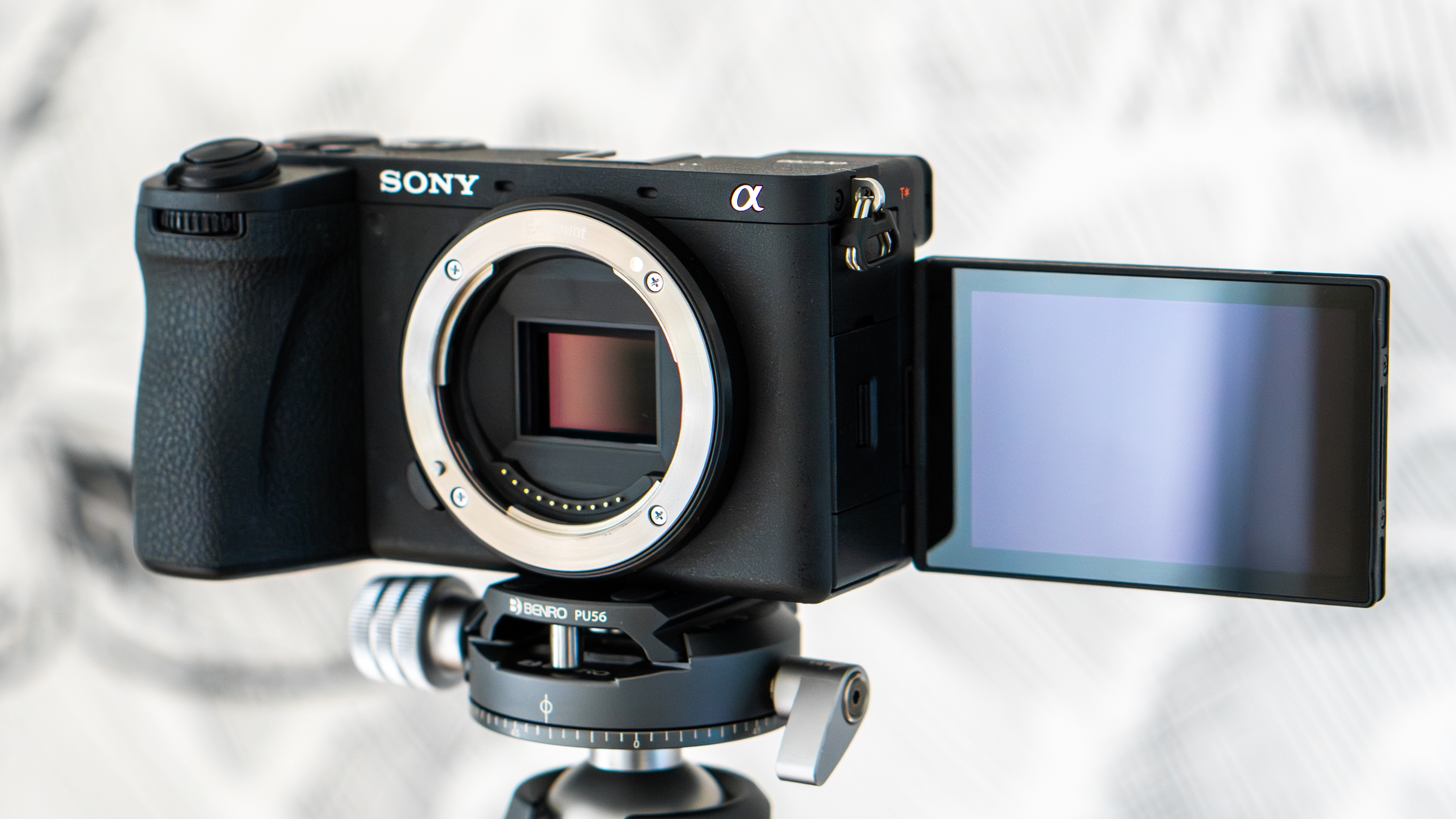
Sony A6700
(Image credit: Kimberley Lane)
Sony A6700
One of the best lightweight models out there
Sensor: 26MP APS-C | ISO range: 50-102,400 (expanded) | Video: 4K 120p
Lightweight and compact
Great in low-light conditions
4K video recording
in-body video and image stabilization
one memory card slot
reduced battery li
Compact yet packed with features, the A6100's APS-C sensor means the body and lenses can be smaller and lighter, making for a camera that's easy to carry with you. It may be Sony's entry-level mirrorless model, but there's nothing basic about this camera. You get 24.2 megapixels, 4K video, a 3.5mm microphone input, and Sony's excellent tracking autofocus with 425 points.
What you don't get is sensor-shift image stabilization. But the decent burst speed of 11FPS and the tilting touchscreen, plus full wireless connectivity, make up for this single omission, especially when you consider the price.
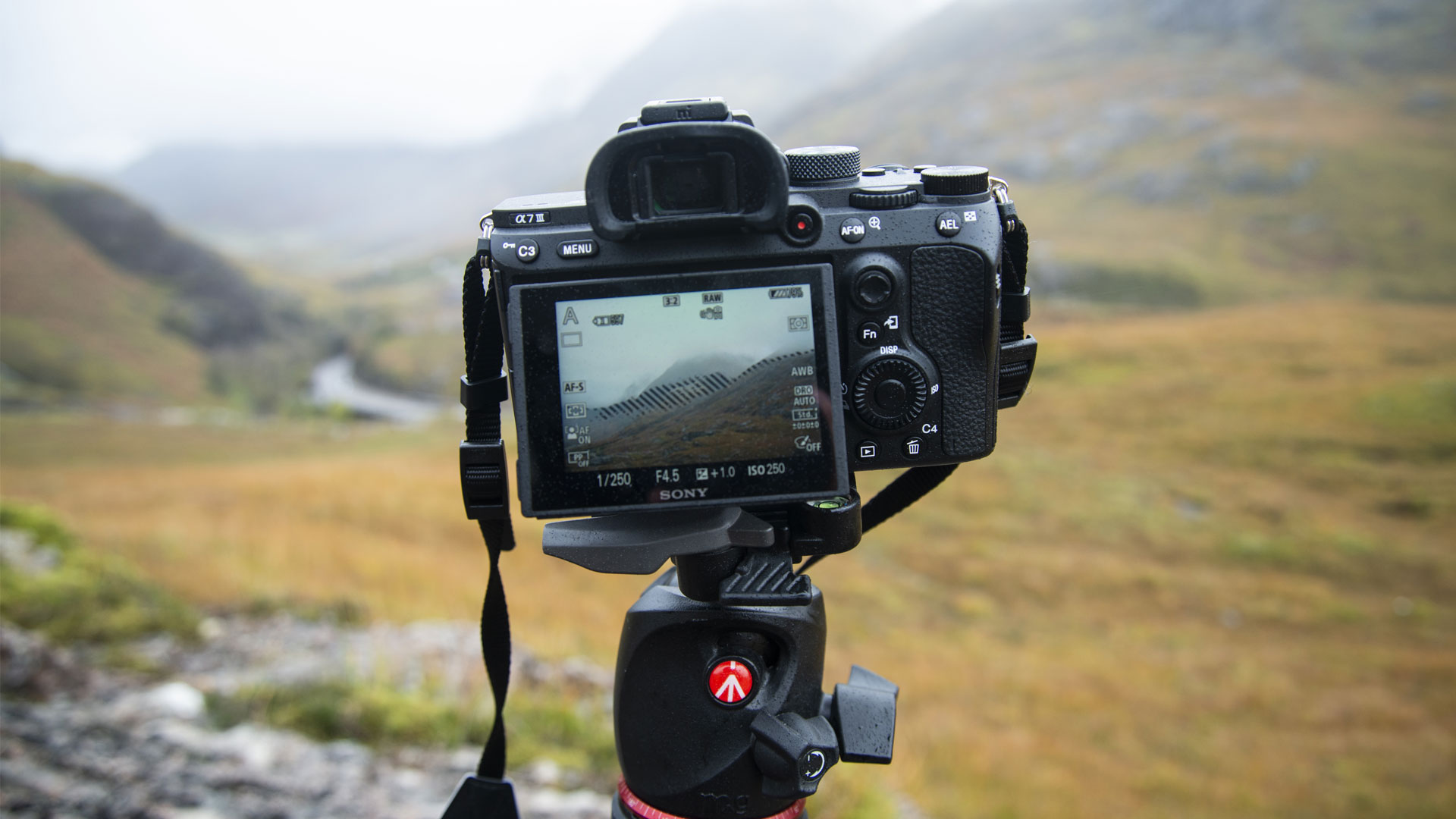
Sony A7 III
(Image credit: Lauren Scott)
Sony A7 III
Older, but still worth it
Sensor: 24.2MP full-frame Exmor R CMOS | AF points: 693-point phase-detection AF / 425-point contrast-detect AF | Video: 4K UHD at 30/24fps, Full HD at up to 120fps
10fps continuous shooting
Sophisticated AF system
4K video
No drive or focus mode dials
Burst shooting buffer a bit small
Imbalance with larger lenses
This in older model, having been released in early 2018, but don't let that put you off. This a dependable all-rounder and the Sony A7 III has enough sensor resolution for most people, and a fast enough burst rate too. One of its major selling points is its excellent autofocus system, which remains unbeaten by subsequent releases.
Unfortunately, there are plenty of rivals breathing down the A7 III's neck. Some of these come from Sony itself, in the form of other A7 family cameras, while others, such as the Canon EOS R6 and Nikon Z6II, come from names steeped in photographic history. Any deals on the A7 III should be looked into with keen interest, however, as the E-mount lens range is becoming formidable, and the image quality it produces is hard to beat.
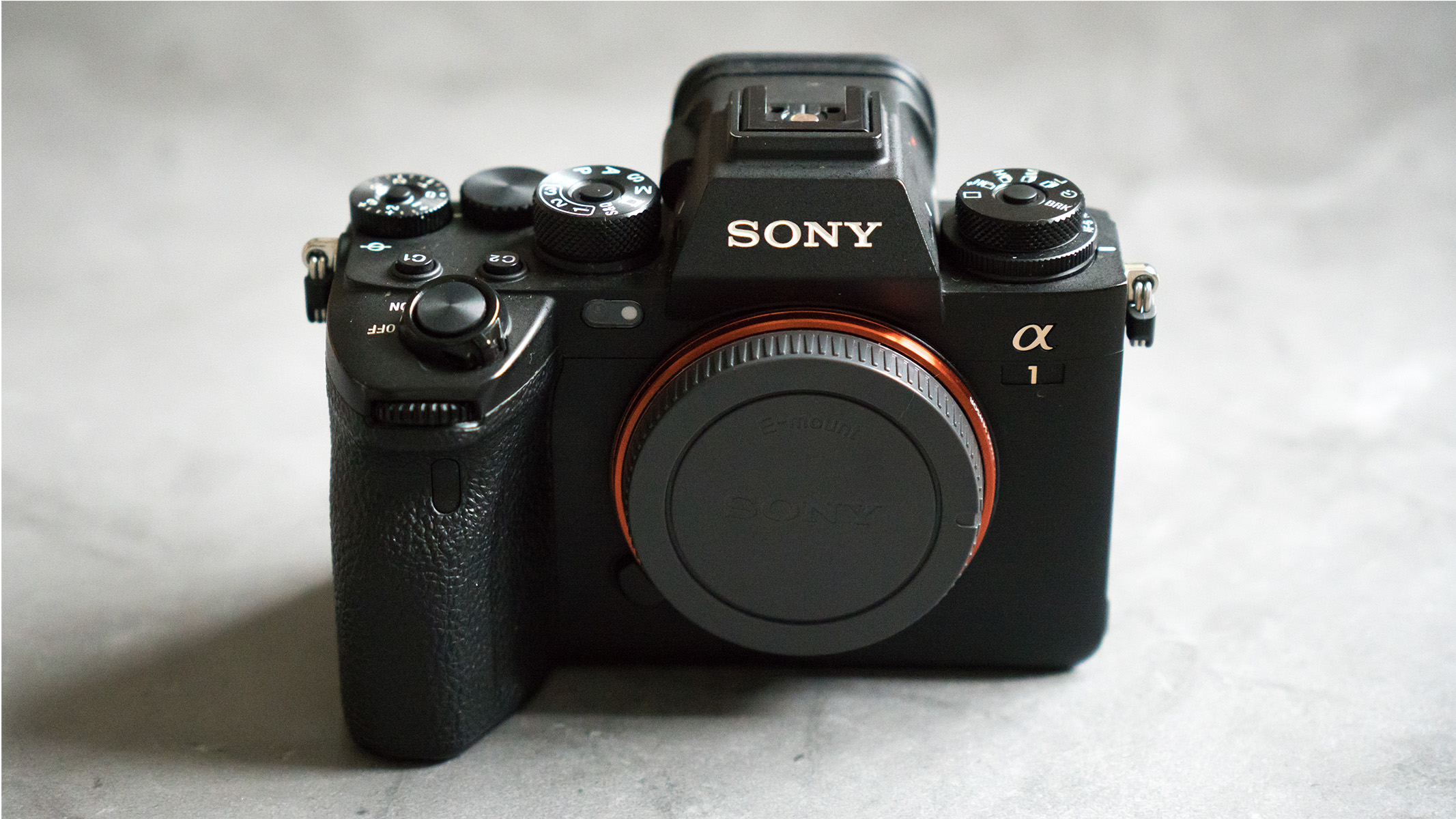
Sony A1
(Image credit: Kimberley Lane)
Sony A1
The best pro-level Sony camera
Sensor: 50.1MP | ISO range: 50-102,400 (Expanded) | Video: 8K
Everything, it does everything well
8K video shooting
50.1 megapixels
Very, very expensive
More affordable options affordable
We're rounding off this guide with a camera that, if you have deep pockets and your budget isn't your biggest priority, we would recommend. This camera offers premium quality across the board and excels in a lot of departments.
It's a full-frame mirrorless camera with a 50.1MP sensor, burst shooting up to 30FPS, 425-point contrast-detection autofocus points, and it can shoot video in 8K. What's not to like? Considering it's a mirrorless camera, it's also quite sturdily built.
Want a more in-depth look at this camera? Then check out our Sony A1 review. It's a powerhouse on the camera market and while it's a big investment, it's absolutely worth it. If you need professional results and you want a camera to use regularly, this is a top, top choice.
Breaking space news, the latest updates on rocket launches, skywatching events and more!
Ian has been a journalist for over 20 years. He's written for magazines and websites on subjects such as astronomy, quantum physics, keeping fish, PC hardware, photo editing and gardening. Ian was also editor of Windows Help and Advice magazine and the Discover Science bookazines. In his spare time he has a pet tortoise and grows his own vegetables, but wishes he had more time for photography.