Home - Helmholtz-Centre for Environmental Research (original) (raw)
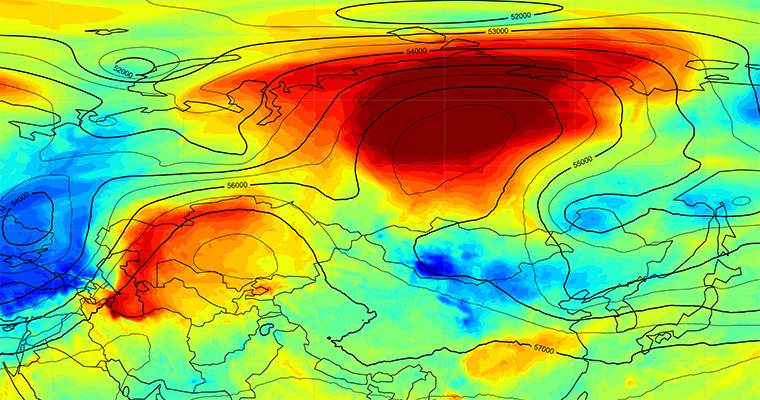
Physics-based Weather Models more Reliable than AI for Extreme Events
AI has rapidly transformed weather forecasting in recent years. However, AI-based weather forecasts reach their limits when it comes to storms and record-breaking heatwaves and cold spells. This is shown by a study involving the UFZ, which was published in Science Advances.»
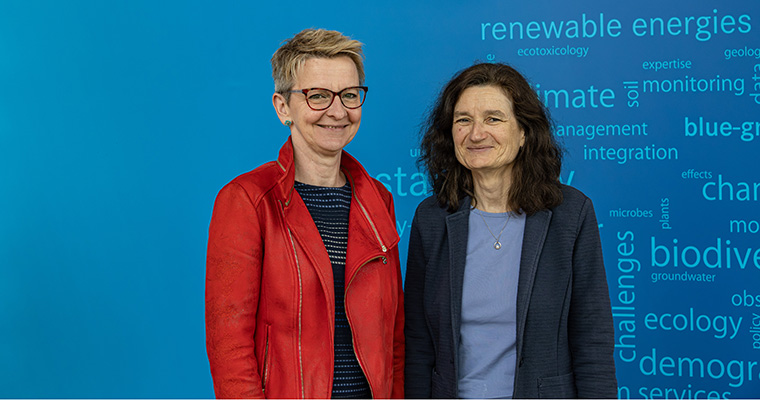
Change at the Top of the UFZ
Dr Sabine Matthiä took over the provisional administrative management of the UFZ on May 1, 2026. She succeeds Dr. Sabine König, who retired after seven years at the top of the UFZ.»

Efficient degradation of short-chain PFAS
A research team at the UFZ has developed a new technology that allows short-chain per- and polyfluoroalkyl substances (PFAS) – which enter the environment through sources such as firefighting foams – to be degraded from water in an environmentally friendly and efficient manner. »
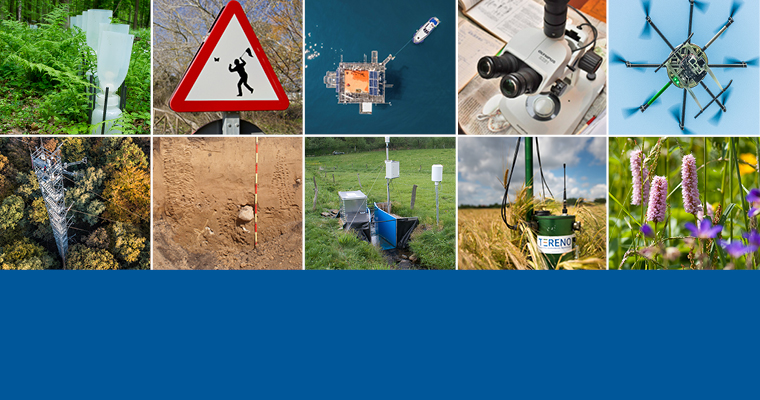
A New Approach to Harmonizing Long-Term Observations
The new eLTER Framework of Standard Observations (eLTER SO) is the first initiative to harmonize key ecosystem variables and measurement protocols using a holistic approach. This is essential for ensuring the comparability of data collected at more than 250 eLTER sites.»
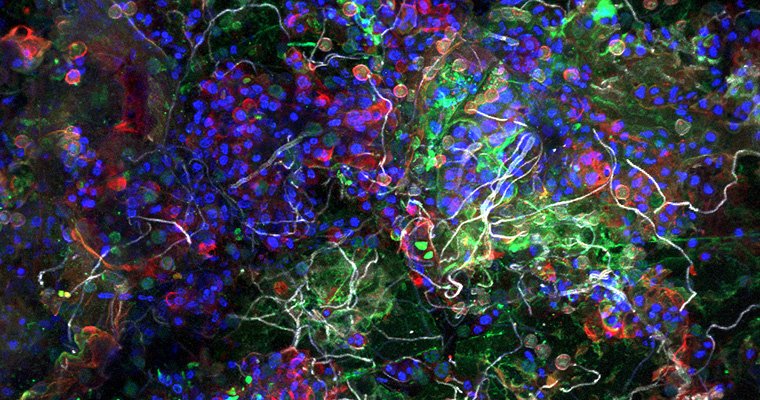
How microbes survive on plastic particles in the oceans
Trillions of plastic particles pollute the oceans. Microorganisms such as bacteria, viruses, and algae can colonise these particles. Helmholtz researchers, including those from the UFZ, have analysed the bacterial metagenomes of the biofilm and identified how microbes survive. »
Science
Physics-based Weather Models more Reliable than AI for Extreme Events
Administration
Change at the Top of the UFZ
Science
Efficient degradation of short-chain PFAS
Science
A New Approach to Harmonizing Long-Term Observations
Science
How microbes survive on plastic particles in the oceans