UNDRR 2025 Annual Report (original) (raw)
Every Day Counts, Act for Resilience Today
In 2025, we marked the 10-year anniversary of the Sendai Framework for Disaster Risk Reduction and its goal of significantly reducing disaster risk and losses by 2030. This report captures the progress, partnerships, and impact of UNDRR's work throughout the year.
Foreword
We can take pride in the progress made over the past decade, especially the reduction in disaster-related deaths. But disasters take more than just lives – they displace communities, rob families of their livelihoods, and erode hard-won development gains.
As developing countries face a new reality of diminishing global solidarity and assistance, the imperative to invest in disaster resilience has never been greater. Disasters are not inevitable; they stem from the choices we make.
Encouragingly, 2025 demonstrated growing recognition of this truth, reflected in stronger alignment between the disaster risk reduction, climate action, development, and financing agendas.
At the 8th Session of the Global Platform for Disaster Risk Reduction, under the theme “Every Day Counts, Act for Resilience Today,” participants from more than 160 countries reaffirmed their commitment to the full implementation of the Sendai Framework. The Platform served not only as a moment of review, but as a catalyst for further action, with two strong outcome documents driving future impact – the Geneva Call for Disaster Risk Reduction and the Priority Actions to Enhance Readiness for Resilient Recovery, issued at the World Resilient Recovery Conference, in the margins of the Global Platform.
Progress in 2025 was not only conceptual – it was also financial and operational. At the Fourth International Conference on Financing for Development in Seville, countries called for scaling up investment in disaster risk reduction and promoting risk-informed development. This message was echoed in the G20 Leaders’ Declaration and Ministerial Declaration of the G20 Disaster Risk Reduction Working Group, which coincided with the International Day for Disaster Risk Reduction and its resonating theme of “Fund resilience, not disasters.”
The momentum carried into Belém, where COP30 saw the adoption of the Belém Adaptation Indicators, which drew extensively from the Sendai Framework’s targets. This marked a historic step toward coherence between disaster risk reduction and climate change adaptation. COP30 also provided the stage for the launch of the Extreme Heat Risk Governance Framework and a $100 million resilience bond for Latin America and the Caribbean, the first of its kind in the region.
The year also marked a milestone for the United Nations itself. As we celebrated its 80th anniversary, UNDRR embraced the reform agenda of the UN80 initiative to become more agile, more data‑driven, and more focused on leveraging system-wide synergies to deliver impact on the ground. This ambition is reflected in our new Strategic Framework 2026-2030, which charts a bold course for UNDRR through the final five years of the Sendai Framework's implementation. We look forward to reporting against this new framework, along with our Work Programme 2026–2027, beginning in next year’s Annual Report.
Looking ahead, the challenges are significant. We are navigating a period of uncertainty, with multilateral institutions under unprecedented strain. Yet the groundwork laid in 2025 gives us a strong springboard from which to accelerate action. I invite you to read this report not only as a record of those achievements, but as a collective call to redouble our efforts.
Together, I am confident that we can – and must – continue to deliver meaningful results. Just as a disaster anywhere affects us all, resilience built anywhere benefits us all. Let us continue working, side by side, to achieve Resilience for All.
Just as a disaster anywhere affects us all, resilience built anywhere benefits us all.

Kamal Kishore
Special Representative of the UN Secretary-General for Disaster Risk Reduction
Read the full foreword in the report (PDF) →
News and knowledge products around the world
No content found
No content matches your current filter selection. Try adjusting the content types or time period.
The boundaries and names shown and the designations used on this map do not imply official endorsement or acceptance by the United Nations.
Dotted line represents approximately the Line of Control in Jammu and Kashmir agreed upon by India and Pakistan. The final status of Jammu and Kashmir has not yet been agreed upon by the parties.
Final boundary between the Republic of Sudan and the Republic of South Sudan has not yet been determined.
A dispute exists between the Governments of Argentina and the United Kingdom of Great Britain and Northern Ireland concerning sovereignty over the Falkland Islands (Malvinas).
2025: Enabling Action for Disaster Resilience at Scale
Executive summary
In 2025, UNDRR supported over 90 countries to strengthen the foundations of risk information, governance, financing and preparedness – catalysing action well beyond its direct footprint and delivering lasting systems change.
- A World of Rising Risk – and Proven Solutions
A World of Rising Risk – and Proven Solutions
The year was marked by severe disasters worldwide, including Hurricane Melissa in the Caribbean, a catastrophic earthquake in Myanmar, and unprecedented wildfires in California — many unfolding in fragile or low-income contexts where the least prepared face the greatest consequences. Against this backdrop, global attention to disaster risk reduction intensified.
Yet, the evidence is clear — and central to UNDRR's advocacy: investing in disaster risk reduction works. Today, every country has an institutional mechanism for managing disaster risk; over 70 per cent have a national disaster risk reduction strategy; and 65 per cent have an early warning system in place. Countries with more robust governance have more comprehensive early warning systems, and countries with comprehensive early warning systems experience six times lower disaster mortality. Over the past two decades, average global disaster-related mortality has declined by two-thirds, with economic losses stabilising relative to exposure despite rapidly increasing asset values and urbanisation. Benefit–cost ratios for DRR investments in high-risk, low-income countries regularly exceed 10:1.
UNDRR's role has been to make these gains possible, by aligning data, policy, finance and capacity so that others can act effectively.
- 2025: Scaling Impact in a Pivotal Year
2025: Scaling Impact in a Pivotal Year
2025 marked the conclusion of UNDRR's Strategic Framework 2022–2025 and the formulation of a new Strategic Framework 2026–2030, coinciding with the final five years of Sendai Framework implementation. At the same time, UNDRR co-organized the Eighth Global Platform for Disaster Risk Reduction and helped shape the outcome of the Fourth International Conference on Financing for Development — making 2025 a landmark year for global DRR governance.
- Better Data → Better Decisions
Better Data → Better Decisions
UNDRR strengthened the global evidence base that underpins resilience investments. Over 100 countries received support on disaster risk analytics, improving their ability to assess risk and prioritize investments accordingly. The Sendai Framework Monitor and DELTA Resilience — the latter built on databases now used by 113 countries — continued to serve as the only globally available sources of official disaster statistics, enabling governments to track hazardous events and associated losses.
Monitoring and accountability were also strengthened. With UNDRR support, 171 countries reported on Sendai Framework implementation – two-thirds providing full reporting across all SDG-related Sendai targets – reflecting stronger national commitment to evidence-based disaster risk reduction.
- Robust Governance → Coordinated Action
Robust Governance → Coordinated Action
UNDRR enabled countries to move from fragmented responses to coherent, risk-informed governance. Cumulatively, 50 countries improved or implemented national disaster risk reduction strategies with UNDRR support, and 38 countries advanced integrated approaches linking disaster risk reduction and climate adaptation. 136 countries reported the existence of national DRR strategies aligned with the Sendai Framework in the Sendai Framework Monitor as of end of 2025.
At the local level, more than 600 cities across 72 countries and territories began implementing the Making Cities Resilient roadmap, translating national commitments into tangible protection at community level. By end of 2025, 622 million people lived in cities enrolled in the MCR2030 initiative.
- Risk-Informed Financing → Resilient Development
Risk-Informed Financing → Resilient Development
UNDRR worked to unlock public and private financing for resilience by strengthening policy, fiscal and regulatory frameworks in 13 national governments. A major milestone was achieved with the launch of the world's first Resilience Bond at COP30, issued by the Development Bank of Latin America and the Caribbean (CAF) with UNDRR's technical collaboration — demonstrating how risk-informed finance can crowd in private capital for resilience. 27 countries were supported in accelerating financing for disaster risk reduction during the 2024–2025 biennium.
- Better Preparedness → Lives and Development Gains Saved
Better Preparedness → Lives and Development Gains Saved
As co-lead of Early Warnings for All, UNDRR scaled coordination and supported 77 countries to institutionalize multi-hazard early warning systems. These efforts translated directly into impact: ahead of Hurricane Melissa, UNDRR helped ensure that warnings were converted into early decisions and coordinated action, saving lives and safeguarding development gains. In the Horn of Africa, strengthened, community-led early warning systems improved preparedness for water-related hazards in some of the world's most vulnerable contexts.
- Shaping the Global Agenda for Risk Reduction
Shaping the Global Agenda for Risk Reduction
UNDRR convened and coordinated action at scale, including the Eighth Global Platform for Disaster Risk Reduction, hosted by the Government of Switzerland, which brought together over 3,000 participants from 177 countries to advance shared commitments.
Disaster risk reduction was mainstreamed into 26 global intergovernmental processes, while 17 regional intergovernmental organizations adopted DRR-related decisions as a result of UNDRR engagement.
- Knowledge, Standards and Capacity: Multiplying Impact
Knowledge, Standards and Capacity: Multiplying Impact
UNDRR strengthened the global knowledge architecture for disaster risk reduction through flagship products, including the Global Assessment Report 2025, Resilience Pays, which demonstrated how aligning DRR investments with development planning can transform risk into resilience at a fraction of the cost of post-disaster response.
UNDRR also advanced global standards, including updated Hazard Information Profiles developed with the International Science Council, and the new ISO 22372 Guidelines for Resilient Infrastructure, helping standardize how risk is assessed and communicated across sectors and borders. The Global Status Report on Multi-Hazard Early Warning Systems continued as the annual global stocktake for Early Warnings for All.
Capacity development remained central. 11,000 people — including over 9,000 government officials — were trained in 2025. An innovative AI-focused masterclass reached 1,852 participants from 151 countries and territories, reflecting growing demand for cutting-edge approaches to disaster risk reduction.
- Leaving No One Behind
Leaving No One Behind
UNDRR prioritized countries and communities most at risk, supporting 42 LDCs, LLDCs and SIDS — double the biennial target. Work on the Sendai Gender Action Plan and disability-inclusive disaster risk reduction ensured that the most vulnerable populations were not left behind in building resilience.
- A Trusted Enabler for the UN System and Beyond
A Trusted Enabler for the UN System and Beyond
As the UN system focal point for disaster risk reduction, UNDRR convened the UN Senior Leadership Group and the UN inter-agency working group on disaster risk reduction, while supporting 51 UN Country Teams to integrate disaster risk across their programming.
This was brought to life at regional level, notably in Latin America, where UNDRR partnered with WFP, UNEP and the Regional Collaborative Platform to support SDG transition pathways in food systems. Through Leading the Way to Resilient Food Systems: a Participatory and Comprehensive Approach from Resilience Assessment to Action, UNDRR translated global guidance into coordinated regional action, with pilots in Barcarena, Cobija and Puerto Nariño. In parallel, an International Day in Memory of the Victims of Earthquakes was launched, strengthening global solidarity and awareness.
Through evidence-based advocacy and targeted communication, UNDRR bridged the gap between technical knowledge and political and public action, reaching nearly 6 million people through its platforms in 2025. By coordinating action, generating trusted evidence, shaping global standards and enabling risk-informed investment, UNDRR consistently multiplies the impact of donor contributions — unlocking action, building systems and saving lives at a scale far exceeding its direct footprint.
In an era of rising risk and constrained resources, UNDRR's work demonstrates that prevention is not only possible, but cost-effective, scalable and essential for protecting development gains.
Walking the talk on gender action
At the conclusion of the 2018–2025 cycle, UNDRR won multiple UN-SWAP Awards, including:
- Best Performers – UN Secretariat Entities
- Award for Excellence in Reporting and Communication
2025 was a year of scaled delivery across all regions
- Support to 77 countries on early warning systems was more than double the end-2025 target.
- 552 cities initiated DRR planning and 635 cities moved into implementation under MCR2030, both above target.
- Capacity development remained a major engine of progress, with 11,370 participants in trainings, workshops and webinars and 78% of surveyed respondents confirming practical use of the tools and approaches.
- UNDRR maintained broad external relevance, reaching 5.9 million followers and visitors across communication channels in 2025.
UNDRR's strongest results in 2025 were achieved in areas where it can rapidly mobilize partners, provide practical tools, and support fast uptake by countries and stakeholders. This is particularly evident in the expansion of early warning systems, the strong growth in city-level implementation, the wide reach of capacity-development initiatives, and the continued visibility of disaster risk reduction through advocacy and communications.
UNDRR provided targeted technical assistance to 94 countries to strengthen disaster risk reduction capacities and governance. This support is designed to foster lasting, institutionalized change by embedding risk-informed approaches within national frameworks and systems. To date, 61 countries have already applied this assistance, translating technical outputs into sustainable outcomes that strengthen long-term resilience.
Performance by Strategic Objective
Performance assessed against each strategic objective indicates varying degrees of maturity and consolidation: Objectives 1 and 2 generated the clearest operational momentum, Objective 4 sustained strong external relevance, and Objective 3 continued to build an important but still emerging financing architecture.
- Strategic Objective 1 — Risk information and analysis
Strategic Objective 1 — Risk information and analysis
UNDRR expanded technical support on risk information to 94 countries in 2025 and supported 77 countries on early warning systems, making this one of the strongest areas of overperformance. The main strength is scale: countries are receiving tools, risk analyses and technical products in large numbers. This technical assistance is aimed at generating sustainable and institutionalized disaster resilience. Throughout 2024 and 2025, 61 countries had already applied UNDRR's assistance into their own disaster risk reduction planning.
Strong achievement: Early warning support exceeded target by more than 2 times.
Watchpoint: Continue to ensure that UNDRR's technical assistance remains responsive to the evolving needs of decision-makers responsible for risk governance at the national and local levels.
- Strategic Objective 2 — Governance and implementation
Strategic Objective 2 — Governance and implementation
Performance under governance and implementation is driven by strong local results. By the end of 2025, 552 cities had initiated DRR planning and 635 cities had begun implementation under MCR2030, both above target. National-level governance indicators advanced as well, but more gradually, with 136 countries reporting the existence of national DRR strategies in line with the Sendai Framework.
Strong achievement: Local implementation significantly exceeded biennium targets; MCR2030 coverage now includes cities with combined population of more than 622 million people.
Watchpoint: Disaster risk governance is improving, particularly at the national level, but effective implementation requires greater investment in disaster risk reduction, especially from national budgets.
- Strategic Objective 3 — Financing and risk-informed investment
Strategic Objective 3 — Financing and risk-informed investment
Financing remains an important but less mature area of operation. UNDRR engaged 47 private investors and supported 27 countries on DRR financing during the biennium, while also advancing resilience bonds, financing frameworks and de-risking initiatives. These are positive results, but they still point to an emerging architecture rather than a fully scaled financing pillar.
Strong achievement: UNDRR is building the foundations for risk-informed investment.
Watchpoint: Frameworks and principles for financing DRR have been developed — and in many cases adopted — but mobilization of capital at scale continues to lag.
- Strategic Objective 4 — Advocacy and knowledge mobilization
Strategic Objective 4 — Advocacy and knowledge mobilization
Advocacy and awareness delivered strong reach and broad relevance. In 2025, UNDRR's communication channels reached 5.9 million followers and visitors, while media coverage of activities and campaigns reached 12,079 items in the year and 22,369 across the biennium. Survey evidence also shows that 75% of respondents outside the DRR field see disaster risk reduction as central or very relevant to their work.
Strong achievement: Visibility and relevance remain high across sectors.
Watchpoint: Traditional digital metrics are increasingly affected by AI-enabled content consumption patterns.
In numbers
Performance against UNDRR's 2024–2025 Results Framework can be found in Annex 1.
Risk & data
Countries reporting in SFM171Member & Observer States
Reported against at least one of the seven Sendai Framework targets
Complete SDG-related reporting115countries (Targets A–E)
Near 60% of all countries
National DRR strategies136in line with Sendai Framework
Member & Observer States
Applied UNDRR risk information43+5countries and regional commissions
Used UNDRR-generated analysis in planning
Capacity & action
DRR + climate adaptation38countries supported to integrate
Total of 66 countries across the 2024–2025 biennium
Early warning systems124countries (77 supported by UNDRR)
Directly supported under EW4All and related initiatives
People trained11,37078% report better DRR understanding
Includes 9,000+ government officials
GAR 2025 readers42,000explored the Global Assessment Report online
Online readership of the GAR 2025 flagship report
Influence & reach
ReMA tool users250companies assessing resilience
Resilience Maturity Assessment, launched by CCRO
Resolutions including DRR26resolutions or political declarations
DRR embedded in UN and regional processes
People in MCR2030 cities622Mresidents of enrolled cities
Over 600 cities from 72 countries/territories
World Tsunami Campaign reach686Mpotential views
Social and traditional media, 2025
Strategic Objective 1
Quality information and analysis for decision making
In 2025, UNDRR accelerated further efforts to strengthen the global disaster risk data ecosystem through investments in global data platforms, statistical standards, national systems, and methodological innovation.
By the end of 2025, the Sendai Framework Monitor (SFM) — the primary global mechanism for tracking progress against the seven global targets of the Sendai Framework — had achieved near-universal uptake. A total of 171 countries, representing nearly 88 per cent of countries worldwide, reported on at least one global target.
Reporting quality also improved significantly. 139 countries reported across five of the seven Sendai Framework targets, while 115 countries — nearly 60 per cent of all countries — provided complete reporting against all SDG-related Sendai targets (A–E). This level of participation reflects stronger national commitment to evidence-based disaster risk reduction and highlights growing alignment between implementation of the Sendai Framework and the 2030 Agenda for Sustainable Development.
In 2025, UNDRR also began roll out of DELTA Resilience, an enhanced, open-source platform that integrates the systematic tracking of hazardous events with associated loss and damage. DELTA Resilience represents a major evolution of the DesInventar disaster database, providing state-of-the-art analytics while strengthening national and local capacity to collect, manage, analyse, and apply data on disaster loss.
Together, the Sendai Framework Monitor and DELTA Resilience constitute the only globally available sources of official disaster statistics. They enable governments to consistently track hazardous events, losses, and damages, and to assess progress in reducing disaster risk. The SFM increasingly functions as a cornerstone for global, regional, and national benchmarking, learning, and resilience building: its data is widely used for monitoring and evaluation, including for Early Warnings for All, and several UN entities and international organizations integrate SFM data into their reports and programmes.
Official disaster statistics matter because they provide a consistent and authoritative evidence base to inform policy, guide public investment and support accountability. In Mexico, disaster loss data has informed national risk financing mechanisms and budget allocations, while in Indonesia and the Philippines, strengthened disaster data systems have supported the implementation of disaster risk management legislation and increased investment in early warning and preparedness systems.
- GAR 2025: reframing the economics of disaster risk
GAR 2025: reframing the economics of disaster risk
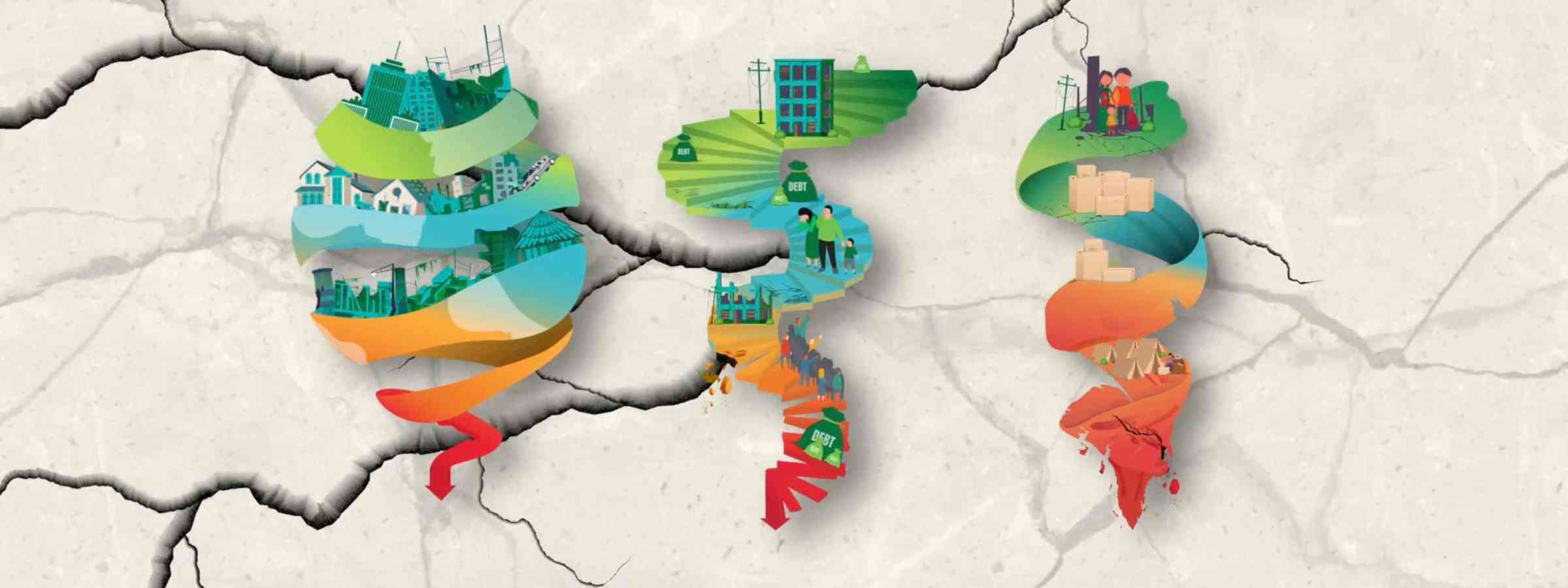
The 2025 Global Assessment Report on Disaster Risk Reduction (GAR 2025) reframed how disaster-related losses are understood. Where official estimates traditionally placed direct economic losses at approximately USD 202 billion annually, the flagship report demonstrated that the full economic impact — accounting for cascading effects, supply chain disruptions, and ecosystem degradation — exceeds USD 2.3 trillion per year, or roughly 2 per cent of global GDP. That is more than ten times higher than commonly reported figures. The report further highlighted a clear upward trend, with direct losses having nearly tripled since the 1970s, driven by climate change and unplanned urbanization.
At the same time, GAR 2025 showed the trajectory is not inevitable. Disaster-related mortality rates per 100,000 have fallen by roughly 50 per cent since 2005. Benefit–cost ratios reach up to 10:1 for DRR interventions in low-income countries, and every dollar invested in resilience can generate up to fifteen dollars in avoided losses — yet only around 2 per cent of global development assistance is allocated to DRR.
Launched ahead of FfD4 and GP2025, the report reframed disaster risk in macroeconomic and financial terms, broadening the policy discourse to include finance ministries, central banks, and private-sector actors. In particular, it highlighted the growing fiscal pressures faced by vulnerable countries, with 61 countries experiencing significant disaster-related fiscal shocks more than once per decade, and underscored that approximately four billion people remain without access to social protection. GAR 2025 positions investment in resilience not only as a development priority, but as a critical component of economic stability and sustainable growth.
Read more in the full report (PDF) →
- Reducing risk, saving lives in humanitarian contexts
Reducing risk, saving lives in humanitarian contexts
As humanitarian crises deepen — with over 239 million people requiring assistance in 2026 — integrating disaster risk reduction into humanitarian action is more urgent than ever. Supported by the German Federal Foreign Office (GFFO), UNDRR worked across ten Humanitarian Programme Cycle countries in 2025, strengthening multi-dimensional risk analysis and ensuring humanitarian planning is grounded in evidence and oriented towards prevention.
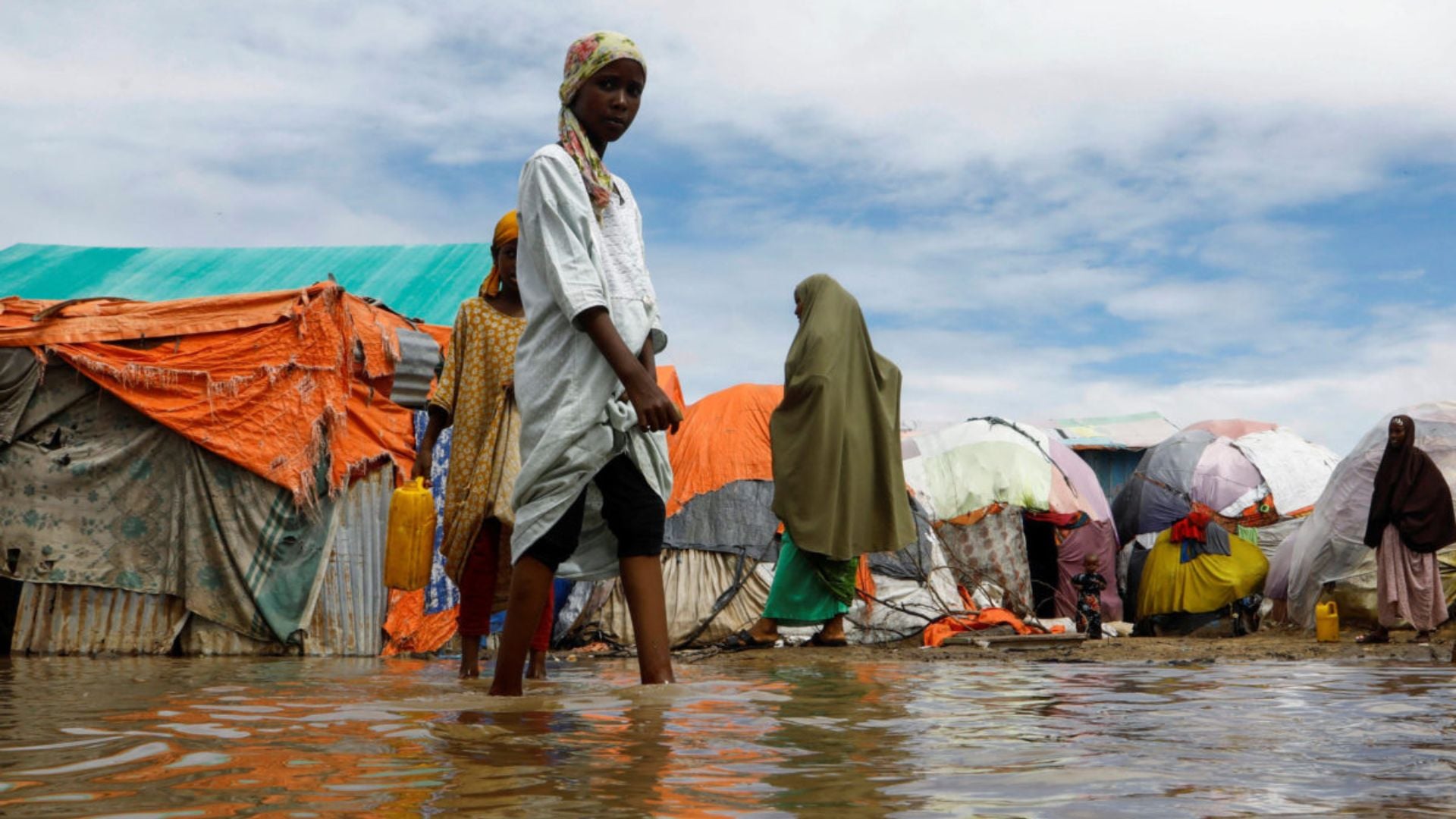
In Yemen, UNDRR conducted detailed flood risk assessments at seven IDP sites — providing humanitarian actors with site-specific analysis of drainage failures, structural vulnerabilities and flood pathways — and targeted mitigation measures were implemented at two priority sites hosting more than 5,200 displaced people, embedding prevention thinking into shelter planning at scale. In East Africa, the GFFO-funded EarlyWarning4IGAD initiative — in partnership with ICPAC — tailored flood and drought warnings for women and girls, persons with disabilities, and communities in displacement camps, including a feasibility study in the Dadaab refugee complex (one of the world's largest, hosting over 400,000 registered refugees) and a regional validation webinar that brought together more than 250 stakeholders. In Mali, a national workshop convened around 40 participants — government counterparts, humanitarian actors, UN agencies and local organizations — to map the country's DRR framework with a focus on flood risk in fragile settings. In Madagascar, UNDRR supported the national Shelter Cluster in piloting Standard Operating Procedures for emergency preparedness and response, with three NGOs — Action Against Hunger, Catholic Relief Services and Humanité & Inclusion — field-testing the SOPs across two regions following the 2024–25 cyclone season.
These examples are drawn from UNDRR's support to 21 Humanitarian Country Teams since 2022 — a body of work that has consistently met or surpassed its targets.
Read more in the full report (PDF) →
- Turning flood risk into disaster resilience in Côte d'Ivoire
Turning flood risk into disaster resilience in Côte d'Ivoire
Côte d'Ivoire's tropical rainy season, which runs from June to October, increasingly overwhelms drainage systems and triggers deadly flash floods. The risk is particularly acute in urban areas, where rapid urbanization has reduced natural drainage while increasing surface runoff.
In December 2025, UNDRR trained participants from Benin, Chad, Niger, Nigeria, Senegal and Togo — alongside Ivorian officials — in how to use disaster risk information for planning and policy. The workshop centred on Côte d'Ivoire's new multi-hazard probability-based assessment and National Flood Risk Profile, which provides institutions with direct access to flood risk data, scenarios, and national projections.
"This tool represents a significant step forward for Côte d'Ivoire, which previously lacked a solid technical foundation to anticipate, prevent, and reduce the effects of floods," said Assahoré Konan Jacques, Côte d'Ivoire's Minister for the Environment, Sustainable Development and Ecological Transition.
Read more in the full report (PDF) →
- Data, finance, and access to technical assistance in the Pacific
Data, finance, and access to technical assistance in the Pacific
In the Pacific region, UNDRR advanced efforts to avert, minimize and address loss and damage by strengthening data systems, supporting financial protection, and improving country access to technical assistance. In Kiribati, UNDRR supported national authorities to strengthen their disaster loss data systems ahead of the 2026 DELTA Resilience roll-out. In Samoa, UNDRR worked with UNCDF and UNDP to launch a climate-resilience parametric insurance product linked to early warning triggers, providing payouts 24–48 hours before a hazard strikes.
UNDRR also continued to co-host the Secretariat of the Santiago Network for Loss and Damage alongside UNOPS. In partnership with the Government of Senegal, UNDRR and the Santiago Network Secretariat convened a regional capacity-building workshop for African LDCs and SIDS, focused on enhancing access to loss and damage-related technical support. Outreach was further enhanced through consultations at the Global Platform and at regional level in Latin America and the Caribbean, Asia and the Pacific, and the Arab States. By year-end, Vanuatu was receiving technical assistance through the Network, with Cook Islands, Iraq and Yemen in process, while 82 organizations, bodies, networks and experts had joined to provide technical assistance.
Read more in the full report (PDF) →
- As the world heats up, progress on climate adaptation
As the world heats up, progress on climate adaptation
In 2025, the world experienced one of the most severe years on record for climate-related impacts, ranking among the three hottest years since observations began. In response, UNDRR advanced its Comprehensive Risk Management approach, enabling governments to move beyond siloed planning towards integrated, multi-hazard decision-making. By the end of the year, nearly 85 countries had aligned or were aligning their disaster risk reduction and climate action frameworks.
In Brazil, UNDRR supported the development of the National Adaptation Plan, including horizontal integration of disaster risk across sectors and vertical integration at the local level. In Belém, this support led to a municipal legal framework aligning disaster risk and climate planning, addressing previously disconnected approaches. UNDRR's role was formally recognised in the UNFCCC synthesis report on National Adaptation Plans submitted ahead of COP30. Across Eswatini, Somalia, Tanzania, Iraq, the Republic of Moldova and Yemen, governments advanced planning that treats disaster risk reduction and climate adaptation as a single policy and investment framework.
At COP30 in Belém, the governments of Brazil, Luxembourg, Senegal and the UK, together with EBRD and the Rockefeller Foundation, launched the Extreme Heat Risk Governance Framework and Toolkit. UNDRR, WMO and the Global Heat Health Information Network led its development with over 130 experts, providing practical guidance to help governments plan for and reduce heat risk. A parallel training course on linking DRR and climate adaptation reached more than 11,000 participants by the end of 2025.
- Water at the Heart of Climate Action
Water at the Heart of Climate Action
In a region where water has long been both lifeline and threat, the Water at the Heart of Climate Action (WHCA) programme offers a new model for what early warning systems can look like when they are truly built from the ground up. Launched in 2023 with direct support from the Netherlands Ministry of Foreign Affairs, the five-year programme brings together UNDRR, WMO, IFRC, the Netherlands Red Cross and SOFF in a regional partnership spanning five Nile Basin countries: Ethiopia, Rwanda, South Sudan, Sudan and Uganda — among the most climate-vulnerable in the world.
What sets WHCA apart is its focus on the entire early warning value chain — from satellite observation to community action. By integrating cutting-edge impact-based forecasting with indigenous knowledge and community-led vulnerability assessments, the programme places the last mile at its core rather than treating it as an afterthought. The result is a system in which national meteorological agencies, disaster management authorities, local governments, Red Cross volunteers and frontline communities operate as part of a single, connected ecosystem.
WHCA's basin-wide architecture is equally significant. Water does not respect national borders, and neither do floods or droughts. By working across the Nile Basin as a shared geography, WHCA enables countries to exchange data, align forecasting methodologies, and coordinate responses to cascading, transboundary hazards that no single country can manage alone — a level of regional coherence that remains rare in disaster risk reduction programming.
In 2025, WHCA made significant progress across five target countries: Bangladesh, Haiti, Liberia, Mozambique and Somalia. For UNDRR, WHCA demonstrates how the Early Warnings for All initiative is being implemented in practice, advancing the Sendai Framework's ambition to substantially increase access to multi-hazard early warning systems while placing the communities it was designed to protect at the centre.
Read more in the full report (PDF) →
Strategic Objective 2
Strengthened disaster risk governance
Across the biennium, 17 regional intergovernmental organizations adopted DRR-related decisions as a result of UNDRR engagement, and 50 countries received cumulative support to improve or implement national disaster risk reduction strategies. UNDRR supported 51 UN Country Teams across 2024–2025 — in risk-informing Common Country Analyses and UN Sustainable Development Cooperation Frameworks.
- The Global Platform returns to Geneva
The Global Platform returns to Geneva
The Global Platform for Disaster Risk Reduction (GP2025), hosted by the Government of Switzerland and convened by UNDRR, took place from 2 to 6 June 2025. Guided by the theme "Every Day Counts, Act for Resilience Today," GP2025 convened over 3,000 in-person participants from 177 countries, alongside more than 6,500 online participants. Inclusivity was a defining feature: 45% of in-person participants and 52% of panellists were women, and almost all stakeholder groups were actively involved.
The two ministerial roundtables — one on financing disaster risk reduction, the other on school safety — further elevated political commitment, informing the Fifth International Conference on the Safe Schools Declaration held in Nairobi in November. The financing roundtable provided a clear segue to strengthened integration of disaster risk reduction in the Fourth International Conference on Financing for Development (FfD4) and subsequently informed the G20's endorsement of Voluntary High-Level Principles for Investing in Disaster Risk Reduction.
The GP2025 Proceedings, including the Co-Chairs' summary — the Geneva Call for Disaster Risk Reduction — provide an action-oriented roadmap with eight priorities for the next five years to accelerate Sendai Framework implementation.
Read more in the full report (PDF) →
- In the Caribbean region, investment in early warning pays dividends
In the Caribbean region, investment in early warning pays dividends
In October 2025, Hurricane Melissa became the first Category 5 storm on record to make landfall in Jamaica, causing an estimated USD 8.8 billion in direct physical damage. According to the World Bank, this amount is equivalent to around 40 per cent of the country's 2024 GDP. Authorities issued impact-based warnings at least three days in advance, enabling large-scale, timely evacuations to pre-equipped shelters and protecting critical infrastructure.
Local preparedness reinforced national action. In 2025, Jamaica became the first country to engage all its municipalities in the Making Cities Resilient 2030 (MCR2030) initiative. UNDRR had also helped strengthen disaster risk reduction and resilience planning in the parish of St. James, home to Jamaica's second-largest city, Montego Bay. Financial preparedness complemented these measures: risk transfer instruments — including coverage from the Caribbean Catastrophe Risk Insurance Facility and World Bank catastrophe bonds — triggered more than USD 240 million in payouts, the largest such amount Jamaica has ever received.
Hurricane Melissa's physical impact on Jamaica was still catastrophic, but sustained investment across areas such as Doppler radar, multi-day forecasting, public communication, regional coordination, catastrophe risk financing through CCRIF, and more risk-informed infrastructure translated into fewer deaths and pre-event evacuations.
UNDRR is now coordinating with UN-Habitat and UNOPS to support the Government of Jamaica's recovery readiness assessment ahead of the 2026 hurricane season, including resilient reconstruction of housing.
Read more in the full report (PDF) →
- UNDRR improves DRR in Iraq, Jordan, and Lebanon
UNDRR improves DRR in Iraq, Jordan, and Lebanon
Climate change in the Middle East is intensifying extreme heat, water scarcity, and drought, with growing consequences for health and migration. Working with the International Organization for Migration (IOM) and the World Health Organization (WHO), UNDRR's Regional Office for the Arab States (ROAS) strengthened the evidence base linking climate change, migration, and health. In Iraq, Jordan, and Lebanon, this work generated new insights to enable more migrant-inclusive and gender-sensitive policies.
At the local level, resilience action plans were developed in Basra (Iraq), Irbid (Jordan), and Akkar (Lebanon). In Akkar, assessments of 43 health facilities led to targeted resilience measures and continuity planning, such as reinforcing backup power systems.
The escalating impacts of climate change, particularly in our region, are leading to serious health risks, especially for migrants who often struggle to access adequate health services.
Dr Hanan Balkhy
WHO Regional Director for the Eastern Mediterranean
Read more in the full report (PDF) →
- Cairo Forum marks a turning point for early warnings in the Arab region
Cairo Forum marks a turning point for early warnings in the Arab region
In December 2025, Arab governments and partners gathered in Cairo for the First Arab Regional Forum on Early Warning Systems and Disaster Preparedness. The Forum's 170 participants committed to shift the regional approach from "warnings issued" to "warnings acted on", with commitments on data sharing and interoperability, resilient alert systems, and accessible warnings for women, children, older persons, and persons with disabilities.
With UN backing, the League of Arab States is now developing a regional roadmap to strengthen early warning effectiveness and preparedness.
Read more in the full report (PDF) →
Strategic Objective 3
Catalysing investment and action through partnership
The Sendai Framework calls for all-of-society engagement. Over the biennium, UNDRR secured the support of 47 private investors to accelerate financing for DRR, and directly supported 13 national governments to strengthen policy, fiscal and regulatory conditions. High-level advocacy through the Oslo Policy Forum and FfD4 elevated DRR within global investment agendas, contributing to new commitments to integrate risk reduction into development finance.
- UNDRR builds SME resilience in Bridgetown and beyond
UNDRR builds SME resilience in Bridgetown and beyond
Small and medium enterprises (SMEs) are the economic backbone of cities like Bridgetown, but often among the most exposed to disaster risks — heatwaves, droughts, blackouts and other systemic shocks that disrupt operations and threaten livelihoods. In 2025, a UNDRR global initiative, Strengthening the Disaster Resilience of SMEs, brought partners together from Bridgetown (Barbados), Barcelona (Spain) and Sendai (Japan) to address growing disaster risks, tailoring solutions to local contexts.
In Barcelona, the initiative translated into concrete action through close collaboration with the Barcelona City Council and more than 100 local SMEs, supporting them to develop Business Continuity Plans, conduct crisis simulations, and assess financing options.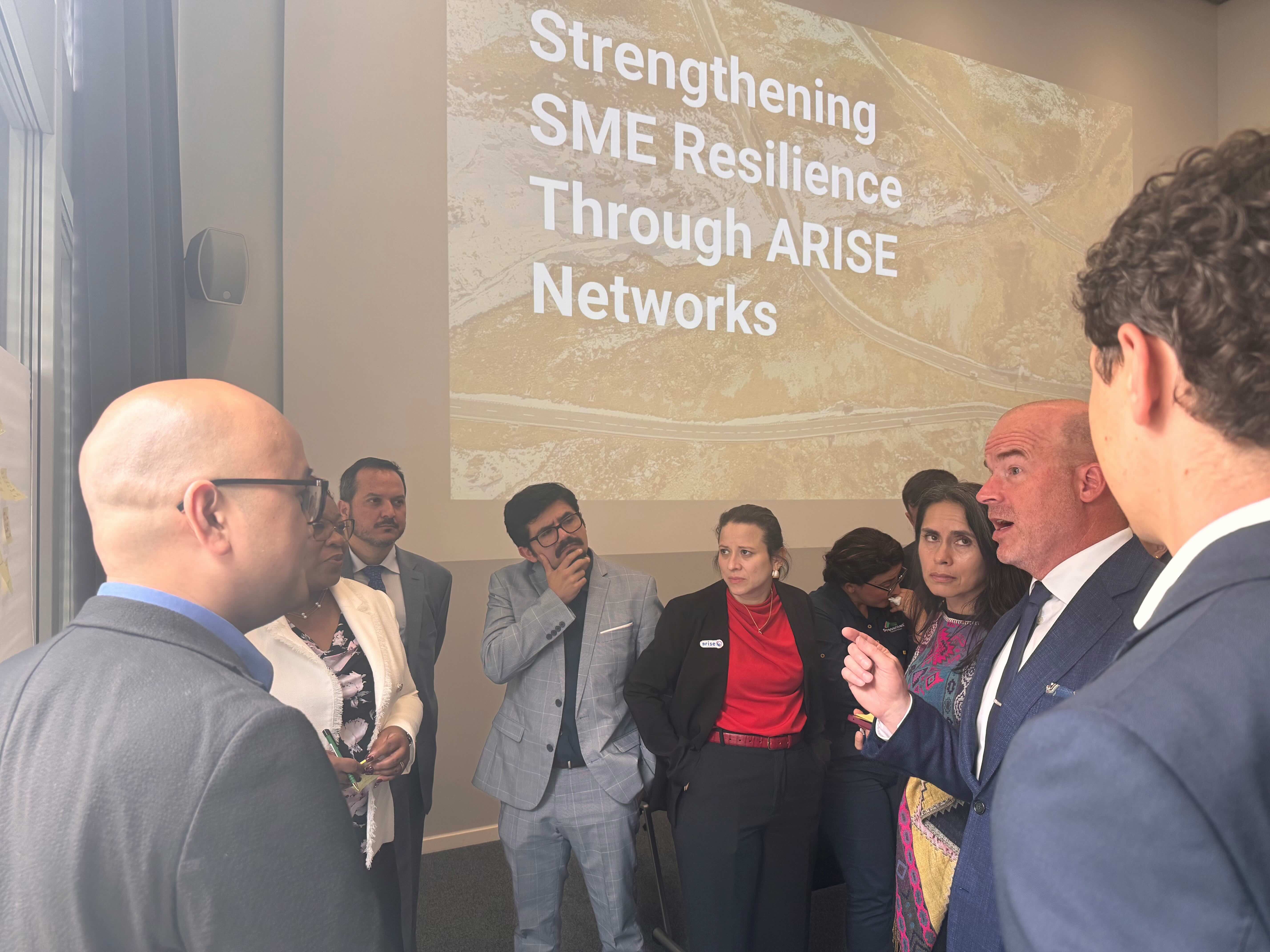
Small retailers are not just a very important sector of the economy; they are the social fabric of European neighbourhoods. To protect SMEs or micro-SMEs is to protect the communities themselves.
Josep Xurigué
Deputy Director, Barcelona's Comerç Foundation
Cross-regional peer learning between Bridgetown, Barcelona and Sendai is now being sustained and expanded as a model for strengthening SME resilience in cities and regions worldwide.
Read more in the full report (PDF) →
- Guatemala: risk-informed public finance strengthens national resilience
Guatemala: risk-informed public finance strengthens national resilience

By supporting governments to design and implement budget tagging and tracking systems, UNDRR enables them to identify, classify and monitor disaster risk reduction (DRR) expenditures within national budgets. In 2024 and 2025, UNDRR supported the financial assessment and planning of Guatemala's Comprehensive Disaster Risk Reduction National Plan 2024–2034, which involves 16 national entities. Analysis has highlighted the financial impacts of recent disasters — including the severe fires of 2024 — and strengthened the case for preventive investment.
Building on Guatemala's Strategy for Financial Management of Disaster Risk, UNDRR's work on budget-tagging has brought together the Ministry of Finance, SE-CONRED, the Ministry of Communications, Infrastructure and Housing, and the Secretary of Planning (SEGEPLAN) — all of whom have improved their ability to trace how much of the national budget supports prevention, preparedness, climate adaptation and early warning.
The results are tangible. In 2025 the government doubled the budget for the Executive Secretariat of the National Coordination for Disaster Risk Reduction (SE-CONRED) compared to 2024. From 2025 to 2026 the overall budget for the National DRR Plan increased by 25 per cent, involving more than 20 entities, with significant increases in infrastructure, environment and housing sectors. Greater visibility of DRR and climate-related expenditures has meant that prevention is now treated as a core investment rather than a discretionary cost.
Prospective risk management must be linked to development processes, planning and budgeting to guarantee social protection for all people.
Dr Claudinne Ogaldes
Executive Director, CONRED
Read more in the full report (PDF) →
- From commitment to capital — advancing consensus on DRR financing
From commitment to capital — advancing consensus on DRR financing
In 2025, UNDRR elevated disaster risk reduction from a peripheral concern to a central pillar of development finance. This shift is reflected in major global frameworks — in particular the Sevilla Commitment adopted at the 4th International Conference on Financing for Development, which included for the first time a dedicated paragraph on scaling up investment in disaster risk reduction.
The Oslo Policy Forum on Accelerated Financing for DRR convened global leaders to tackle the persistent financing gap, promoting a shift from reactive disaster response to proactive, risk-informed investment embedded in national financial systems. Momentum was further reinforced at the G20 Leaders' Summit in South Africa, where leaders endorsed High-Level Voluntary Principles for Investing in Disaster Risk Reduction and recognized a Recovery Readiness Assessment Framework — both developed through UNDRR's leadership.
Translating commitment into capital, at COP30 the CAF — Development Bank of Latin America and the Caribbean launched a USD 100 million resilience bond with UNDRR as technical partner. The first of its kind in the region, this initiative marks a major step in mobilizing capital markets for DRR and offers a replicable model for scaling investment in adaptation and resilient infrastructure.
Read more in the full report (PDF) →
Strategic Objective 4
Advocacy and knowledge sharing for a risk-aware world
Almost 6 million followers and visitors accessed UNDRR's main public communications channels and social media in 2025. The combined campaigns for the International Day for Disaster Risk Reduction, World Tsunami Awareness Day and the Global Platform achieved approximately 5.5 million impressions, while 12,079 media items mentioned UNDRR activities during the year.
- International Day for Disaster Risk Reduction: Fund resilience, not disasters
International Day for Disaster Risk Reduction: Fund resilience, not disasters
The International Day for Disaster Risk Reduction (IDDRR) 2025 campaign, under the theme "Fund resilience, not disasters," achieved 1.84 million impressions and 16.9k clicks via Google search, with mentions reaching an estimated 8.6 billion potential views across global media and social platforms. The campaign was amplified by over 70 partner organizations, including UNDP, UNICEF, World Bank, IFRC, WHO and Asian Development Bank, and the World Economic Forum published an op-ed co-authored by UNDRR and UNDP to mark the day.
Perhaps most striking was how the theme was picked up at the grassroots. The Finance Bureau of Longyang District, Baoshan City, Yunnan Province, China — a disaster-prone area — fully echoed UNDRR's call, advocating locally tailored guidance on preparing for earthquakes, floods, fires, mudflows and landslides. It was one of many examples of the Day's messaging translating global advocacy into grassroots impact.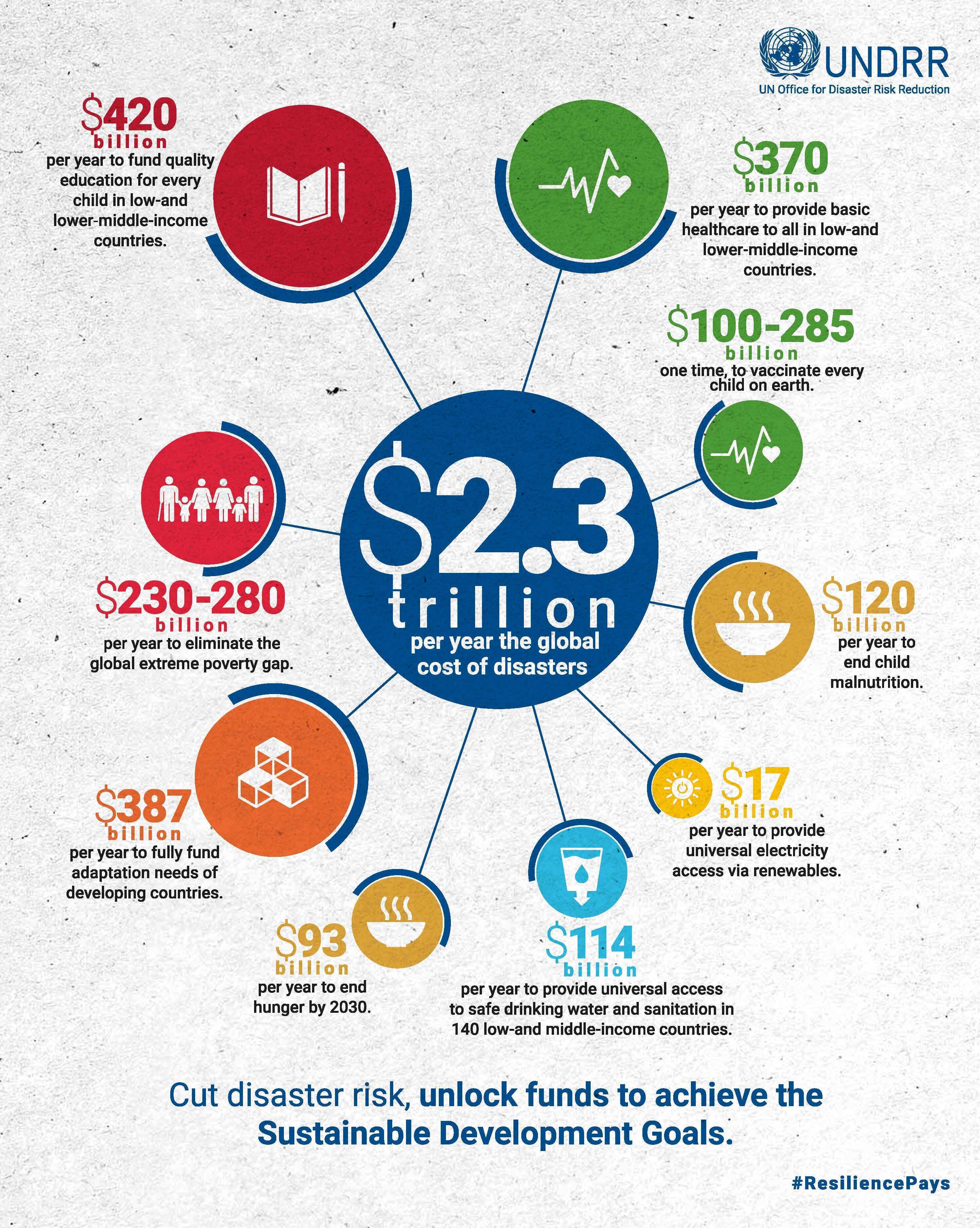
Read more in the full report (PDF) →
- UNDRR supports tsunami awareness in Timor-Leste
UNDRR supports tsunami awareness in Timor-Leste
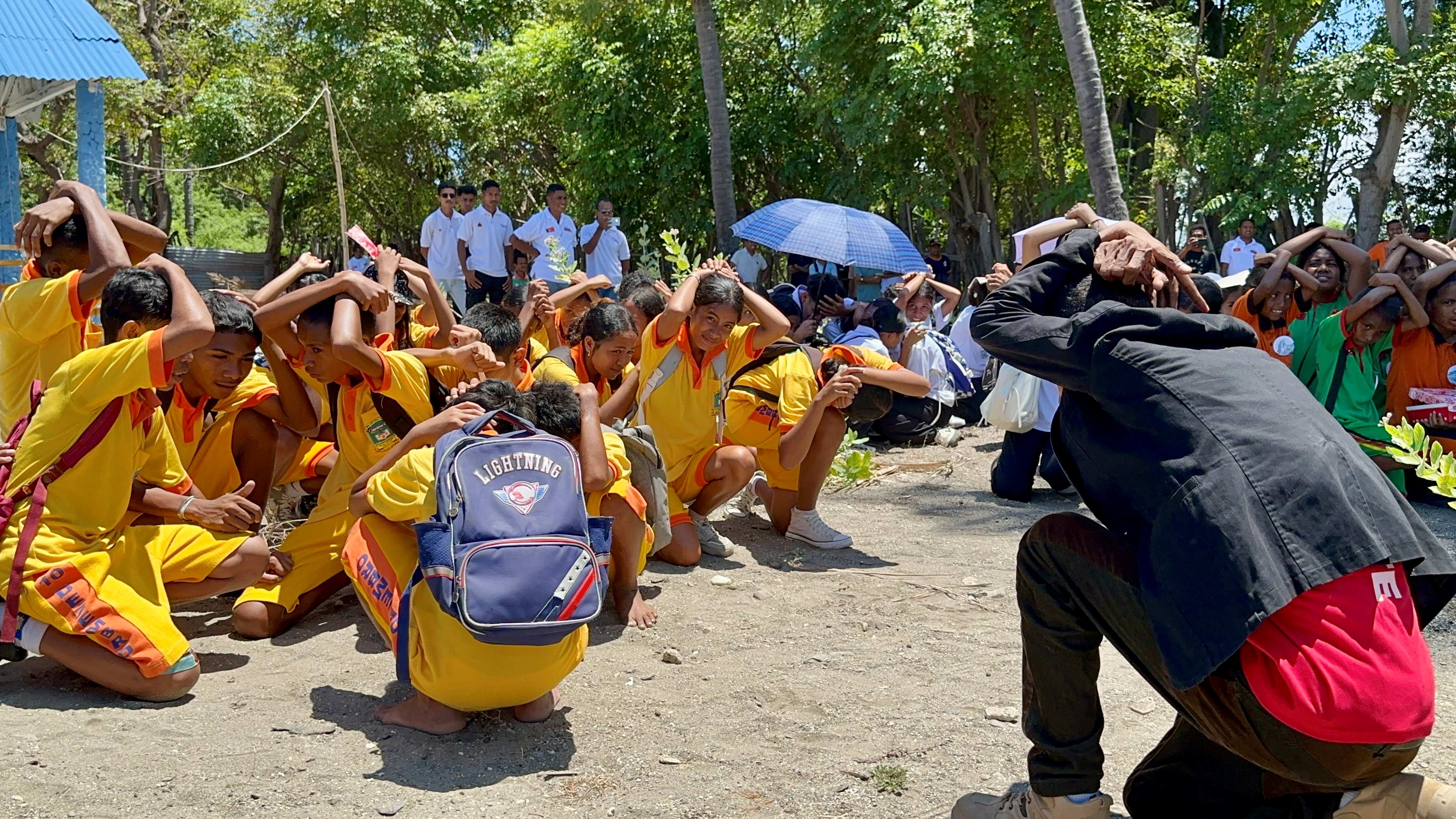
Observed every year on 5 November, World Tsunami Awareness Day was established by the UN General Assembly in 2015 following the 2011 Great East Japan Earthquake and tsunami and the 2004 Indian Ocean tsunami, which killed as many as 230,000 people.
Timor-Leste has its own chapter in this history. In 1995, an offshore earthquake triggered a tsunami that struck Marinir village on the outskirts of Dili, killing nearly a dozen people and devastating the community. Yet an entire generation has grown up since, and many residents living metres from the coastline believe Dili is safe. Official hazard maps tell a very different story.
To counter this false sense of security, UNDRR worked with the Civil Protection Authority (CPA), UNESCO-IOC and Pacifico to organize a public tsunami awareness week in November 2025. At its heart was a locally crafted song, "Tsunami, tsunami, run away from the sea," performed by Timorese artists at six schools across Dili and paired with evacuation drills and inclusive activities. The week culminated in an evacuation drill involving around 150 students, survivors of the 1995 tsunami, local authorities, and UN representatives. The song has since entered regular radio rotation.
In the longer term, UNDRR aims to institutionalize tsunami and multi-hazard education in Timor-Leste's school system and in informal education, and to expand community preparedness nationwide — supporting government efforts to operationalize EW4All and ensure that every community understands how to prepare and respond to warnings.
Read more in the full report (PDF) →
- From UNDRR to the world: Expo 2025 Osaka
From UNDRR to the world: Expo 2025 Osaka

People play the Stop Disasters game at the World Expo 2025 in Osaka.
UNDRR was featured at the UN Pavilion during the final week of Expo 2025 in Osaka, Kansai, Japan, showcasing the message that "Disasters are not natural." An estimated 16,000 people visited the UN Pavilion in the final week, experiencing the No Natural Disasters exhibition. On 6 October, Their Majesties the Emperor and Empress of Japan toured the Pavilion.
The exhibition featured the Stop Disasters game — an interactive simulation that lets visitors step into the role of city planners. A Japanese version of the game was launched for the exhibition, and the game attracted over two million views in 2025.
I love the game. What's great about it is that you learn about the steps that are needed to plan well and to evacuate. As an urban planner, it's really great to see non-urban planners or people who are not working in the built environment learning more about it.
Chesca Delingon
Urban planner, Philippines
Read more in the full report (PDF) →
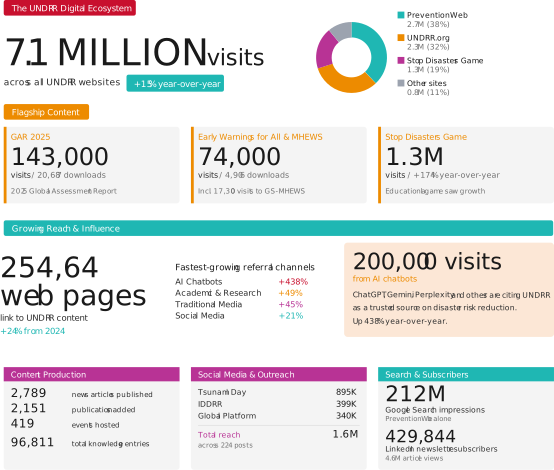
Enabler
Strengthened organizational performance
In 2025, UNDRR delivered on its work programme despite resource constraints through cost containment and more resource-efficient strategies: staff travel was reduced where possible, economy class and virtual engagement were prioritized, and internal cross-collaboration pooled capacity across teams so expertise could be redeployed quickly to priority deliverables and surge needs. Multipurpose programmatic materials — toolkits, guidance and communications packages — were developed that could be adapted across regions and thematic streams.
- Reducing risk where it matters most: advancing equity and equality
Reducing risk where it matters most: advancing equity and equality
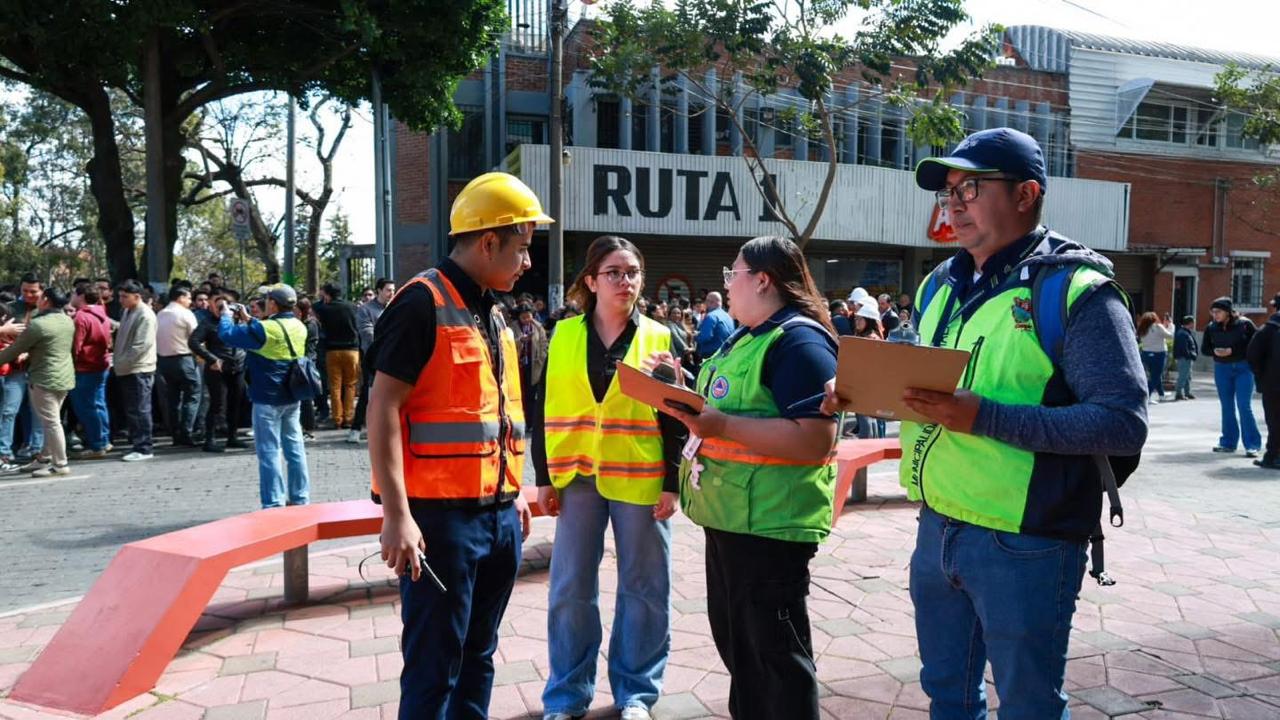
Through leadership on the Gender Action Plan for the Sendai Framework (Sendai GAP), UNDRR moved countries from commitment to early implementation. In partnership with UN Women in Nepal, gender-responsive DRR was embedded in the disaster management authority's National Gender Equality, Disability and Social Inclusion Strategic Plan. In Fiji and Kiribati, Sendai GAP checklist pilots improved monitoring and accountability. In Burundi, disaggregated data informed budget allocations, while Sendai GAP implementation tools supported Kiribati to increase gender-responsive resource allocation, including better prioritization of services and infrastructure targeting populations most at risk. In partnership with UNFPA, Fiji integrated sexual and reproductive health and gender-based violence considerations into its national anticipatory action framework, with similar approaches initiated in Palau, Vanuatu and Tonga.
In the Maldives, UNDRR — in partnership with the Gender Stakeholder Group led by Duryog Nivaran — supported a government-led workshop bringing together line ministries to jointly identify actions to integrate the Sendai GAP into national DRR strategies and early warning planning, resulting in clearer institutional roles and prioritized actions for inclusive preparedness. Across Africa, the Arab States, Brazil, Colombia and Uruguay, UNDRR supported locally-led efforts to identify gender gaps and integrate gender-responsive measures into DRR strategies — increasing engagement of grassroots women's organizations and delivering more accessible early warning systems and more gender-balanced municipal DRR governance.
In Southeast Asia, UNDRR supported ASEAN to advance its regional framework on protection, gender and inclusion. This leadership was recognized under the UN System-wide Action Plan on Gender Equality (UN-SWAP 2.0), with UNDRR named Best Performer among UN Secretariat entities during 2018–2024.
Read more in the full report (PDF) →
- Advancing disability-inclusive resilience in the Asia-Pacific region
Advancing disability-inclusive resilience in the Asia-Pacific region
In the Philippines, UNDRR advanced disability-inclusive urban resilience by enabling persons with disabilities and their organizations (OPDs) to take a leadership role in shaping Baguio City's disaster risk governance and early warning systems — establishing the first citywide foundation for disability-inclusive DRR. In the Solomon Islands, UNDRR partnered with the National Disability Forum to test an innovative flag-based accessible alert mechanism. In Kazakhstan, drawing on lessons from MCR2030, the Senate Inclusion Council reviewed how emergency preparedness measures address the needs of persons with disabilities.
At the regional level, UNDRR convened OPD leaders from seven countries for a Training of Trainers on Urban Resilience and Disability Inclusion. At the 2025 Global Platform, more than 120 participants with disabilities shaped discussions on inclusion, governance and early warning.
Read more in the full report (PDF) →
- Advancing the use of AI in disaster risk reduction
Advancing the use of AI in disaster risk reduction
In September and October 2025, the Global Education and Training Institute (GETI) hosted an online masterclass series on the use of artificial intelligence for disaster risk reduction, delivered with Belmont University, Google, the Shanghai Weather Service, SEEDS, the Singapore Civil Defence Force, CODATA, and Data Friendly Spaces. Interest was high: 1,852 participants from 151 countries, including 40 per cent women, with 572 certificates awarded.
The greatest impact of the masterclass was gaining practical skills to use AI tools for disaster risk reduction. I learned how to apply smart analytics to improve risk assessments and early warning processes, which enhanced the accuracy of hazard mapping in my team.
Yalda Gulistani
ASHI Group, Kabul
Through a strategic collaboration with NASA, the Regional Scientific and Technical Advisory Group (RSTAG) and ARISE US, UNDRR also led the development of the Special Report on the Use of Technology for Disaster Risk Reduction (Tech4DRR). Launched in July 2025 and available in English and Spanish, the report was developed with representatives from the Indigenous Knowledge, Youth and Women's networks, ensuring diverse perspectives informed the analysis.
Read more in the full report (PDF) →
Financial overview
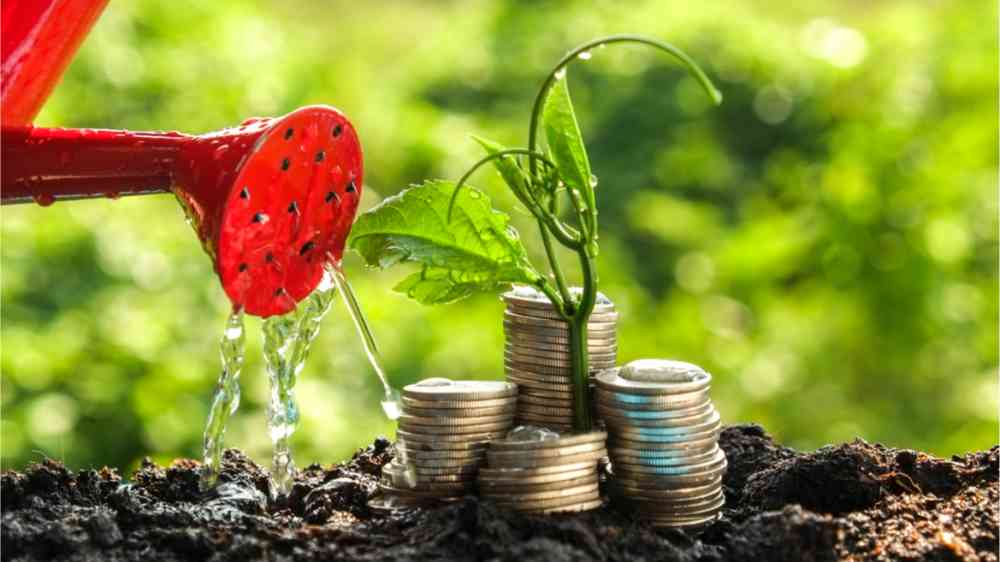
Monetary volume of UNDRR programmatic interventions to support EW4All by target country throughout the 2024–2025 biennium
UNDRR thanks all our donors whose generous contributions make our success possible. In 2025, UNDRR received a total of USD 49.4 million in financial contributions. Combined with contributions received in 2024, UNDRR received a total of USD 107.4 million to implement the 2024–2025 Work Programme, against an official funding requirement of USD 135 million.
Flexible core funding remains essential for UNDRR's ability to deliver on its mandate. We are extremely grateful to the nine donors — China, Finland, Japan, Luxembourg, Norway, the Philippines, Republic of Korea, Sweden and Switzerland — who provided flexible core funding in 2025, contributing USD 14.4 million (29 per cent of financial contributions).
Multi-year agreements, for both core and project funding, are a cornerstone of UNDRR's financial strategy. They provide a predictable funding stream that enhances the organization's ability to plan and implement disaster risk reduction efforts over the four-year period of the Strategic Framework and the two-year period of the Work Programme. In 2025, UNDRR signed five new multi-year agreements with China, Germany, Italy, the European Union, and the Coalition for Disaster Resilient Infrastructure, further reinforcing strategic alignment with its donors. These agreements add to a portfolio of multi-year contributions from donors including Australia, Canada, Finland, Germany, Japan, Luxembourg, Netherlands, Norway, the Republic of Korea, Sweden, Switzerland, and the Climate Risk and Early Warning System initiative.
While larger donors play an important role, smaller financial and in-kind contributions are also crucial. In-kind contributions, including Junior Professional Officers (JPOs), continue to play an essential role in bolstering UNDRR's capacity. In 2025, eight JPOs were provided by Australia, Germany, Italy, Japan, Korea and the United States of America, contributing valuable expertise and supporting the delivery of UNDRR's global initiatives.
2025 marked the beginning of a challenging financial period for international development and humanitarian systems. UNDRR continues to foster dialogue with its donors through multiple platforms — including the UNDRR Support Group in Geneva, the Group of Friends for Disaster Risk Reduction in New York, bi-annual donor meetings, and engagement at the 2025 Global Platform. To maintain financial stability, UNDRR has also intensified efforts to diversify its donor base, with ongoing outreach to donors in emerging economies, trusts and foundations, global climate and environmental funds, and the private sector — alongside cost-reduction measures and strengthened partnerships with other UN system entities in the spirit of the ongoing UN80 reforms.
Learn more about UNDRR funding; the full list of 28 donors and contribution amounts is available in the full report.