Bhumi, Bhu-mi, Bhūmi, Bhūmī: 54 definitions (original) (raw)
- Introduction
- Image gallery
- In Hinduism
- In Buddhism
- In Jainism
- India history
- Languages
- See also
- Buy products
Introduction:
Bhumi means something in Buddhism, Pali, Hinduism, Sanskrit, Jainism, Prakrit, the history of ancient India, Marathi, Hindi. If you want to know the exact meaning, history, etymology or English translation of this term then check out the descriptions on this page. Add your comment or reference to a book if you want to contribute to this summary article.
Vastushastra (architecture)
Earth (भूमि, bhūmi) is one of the five primary elements (pañcabhūta) forming the basic components of the world, according to Vāstu-śāstra literature. It is because of the presence and balance of these five elements that our planet thrives with life.
Source: Wisdom Library: Vāstu-śāstra
Bhūmi (भूमि) refers to the “storeys” (of a temple), as discussed in chapter 13 of the Ādikāṇḍa of the Hayaśīrṣasaṃhitā: a large Pāñcarātra Āgama consisting of roughly 6500 verses dealing primarily with architecture, temple-building and consecration rituals and iconography.—[Cf. the chapter prāsādalakṣaṇa-paṭala]
Source: archive.org: Catalogue of Pancaratra Agama Texts (vastu)
Bhūmi, one of the four classifications of Vāstu, is considered main because it is the first of the elemental principles (bhūta) and a support for the existence of the world (Mayamat, 2.9).
Source: Ancient Indian Wisdom: Vāstu-puruṣa-maṇḍala
Bhūmi (भूमि) [or bhū] refers to “- 1. site § 2.18. - 2. level § 3.12.”.—(For paragraphs cf. Les enseignements architecturaux de l'Ajitāgama et du Rauravāgama by Bruno Dagens)
Source: OpenEdition books: Architectural terms contained in Ajitāgama and Rauravāgama
context information
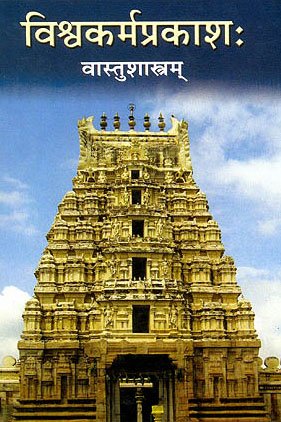
Vastushastra (वास्तुशास्त्र, vāstuśāstra) refers to the ancient Indian science (shastra) of architecture (vastu), dealing with topics such architecture, sculpture, town-building, fort building and various other constructions. Vastu also deals with the philosophy of the architectural relation with the cosmic universe.
Purana and Itihasa (epic history)
Bhūmi (भूमि).—The earth. General. The Purāṇas maintain that Bhūmi has a Devī (goddess). The births of Bhūmi and its basic goddess are in two different ways. (See full article at Story of Bhūmi from the Puranic encyclopaedia by Vettam Mani)
Bhūmi (भूमि).—Wife of Dhruva. This Bhūmi devī, the daughter of Śiśumāra had two sons named Kalpa and Vatsala, by Dhruva. (Bhāgavata, Caturtha Skandā).
Bhūmi (भूमि).—Another Bhūmi, who was the wife of a king named Bhūmipati is mentioned in Mahābhārata Udyoga Parva, Chapter 117, Verse 14).
Source: archive.org: Puranic Encyclopedia
Bhūmi (भूमि) refers to the “earth”, according to the Śivapurāṇa 2.3.31 (“Description of Śiva’s magic”).—Accordingly, as the Gods though amongst themselves: “If the mountain were to give his daughter to Śiva with single-minded devotion he will attain salvation immediately and will disappear from Bhārata. The mountain is the storehouse of endless gems. If he were to leave off the Earth and go, the name of the Earth (bhūmi)—Ratnagarbhā (having gems in the womb)—shall be a misnomer. [...]”.
Bhūmi (भूमि) refers to the “spacious terraces (of a palace)”, according to the Śivapurāṇa 2.5.23 (“Outraging the modesty of Vṛndā”).—Accordingly, as Sanatkumāra narrated to Vyāsa: “[...] Then the lady Vṛndā (the wife of Jalandhara) woke up still thinking of the dream she had had. She saw the rising sun with a hole in the middle and fading repeatedly. On realising that it was a bad portent, the terrified lady began to cry. She did not feel happy at all in the spacious terraces and towers of the palace (gopura-aṭṭāla-bhūmi). [...]”.
Source: archive.org: Shiva Purana - English Translation
Bhūmi (भूमि).—(also Bhū) Earth personified;1 a Śakti;2 equal to diva in measurement; 150 crores of yojanas; extends in all directions from Meru; wife of Dhruva and mother of Sṛṣṭi; milked as cow by Pṛthu with Cākṣuṣa Manu as calf, by Bṛhaspati for the sages, by the sun for the gods, by Antaka for Pitṛs, by Diti's son for the Asuras, by Vāsuki for the Nāgas, by Rajatanābha for the Yakṣas, by the Rākṣasas and Piśācas; 500 crores in extent.3 Felt the heavy weight of the Asuras and reported to Brahmā in the assemblage of Gods at Meru with special reference to Kaṃsa,. Viṣṇu performed an avatār as Kṛṣṇa to do away with him.4 On the death of Naraka, she appealed to Kṛṣṇa to forgive his inequities and liberate him.5
- 1) Bhāgavata-purāṇa III. 3. 6.
- 2) Brahmāṇḍa-purāṇa IV. 44. 74; Matsya-purāṇa 2. 32.
- 3) Brahmāṇḍa-purāṇa II. 21. 3, 12-17; 36. 96; 202. 27; IV. 37. 90.
- 4) Viṣṇu-purāṇa V. 1. 12-66.
- 5) Ib. V. 29. 23-30.
Source: Cologne Digital Sanskrit Dictionaries: The Purana Index
Bhūmi (भूमि) refers to one of the various kinds of articles used for donation, according to the 10th century Saurapurāṇa: one of the various Upapurāṇas depicting Śaivism.—Accordingly, the tenth chapter contains the praise and classification of donations. It narrates the characteristics of proper recipients and the results of giving different kinds of articles like Bhūmi, Vidyā, Anna, Jala, Tila, Vāsa, Dīpa, Yāna, Śayyā, Dhānya, Aśva, Śāka, Indhana, Chatra, Auṣadha, Go, etc.
Source: Shodhganga: The saurapurana - a critical study
context information
The Purana (पुराण, purāṇas) refers to Sanskrit literature preserving ancient India’s vast cultural history, including historical legends, religious ceremonies, various arts and sciences. The eighteen mahapuranas total over 400,000 shlokas (metrical couplets) and date to at least several centuries BCE.
Shilpashastra (iconography)
Bhūmi (भूमि) is a synonym for adhiṣṭhāna (‘platform’), according to the Kāśyapaśilpa 6.1-2. The word adhiṣṭhāna is Sanskrit technical term referring to the “base” or “platform” on which a structure is built.
Source: Wisdom Library: Śilpa-śāstra
context information
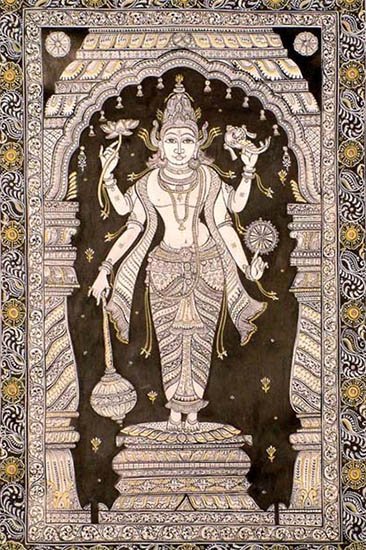
Shilpashastra (शिल्पशास्त्र, śilpaśāstra) represents the ancient Indian science (shastra) of creative arts (shilpa) such as sculpture, iconography and painting. Closely related to Vastushastra (architecture), they often share the same literature.
Jyotisha (astronomy and astrology)
Bhūmi (भूमि).—1. Base of a triangle. 2. Earth. Note: Bhūmi is a Sanskrit technical term used in ancient Indian sciences such as Astronomy, Mathematics and Geometry.
Source: Wikibooks (hi): Sanskrit Technical Terms

context information
Jyotisha (ज्योतिष, jyotiṣa or jyotish) refers to ‘astronomy’ or “Vedic astrology” and represents the fifth of the six Vedangas (additional sciences to be studied along with the Vedas). Jyotisha concerns itself with the study and prediction of the movements of celestial bodies, in order to calculate the auspicious time for rituals and ceremonies.
Ayurveda (science of life)
Nighantu (Synonyms and Characteristics of Drugs and technical terms)
Bhūmi (भूमि) or Bhūmī refers to “earth” and is mentioned in a list of 53 synonyms for dharaṇi (“earth”), according to the second chapter (dharaṇyādi-varga) of the 13th-century Raj Nighantu or Rājanighaṇṭu (an Ayurvedic encyclopedia). The Dharaṇyādi-varga covers the lands, soil [viz., Bhūmi], mountains, jungles and vegetation’s relations between trees and plants and substances, with their various kinds.
Source: Wisdom Library: Raj Nighantu
Veterinary Medicine (The study and treatment of Animals)
Bhūmi (भूमि) refers to the “earth”, according to the 15th century Mātaṅgalīlā composed by Nīlakaṇṭha in 263 Sanskrit verses, dealing with elephantology in ancient India, focusing on the science of management and treatment of elephants.—[Cf. chapter 1, “on the origin of elephants”]: [After Dīrghatapas cursed the elephants]: “13. The elephants of the quarters, attended by all the elephant tribes, went and said to the Lotus-born (=Brahmā): ‘O god, when our kinsfolk have gone to earth (bhūmi) by the power of fate, they may be a prey to diseases, because of unsuitable and undigested food due to eating coarse things and overeating, and other causes’. Thus addressed by them in their great distress, the Lotus-born replied to them: ‘[...]’.”.
Source: archive.org: The Elephant Lore of the Hindus
Agriculture (Krishi) and Vrikshayurveda (study of Plant life)
Bhūmi (भूमि) (or, pṛthivī) refers to the “soil” (which provides anchorage to the Seedling or praroha); it represents a technical term related to the morphology branch of “plant science”, which ultimately involves the study of life history of plants, including its origin and development, their external and internal structures and the relation of the members of the plant body with one another.—During the process of germination of a seed (praroha) there are four factors involved—soil (bhūmi/pṛthivī), water (ap), air (vāta) and heat (ātapa) which help nourish the seedling (praroha) and promote its growth. The soil (bhūmi/pṛthivī) provides anchorage to the seedling; water is required for the synthesis of the materials from the soil; air for the sprouting of the shoots; heat is necesssary for the total thermal and colouring phenomena involved in the process of sprouting of a seed and thereafter for the growth of the plant.
Source: archive.org: Vriksha Ayurveda A Treatise On Plant Science
Bhūmi (भूमि) (or, kṣiti) refers to “that element which causes the aromatic principles, heaviness and distinct image in a plant body”; it represents one of the Pāñcabhautika (“five elementary matters”) that are associated with the Rasa (“watery juice”) part of a plant; representing a technical term related to the morphology branch of “plant science”, which ultimately involves the study of life history of plants, including its origin and development, their external and internal structures and the relation of the members of the plant body with one another.—The ‘_rasa_’ (watery juice) nourishes the plant organs with all the derivatives of five ‘_pāñcabhautika_’ elementary matters, viz. kṣiti (bhūmi), āp, teja, vāyu and ākāśa. The bhūmi-mahābhūta is responsible for creating aromatic principles, heaviness and distinct image.
Source: academia.edu: Plant Morphology as depicted in Sanskrit texts
context information
Āyurveda (आयुर्वेद, ayurveda) is a branch of Indian science dealing with medicine, herbalism, taxology, anatomy, surgery, alchemy and related topics. Traditional practice of Āyurveda in ancient India dates back to at least the first millenium BC. Literature is commonly written in Sanskrit using various poetic metres.
Shaiva philosophy
Bhūmi (भूमि) refers to a “level (of reality)”, according to the Īśvarapratyabhijñāvivṛtivimarśinī.—Accordingly, “The highest level [of reality] (parama-bhūmi), although it is concealed to the highest point within the [Śaiva nondualistic] scriptures, is absolutely never unmanifest; rather, it is always [in the process of] manifesting [itself]—this is the gist [of Utpaladeva’s answer]. And [Utpaladeva] has explained this in the verse on [the Self being] always already established”.
Source: Brill: Śaivism and the Tantric Traditions (philosophy)
context information
Shaiva philosophy is a spritiual tradition within Hinduism that includes theories such as the relationship between the Atman (individual soul) and Siva, the nature of liberation (moksha), and the concepts of maya (illusion) and shakti (divine energy). Saiva philosophy teaches that union with Shiva can be achieved through knowledge, devotion, and spiritual practice. It encompasses major branches like Shaiva Siddhanta and Kashmir Shaivism.
Shaktism (Shakta philosophy)
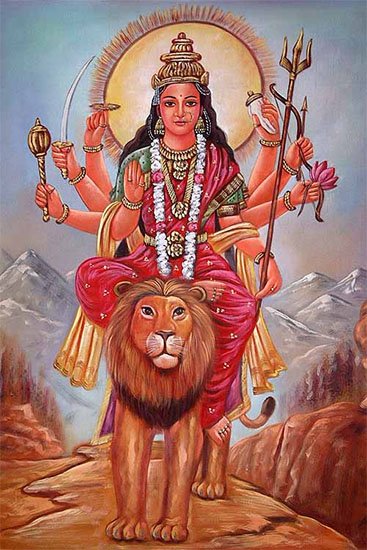
Bhūmi (भूमि) [mentioned as: _bhūmirbhujagahāriṇī_] refers to one of the “thousand names of Kumārī”, as mentioned in the Kumārīsahasranāma, which is included in the 10th chapter of the first part (prathamabhāga) of the Rudrayāmala-Uttaratantra: an ancient Tantric work primarily dealing with the practice of Kuṇḍalinī-yoga, the worship of Kumārī and discussions regarding the Cakras. This edition is said to be derived of the Rudrayāmalatantra and consists of 6000 verses in 90 chapters (paṭalas) together with the Saralā-Hindīvyākhyopetam (i.e., the Rudrayamalam Uttaratantram with Sarala Hindi translation).—Bhūmi is mentioned in śloka 1.10.129.—The chapter notes that one is granted the rewards obtained by reciting the text even without the performance of pūjā (worship), japa, snāna (bathing) and puraścaryā
Source: archive.org: Rudra Yamalam Uttara Tantram Dr. Sudhakar Malaviya
Bhūmi (भूमि) refers to the “earth”_,_ according to Sāhib Kaul’s Śārikāstrotra.—Accordingly, “[...] He who remembers your next syllable, which is īśa with abja, vahni, and padma, is remembered by goddesses in heaven, Nāga maidens in the netherworld, and women on earth (bhūmi) confused by the arrows of Kāma. [...]”.
Bhūmi (भूमि) refers to a “place”, according to Sāhib Kaul’s Śārikāstrotra.—Accordingly, “[...] There is no place (bhūmi) where you do not reside; there is no voice in which you are not expressed. There is no word in which you are not heard; there is no thing in which you do not shine. [...]”.
Source: Brill: Śaivism and the Tantric Traditions (shaktism)
context information
Shakta (शाक्त, śākta) or Shaktism (śāktism) represents a tradition of Hinduism where the Goddess (Devi) is revered and worshipped. Shakta literature includes a range of scriptures, including various Agamas and Tantras, although its roots may be traced back to the Vedas.
Ganitashastra (Mathematics and Algebra)
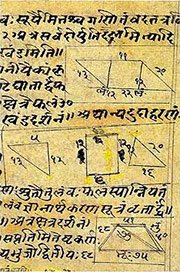
Bhūmi (भूमि) represents the number 1 (one) in the “word-numeral system” (bhūtasaṃkhyā), which was used in Sanskrit texts dealing with astronomy, mathematics, metrics, as well as in the dates of inscriptions and manuscripts in ancient Indian literature.—A system of expressing numbers by means of words arranged as in the place-value notation was developed and perfected in India in the early centuries of the Christian era. In this system the numerals [e.g., 1—_bhūmi_] are expressed by names of things, beings or concepts, which, naturally or in accordance with the teaching of the Śāstras, connote numbers.
Source: archive.org: Hindu Mathematics
context information
Ganita (गणित) or Ganitashastra refers to the ancient Indian science of mathematics, algebra, number theory, arithmetic, etc. Closely allied with astronomy, both were commonly taught and studied in universities, even since the 1st millennium BCE. Ganita-shastra also includes ritualistic math-books such as the Shulba-sutras.
Pancaratra (worship of Nārāyaṇa)
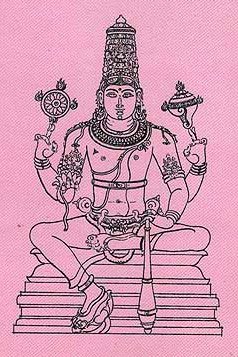
Bhūmi (भूमि) is the name of an ancient Pāñcarātra Saṃhitā mentioned in the Kapiñjalasaṃhitā: a Pāñcarātra work consisting of 1550 verses dealing with a variety of topics such as worship in a temple, choosing an Ācārya, architecture, town-planning and iconography.—For the list of works, see chapter 1, verses 14b-27. The list [including Bhūmi-saṃhitā] was said to have comprised “108” titles, these, different saṃhitās named after different manifestations of the Lord or different teachers. They are all said to be authoritative as the ultimate promulgator of all these is the same Nārāyaṇa.
Bhūmi (भूमि) or Bhūmisaṃhitā is also mentioned in the Bhāradvājasaṃhitā or “Bhāradvāja-kaṇva-saṃhitā”: a Pāñcarātra text comprising some 230 ślokas mainly concerned with basic details concerning temple construction and icon consecration.
Source: Wisdom Library: Pancaratra (Samhita list)
Bhūmi (भूमि) refers to a “place for meditation”, as discussed in chapter 4 of the Śrīpraśnasaṃhitā: a Pāñcarātra text comprising 5500 Sanskrit verses covering a number of subjects ranging from selecting a temple site through building and furnishing it to sanctifying and maintaining worship in the sacred complex.— Description of the chapter [_ācārya-varaṇa-pūrvaka-bhūmisaṃgrahaṇa_]: [...] Śrī asks for more details about this way of worship. She is told first about the Yajamāna (patron [of a temple-building enterprise]) and of his prerequisites (13b-15). Then she is told about the proper Brahmin Ācārya-director (16-18). These two must work together to provide a place where the Lord may be properly installed and worshipped. Details are given regarding the selection and the preparations of the site (bhūmi) upon which the temple is to be constructed (20-57a) up through the _vāstupuruṣahoma_-rites.
Source: archive.org: Catalogue of Pancaratra Agama Texts
context information
Pancaratra (पाञ्चरात्र, pāñcarātra) represents a tradition of Hinduism where Narayana is revered and worshipped. Closeley related to Vaishnavism, the Pancaratra literature includes various Agamas and tantras incorporating many Vaishnava philosophies.
Kama-shastra (the science of Love-making)
Bhūmi (भूमि) refers to “land” (acquired through the pursuit of Artha), according to the Vātsyāyana’s Kāmasūtra: a Sanskrit text from the 2nd century dealing with eroticism, sexuality and emotional fulfillment in life belonging to Kāmaśāstra (the ancient Indian science of love-making).—Accordingly, “Man, the period of whose life is one hundred years, should practise dharma, artha and kāma at different times and in such a manner that they may harmonize together and not clash in any way. [...] Artha is the acquisition of arts, land (bhūmi), gold, cattle, wealth, equipages and friends. It is, further, the protection of what is acquired, and the increase of what is protected. [_... arjanamarjitasya vivardhanamarthaḥ_] Artha should be learnt from the king's officers, and from merchants who may be versed in the ways of commerce. [...]”.
Source: archive.org: The Kama sutra of Vatsyayana (Burton)

context information
Kamashastra (कामशास्त्र, kāmaśāstra) deals with ancient Indian science of love-making, passion, emotions and other related topics dealing with the pleasures of the senses.
General definition (in Hinduism)
Bhūmī-Devī is the personification of Mother Earth. She is the consort of Varaha, an avatar of Vishnu and regarded as the mother of the goddess Sita.
According to the uttara-kanda, when Sita finally leaves her husband Rama, she returns to Bhumidevi. She is the mother of the demon Narakasura. Bhumi Devi is also believed to be one of the two forms of Lakshmi. The other is Sridevi, who remains with Narayana. Bhudevi is the Goddess of Earth, and the fertility form of Lakshmi. She is the daughter of Kashyap Prajapati. According to some she is also Satyabhama, wife of Sri Krishna in Dwapara Yuga and the divine saint Andal. Several female deities have had births similar to Sita.
etymology: Bhūmi (Sanskrit: भूमि), also Bhūmī-Devī (Sanskrit: भूमी देवी), Bhuma-Devi or Bhū-Devī.
Source: WikiPedia: Hinduism
Theravada (major branch of Buddhism)
Bhumi means the place where sattas with similar characters arise and dwell.
Source: Journey to Nibbana: Patthana Dhama
context information
Theravāda is a major branch of Buddhism having the the Pali canon (tipitaka) as their canonical literature, which includes the vinaya-pitaka (monastic rules), the sutta-pitaka (Buddhist sermons) and the abhidhamma-pitaka (philosophy and psychology).
Mahayana (major branch of Buddhism)
Bhūmi (भूमि):—There are two kinds of grounds:
- the grounds belonging to the bodhisattva (bodhisattvabhūmi) alone,
- the shared grounds (sādhāraṇabhūmi).
Source: Wisdom Library: Maha Prajnaparamita Sastra
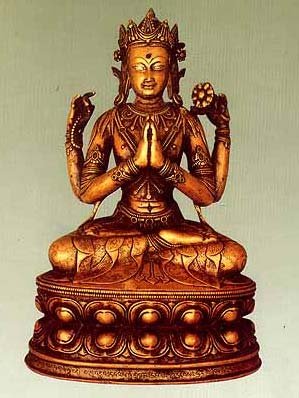
Bhūmi (भूमि) refers to a “stage” (e.g., ‘the stage of consecration’), according to the Gaganagañjaparipṛcchā: the eighth chapter of the Mahāsaṃnipāta (a collection of Mahāyāna Buddhist Sūtras).—Accordingly, “What then, son of good family, is the recollection of gods (devānusmṛti), which is authorized by the Lord for Bodhisattvas? [...] Further, the Bodhisattvas who are hindered by only one birth, and who dwell in the Tuṣita Heaven recollect ten qualities as the summit What are those ten qualities? (1) the perfection of insight as the summit of all perfections; (2) the supernormal knowledge without retrogression [as the summit] of all supernormal knowledges; (3) the stage of consecration (abhiṣeka-bhūmi) [as the summit] of all stages; (4) the right view and concentration without retrogression [as the summit] all wings of awakening; (5) the meaning and eloquence without obstruction [as the summit] of special knowledges; [...]”.
Source: academia.edu: A Study and Translation of the Gaganagañjaparipṛcchā
context information
Mahayana (महायान, mahāyāna) is a major branch of Buddhism focusing on the path of a Bodhisattva (spiritual aspirants/ enlightened beings). Extant literature is vast and primarely composed in the Sanskrit language. There are many sūtras of which some of the earliest are the various Prajñāpāramitā sūtras.
Tibetan Buddhism (Vajrayana or tantric Buddhism)
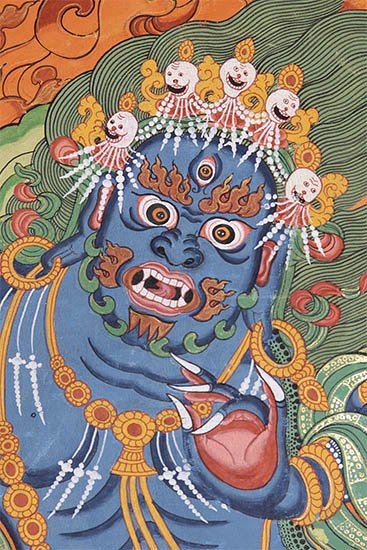
Bhūmi (भूमि) refers to a group of twelve deities, commonly depicted in Buddhist Iconography, and mentioned in the 11th-century Niṣpannayogāvalī of Mahāpaṇḍita Abhayākara.—In Buddhism the bhūmis are recognized as different spiritual spheres through which a Bodhisattva moves in his quest for Buddha-hood and omniscience. They are recognized as ten in number to which the Vajrayāna added two to make it twelve. As the Bodhisattva progresses in spiritual path, he develops certain special qualities which entitle him to move towards the higher bhūmis. They are arranged one upon another in a regular order with the last at the top which when reached, makes the Bodhisattva equal to a Buddha and he attains omniscience.
These bhūmis (“spiritual spheres”) are not meant for the Hīnayānists but were exclusively designed for the Mahāyānists who are the real Bodhisattvas. No Buddhist will be called a Bodhisattva who has no compassion for suffering humanity or who will not be prepared to sacrifice his all for the benefit of others, The Vajrayānist conception is the same, and it defines bodhi mind as one where śūnya and karuṇā (compassion) work in unison.
Source: archive.org: The Indian Buddhist Iconography
Bhūmi (भूमि) refers to the “(twelve) levels” (of Bodhisattvas) (dvādaśabhūmi).—In the Ḍākārṇava 15, the pure nature (śuddhi) of the Herukamaṇḍala is expressed by doctrinal concepts from various Buddhist traditions (which is a general mode of explaining the purity of the maṇḍala in Buddhist Tantrism). The Heruka maṇḍala also represents these Buddhist concepts, e.g., the twelve levels of Bodhisattvas (dvādaśabhūmi).
Source: MDPI Books: The Ocean of Heroes
context information
Tibetan Buddhism includes schools such as Nyingma, Kadampa, Kagyu and Gelug. Their primary canon of literature is divided in two broad categories: The Kangyur, which consists of Buddha’s words, and the Tengyur, which includes commentaries from various sources. Esotericism and tantra techniques (vajrayāna) are collected indepently.
General definition (in Buddhism)
Bhūmi (भूमि) or Daśahūmi refers to the “ten stages (of the Bodhisattva)” as defined in the Dharma-saṃgraha (section 64).
- pramuditā (the rejoicing),
- vimalā (the unstained),
- prabhākarī (the light-making),
- arciṣmatī (the radiant),
- sudurjayā (the very difficult of success),
- abhimukhī (the manifest),
- dūraṅgamā (the far-gone),
- acalā (the immovable),
- sādhumatī (the really intelligent),
- dharmameghā (and the cloud of dharma).
The Dharma-samgraha (Dharmasangraha) is an extensive glossary of Buddhist technical terms in Sanskrit (e.g., dhūmi). The work is attributed to Nagarjuna who lived around the 2nd century A.D.
Bhūmi can also refer to the “thirteen stages”, or trayodaśa-bhūmi, which includes the above ten stages as well as the following three:
- samantaprabhā, (the all-round light),
- _nirupamā, (the incomparable),
- _jñānavatī, (the knowledgeable),
Source: Wisdom Library: Dharma-samgraha
The Ten Bodhisattva Bhūmi are the ten stages on the Mahayana bodhisattva's path of awakening. The Sanskrit term bhūmi literally means "ground" or "foundation". Each stage represents a level of attainment, and serves as a basis for the next one. Each level marks a definite advancement in one's training, that is accompanied by progressively greater power and wisdom.
The bhūmis are subcategories of the Five Paths (pañcamārga, Wylie Tibetan lam lnga):
- The path of accumulation (saṃbhāra-mārga, Wylie Tibetan: tshogs lam). Persons on this Path:
Possess a strong desire to overcome suffering, either their own or others;
Renounce the worldly life. - The path of preparation or application (prayoga-mārga, Wylie Tibetan: sbyor lam). Persons on this Path:
Start practicing meditation;
Have analytical knowledge of emptiness. - The path of seeing (darśana-mārga, Wylie Tibetan: mthong lam). Persons on this Path:
Practice profound concentration meditation on the nature of reality;
Realize the emptiness of reality. - The path of meditation (bhāvanā-mārga, Wylie Tibetan: sgom lam). Persons on this path purify themselves and accumulate wisdom.
- The path of no more learning or consummation (aśaikṣā-mārga, Wylie Tibetan: mi slob pa’i lam or thar phyin pa'i lam). Persons on this Path have completely purified themselves.
Passage through the grounds and paths begins with Bodhicitta, the wish to liberate all sentient beings. Aspiring Bodhicitta becomes Engaging Bodhicitta upon actual commitment to the Bodhisattva vows. With these steps, the practitioner becomes a Bodhisattva, and enters upon the paths.
etymology: Ten Bodhisattva Bhūmi (Sanskrit; Tibetan "byang chub sems dpa'i sa", enlightenment-being grounds/levels)
The Avataṃsakasūtra refers to the following ten bhūmis:
- The first bhūmi, the Very Joyous. (Skt. Pramudita), in which one rejoices at realizing a partial aspect of the truth;
- The second bhūmi, the Stainless. (Skt. Vimala), in which one is free from all defilement;
- The third bhūmi, the Luminous. (Skt. Prabhakari), in which one radiates the light of wisdom;
- The fourth bhūmi, the Radiant. (Skt. Archishmati), in which the radiant flame of wisdom burns away earthly desires;
- The fifth bhūmi, the Difficult to Cultivate. (Skt. Sudurjaya), in which one surmounts the illusions of darkness, or ignorance as the Middle Way;
- The sixth bhūmi, the Manifest. (Skt. Abhimukhi) in which supreme wisdom begins to manifest;
- The seventh bhūmi, the Gone Afar. (Skt. Duramgama), in which one rises above the states of the Two vehicles;
- The eighth bhūmi, the Immovable. (Skt. Achala), in which one dwells firmly in the truth of the Middle Way and cannot be perturbed by anything;
- The ninth bhūmi, the Good Intelligence. (Skt. Sadhumati), in which one preaches the Law freely and without restriction;
- The tenth bhūmi, the Cloud of Doctrine. (Skt. Dharmamegha), in which one benefits all sentient beings with the Law (Dharma), just as a cloud sends down rain impartially on all things.
Source: WikiPedia: Buddhism
A technical term made use of in Mahayana tradition and meaning "earth", "level" and more often "stage".
Source: Buddhism Tourism: Glossary of Buddhist Terms
General definition (in Jainism)
Bhumī (भुमी, “land”).—according to the 2nd-century Tattvārthasūtra 3.1, “the lower world (adholoka or naraka) consists of seven ‘lands’ (bhumī) one below the other, surrounded by three kinds of strata (of light and dense air and space)”.
There are seven ‘lands’’ (bhumī) or layers of hell, namely:
- Ratnaprabhā,
- Śarkarāprabhā,
- Bālukāprabhā or Vālukāprabhā,
- Paṅkaprabhā,
- Dhūmaprabhā,
- Tamaḥprabhā,
- Mahātamaḥprabhā.
These ‘lands’ (in sequential order) are also known as Ghammā, Vaṃsā, Meghā, Aṃjanā, Arista, Maghavī and Māghavī. These seven lands exist in the downward order (one below the other) with Ratnaprabhā being the topmost supported by the cushions of humid atmosphere (ghana), dense air /water (ambu), which rests in a ring of thin /rarified air (vāta) resting in space (ākāśa).
according to the 2nd-century Tattvārthasūtra 3.2-4, “In these (lands, bhumī) there are thirty hundred thousand, twenty-five hundred thousand, three hundred thousand, one hundred thousand less five and only five infernal abode-holes respectively. The thought-colouration, environment, body, suffering and shape of the body (or deeds) are in succession incessantly more and more inauspicious among the infernal beings. They cause misery and suffering to one another”.
Source: Encyclopedia of Jainism: Tattvartha Sutra 3: The Lower and middle worlds
Bhūmi (भूमि) refers to the “ground”, according to the 11th century Jñānārṇava, a treatise on Jain Yoga in roughly 2200 Sanskrit verses composed by Śubhacandra.—Accordingly, “On a flat piece of wood or stone, on the ground (bhūmi) or on sandy soil, the wise [person] should adopt a stable posture for the accomplishment of absorption. Thus, sitting cross-legged, sitting half cross-legged, thunderbolt, hero posture and the previously mentioned pleasant and lotus [postures] as well as abandonment of the body is highly thought of. [...]”.
Source: The University of Sydney: A study of the Twelve Reflections

context information
Jainism is an Indian religion of Dharma whose doctrine revolves around harmlessness (ahimsa) towards every living being. The two major branches (Digambara and Svetambara) of Jainism stimulate self-control (or, shramana, ‘self-reliance’) and spiritual development through a path of peace for the soul to progess to the ultimate goal.
Bhumi is one of the terms designating an ‘administrative division’ used in the inscriptions of Andhra Pradesh.—It generally means a particular land measure and sometimes used to designate a territorial division. The bhumi type of divisions were few and far between and were instituted for the first time in Andhra Pradesh by the Kakatiyas, e.g., Sakhali-bhumi.
Source: Shodhganga: A study of place names of Nalgonda district
Bhūmi or Bhūmī.—(EI 3; CII 3), a particular land measure; sometimes also called bhū and regarded as equal to four bhū- māṣakas (cf. bhū). (CII 4), a territorial divison. (EI 7-1-2), ‘one’. Note: bhūmi is defined in the “Indian epigraphical glossary” as it can be found on ancient inscriptions commonly written in Sanskrit, Prakrit or Dravidian languages.
Source: Cologne Digital Sanskrit Dictionaries: Indian Epigraphical Glossary

context information
The history of India traces the identification of countries, villages, towns and other regions of India, as well as mythology, zoology, royal dynasties, rulers, tribes, local festivities and traditions and regional languages. Ancient India enjoyed religious freedom and encourages the path of Dharma, a concept common to Buddhism, Hinduism, and Jainism.
Pali-English dictionary
bhūmi : (f.) ground; earth; region; stage; plane.
Source: BuddhaSasana: Concise Pali-English Dictionary
Bhūmi, (f.) (cp. Vedic bhūmi, Av. būmiš soil, ground, to bhū, as in bhavati, cp. Gr. fuζis etc. See bhavati) 1. (lit.) ground, soil, earth Vin. II, 175; Sn. 418 (yāna° carriage road); Pv. I, 1014≈; SnA 353 (heṭṭhā-bhūmiyaṃ under the earth); DhA. I, 414 (id. , opp. upari-bhūmiyaṃ).—2. place, quarter, district, region M. I, 145 (jāti° district of one’s birth); Sn. 830 (vighāta°); Nd2 475 (danta°); DhA. I, 213 (āpāna°); PvA. 80 (susāna°).—uyyāna° garden (-place or locality) Vv 6419; Pv. II, 129; J. I, 58.—3. (fig.) ground, plane, stage, level; state of consciousness, Vin. I. 17; Vbh. 322 sq. ; Vism. 126, 442 (with ref. to the 4 Paṭisambhidā, as sekha-bhūmi & asekha-bhūmi), 517 (paññā°-niddesa). Usually —°: indriya° Nett 192; dassana° plane of insight Nett 8, 14, 50; sukha° ground for happiness Dhs. 984 (cp. DhsA. 214).—bhūmi-ttaya the 3 stages, viz. kāmâvacara, rūpâvacara, lokuttara Vism. 493.—pl. bhūmiyo Ps. II, 205=Vism. 384 (applied to the 4 jhānas); purisa° (aṭṭha p. bh. eight stages of the individual; viz. manda-bhūmi, khiḍḍā°, vīmaṃsana°, ujugata°, sekha°, samaṇa°, jina°, panna°, or as translated by Rh. D. in Dial. I. 72, under “eight stages of a prophet’s existence”; babyhood, playtime, trial time, erect time, learning time, ascetic time, prophet time & prostrate time. Cp. the 10 decades of man’s life, as given by Bdhgh at Vism. 619).—Bdhgh, when defining the 2 meanings of bhūmi as “mahā-paṭhavī” and as “cittuppāda” (rise of thought) had in view the distinction between its literal & figurative meaning. But this def. (at DhsA. 214) is vague & only popular.—An old Loc. of bhūmi is bhumyā, e.g. J. I, 507; V, 84. Another form of bhūmi at end of cpds. is bhūma (q. v.).
Source: Sutta: The Pali Text Society's Pali-English Dictionary
bhūmi (ဘူမိ) [(pu) (ပု)]—
[bhū+mi.piyabhāvena bhavatīti bhūmi.cūḷavā,gaṃ,...pā,yo-aruḷhī.]
[ဘူ+မိ။ ပိယဘာဝေန ဘဝတီတိ ဘူမိ။ စူဠဝါ၊ ဂံ၊ သစ်။ ဠဲ။ ဝမ်း။ ပါစိတ်၊ ယော-အလိုရုဠှီနာမ်ပုဒ်။]bhūmi (ဘူမိ) [(thī) (ထီ)]—
[bhū+mi.,7.139.,ṭī.188.]
[ဘူ+မိ။ မောဂ်၊ ၇။ ၁၃၉။ ဓာန်၊ ဋီ။ ၁၈၈။]
Source: Sutta: Pali Word Grammar from Pali Myanmar Dictionary
[Pali to Burmese]
- bhūmi—
(Burmese text): (၁) မြေ။ (၂) ဘုံ၊ ဗိမာန်။ (၃ဝ အဖို့အစု။ (၄) အပိုင်းအခြား။ (၅) ဖြစ်ရာ။ (က) အကျိုးတရား၏ဖြစ်ရာ၊ အကြောင်း။ (ခ) ကိလေသာ၏ဖြစ်ရာ၊ အာရုံ၊ (ဂ) အဓိကရုဏ်းစသည်၏ဖြစ်ရာ။ (ဃ) နယ,ဟာရတို့၏ဖြစ်ရာ။ (၆) အခိုက်အတန့်၊ အဆင့်အတန်း။ ဗုဒ္ဓဘူမိ (၁) (က) (ခ) ကြည့်။
(Auto-Translation): (1) Earth. (2) Universe, distinction. (3) For the total. (4) Other parts. (5) Cause of existence. (a) The cause of benefit, reason. (b) The cause of sensation, perception. (c) The cause of principal essence, etc. (d) The cause of states of consciousness. (6) Stages, levels. See Buddha's teachings (1) (a) (b).
- bhūmi—
(Burmese text): ငါ့ရှင်။
(Auto-Translation): My lord.
Source: Sutta: Tipiṭaka Pāḷi-Myanmar Dictionary (တိပိဋက-ပါဠိမြန်မာ အဘိဓာန်)
context information
Pali is the language of the Tipiṭaka, which is the sacred canon of Theravāda Buddhism and contains much of the Buddha’s speech. Closeley related to Sanskrit, both languages are used interchangeably between religions.
Marathi-English dictionary
bhūmi (भूमि).—f (S) The earth. 2 The ground. 3 This word will be met with in most of the senses under jamīna. 3 In geometry. The base of a polygon: also base in general.
Source: DDSA: The Molesworth Marathi and English Dictionary
bhūmi (भूमि).—f The earth. The ground. Base.
Source: DDSA: The Aryabhusan school dictionary, Marathi-English
context information
Marathi is an Indo-European language having over 70 million native speakers people in (predominantly) Maharashtra India. Marathi, like many other Indo-Aryan languages, evolved from early forms of Prakrit, which itself is a subset of Sanskrit, one of the most ancient languages of the world.
Sanskrit dictionary
Bhūmi (भूमि).—f. [_bhavantyasmin bhūtāni, bhū-mi kicca vā ṅīp_]
The earth (opp. svarga, gagana or pātāla); द्यौर्भूमिरापो हृदयं यमश्च (dyaurbhūmirāpo hṛdayaṃ yamaśca) Pañcatantra (Bombay) 1.182; R.2.74.
Soil, ground; उत्खातिनी भूमिः (utkhātinī bhūmiḥ) Ś.1; विदूरभूमिः (vidūrabhūmiḥ) Kumārasambhava 1.24.
A territory, district, country, land; विदर्भभूमिः (vidarbhabhūmiḥ).
A place, spot, ground, plot of ground; प्रमदवनभूमयः (pramadavanabhūmayaḥ) Ś.6; अधित्यकाभूमिः (adhityakābhūmiḥ) N.22.41; R.1. 52;3.61; Kumārasambhava 3.58.
A site, situation.
Land, landed property.
A story, the floor of a house; as in सप्तभूमिकः प्रासादः (saptabhūmikaḥ prāsādaḥ); प्रासादैर्नैकभूमिभिः (prāsādairnaikabhūmibhiḥ) Rām.4.33.8.
Attitude, posture.
A character or part (in a play); cf. भूमिका (bhūmikā).
Subject, object, receptacle; विश्वासभूमि, स्नेहभूमि (viśvāsabhūmi, snehabhūmi) &c.; मात्राणि कर्माणि पुरं च तासां वदन्ति हैकादशवीर भूमिः (mātrāṇi karmāṇi puraṃ ca tāsāṃ vadanti haikādaśavīra bhūmiḥ) Bhāgavata 5.11.9.
Degree, extent, limit; प्रकुपितमभिसारणे- ऽनुनेतुं प्रियमियती ह्यबलाजनस्य भूमिः (prakupitamabhisāraṇe- 'nunetuṃ priyamiyatī hyabalājanasya bhūmiḥ) Kirātārjunīya 1.58.
The tongue.
The number 'one'.
The area.
The base of any geometrical figure.
Derivable forms: bhūmiḥ (भूमिः).
--- OR ---
Bhūmī (भूमी).—The earth; see भूमि (bhūmi).
Source: DDSA: The practical Sanskrit-English dictionary
Bhumī (भुमी).—(?) , Lalitavistara 155.11 (verse), so Calcutta (see LV.) and Lefm., who cites all mss. as bhūmī (unmetrical(ly)): na ca utthitu āsani no ca bhumī; Tibetan gdan las ma bzheṅs (from seat not arise) brtsol ba ma mchis su (not making any effort; brtsol = vyāyāma, vyavasāya). Possibly read bhramī, aor. of root bhram? and did not stir.
--- OR ---
Bhūmi (भूमि).—f., (1) (as in Sanskrit) earth, ground: bhūmyāṃ va carā(ḥ) = bhūmya (q.v.) or bhaumya (gods); in Lalitavistara 187.12 (prose) udyāna-bhūmim upaśobhitaṃ (n. sg.) seems to present bhūmi as nt., but Tibetan seems to have read simply udyānam (skyed mos tshal), without bhūmi; udyānabhūmi (Pali uyyāna°) is however common, Saddharmapuṇḍarīka 96.11 etc.; (2) capital, amount (of money; unrecorded, but seems used in same meaning Mahābhārata Crit. ed. ii.47.2c, where it contrasts with phala, interest): kāśibhūmiṃ kṣamati Mahāvastu iii.375.18, see s.v. kāśi, 2; (3) (= Pali id.) stage, state, [Page411-a+ 71] condition: kumāra-bhūmīm (childhood) atināmayitvā Saddharmapuṇḍarīka 68.7 (verse); śaikṣa-bhūmau, loc. (Pali sekha-bh°), the stage of a śaikṣa, q.v., Saddharmapuṇḍarīka 70.13; nirvāṇa-bhūmi-sthitā(ḥ) sma ity ātmāna (i.e. °naṃ? WT ātmanaḥ) saṃjānatāṃ (gen. pl. pres. pple.) Saddharmapuṇḍarīka 71.2 (prose), supposing themselves (erroneously) to be fixed in the state of nirvāṇa; apāya- bhūmiḥ, state of misfortune (one of three such, see apāya) Saddharmapuṇḍarīka 96.11; pithanārthāya apāyabhūmināṃ Lalitavistara 178.7 (verse), to block the way (see pithana) to the states of misfortune; in Lalitavistara 178.9 (verse) text baddhvā dvāra nirayāya bhūmināṃ, but read tri-r-apāya-bhū° with Tibetan ṅan soṅ gsum poḥi sayi sgo chod de; dānta-bhūmim (state of being self-con- trolled) anuprāptaḥ Saddharmapuṇḍarīka 256.2; more specifically, (4) stage of progressive religious development; for the śrāvaka, seven are listed Mahāvyutpatti 1140—1147: śuklavidarśanā-bh°, gotra-, aṣṭamaka-, darśana-, tanu- (var. tanū-), vītarāga- (var. vigatarāga-), kṛtāvi-; the same Śatasāhasrikā-prajñāpāramitā 1562.21 ff.; in Śatasāhasrikā-prajñāpāramitā 1473.11 ff. (where śuklavipaśyanā-bh° for the first) and 1520.20 ff. these (nirdarśana- for 4) are followed by pratyekabuddha-bh°, bodhisattva-bh°, and buddha-bh°, making in all ten bhūmi of a bodhisattva (!), bodhisattvasya…daśa bhūmayaḥ, 1473.17—18; this list noted only in Śatasāhasrikā-prajñāpāramitā; the usual list of ten bodhisattva-bhūmi is that given Mahāvyutpatti 885—895; Dharmasaṃgraha 64; Daśabhūmikasūtra 5.7 ff.; Asaṅga (Mahāyāna-sūtrālaṃkāra) xx—xxi.32 ff., viz. pramuditā (Asaṅga (Mahāyāna-sūtrālaṃkāra) muditā), vimalā, prabhākarī, arciṣmatī, sudurjayā (Asaṅga (Mahāyāna-sūtrālaṃkāra) durjayā), abhimukhī, dūraṃgamā (Mahāvyutpatti Kyoto ed. °maḥ, read °mā with Mironov), acalā, sādhumatī, dhar- mameghā; the last three are named Laṅkāvatāra-sūtra 15.5; in Bodhisattvabhūmi 332.20 ff. the ten bodhisattva-bhūmayaḥ of Daśabhūmikasūtra (which is specifically referred to) are called bodhisattva-vihārāḥ; the 10 bodhisattva-bhūmi usually means this group, often referred to, so e.g. in (Ārya-)Mañjuśrīmūlakalpa 15.24 (while in (Ārya-)Mañjuśrīmūlakalpa 13.8 eight bodhisattva-bhūmi, presumably the first eight of the standard ten, are mentioned as attained by- Pratyeka- buddhas); a different list of ten ‘bodhisattvāna bhūmayo’ in Mahāvastu i.76.11 ff. (verses), viz: durārohā, baddhamālā (q.v., text °mānā), puṣpamaṇḍitā, rucirā, cittavistarā, rūpavatī, durjayā (compare No. 5 of the list above), janmanideśa (-bhūmi?), yauvarājya(-bhūmi?), and abhiṣeka(-bhūmi); only the last of these, q.v., is mentioned elsewhere, in Gaṇḍavyūha; on the other hand, Bodhisattvabhūmi has an otherwise unknown list of bodhi- sattva-bhūmi, numbering six, 84.22 ff., or seven, 367.6, listed 367.3 ff. and identical with the other list except for an additional first member, gotra-bhūmi; the (other) six are adhimukticaryā- bh°, śuddhyadhyāśaya- (or śuddhādhy°), caryāpratipatti-, niyata- (or niyatā bhūmi), niyatacaryā- (or °ryā-pratipatti-), and niṣṭhā- gamana-bh°.
Source: Cologne Digital Sanskrit Dictionaries: Edgerton Buddhist Hybrid Sanskrit Dictionary
Bhūmi (भूमि).—f. (-miḥ-mī) 1. The earth. 2. Place, site in general. 3. A district. 4. Land, soil. 5 A story, floor. 6. A site, situation. 7. Attitude, posture. 8. A mask, a character, (in Dramaturgy.) 9. Subject, objest. 10. The tongue 11. Abode. 12. The base of any figure in geometry. E. bhū to be and mi Unadi aff.
Source: Cologne Digital Sanskrit Dictionaries: Shabda-Sagara Sanskrit-English Dictionary
Bhūmi (भूमि).— (also bhūmī, i. e. bhū + ma + ī, cf. I. bhūman), f. 1. The earth, [Pañcatantra] 165, 16. 2. Land, estate, [Pañcatantra] iii. [distich] 92; domain (where one governs or works), [Bhāgavata-Purāṇa, (ed. Burnouf.)] 5, 11, 9. 3. Place, [Pañcatantra] 161, 13; site.
Source: Cologne Digital Sanskrit Dictionaries: Benfey Sanskrit-English Dictionary
Bhūmi (भूमि).—(bhūmī) [feminine] the earth, ground, soil, land, country, place, site, abode; floor or story of a house; step, degree ([figuratively]); position, part or character ([drama]); a person or thing worthy of (—°).
--- OR ---
Bhūmī (भूमी).—v. bhūmi.
Source: Cologne Digital Sanskrit Dictionaries: Cappeller Sanskrit-English Dictionary
Bhūmi (भूमि):—[from _bhū_] a f. ([Vedic or Veda] also [nominative case] bhūmī [genitive case] [ablative] myās [locative case] myām) the earth, soil, ground, [Ṛg-veda] etc. etc.
[v.s. ...] ([plural] divisions of the world; cf. bhūmi-traya)
[v.s. ...] a territory, country, district, [ib.]
[v.s. ...] a place, situation, [Śatapatha-brāhmaṇa] etc. etc.
[v.s. ...] position, posture, attitude, [Mahābhārata; Kāvya literature] etc.
[v.s. ...] the part or personification (played by an actor), [Kathāsaritsāgara]
[v.s. ...] the, floor of a house, story, [Meghadūta; Kathāsaritsāgara]
[v.s. ...] the area, [Śulba-sūtra]
[v.s. ...] the base of any geometrical figure, [Colebrooke]
[v.s. ...] (metaph.) a step, degree, stage, [Yoga-sūtra] (with Buddhists there are 10 or 13 stages of existence or perfection, [Dharmasaṃgraha 45; 46])
[v.s. ...] extent, limit, [Kirātārjunīya]
[v.s. ...] (ifc.) a matter, subject, object, receptacle id est. fit object or person for (cf. _viśvāsa_-, sneha-bh etc., and pātra, bhājana)
[v.s. ...] the tongue, [cf. Lexicographers, esp. such as amarasiṃha, halāyudha, hemacandra, etc.]
[v.s. ...] (also)= bhū (above)
[v.s. ...] m. Name of a son or grandson of Yuyudhāna and father of Yugaṃdhara, [Harivaṃśa; Viṣṇu-purāṇa]
Bhūmī (भूमी):—[from _bhū_] , in [compound] for bhūmi.
Bhūmi (भूमि):—b bhūmī etc. See p.763.
Source: Cologne Digital Sanskrit Dictionaries: Monier-Williams Sanskrit-English Dictionary
Bhūmi (भूमि):—_(miḥ)_ 2. f. The earth; a place.
Source: Cologne Digital Sanskrit Dictionaries: Yates Sanskrit-English Dictionary
Bhūmi (भूमि):—
--- OR ---
Bhūmī (भूमी):—s. bhūmi .
--- OR ---
Bhūmi (भूमि):—
- g) Rolle (eines Schauspielers) [Kathāsaritsāgara 74, 36]; vgl. bhūmikā 3).
Source: Cologne Digital Sanskrit Dictionaries: Böhtlingk and Roth Grosses Petersburger Wörterbuch
Bhūmi (भूमि):——
f. (auch bhūmī) — a) die Erde ; Pl. Erden , Weltgebiete. — b) Erdboden , Boden , — für (Gen.). Auch Pl. — c) Land , Landstrich. — d) Erde als Stoff , Erdreich [186,27.] — e) Platz , Ort , Stelle , Stätte. — f) Stockwerk [Hemādri’s Caturvargacintāmaṇi 1,668,4.] — g) Basis einer geometrischen Figur. — h) Flächeninhalt [Śulbasūtra 1,45.] — i) Platz , so v.a. Stellung , Amt. — k) die Rolle eines Schauspielers. — l) Stufe , Grad (im Yoga). — m) am Ende eines Comp. ein Platz für , so v.a. ein Gegenstand , bei dem Etwas in hohem Grade zur Erscheinung kommt. viśvāsa so v.a. eine des Vertrauens würdige Person , sneha eine der Liebe w. P. , viśrānti was Einem Erholung gewährt , dhārṣṭya eine Ausbund von Frechheit [Daśakumāra 72,3.] — n) *Zunge. —
m. Nomen proprium eines Sohnes oder Grosssohnes des Yuyudhāna [Harivaṃśa 1,34,30.] [Wilson's Uebersetzung des Viṣṇupurāṇa 4,93.]
--- OR ---
Bhūmī (भूमी):—f. s.u. bhūmi 1).
Source: Cologne Digital Sanskrit Dictionaries: Sanskrit-Wörterbuch in kürzerer Fassung
Bhūmi (भूमि) in the Sanskrit language is related to the Prakrit word: Bhūmi.
Source: DDSA: Paia-sadda-mahannavo; a comprehensive Prakrit Hindi dictionary (S)
context information
Sanskrit, also spelled संस्कृतम् (saṃskṛtam), is an ancient language of India commonly seen as the grandmother of the Indo-European language family (even English!). Closely allied with Prakrit and Pali, Sanskrit is more exhaustive in both grammar and terms and has the most extensive collection of literature in the world, greatly surpassing its sister-languages Greek and Latin.
Hindi dictionary
Bhūmi (भूमि):—(nf) the earth; land, soil; zone; -[_uddhāra_] reclamation; -[_khaṃḍa_] a territory, tract (of land), plot; ~[_gata_] underground; subterranean; ~[_jīvī_] a farmer, peasant; ~[_tattva_] pedology; ~[_tala_] the surface of earth; ~[_dhara_] a landowner; a mountain; ~[_dhārī_] a landholder or owner; -[_bhāga_] a territory, tract of land; region; ~[_loka_] the earth; ~[_vijñāna_] pedology; ~[_vaijñānika_] a pedologist; pedological; -[_śayana_] sleeping on the ground, the act or practice of sleeping over bare ground; ~[_śāyī_] one who sleeps over bare ground; ~[_ṣṭha_] fallen on the ground; ~[_sambhava_] the planet Mars; ~[_suta_] the planet Mars; ~[_sura_] a Brahman.
Source: DDSA: A practical Hindi-English dictionary
context information
...
Prakrit-English dictionary
Bhūmi (भूमि) in the Prakrit language is related to the Sanskrit word: Bhūmi.
Source: DDSA: Paia-sadda-mahannavo; a comprehensive Prakrit Hindi dictionary
context information
Prakrit is an ancient language closely associated with both Pali and Sanskrit. Jain literature is often composed in this language or sub-dialects, such as the Agamas and their commentaries which are written in Ardhamagadhi and Maharashtri Prakrit. The earliest extant texts can be dated to as early as the 4th century BCE although core portions might be older.
Kannada-English dictionary
Bhūmi (ಭೂಮಿ):—
[noun] the planet that we live on; the earth.
[noun] the solid part of the earth’s surface not covered by water; land.
[noun] a piece of cleared land, set off or enclosed, for raising crops; a field.
[noun] (pros.) a metre consisting of three long syllabic instants (—-); molassus.
Source: Alar: Kannada-English corpus
context information
Kannada is a Dravidian language (as opposed to the Indo-European language family) mainly spoken in the southwestern region of India.
Nepali dictionary
Bhūmi (भूमि):—n. 1. earth; soil; land; 2. region; country; 3. place; site; area; 4. the earth; world; 5. the ground floor of a house; 6. cultivable land;
Bhūmī (भूमी):—n. → भूमि [_bhūmi_]
Source: unoes: Nepali-English Dictionary
context information
Nepali is the primary language of the Nepalese people counting almost 20 million native speakers. The country of Nepal is situated in the Himalaya mountain range to the north of India.
Partial matches (+0): Bhu, Mi.
Starts with (+26): Bhoomi-camp, Bhumantalikkha, Bhumantara, Bhumattha, Bhumattharana, Bhumi-cchidra-nayena, Bhumi-chakra-pundu, Bhumi-chakragedde, Bhumi-champa, Bhumi-denaka, Bhumiadharaka, Bhumibandha, Bhumibarddhana, Bhumibhaga, Bhumibheda, Bhumibhedin, Bhumibhinna, Bhumibhrit, Bhumibhuj, Bhumibhuta.
Full-text (+2335): Bhumipati, Bhumikampa, Bhumika, Bhumija, Karmabhumi, Bhumya, Bhumishaya, Bhumikadamba, Bhumideva, Abhumi, Bhumibhrit, Bhumitala, Dashabhumi, Rangabhumi, Janmabhumi, Ranabhumi, Bhumibhaga, Atibhumi, Dyobhumi, Bhogabhumi.
Search found 319 books and stories containing Bhumi, Bhoomi, Bhu-mi, Bhū-mi, Bhūmi, Bhūmī, Bhumī; (plurals include: Bhumis, Bhoomis, mis, Bhūmis, Bhūmīs, Bhumīs). You can also click to the full overview containing English textual excerpts. Below are direct links for the most relevant articles:
Item last updated: 12 November, 2025