Plastic - the never ending story (original) (raw)
© Hannele Lahti National Geographic Creative
Plastic pollution and why its a problem
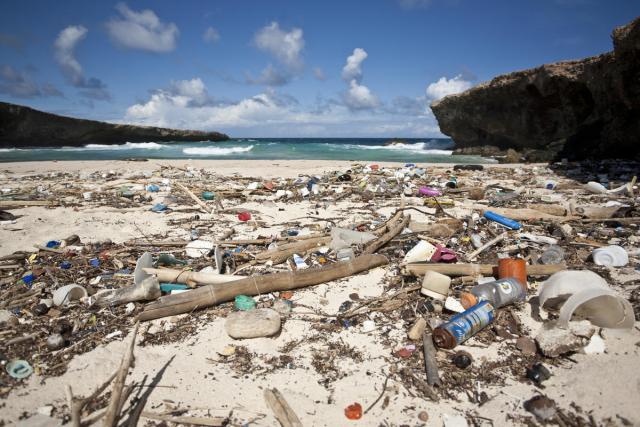
Plastic is a useful everyday item but has grown to become a global problem. Every year the world produces over 460 million tonnes of plastic,[1] 90% of which pollutes almost all areas of our planet, it can be found at the bottom of the ocean, and on our tallest mountains. This pollution can cause harm to habitats and wildlife, impact livelihoods of people around the globe, and carries growing risks to human health.
At the current rate, global plastic pollution could triple by 2040 unless we act now. We need everyone everywhere to take action on plastic, and most importantly, global coalitions like the UN to approve a plastics treaty that would require all countries to take action on this significant problem.
The impact of plastic
Despite our best efforts, most plastic items are not recycled and end up in landfill around the world, and our oceans. Once the plastic is in the ocean, it decomposes very slowly, breaking into tiny pieces known as microplastics, which can enter the marine food chain and damage sea life. Microplastics can also be found in the air we breathe and in the soil we use to grow crops. There is growing evidence showing that these microplastics are being consumed by us daily.
Here are some top facts about plastic:
© Unsplash Brian Yurasits
19-23 million tonnes plastic
More
Close
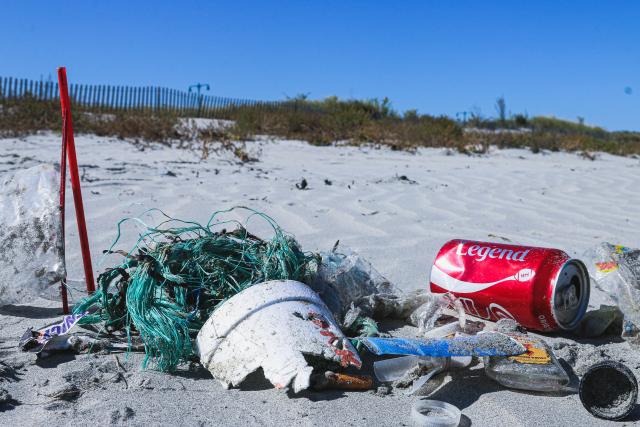
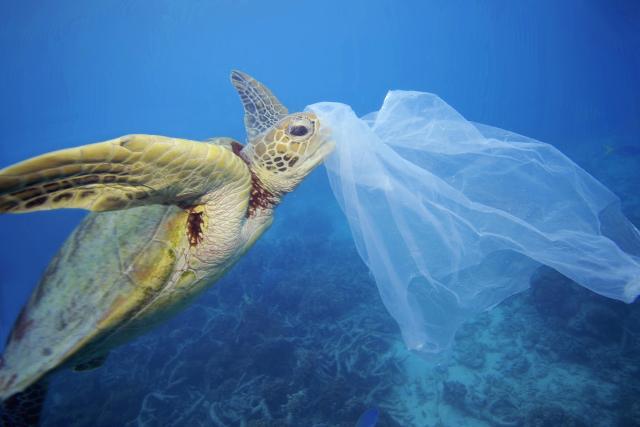
Every year 19-23 million tonnes of plastic waste leaks into aquatic ecosystems, polluting lakes, rivers and seas.[4] At least 32% of all turtles have eaten plastic.[5]
© Troy Mayne / WWF
32% of all turtles have eaten plastic
More
Close
Turtles eat plastic bags mistaking them for jellyfish.[5]
© Shutterstock / Rich Carey / WWF
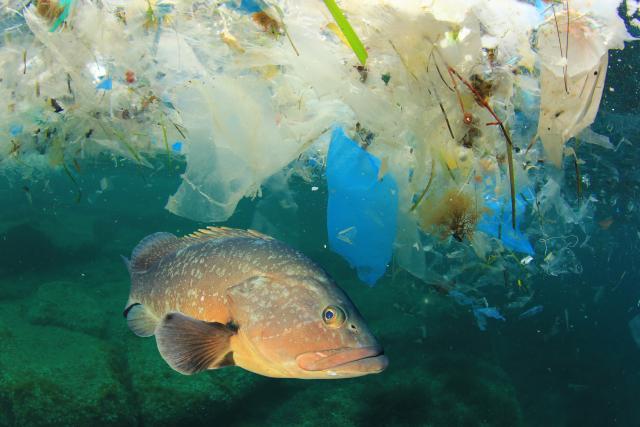
It doesn't biodegrade!
More
Close
It doesn't biodegrade. Instead, it breaks down into smaller and smaller pieces, called microplastics, over hundreds or thousands of years. This process releases toxic chemicals and carcinogens into the environment and wildlife.
© Joe Buglewicz / WWF-US
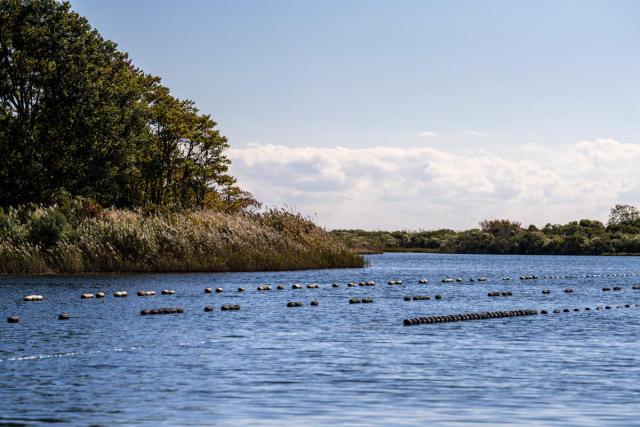
Humans consume approx. 2,000 microplastics per year through salt
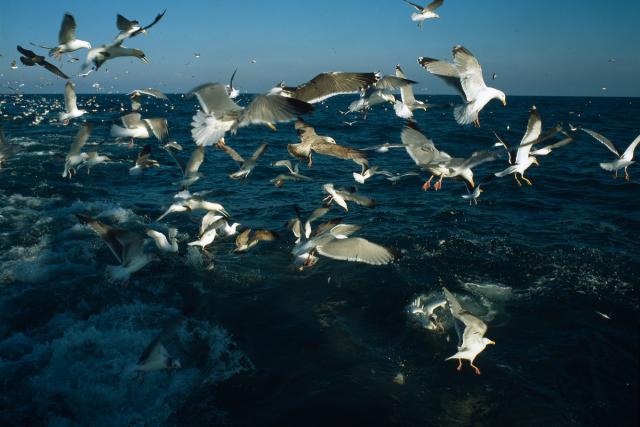
90% of seabirds have plastic in their stomachs
More
Close
Seabirds are found with their stomachs full of plastic items
© Theundertow.ocean / diversforclimate
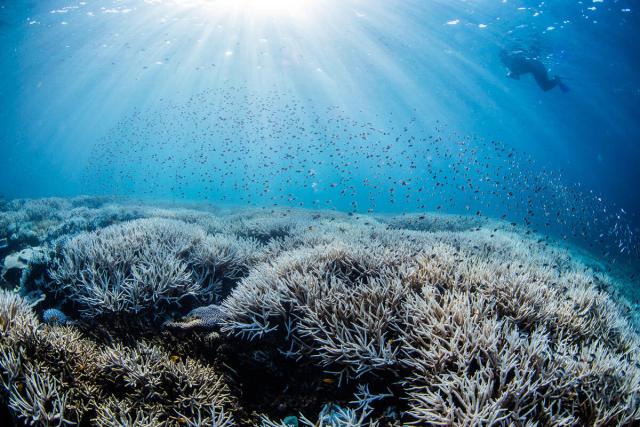
It damages coral reefs
More
Close
Over 90% of coral reefs contain plastic pollution.[6] Plastic damages coral reefs - debris can get lodged in coral, affect the health of reefs, and reduce biodiversity.
© Elizabeth Danzel
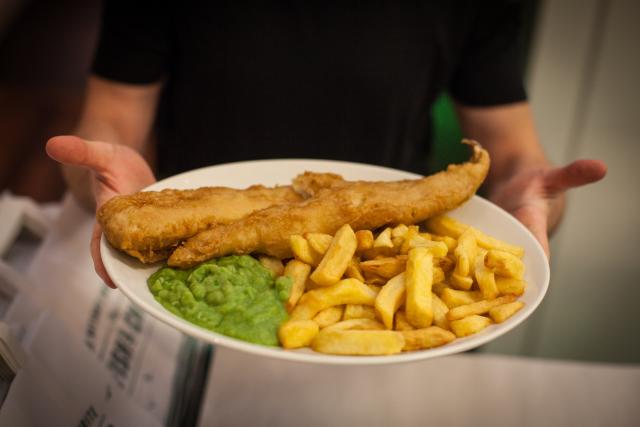
It makes its way up the food chain
More
Close
It makes its way up the food chain - Microplastics are consumed by animals like plankton, passing the problem back up the food chain to us.
The lifecycle of plastics
Here is the average time it takes for your everyday items to biodegrade.
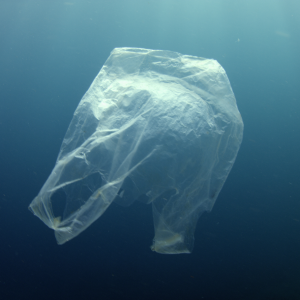
Plastic bags - 20 years
Plastic bags pose one of the greatest impacts to ocean wildlife. Even though they only make up a small percentage of our litter, they can break down into microplastics, or be eaten whole as turtles confuse them for jellyfish.
© Unsplash Ham-Kris
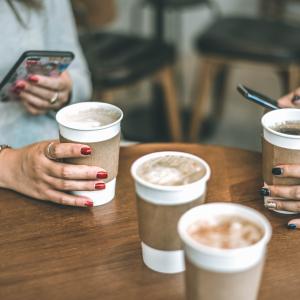
Takeaway coffee cups – 30 years
Over 3.2 billion disposable coffee cups are thrown away each year in the UK alone,[7] becoming a source of unnecessary daily waste by many of us. Unfortunately, these cups are not recyclable at home and only specialist recycling collections will accept them due to the plastic membrane that lines them. This plastic lining can take up to 30 years to degrade.
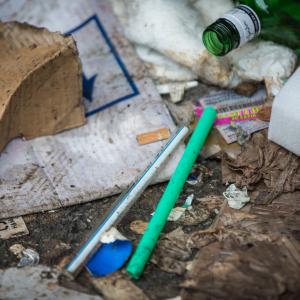
Plastic straws – 200 years
Plastic straws can take up to 200 years to decompose and can pose a risk toto aquatic wildlife, causing choking, getting stuck in nasal cavities, or being eaten. Choose a paper straw or ditch them altogether.
© Georgina Goodwin / Shoot The Earth / WWF-UK
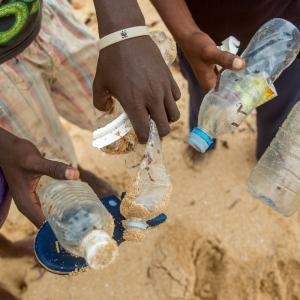
Plastic bottles – 450 years
UK households use 13 billion plastic bottles every year, including drinks bottles, milk cartons, and shampoo bottles.[8] All plastic comes from fossil fuels, meaning that the more bottles we use, the more greenhouse gas emissions we’re releasing, contributing to climate change.
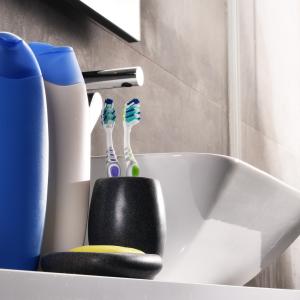
Plastic toothbrush – 500 years
Billions of toothbrushes are sold worldwide each year. Most of these plastic toothbrushes can’t be recycled and instead end up being burnt or sitting in landfill. These toothbrushes are made from polypropylene plastic and nylon and can take up to 500 years or more to decompose.

What are the solutions to plastic consumption?
Our plastic consumption continues to grow. It’s clear that urgent action is needed – there’s no time to waste. Schemes like bottle deposits are a good place to start, but we’ve become so reliant on plastics that we need to do a lot more to wean ourselves off them.
- A complete plan to ban avoidable single use plastics – including plastic cups and cutlery – could make the difference we need to protect the planet.
- We need businesses to take the issue seriously – whether it’s supermarkets having a plastic free aisle, companies finding alternatives to plastic packaging, or businesses bringing the issue to life for their customers.
- As individuals we can also help by making lifestyle changes, like going packaging free and drinking from reusable water bottles or coffee cups. You might think your contribution is small, but together our collective action is powerful.
Sources
[1] IUCN, Plastic pollution, https://iucn.org/resources/issues-brief/plastic-pollution
[2] WWF, Breaking down high risk plastic products, https://wwfint.awsassets.panda.org/downloads/wwf_breaking_down_high_risk_plastic_products.pdf
[3] Greenpeace, Upstream, Microplastics in UK rivers, https://www.greenpeace.org.uk/wp-content/uploads/2024/07/plastics_v08.pdf
[4] UN, Plastic pollution, https://www.unep.org/plastic-pollution
[5] Science Direct, Quantitative overview of marine debris ingested by marine megafauna, https://www.sciencedirect.com/science/article/pii/S0025326X19310148?via%3Dihub
[6] Nature, Plastic pollution, https://www.nature.com/articles/s41586-023-06113-5
[7] Biffa, Various white cups, Biffa’s recycling solution for single-use cups, https://www.biffa.co.uk/campaigns/cup-takeback
[8] Parliament.uk, Plastic Bottle Waste in the UK, https://publications.parliament.uk/pa/cm201719/cmselect/cmenvaud/339/33905.htm