10 Best Film Noir Movie Stars, Ranked (original) (raw)

A black and white image of Gene Tierney holding a pair of binoculars and looking straight ahead against an orange and white background for the movie Leave Her To Heaven
Image via Zanda Rice

Published Jul 5, 2024, 11:30 AM EDT
Andrea M. Ciriaco is a long-time script reader and former entertainment editor who specializes in classic movies and Hollywood history. She was a student film critic at Kent State University for three years and worked at Warner Bros Studio in Burbank and The Safran Company for several years. Based on her vast taste and range of knowledge, many consider Andrea to be a walking IMDb who knows dozens of underrated movies and is a vital assesst to any trivia night. While movies are her expertise, Andrea is also a diehard fan of iconic shows including The Sopranos, Boardwalk Empire, Rod Serling's The Twilight Zone, Will & Grace and South Park. Some of her favorite filmmakers are Walt Disney,John Huston, Fritz Lang, Alfred Hitchcock, John Ford, Mel Brooks, Quentin Tarantino, Martin Scorsese and Howard Hawks.
Sign in to your Collider account
During the Great Depression, the popularity of pulp fiction and detective novels took the United States by storm, leading to the cultivation and rise of the classic film noir genre that audiences continue to cherish today. Born out of German Expressionism, the film noir is noted for its signature black-and-white visual style, low lighting, and a cast of intriguing characters who exhibit cynical attitudes and motivations, such as murder, greed, and revenge, cultivating an irresistible allure for audiences around the world.
The 1940s and 1950s are considered to be the height of classic film noir and featured an array of timeless titles, including The Maltese Falcon, Laura, and The Big Heat, becoming one of the most sought-after film genres of Hollywood's Golden Age. While many notable stars appeared in film noir pictures, there are some names such as Robert Mitchum, Gene Tierney, and Humphrey Bogart who essentially shaped and solidified the infamous genre. Out of the dozens of silver screen icons, including Barbara Stanwyck, Joseph Cotten, and Dick Powell, these are the all-time best stars of film noir.
10 Dick Powell
'Murder, My Sweet,' 'Pitfall,' 'Farewell, My Lovely'
Dick Powell initially made headway as a comedy musical star, and by the 1940s, he rebooted his career in film noirs such as Murder, My Sweet, Johnny O'Clock, and To the Ends of Earth, becoming one of the genre's most popular leading men. Born in Mountain View, Arkansas, Powell initially signed a contract with Warner Bros., making his film debut in the 1932 comedy-drama Blessed Event. Powell went on to star in a string of notable musical films, including Footlight Parade, Golddiggers of 1935, and Twenty Million Sweethearts with Ginger Rogers.
By the 1940s, Powell felt he was too old to play the romantic male lead and shifted his sights to the film noir genre. He was cast as Raymond Chandler's hardboiled private eye, Philip Marlowe, in the detective film _Murder My Sweet,_directed byEdward Dmytrk, becoming the first to portray the character on screen. In 1945, he reunited with Dmytrk for the vital noir film Cornered, which is credited as a noir that defined the genre. Powell eventually moved behind the camera, working as a director, and appeared on television, but classic cinephiles will always remember the versatile actor for his immense contributions to the film noir genre and for being the first actor to play Chandler's famous detective.
9 Veronica Lake
'The Blue Dahlia,' 'This Gun for Hire,' 'The Glass Key'
Known for her peek-a-boo hairstyle and seductive charm, Veronica Lake defined the ideal femme fatale of the film noir genre and is commemorated as a pioneer of the genre. Lake was born in New York City and moved to Hollywood in 1938, where she was briefly under contract with MGM. She made her film debut in 1939 as an extra in the RKO film Sorority House, which was unfortunately cut from the final product, but Lake continued taking on bit parts. In 1941, Lake appeared as a nightclub singer in the military drama film, I Wanted Wings, making her an overnight sensation.
Lake starred in her first film noir, This Gun For Hire, with Robert Preston and Alan Ladd, and her scenes with Ladd prompted Paramount Studios to pair them together again in The Glass Key. She and Ladd also went on to star together in the 1946 film noir, The Blue Dahlia, which is considered by many to be a crucial film of the genre. Lake dabbled in other film genres, including comedies and drama, but today, she is universally recognized for her iconic film noir persona as the ideal femme fatale.
8 Gloria Grahame
'The Big Heat,' 'Crossfire,' 'In a Lonely Place'
 Image via Columbia Pictures
Los Angeles-born actress, Gloria Grahame, started her acting career on the stage before signing a contract with Metro-Goldwyn-Mayer Studios, but despite earning a role in Frank Capra's It's a Wonderful Life, the studio didn't believe she had movie star potential and sold her contract to RKO Pictures. Once she arrived at RKO, Grahame was typically cast in film noirs, and in 1947, she starred in the film noir, Crossfire, which earned her an Academy Award Nomination for Best Supporting Actress.
Grahame's career-making role came in the 1950 film noir, In a Lonely Place, co-starring Humphrey Bogart, and led to her starring in a series of noteworthy noirs, including Sudden Fear, Human Desire, and The Big Heat, starring Glenn Ford and Lee Marvin. Despite a successful on-screen presence, Grahame returned to performing on the stage while also still taking on occasional film roles. Grahame's name is often unfairly overlooked by film fans, but for the die-hard film noir fanatics, she is an essential staple in the classic film noir genre.
The Big Heat
Release Date
November 16, 1953
Runtime
89 Minutes
Director
Fritz Lang
7 Claire Trevor
'Key Largo,' 'Murder, My Sweet,' 'Dead End'
 Image via RKO Pictures
Claire Trevor mastered every type of bad girl role in film noir, ranging from femme fatale to a no-nonsense dame, making her a crucial figure in the film genre. Born in New York City, Trevor started her acting career by taking art classes at Columbia University and studying at the American Academy of Dramatic Arts. After a brief Broadway career, Trevor made her film debut in the 1933 movie, Jimmy and Sally, and several years later, she earned her first Academy Award nomination for her performance in the noir thriller, Dead End.
By 1939, Trevor had been established as a solid leading lady and starred in the successful film noirs, Murder, My Sweet, and Born to Kill, which are both considered two of the actress' most memorable roles. Trevor blew audiences away with her incredible performance in the noir, Key Largo, portraying a washed-out nightclub singer and girlfriend of Edward G. Robinson, winning her the Academy Award for Best Supporting Actress. Trevor found success in several film genres, but her versatile performances in some of the greatest film noirs make her a legend in the classic film genre.

Key Largo
Release Date
July 16, 1948
Cast
Humphrey Bogart, Edward G. Robinson, Lauren Bacall, Thomas Gomez, Lionel Barrymore, Harry Lewis, Dan Seymour, William Haade, Claire Trevor, John Rodney, Marc Lawrence, Monte Blue, Rodd Redwing, Jay Silverheels, Alberto Morin, Pat Flaherty, Jerry Jerome, John Phillips, Beulah Archuletta, John Litel
Runtime
100 minutes
Director
John Huston
Main Genre
Crime
6 Barbara Stanwyck
'Double Indemnity,' 'The Strange Love of Martha Ivers,' 'Witness to Murder'

Phyllis Dietrichson, played by Barbara Stanwyck, looking intently at something off-camera in Double Indemnity
Image via Paramount Pictures
With a career spanning over six decades, Barbara Stanwyck is one of the most recognizable stars of Hollywood's Golden Age who is widely known for her natural on-screen presence and impressive versatile range. Stanwyck was born in New York City and at the age of 16 years old, she made her stage debut as a Ziegfield girl before turning to theatrical productions. In 1929, she starred in the stage production of Burlesque, establishing herself as a Broadway star. After appearing in several talking pictures, director, Frank Capra cast Stanwyck in his 1930 film, Ladies of Lesuire, and went on to be cast in successful dramas and crime films, including Night Nurse and Baby Face.
BY 1944, Stanwyck was one of the highest-paid actresses in Hollywood and starred in Billy Wilder's Double Indemnity, as one of the genre's best femme fatales, Phyllis Dietrichson, opposite Fred MacMurray. Her success in Double Indemnity earned Stanwyck an Academy Award nomination for Best Actress and also led to several more noir classics, notably The Strange Love of Martha Ivers with Van Heflin and Kirk Douglas in his film debut, and Witness to Murder, co-starring George Sanders and Gary Merrill. Even though Stanwyck established herself as a leading lady in almost every film genre, she is widely regarded today as one of the ultimate faces of the classic film noir genre.
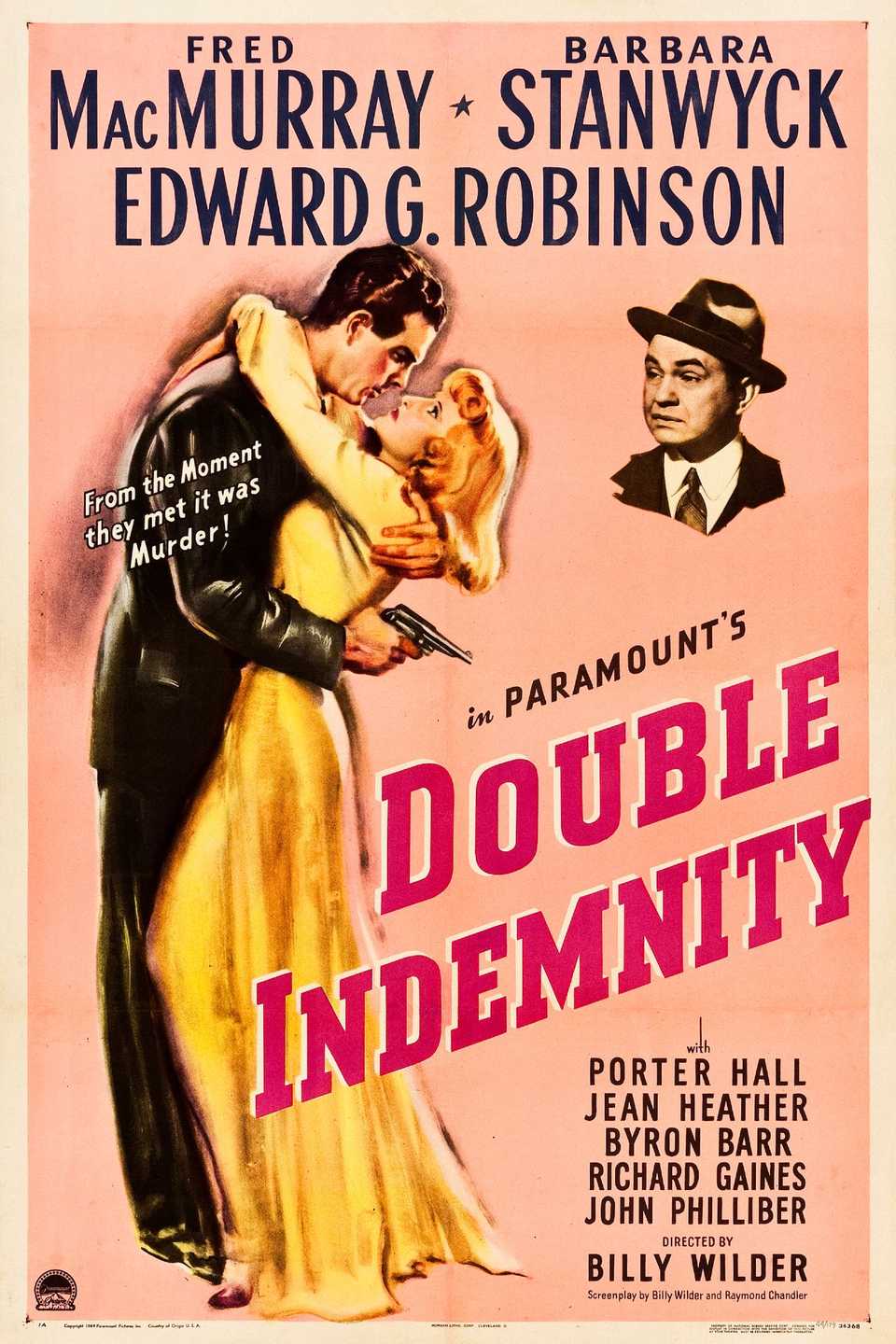
Double Indemnity
Release Date
July 3, 1944
Cast
Fred MacMurray, Barbara Stanwyck, Edward G. Robinson, Porter Hall
Runtime
107 Minutes
Director
Billy Wilder
5 Lauren Bacall
'Dark Passage,' 'The Big Sleep,' 'To Have and Have Not'
 Image via Warner Bros.
Known for her husky voice and sultry signature look, Lauren Bacall is one of the most distinctive stars in the film noir genre who established herself with noteworthy films like The Big Sleep and Key Largo. The New York City-born Bacall initially started working as a model and took acting classes at the American Academy of Dramatic Arts, making her Broadway debut at the age of 17 as a walk-on in the 1942 production, Johnny 2 X 4. When Bacall appeared on the cover of LIFE magazine, she caught the attention of Nancy "Slim" Keith, who was married to director, Howard Hawks, and urged her husband to invite her out to audition for his upcoming film, To Have and Have Not.
Bacall made her feature film debut opposite her future husband, Humphrey Bogart, in To Have and Have Not, making her an instant silver-screen success. She continued to work in the film noir genre, starring in another Hawks' noir, The Big Sleep, and Delmer Daves' Dark Passage, both co-starring Bogart. While Bacall had successfully established a star status, she demonstrated her range and versatility in John Huston's Key Largo, leading to other roles in various film genres. Bacall conquered the world of cinema and maintained a successful career for over seven decades, but classic film fans will always remember her for her quintessential roles in the film noir genre.
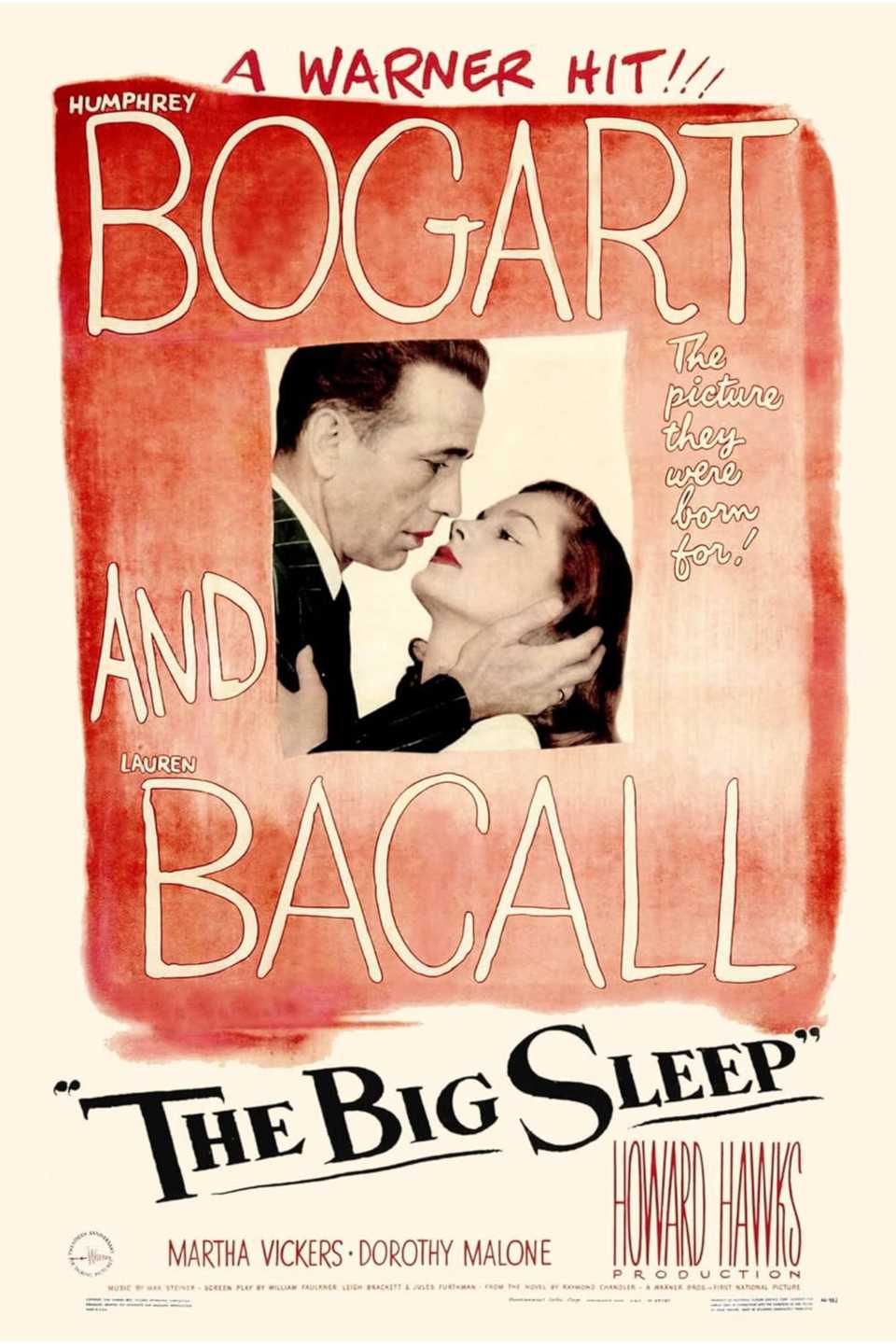
The Big Sleep
Release Date
August 31, 1946
Cast
Humphrey Bogart, Lauren Bacall, John Ridgely, Martha Vickers, Dorothy Malone, Peggy Knudsen, Regis Toomey, Charles Waldron
Runtime
114 Minutes
Director
Howard Hawks
Main Genre
Film Noir
4 Joseph Cotten
'The Third Man,' 'Shadow of a Doubt,' 'Niagara'

Joseph Cotten wearing a suit and tie in Shadow of a Doubt (1943)
Image via Universal Pictures
Joseph Cotten is one of the most underrated stars of Hollywood's Golden Age who could effortlessly portray both the handsome hero and a vicious villain of any caliber. The Virginia-born actor initially established himself as a stage star before joining Orson Welles' Mercury Theater and eventually moved to Hollywood, where he made his film debut in what many consider to be the greatest film of all time, Citizen Kane. Cotten appeared in two more of Welles' films, The Magnificent Ambersons and Journey to Fear, ultimately earning worldwide notoriety and fame.
In 1943, Cotten starred in Alfred Hitchcock's thriller noir, Shadow of a Doubt, cementing himself as a leading man as well as a top-notch performer in the film noir genre. After signing a contract with David O. Selznick, Cotten starred in the Oscar-winning film noir, Gaslight, co-starring Ingrid Bergman and Charles Boyer. Cotten continued to star in successful film noirs, including Niagara with Marilyn Monroe, A Blueprint for Murder, and The Third Man, which reunited him with his friend and former co-star, Welles. Today, Cotten is considered to be one of the greatest actors to have never received an Academy Award nomination, but despite the lack of accolade recognition, Cotten is cemented in cinema history as one of the best classic film noir stars.

The Third Man
Release Date
February 1, 1950
Cast
Orson Welles, Joseph Cotten, Alida Valli, Trevor Howard, Paul Hörbiger
Runtime
93 Minutes
Director
Carol Reed
Main Genre
Noir
Studio(s)
London Film Productions
3 Gene Tierney
'Laura,' 'Leave Her to Heaven,' 'Where the Sidewalk Ends'
 Image via 20th Century Studios
Gene Tierney is known for her alluring beauty and was one of the most adored leading ladies of Hollywood's Golden Age. She is best known for her exemplary film noir roles in hits like Laura and Leave Her to Heaven. Born in Brooklyn, New York, Tierney studied acting at a studio in Greenwich Village, and in 1938, she made her Broadway debut in What a Life! After appearing in several stage productions, Tierney transitioned into movies, and after signing a contract with 20th Century Fox, she made her film debut in Fritz Lang's Western, The Return of Frank James, starring Henry Fonda.
Tierney earned her breakthrough role in Ernst Lubitsch's comedy, Heaven Can Wait, for which she earned her first Academy Award nomination. In 1944, she starred in one of the greatest film noirs of all time, Laura, with Dana Andrews, Vincent Price, and Clifton Webb. Shortly after Laura, Tierney won the Academy Award for Best Actress for her performance in another notable noir, Leave Her to Heaven, where she portrays the epitome of a classic femme fatale. Tierney's success in the film noir genre continued with other titles, including Whirlpool, Where the Sidewalk Ends, and Night and the City, deeming her to be one of, if not the best, film noir actresses of all time.

Laura
Release Date
October 11, 1944
Cast
Gene Tierney, Dana Andrews, Clifton Webb, Vincent Price, Judith Anderson, Grant Mitchell, Dorothy Adams, Terry Adams
Runtime
88 Minutes
Director
Otto Preminger, Rouben Mamoulian
Main Genre
Film Noir
2 Humphrey Bogart
'The Maltese Falcon,' 'High Sierra,' 'The Big Sleep'

Humphrey Bogart as Sam Spade in The Maltese Falcon (1941)
Image via Warner Bros.
Humphrey Bogart is a cultural cinema icon known for his rough-around-the-edges roles and riveting performances in critical film noir classics, including The Maltese Falcon, Dead Reckoning, and To Have and Have Not. Bogie was born in New York City, and even though he never had any professional training as an actor, he appeared in several Broadway productions before turning his sights on Hollywood. The young actor signed a contract with Fox Film Corporation, where he made his feature film debut in John Ford's 1930 comedy film, Up the River, with Spencer Tracy and Claire Luce.
In 1941, Bogart earned one of his first major roles in Raoul Walsh's film noir, High Sierra, with Ida Lupino, which led to him meeting up-and-coming filmmaker John Huston. The same year, Bogart was cast as the lead, Sam Spade, in Huston's The Maltese Falcon, which is regarded as one of the greatest film noirs of all time. By the mid-1940s and 1950s, Bogart was a frequent leading man in the film noir genre, starring in countless classics, including Knock on Any Door, In a Lonely Place, and The Desperate Hours. Bogart is an overall pillar of classic Hollywood, and, considering his incredible impact on the film noir genre, it's easy to see why he is one of the genre's greatest stars of all time.
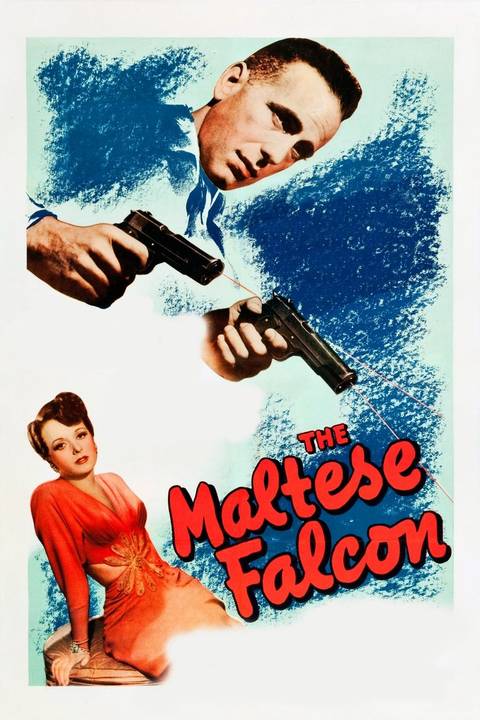
The Maltese Falcon
Release Date
October 18, 1941
Cast
Humphrey Bogart, Mary Astor, Gladys George, Peter Lorre, Barton MacLane, Lee Patrick, Sydney Greenstreet, Ward Bond, Jerome Cowan, Elisha Cook Jr., James Burke, Murray Alper, John Hamilton, Charles Drake, Chester Gan, Creighton Hale, Robert Homans, Walter Huston, Jack Mower, Emory Parnell, William Hopper, Hank Mann
Runtime
100 minutes
Director
Main Genre
Mystery
Studio(s)
1 Robert Mitchum
'Out of the Past,' 'The Night of the Hunter,' 'Undercurrent'

Robert Mitchum in Out of the Past (1947)
Image via RKO Pictures
Known for his weary eyes, distinct voice, and rouge, antihero roles, Robert Mitchum is the heart and soul of the classic film noir genre. Born in Bridgeport, Connecticut, Mitchum left home at the age of 14 and rode the rails to California, where he decided to pursue a career in acting. Mitchum earned minor extra roles before impressing director Mervyn LeRoy, and he was signed to a seven-year contract with RKO Radio Pictures. During the mid-1940s, Mitchum earned supporting roles in film noirs such as Undercurrent and The Locket, but his career in the genre took off after starring in Out of the Past, which is recognized as one of the all-time best classic film noirs.
Mitchum soon became known as one of the genre's most promising male leads and went on to star in a series of classics, including The Racket, Macao, and Otto Preminger's Angel Face. In 1955, Mitchum starred in Charles Loughton's film noir, The Night of the Hunter as a serial killer posing as a preacher, Reverend Harry Powell, who becomes hellbent on finding a hidden fortune buried by his former cellmate. Mitchum delivers a spine-chilling, captivating performance, which many film critics and historians credit as his career's finest. While there are plenty of male stars who bring something unique to the film noir genre, it would be nothing without the legendary Mitchum, who is, by all accounts, the greatest star of the classic genre.
The Night of the Hunter
Release Date
July 27, 1955
Runtime
92 Minutes
Director
Charles Laughton
Cast
Robert Mitchum, Shelley Winters, Lillian Gish, James Gleason, Peter Graves
Main Genre
KEEP READING: 13 Film Noir Movies That Are Perfect From Start to Finish