Edible Landscaping Using the Nine Florida-Friendly Landscaping™ Principles (original) (raw)
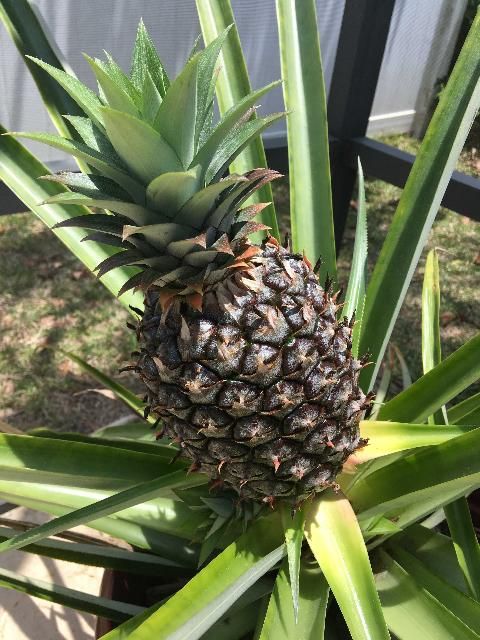
Figure 1. Pineapples are a versatile edible landscape choice in parts of Florida with milder winters. Plant them in the ground or in containers.
Credit: Tiare Saracino, UF/IFAS
The Florida-Friendly Landscaping™ (FFL) Program provides science-based information to promote practices that protect and improve the environment, including proper application of water, fertilizer, and pesticides; erosion control; recycling yard waste; and improving water quality. This publication provides recommendations to manage food gardens in an environmentally friendly way guided by the nine FFL principles (https://ffl.ifas.ufl.edu/homeowners/nine_principles.htm).
By following the nine FFL principles, you can produce vegetables, herbs, and fruits in a way that conserves water and reduces pesticide and fertilizer use. There are many different terms for edible landscaping, such as foodscaping, food forest, permaculture, square-foot gardening, and urban agriculture. However, the FFL principles represent best management practices that can be applied to all types of edible landscapes. This publication is for Floridians interested in expanding their own edible landscapes, with information about creating a backyard garden that delivers fresh food in an affordable, sustainable way.
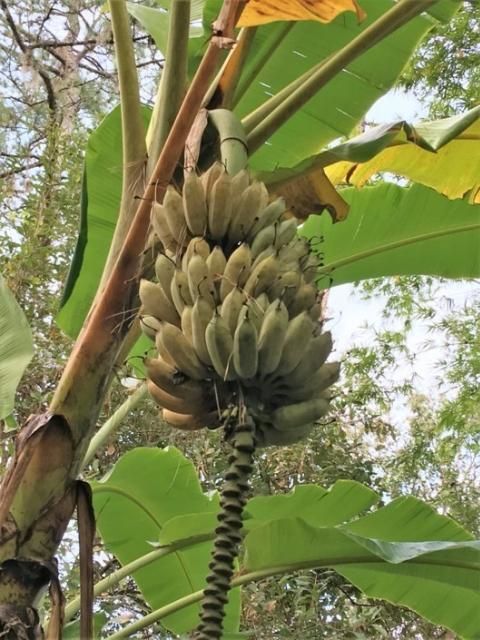
Figure 2. Bananas thrive in moist, rich soils and can be planted within the understory of mature trees.
Credit: Tiare Saracino, UF/IFAS
- Edibles can be grown year-round in Florida. Choose fruits and vegetables appropriate for your region. Tropicals for south Florida can be grown upwards into the state until killing frosts deter their growth. Northern species may need a certain number of chill hours to produce yields and can grow as far south as chilling-hour requirements are met.
- Follow planting dates for your region's season according to Florida's Vegetable Gardening Guide (https://edis.ifas.ufl.edu/vh021).
- Select UF/IFAS-recommended and locally adapted varieties that are well-suited for Florida—for example, 'Seminole' pumpkin and 'Everglades' tomato. See Dooryard Fruit Varieties (https://edis.ifas.ufl.edu/mg248).
- Grow annual vegetables in areas where you can amend the soil and provide custom irrigation and fertilization.
- Strategically interplant fruiting trees, shrubs, and perennial herbs with existing landscape plants according to the plant's requirements and your yard's conditions. For more tips on replacing ornamentals with plants that produce foods, see Edible Landscaping (https://edis.ifas.ufl.edu/ep146) and Landscape Design with Edibles (https://edis.ifas.ufl.edu/ep475).
- Focus on perennials and low-maintenance plants, such as long-lived herbs, shrubs, and trees, that do not need to be planted year after year. Self-sowing herbs, such as cilantro and calendula, can also save time and money.
- Choose drought-tolerant plants. Examples that can withstand stress during dry periods include lemongrass, rosemary, loquat, and persimmon.
- Summer vegetables are limited to a few select crops that can withstand the high temperatures and disease and pest pressure. Black-eyed peas, sweet potato, okra, malanga, yuca, pigeon peas, Malabar spinach, hot peppers, and roselle thrive in the heat of summer. Avoid plants that are listed as invasive in your region. To identify non-natives, refer to the UF/IFAS Assessment of Non-native Plants in Florida's Natural Areas (see https://assessment.ifas.ufl.edu).
- Fruit and vegetable growing are permitted on residential properties according to Florida's Senate Bill 82. Homeowner associations may restrict home gardens to backyards (see https://www.flsenate.gov/Session/Bill/2019/00082).
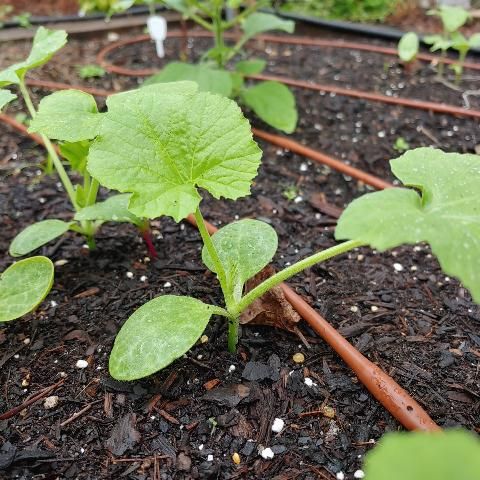
Figure 3. Drip or microirrigation are good choices for watering your edible crops efficiently.
Credit: Jacqlyn Rivas, UF/IFAS
- Observe your plants and watch for signs of water stress (wilting leaves, droopiness).
- Use a rain gauge to monitor rainfall and adjust irrigation accordingly.
- Use water-conserving irrigation methods, such as hand-watering, microirrigation, and drip irrigation. Efficient irrigation methods can reduce water use in the garden and promote efficient fertilization (see https://extension.psu.edu/drip-irrigation-for-vegetable-production).
- Choose the most efficient watering method for your garden type. For example, drip irrigation is best for row crops, and bubblers are best for trees.
- Use the concept of hydrozones, which means grouping plants based on similar water needs. Seedlings and young plants need to be watered often during the establishment period.
- Water at the base of plants, early in the morning before 10 a.m. or in the evening after 4 p.m., to reduce water loss due to evaporation.
- Select containers with water reservoirs or use water saucers. Plastic pots retain moisture more than clay containers.
- Reclaimed water is not recommended for edible crops due to possibility of contamination from pathogens (see https://edis.ifas.ufl.edu/ss544).
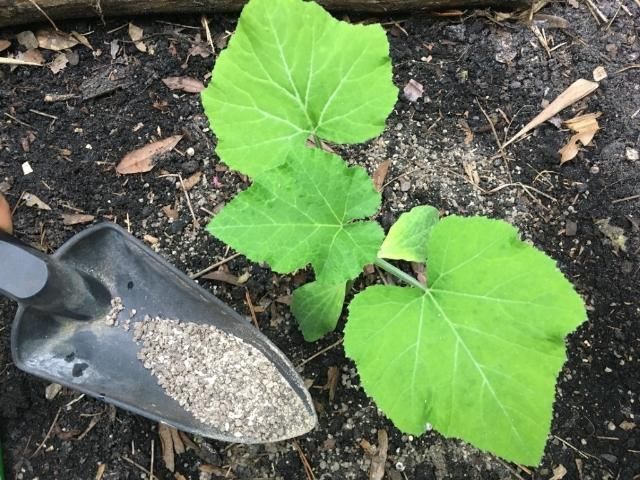
Figure 4. Apply fertilizer around the base of vegetables and fruit trees, extending to the drip line.
Credit: Tiare Saracino, UF/IFAS
- Amend soil with compost and other organic amendments to build the soil, provide nutrients, and increase water-holding capacity (see Organic Vegetable Gardening in Florida, https://edis.ifas.ufl.edu/hs1215).
- Follow the UF/IFAS fertilization recommendations for each specific crop.
- Apply fertilizer according to the fertilizer label.
- Avoid fertilization when heavy rain is likely. Edible crops are exempt from restrictions mandated by the Florida fertilizer ordinances (see https://ffl.ifas.ufl.edu/fertilizer). However, be aware that nutrients from fertilizer can leach from the soil and pollute water bodies.
- Get a soil test annually to check the pH and nutrients, because vegetables extract a lot of nutrients from the soil.
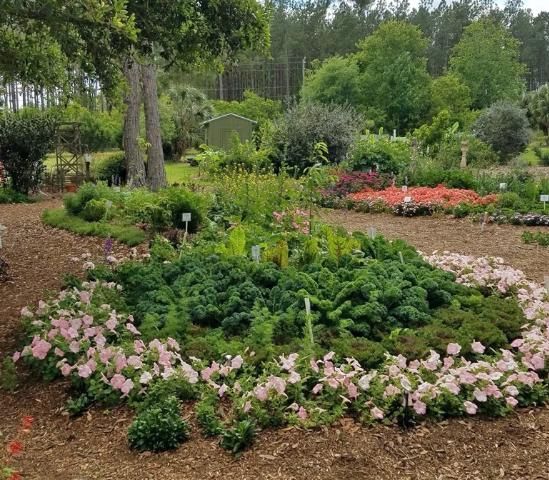
Figure 5. Mulch adds visual appeal to the edible landscape while also providing many benefits to the plants.
Credit: Terra Freeman, UF/IFAS
- Mulch your vegetable garden, herbs, and fruit trees to control weeds, conserve moisture, regulate soil temperature, and keep crops clean.
- A fine mulch can be applied to seedlings to protect the soil from drying out in early growth stages.
- Use organic materials such as leaves, hay, and straw for mulch on tender vegetables.
- Apply a 2" to 3" layer of wood chips or pine bark mulch to edible shrubs and fruit trees (except citrus because of root rot). FFL does not recommend the use of cypress mulch, because its origin is difficult to determine.
- Pull mulch away from the base of vegetable crops and tree trunks, because crowding the base can cause disease and plant damage.
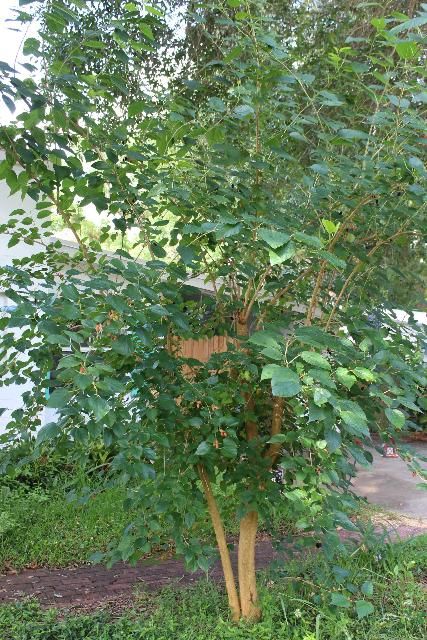
Figure 6. 'Dwarf Everbearing' mulberry is a hardy, low-maintenance tree that stays small with minor pruning and provides sweet fruits for humans and wildlife.
Credit: Tina McIntyre, UF/IFAS
- The majority of fruit and vegetable crops need pollination to set fruits.
- Pollinators include bees, butterflies, wasps, flies, moths, hummingbirds, and other creatures that help move pollen from flower to flower.
- Encourage a pollinator-friendly garden by planting a variety of flowering plants that provide nectar and pollen. These plants will also attract beneficial insects, which will prey on pests in your edible landscape.
- Birds, toads, bats, anoles, and lizards are beneficial in the garden. Use strategies to provide habitat for them so they can consume insect pests.
- Use the least toxic pesticide available because they can harm beneficial insects.
- Use an ecological approach that allows pests to be controlled by natural predators, such as ladybugs eating aphids.
- Learn more about pollinators in EDIS publications Butterfly Gardening in Florida (https://edis.ifas.ufl.edu/uw057), Florida Honey Bee Plants (https://edis.ifas.ufl.edu/in1223), and Hummingbirds of Florida (https://edis.ifas.ufl.edu/uw059).
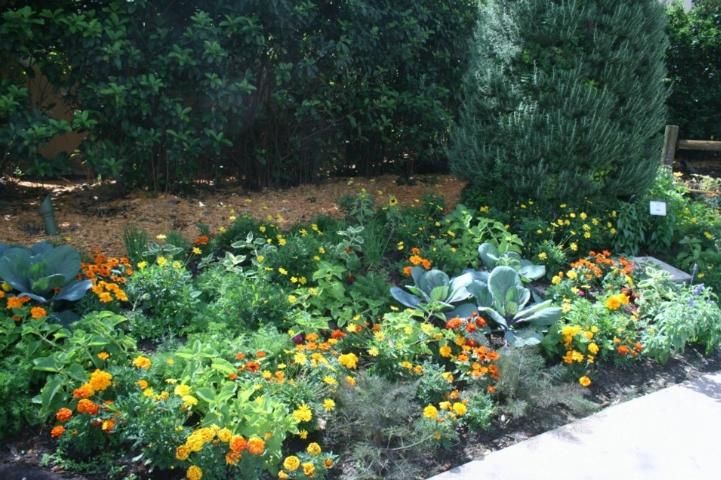
Figure 7. Integrating flowers and herbs with your edible plants can provide food for beneficial insects that eat pests.
Credit: Tom Wichman, UF/IFAS
- Use the Integrated Pest Management (IPM) process to make decisions about pest management (see Landscape Integrated Pest Management, https://edis.ifas.ufl.edu/in109).
- Scout and monitor the garden often—for example, checking cucumbers and squashes, a favorite of many caterpillar species, for caterpillars in the new leaves.
- Identify insects to determine if they are a garden pest. There are many beneficial insects that gardeners kill by mistake.
- Practice sanitation in the garden. Remove dead fruits, which can attract pests.
- Use crop rotation to minimize pest problems season to season.
- Consider hand removal of pest issues, clip off heavy pest infestations, or use physical barriers.
- Promote an ecological approach where pests are controlled naturally using insect predators. This means no "routine" pesticide applications.
- If a chemical spray is needed, choose organic before synthetic pesticides. Products like horticultural oils, botanical soaps, and microbials are the least harmful to human, pets, and wildlife. If chemical weed and pest controls are needed, use them according to the label, and apply them during the cooler part of the day (see Natural Products for Managing Landscape and Garden Pests in Florida, https://edis.ifas.ufl.edu/in197).
- Be aware of attracting wildlife that eat food plants. Exclusion tactics can be used to prevent unwanted wildlife (see Dealing with Unwanted Wildlife in the Urban Environment, https://edis.ifas.ufl.edu/uw070).
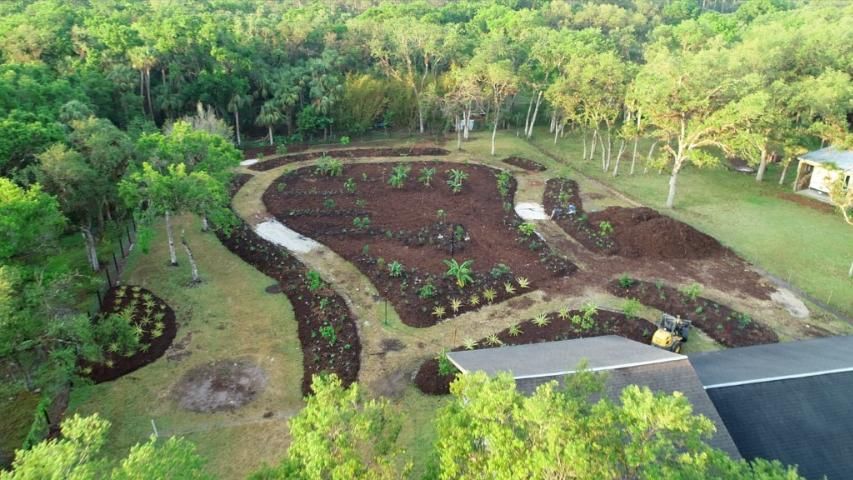
Figure 8. A healthy dose of compost will provide your edible landscape with a good start. Buy compost or make your own.
Credit: Pete Kanaris, Green Dreams Landscaping
- Purchase a bin or build a compost pile (see Compost Tips for the Home Gardener, https://edis.ifas.ufl.edu/ep323).
- Compost appropriate organic kitchen and yard waste.
- Consider worm composting to recycle kitchen and paper waste.
- Add leaves to your compost pile or use them as mulch.
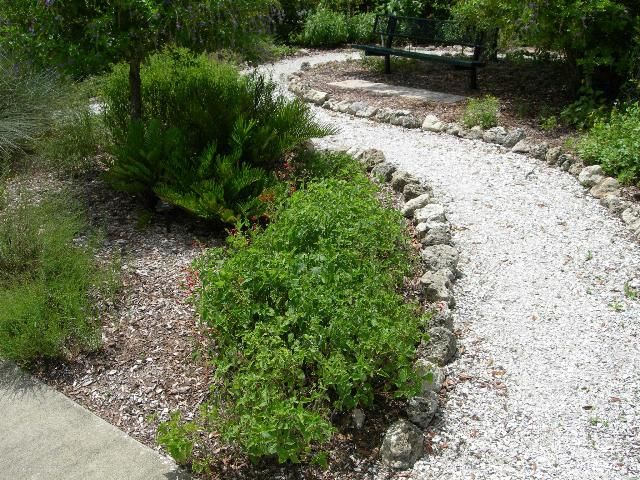
Figure 9. Permeable walkways can increase water infiltration for plants and groundwater recharge.
Credit: Gail Hansen, UF/IFAS
- Rainwater collected in rain barrels from roofs is not recommended for edible crops due to the possibility of contamination from pathogens and chemicals from roofing materials (see https://edis.ifas.ufl.edu/publication/EP640).
- Collected rainwater in rain barrels can be used to water your nonedible flowers, shrubs, and trees in other areas of the yard.
- Use permeable materials for walkways to increase water infiltration.
- Construct berms and swales to reduce erosion and direct water to your edible plants.
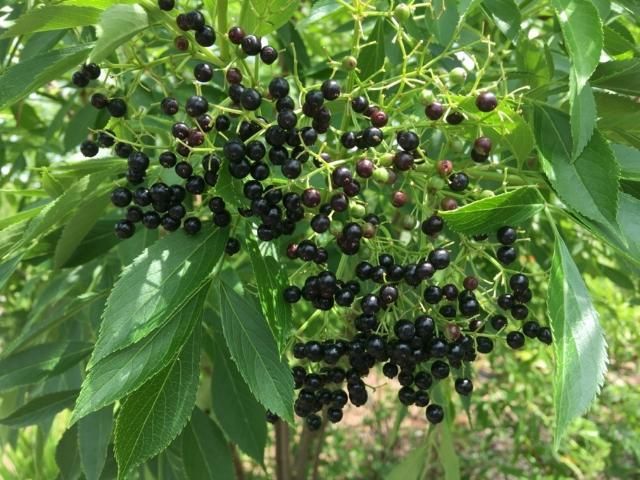
Figure 10. Plant native edibles, such as elderberries, that do not require fertilizer or irrigation in areas adjacent to the waterfront.
Credit: Tiare Saracino, UF/IFAS
- Do not plant edible crops that require tilling, irrigation, or fertilization within a minimum of 10 feet of water bodies. These low-maintenance areas help protect waterbodies.
- The waterfront is a great place to add native wildflowers and plants, which will support the beneficial insect community and protect the water body from erosion and pollution.
- For more information on selecting appropriate plants, refer to the guide developed by Seminole County: https://www.seminole.wateratlas.usf.edu/upload/documents/LakeManagementBookletSmall.pdf.
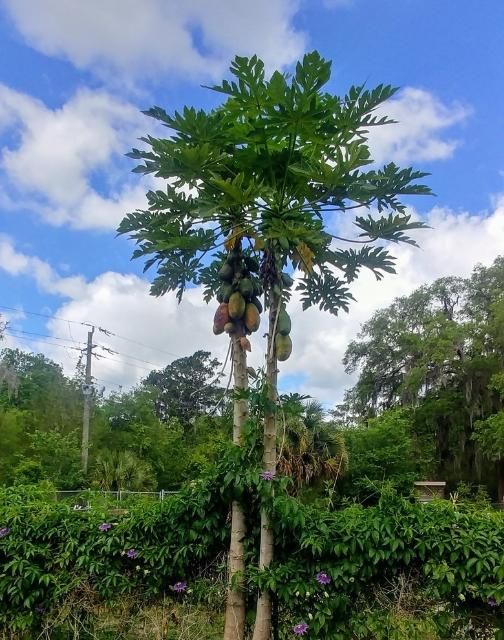
Figure 11. Papaya and passionfruit growing along the edge of a community garden.
Credit: Jacqlyn Rivas, UF/IFAS
To learn more about Florida-Friendly Edible Landscaping visit https://edis.ifas.ufl.edu/collections/ffl-edible-landscaping.
Berm—a raised earthen area
Food Forest—a diverse planting of edible plants that attempts to mimic the ecosystems found in nature
Foodscaping—the practice of integrating edible plants into ornamental landscapes
Hydrozone—a distinct grouping of plants with similar water and climatic needs
Microirrigation—application of small quantities of water (gallons per hour versus gallons per minute in an in-ground irrigation system) as drops, tiny streams, or miniature spray through emitters or applicators placed along a water delivery line
Permaculture—the conscious design and maintenance of agriculturally productive ecosystems that have the diversity, stability, and resilience of natural ecosystems
Square-Foot Gardening—the practice of dividing the garden space into equally spaced sections to create a small yet concentrated garden
Swale—a depression in the ground designed to increase rainwater infiltration
Urban Agriculture—the practice of cultivating, processing, and distributing food in or around an urban area
Vermiculture—the cultivation of worms for use in composting
EDIS Publications
Bammer, M. C., W. H. Kern, and J. D. Ellis. 2019. Florida Honey Bee Plants. ENY-171. Gainesville: University of Florida Institute of Food and Agricultural Sciences. https://edis.ifas.ufl.edu/in1223
Borden, M. A., E. A. Buss, S. P. Brown, A. G. Dale. 2018. Natural Products for Managing Landscape and Garden Pests in Florida. ENY-350. Gainesville: University of Florida Institute of Food and Agricultural Sciences. https://edis.ifas.ufl.edu/in197
Brown, S., D. Treadwell, J. M. Stephens, and S. Webb. 2021. Florida Vegetable Gardening Guide. SP 103. Gainesville: University of Florida Institute of Food and Agricultural Sciences. https://edis.ifas.ufl.edu/vh021
Buss, E., and A. G. Dale. 2020. Landscape Integrated Pest Management. ENY-298. Gainesville: University of Florida Institute of Food and Agricultural Sciences. https://edis.ifas.ufl.edu/in109
Daniels, J. C., J. Schaefer, C. N. Huegel, and F. J. Mazzotti. 2018. Butterfly Gardening in Florida. WEC 22. Gainesville: University of Florida Institute of Food and Agricultural Sciences. https://edis.ifas.ufl.edu/uw057
Moore, K., McMillan, M., and L. Bravo 2023. Rain Barrel Water Quality in South Florida. ENH1376. Gainesville: University of Florida Institute of Food and Agricultural Sciences. https://edis.ifas.ufl.edu/publication/EP640
Schaefer, J. 2019. Dealing with Unwanted Wildlife in the Urban Environment. WEC20. Gainesville: University of Florida Institute of Food and Agricultural Sciences. https://edis.ifas.ufl.edu/uw070
Schaefer, J., and C. N. Huegel. 2020. Hummingbirds of Florida. WEC21. Gainesville: University of Florida Institute of Food and Agricultural Sciences. https://edis.ifas.ufl.edu/uw059
Toor, G. S., and M. Lusk. 2018. Reclaimed Water Use in the Landscape: Frequently Asked Questions about Reclaimed Water. SL339. Gainesville: University of Florida Institute of Food and Agricultural Sciences. https://edis.ifas.ufl.edu/ss544
Treadwell, D., S. P. Brown, J. M. Stephens, and S. Webb. 2023. Organic Vegetable Gardening in Florida. HS1215. Gainesville: University of Florida Institute of Food and Agricultural Sciences. https://edis.ifas.ufl.edu/hs1215
Williamson, J. G., J. H. Crane, R. E. Rouse, and M. A. Olmstead. 2022. Dooryard Fruit Varieties. FC23. Gainesville: University of Florida Institute of Food and Agricultural Sciences. https://edis.ifas.ufl.edu/mg248
Other Cited References
Ask IFAS: Florida-Friendly Edible Landscaping Series. n.d. https://edis.ifas.ufl.edu/collections/ffl-edible-landscaping
Florida-Friendly Landscaping™ Program. 2017. "These Nine Principles Will Help You Reach the Goal of a Florida-Friendly Yard." https://ffl.ifas.ufl.edu/homeowners/nine_principles.htm
Florida-Friendly Landscaping™ Program. 2020. "Florida Fertilizer Ordinances." https://ffl.ifas.ufl.edu/fertilizer
Florida's Senate Bill 82. 2019. https://www.flsenate.gov/Session/Bill/2019/00082
Lamont, W. J., M. D. Orzolek, J. K. Harper, L. F. Kimes, and A. R. Jarrett. 2016. "Drip Irrigation for Vegetable Production." University Park, PA: Penn State Extension, Penn State University. https://extension.psu.edu/drip-irrigation-for-vegetable-production
UF/IFAS Assessment of Non-native Plants in Florida's Natural Areas. https://assessment.ifas.ufl.edu
Additional Information, Not Cited
Brown, S. P. 2023. Compost Tips for the Home Gardener. ENH1065. Gainesville: University of Florida Institute of Food and Agricultural Sciences. https://edis.ifas.ufl.edu/ep323
Seminole County Lake Management Program. n.d. "A Citizens' Guide to Lake Management." https://www.seminole.wateratlas.usf.edu/upload/documents/LakeManagementBookletSmall.pdf
UF/IFAS Gardening Solutions. 2020. "Foodscaping." https://gardeningsolutions.ifas.ufl.edu/design/types-of-gardens/foodscaping/
UF/IFAS Extension Sarasota County. 2020. "Composting with Worms (Vermicomposting)." https://sfyl.ifas.ufl.edu/sarasota/natural-resources/waste-reduction/composting/what-is-composting/meet-your-composting-team/worms-vermicomposting/