Sushmita Baniya, Author at Microbe Notes (original) (raw)
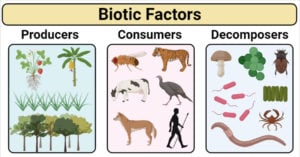
The ecosystem is made up of biotic and abiotic factors. Abiotic factor comprises non-living components like sunlight, temperature, water, soil, wind, humidity and radiations. These are the physical and chemical … Read more
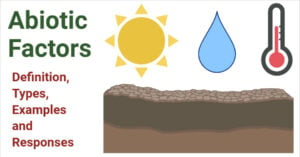
Our environment, the place where we human beings, as well as many creatures, live, is actually made up of or influenced by various factors. These factors have made the earth … Read more
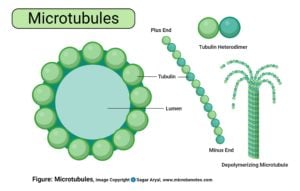
Microtubules are found in the cytoplasm of all types of eukaryotic cells with rare absence, such as in human erythrocytes. They are tiny, hollow, bead-like tubular structures that help cells … Read more
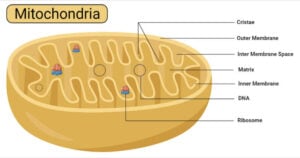
Mitochondria are oxygen-consuming ribbon-shaped cellular organelles of immense importance floating free throughout the cell. They are known as the “powerhouse of the cell” since these organelles supply all the necessary … Read more
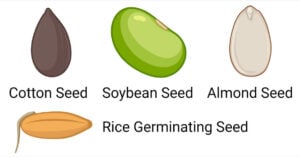
A seed is the fertilized matured ovule that possesses an embryonic plant, stored food material, and a protective coat that is viable and can germinate. A seed is a plant … Read more
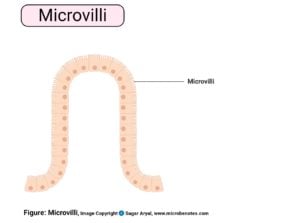
Microvilli Structure Microvilli Functions References
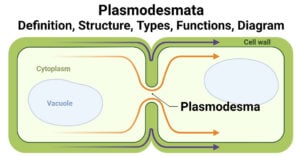
Plasmodesmata Structure Types of Plasmodesmata Two types of plasmodesmata are formed, it is defined by their origin. Primary plasmodesmata Secondary plasmodesmata Plasmodesmata Functions References
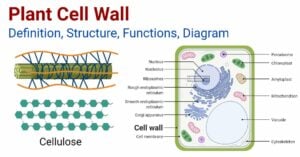
Structure of Plant Cell wall Middle lamella Primary cell wall Plasmodesma (plural: plasmodesmata) Secondary cell wall Pits Tertiary cell wall Functions of plant cell wall Cell wall in the defense … Read more
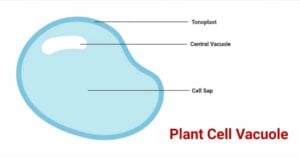
The vacuole is a very large, fluid-filled vesicle which is present in the cytoplasm of a plant cell. The biosynthetic and endocytic pathways form it. The term ‘vacuole’ was first … Read more
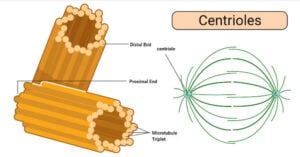
Structure of Centrioles and Basal Bodies Ultrastructural components of Centrioles and Basal Bodies A. Cylinder Wall B. Triplets C. Linkers D. Cartwheel E. Ciliary Rootlets Tubular root fibrils Striated rootlets … Read more