Food Sustainability - Center for Nutrition Studies (original) (raw)
“Good nutrition creates health in all areas of our existence.”
—T. COLIN CAMPBELL, PHD

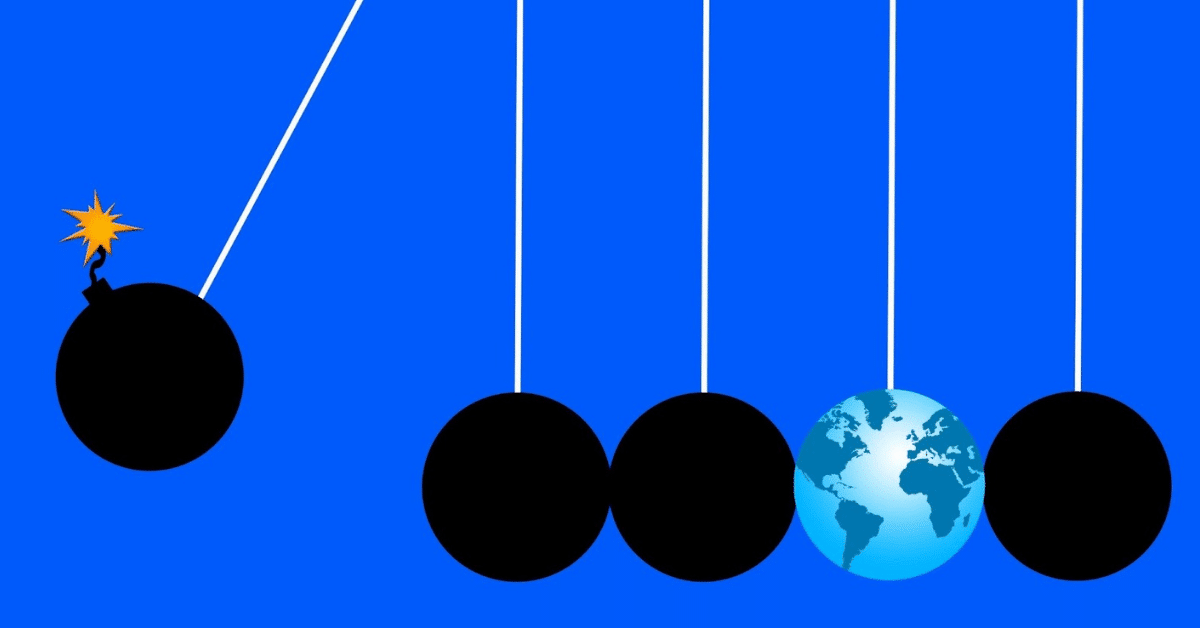
In recent years, the phrase environmental tipping points has moved from scientific journals into public conversation. It now appears in climate reports, headlines, and policy debates, most recently and comprehensively in The Global Tipping Points Report for 2025.[1] Yet tipping points are not abstract metaphors or tools of alarm. They describe real, measurable processes within … Continued
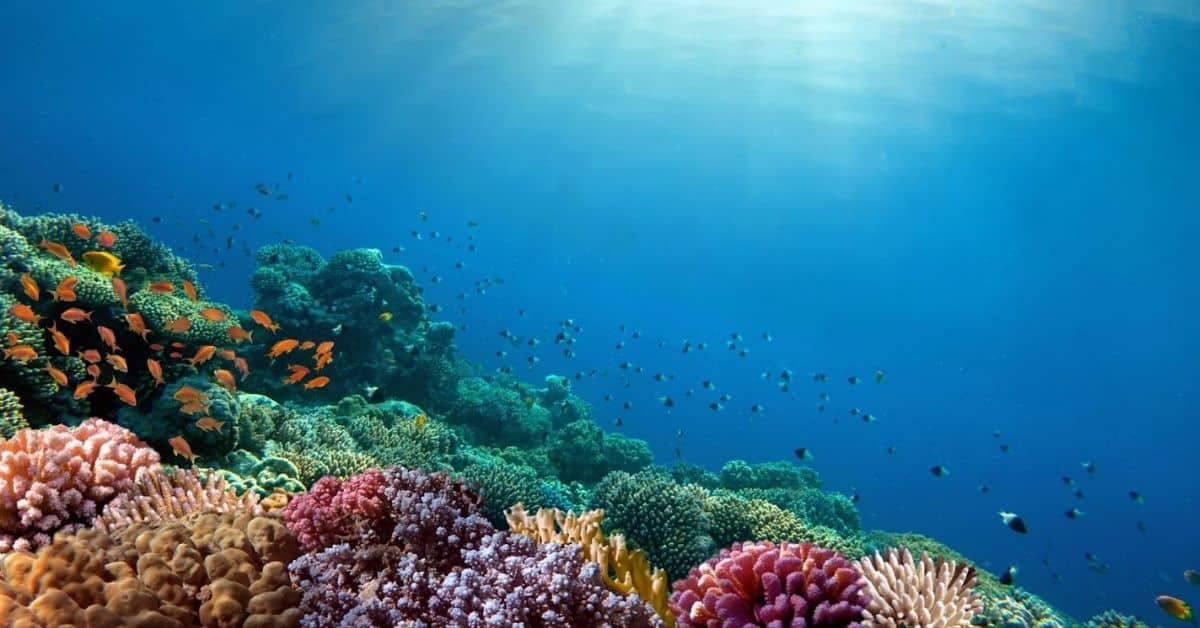
The Silent Collapse Beneath the Waves: What Coral Reefs Reveal About a Planet Under Pressure
Scientists are increasingly warning that the world’s warm-water coral reefs have now crossed a global tipping point. This conclusion was recently brought into public focus by the Global Tipping Points report released in October 2025.[1] This report represents the culmination of decades of monitoring, thermal-stress modelling, and ecological observation. It shows that the combined pressures … Continued

The Quiet Acceleration Toward a Plant-Powered Planet
Social change often feels glacial, incremental, fragile, and at risk of slipping backward. History shows that transformation rarely moves in a straight line. Instead, it unfolds in waves, from slow adoption to steady accumulation, and then, suddenly, acceleration. Small shifts compound until they push entire systems past a tipping point. Today, as we confront converging … Continued
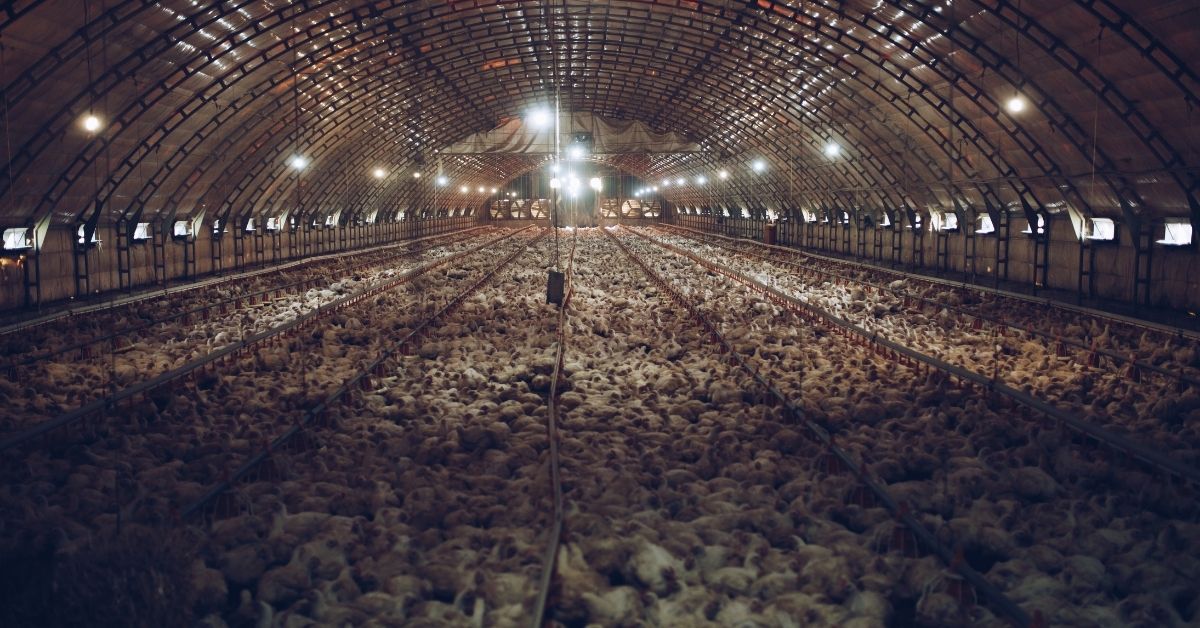
From The Jungle to Ag-Gag: How the Meat Industry Still Fears the Truth
Earlier this year, a US federal judge upheld an “ag-gag” law in Iowa that prohibits unauthorized access to private property for the purpose of recording footage inside animal agriculture facilities.[1] To many, this decision may seem like a minor issue of property rights. But its implications reach far deeper, striking at the core of transparency, … Continued
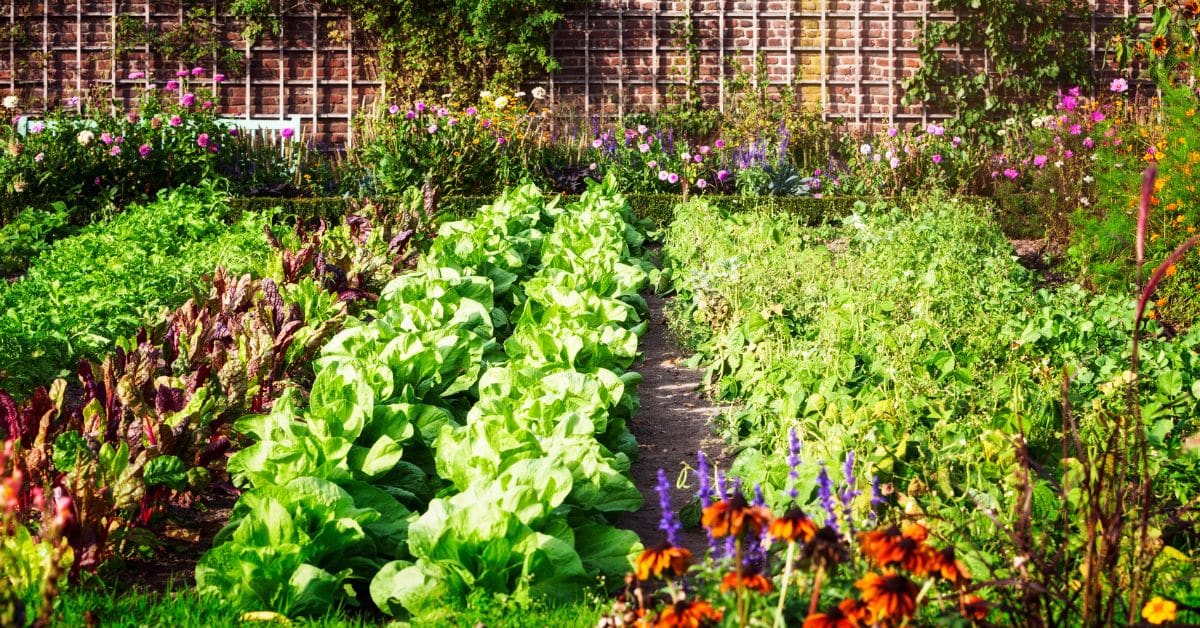
A Perennial Future: Agriculture’s Next Evolution
For much of modern history, agriculture has relied on annual crops like corn, soy, and wheat. These crops dominate farmland and anchor global markets, but their short lifespans come at a steep ecological cost. In the conventional agriculture systems that dominate today, annual fields must be plowed, seeded, fertilized, and sprayed every year, creating constant … Continued
The Once-Eradicated Screwworm Pest Is Back: Are We Ready?
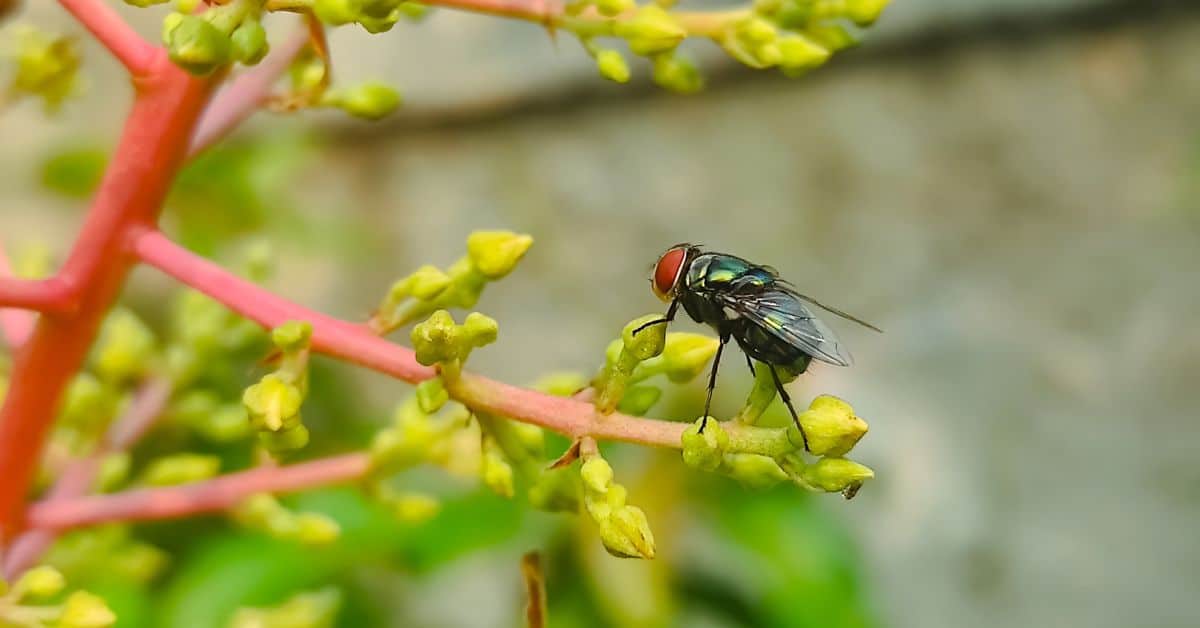
In early August, the US Centers for Disease Control and Prevention confirmed a human case of New World screwworm in a Maryland patient who recently returned from El Salvador. As reported by Reuters, a spokesperson for the Department of Health and Human Services claims the public health risk is very low.[1] Nevertheless, the story illustrates … Continued

The EAT-Lancet Diet: A First Step toward a Healthier Planet and Healthier People
As the global population climbs toward ten billion and environmental pressures intensify, the connection between what we eat and the health of the planet is clearer than ever. Food production is a leading driver of environmental degradation, fueling climate change, deforestation, freshwater depletion, pollution, and biodiversity loss. In fact, agriculture is pushing us beyond at … Continued

Ocean Acidification: The Newest Planetary Boundary Breached This Year
In 2009, a group of twenty-eight internationally renowned scientists proposed the planetary boundaries framework, combining insights from various disciplines of environmental change research. Their assessment defined nine large-scale earth system processes and associated boundaries that, if crossed, could lead to catastrophic environmental change. The group of scientists determined that we have already breached seven of … Continued

Planetary Boundaries 101: What They Are, Why They Matter, and How Food Impacts Each One
Planetary boundaries are a set of scientifically defined environmental limits within which humanity can sustainably survive. These thresholds establish a “safe operating space” for human development, ensuring that the earth’s systems remain stable and resilient. Crossing these boundaries increases the risk of triggering large-scale, potentially irreversible environmental changes. The global food system, particularly industrial livestock … Continued

How to Reduce Your Water Footprint through Smarter Food Choices
Water is often described as the most essential element for life on Earth, yet it is a resource we frequently take for granted, especially when it comes to the food we eat. While we may be mindful of turning off the faucet while brushing our teeth or fixing leaky taps, the vast majority of our … Continued

How Our Food Choices Could Help Reforest the Planet
The global food system lies at the center of some of today’s most urgent environmental challenges, including climate change, biodiversity loss, and deforestation. Yet it also offers one of our greatest opportunities: the chance to reforest vast areas of the planet by rethinking what we eat. Nearly half of the world’s habitable land is currently … Continued
How to Plant a Fruit Tree Guild for a Resilient Backyard
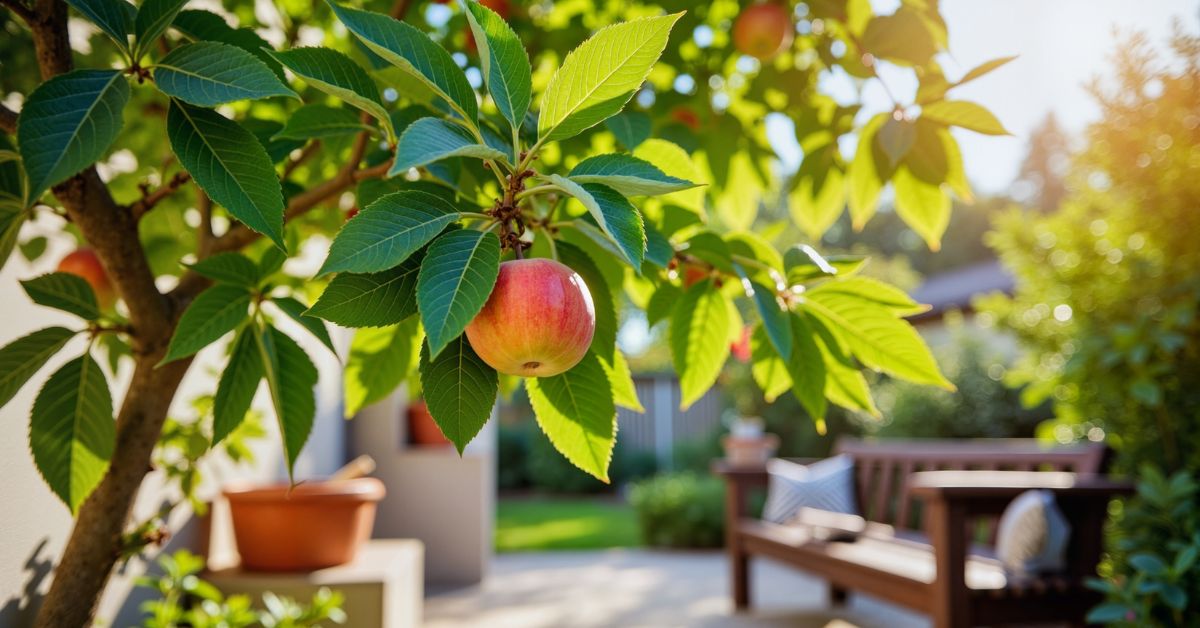
If you are looking for a beautiful, resilient way to rewild some or all of your backyard, look no further than tree guilds. Also known as a permaculture garden, a tree guild is centered around a fruit or nut tree and incorporates a diverse group of plants that work together in harmony. What Is a … Continued
Supporting Pollinators in Your Backyard
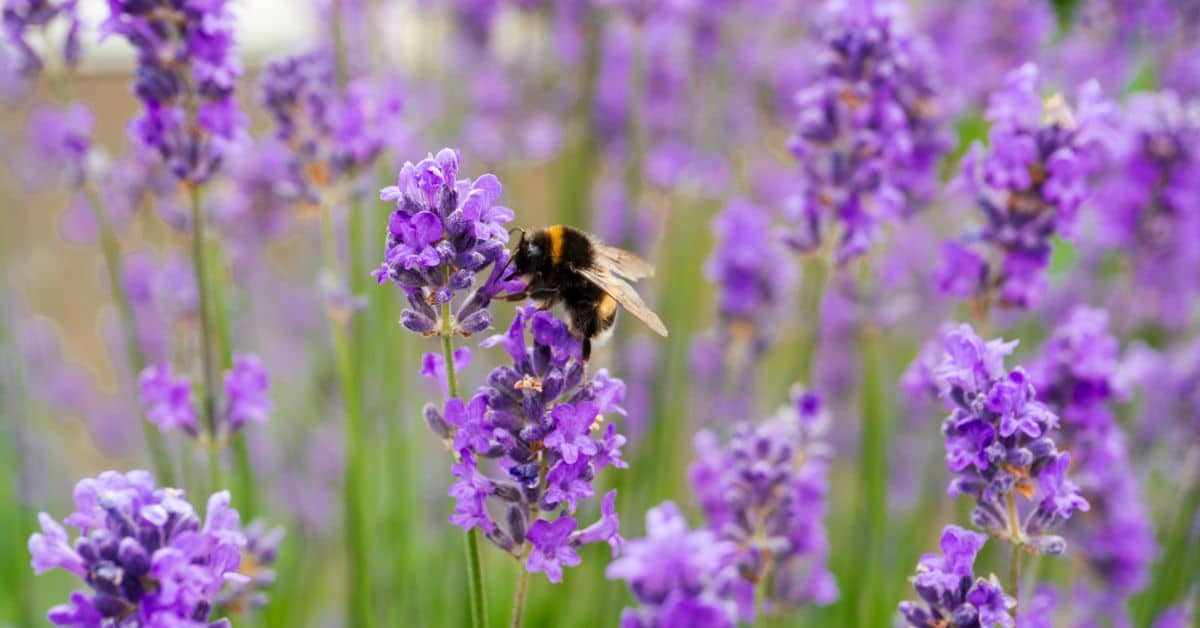
The next time you are biting into a fresh apple or crafting a delicious salad, be sure to thank pollinators. Pollinators are responsible for one out of every three bites of food we take every day.[1] Three-fourths of the flowering plants worldwide and 35 percent of the global food crop depend on pollinators to reproduce.[2] … Continued

Toxic Trade-Offs: How Banned Pesticides Still Enter the US Food Supply
Despite growing scientific consensus around the dangers of certain pesticides, many of these chemicals continue to be produced, used, and consumed around the world—even in countries where they’ve officially been banned. This global dissonance is particularly stark when comparing pesticide regulations in the European Union (EU) and the United States. Relying heavily on the precautionary … Continued
Pesticides—Adapting Chemicals of War
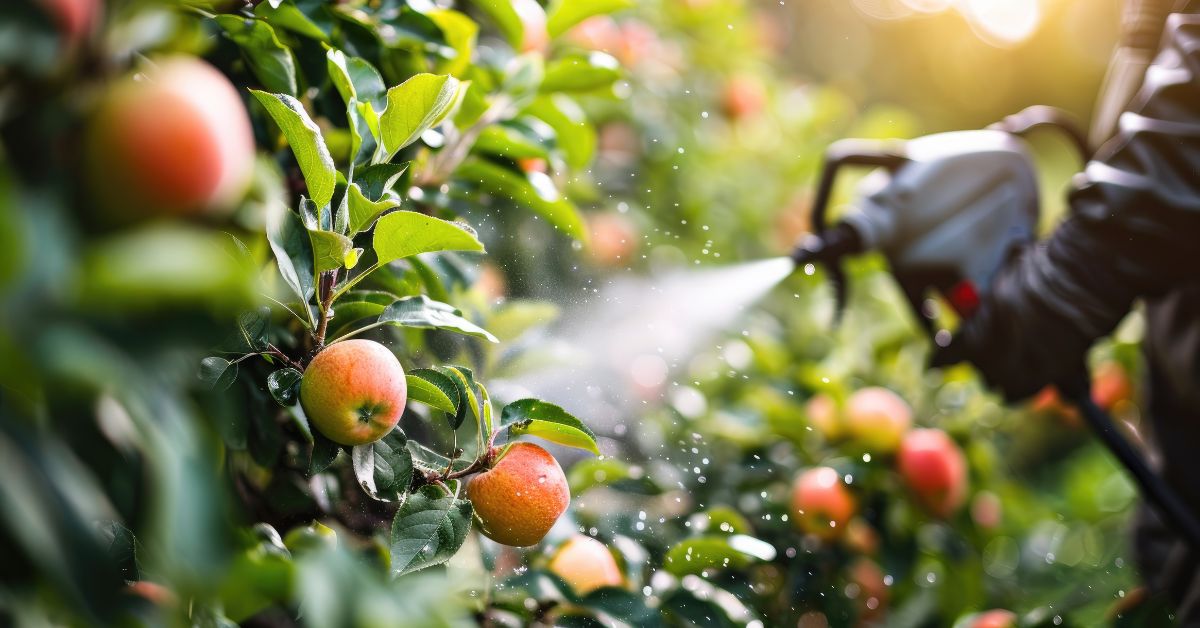
The story of pesticides is not merely one of agricultural innovation; it is also a story of militarism, industrial expansion, ecological upheaval, and a conflicted relationship with the natural world.

Can Organic Farming Feed the World?
In the ongoing debate between conventional and organic farming, it’s commonly believed that conventional agriculture is necessary to meet the growing global demand for food. However, decades of research from the Rodale Institute show that organic farming can not only match but often outperform conventional methods in terms of yield, sustainability, and profitability.
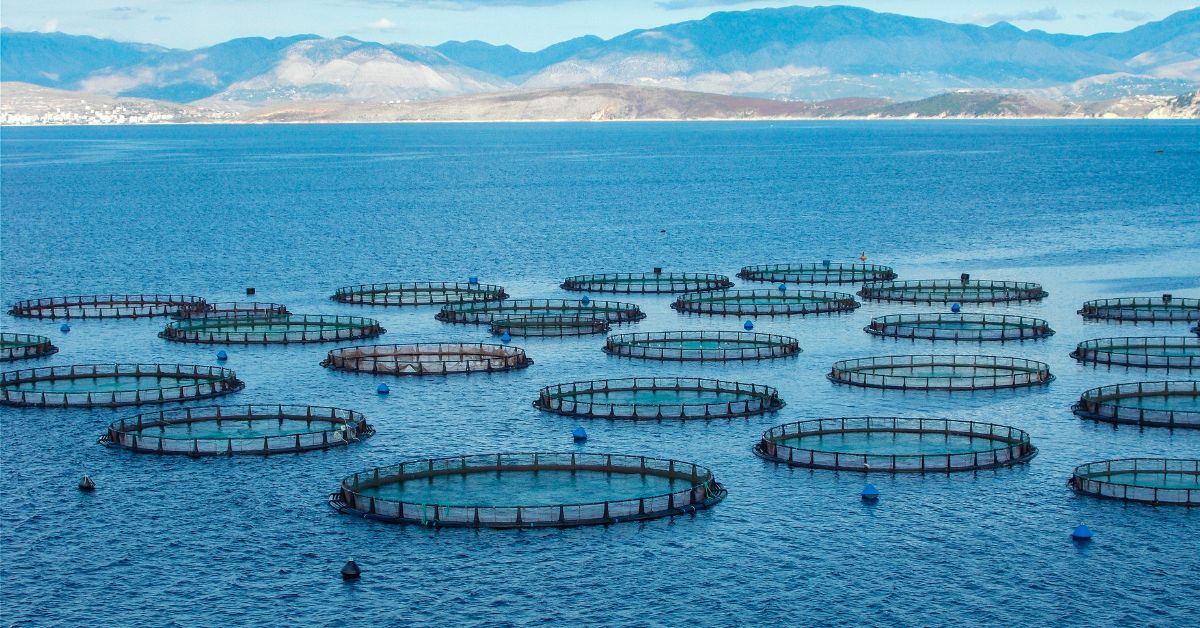
Aquatic ecosystems worldwide are facing severe challenges according to nearly every available metric. Recent reports indicate that shark and stingray populations have been halved since 1970, trends which echo earlier studies showing a 49% decline in fish populations between 1970 and 2012.[1][2] Today, nearly 90% of global marine fish stocks are fully exploited, overexploited, or … Continued

Lifeless Soils Will Be the Death of Us
The world’s topsoil is endangered. About a decade ago, a senior UN official made the widely-publicized claim that this most important natural resource, on which our survival depends, will be gone within 60 years if current rates of soil loss continue.[1] “The causes of soil destruction include chemical-heavy farming techniques, deforestation which increases erosion, and … Continued
Three Often Overlooked Hazards of Animal Agriculture
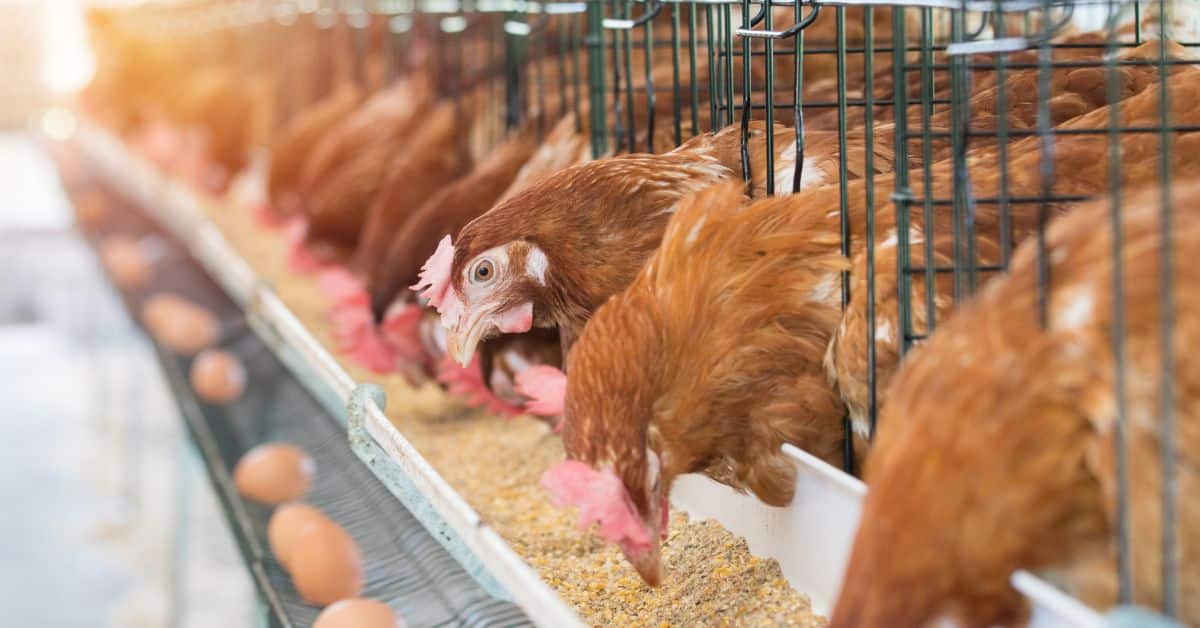
Many people know that animal agriculture is far less environmentally sustainable and that diets containing excessive amounts of animal-based foods compromise our health in numerous ways. Most of our resources at the T. Colin Campbell Center for Nutrition Studies (CNS) relate to these concerns (you can learn more about Food and Sustainability or Plant-Based Nutrition … Continued
Industrial Agriculture Is a Zombie Paradigm (Video)
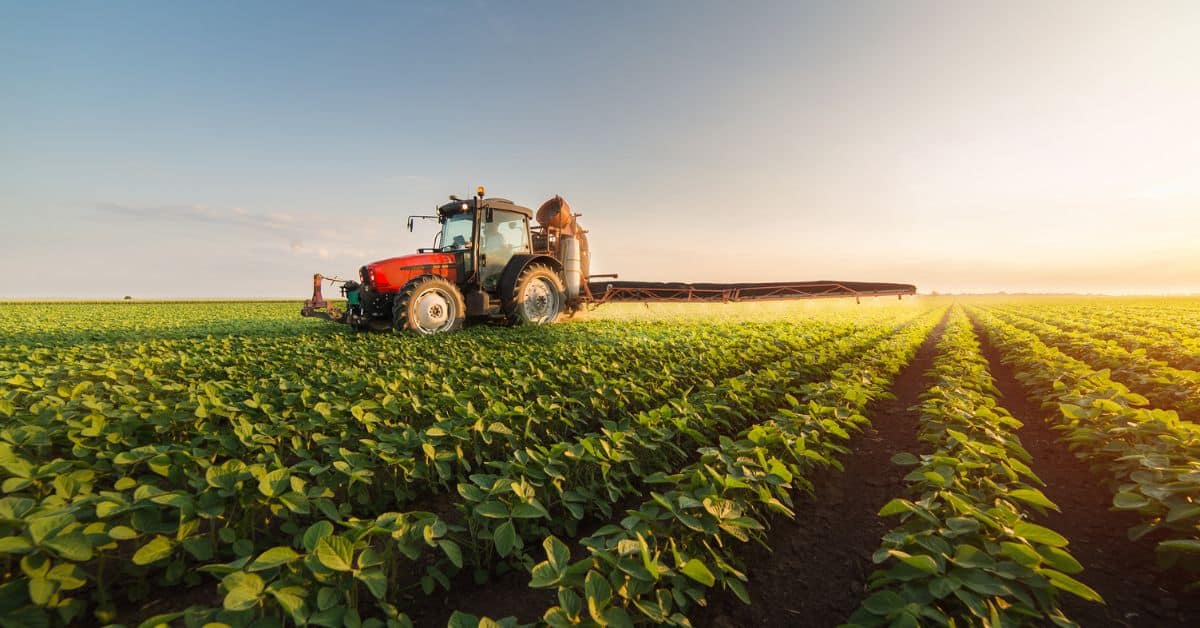
Andrew Kimbrell is an internationally recognized public interest attorney, public speaker, and author. He is the founder and executive director of Center for Food Safety. As an attorney, Kimbrell has successfully challenged federal agencies in several historic court cases. He initiated the court challenge that resulted in a US Supreme Court victory forcing, for the … Continued
Plant-Based Diets Radically Reduce Food Waste
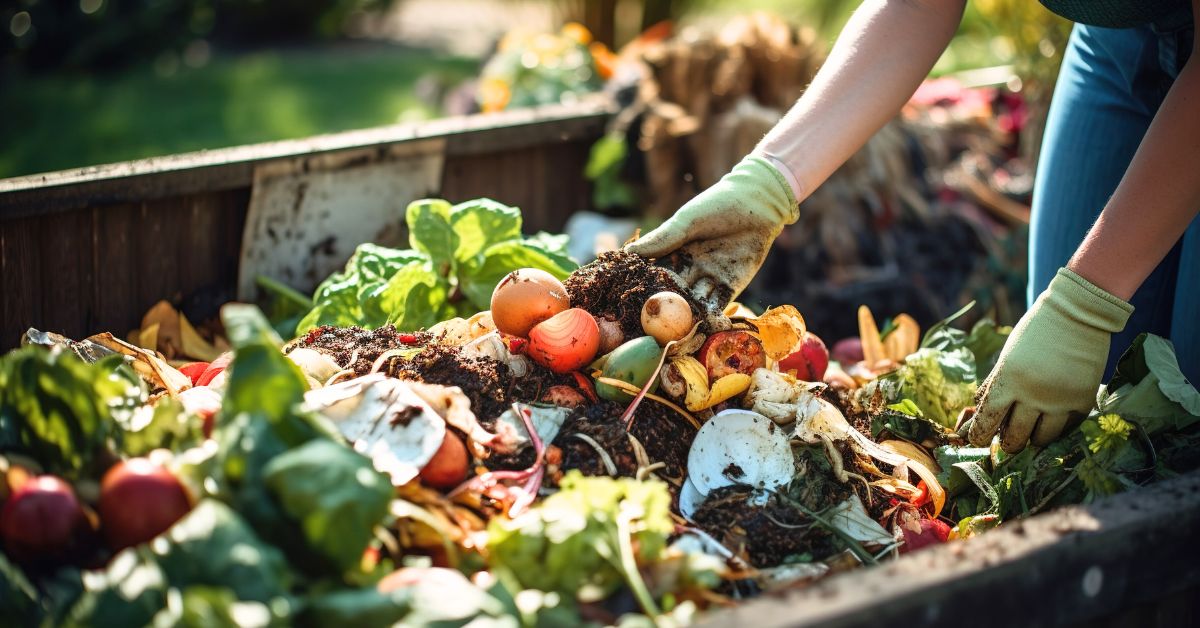
Food waste is a global concern. If we could tackle food waste reduction, might the profligacy inherent to our food production systems be less consequential?

Do We Need Animal Foods to Meet Global Protein Requirements?
We have a bad habit of persistently conflating protein with animal foods. It’s on the restaurant menus. When it’s not at the forefront of our thoughts, it’s in the back of our minds. The idea is so deeply entrenched that one of the first questions a non-meat-eater must confront from friends and family is, inevitably, … Continued

How Much Land Could 100 Americans Conserve by Switching Their Diets?
In recent years, the debate around what constitutes a “sustainable diet” has led to much discussion. So, as a thought experiment, we analyze the impact that would come from 100 people currently eating the standard American diet switch to a fully plant-based diet.
Air Pollution and Industrialized Livestock
For a long time, we have understood that agriculture is a major contributor to air pollution, but only recently has there been an effort to determine the relative impact of specific foods or diets.

Deepen Your Knowledge With Our
Plant-Based Nutrition
Certificate
Plant-Based Nutrition Certificate
- 23,000+ students
- 100% online, learn at your own pace
- No prerequisites
- Continuing education credits