Reproduction - Definition and Examples - Biology Online Dictionary (original) (raw)
Reproduction
n., plural: reproductions
/ˌriːprəˈdʌkʃən/
Definition: Generation of offspring
Table of Contents
Toggle
- Reproduction Definition
- Types Of Reproduction
- What are Anisogamous Species?
- Sexual Reproduction in Plants
- Same-Sex
- Strategies
- Frequently Asked Questions
- Quiz
- Further Reading
- References
Reproduction is a biological phenomenon of producing offspring/s. i.e. more of its kind. Depending on the mode of reproduction, offspring can be produced from one or two parent organisms. The biological world displays an array of reproductive strategies that specifically suit the species’ needs.
How is asexual reproduction different from sexual reproduction? Get the answer here: Asexual and sexual reproduction differences. Join our Forum to discover more.
Some important pointers to the biological process of reproduction are:
- The producing organism/s who give/s life are called parent/s.
- The new organism produced through the process of reproduction is called a progeny (plural=progenies).
- The process of reproduction is also called procreation or breeding.
- Reproduction is vital for the species’ continuation on the planet.
Asexual and Sexual Reproduction (by Amoeba Sisters):
Biology definition:
Reproduction is one of the most fundamental attributes of any living thing. It is the process of production of viable offspring/s by organized bodies where the offspring can be an exact clone of the parent (asexual reproduction) or unique (sexual reproduction).
- An organism capable of asexual reproduction is able to produce offspring in the absence of a mate. In asexual reproduction, the offspring is a clone of the parent and therefore results in low genetic variation in the species as a whole.
- Sexual reproduction is a mode of reproduction involving the fusion of a female gamete (ovum) and a male gamete (spermatozoon). This leads to the formation of a zygote that potentially develops into genetically distinct offspring. It usually entails processes such as meiosis and fertilization. Meiosis is an important process to generate gametes that are haploid and genetically different (through genetic recombinations) so that during fertilization, the newly formed zygote will contain the original number of chromosomes but with a genome that is different from either parent. Asexual reproduction is a form of reproduction that does not involve meiosis, ploidy reduction, or fertilization, and the offspring is a clone of the parent organism.
Etymology: The word “reproduction” originates from the Latin word “reproducere,” where “re-” means “again” and “producere” means “to produce,” reflecting the idea of generating new life or individuals. Synonyms: procreation, propagation, and generation Variants: reproductive (adjective); reproduce (verb)
Types Of Reproduction
There are two types of reproduction based on the presence or absence of gamete formation and fusion (fertilization) steps: Sexual and asexual reproduction.
Let’s discuss them here in detail.
Asexual Reproduction
The distinguishing feature of asexual reproduction is the “requirement of only one parent” to produce the next generation of individual organisms. Asexual reproduction doesn’t demand the participation of 2 parents (i.e. no need for fusion of 2 gametes; one male and one female) to produce the progeny.
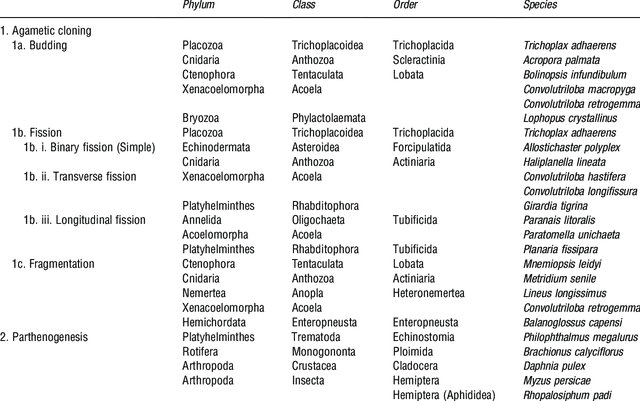
Figure 1: Taxonomic distribution of different types of asexual reproductive strategies in invertebrates. Image Credit: T. Subramoniam

Some important pointers to asexual reproduction are:
- No gamete production step
- No gamete fusion step
- No energy investment in the fertilization process
- Observed across the different domains of life like prokaryotic and eukaryotic life forms
- Observed across the different forms of life like single-celled (unicellular organisms) and multi-celled organisms
- No genetic recombination
- Complete cloning (genetically identical or similar to parents)
- Progenies bear the same genetic constitution as the parents
- Some common examples are:
- Reproduction in bacteria like E. coli via “binary fission”
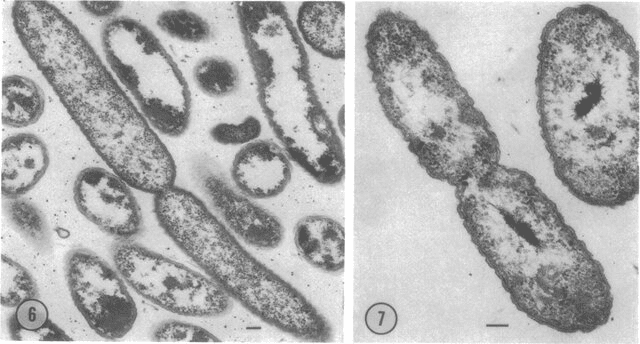
Figure 2: Binary fission is a mode of asexual reproduction in bacterial species like Escherichia coli. Image Credit: Donald Lee Hopkins - Reproduction in protozoans like Plasmodium falciparum via “multiple fission”
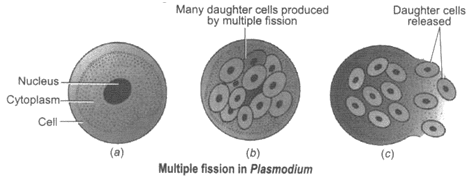
Figure 3: Multiple fission is a mode of asexual reproduction in protozoans like Plasmodium falciparum (causative agent of Malaria). Image Credit: myCBSEguide - Reproduction in algae like Spirogyra and Zygnema via “fragmentation”
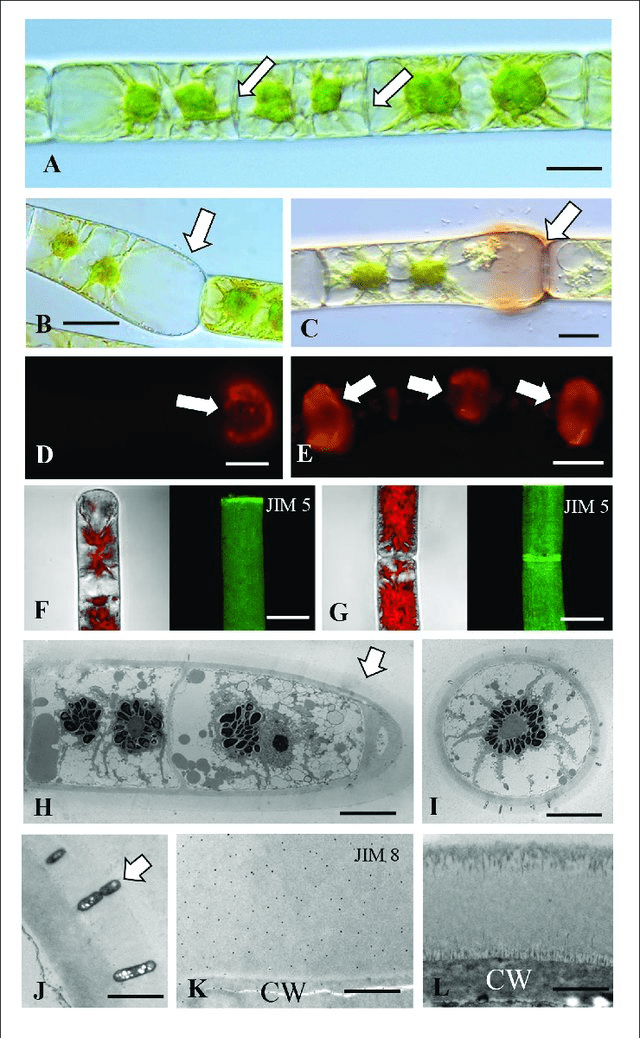
Figure 4: Fragmentation is a mode of asexual reproduction in alga like Zygnema. Image Credit: Berke Tinaz - Reproduction in flatworms like Planarians via “fragmentation”


Figure 5: Fragmentation is a mode of asexual reproduction in planarians (a type of flatworm). Watch the animated video to witness the fragmentation in real time (LINK). Image Credit: Josh Cassidy/KQED

- Reproduction in small aquatic organisms like Hydra via “budding”
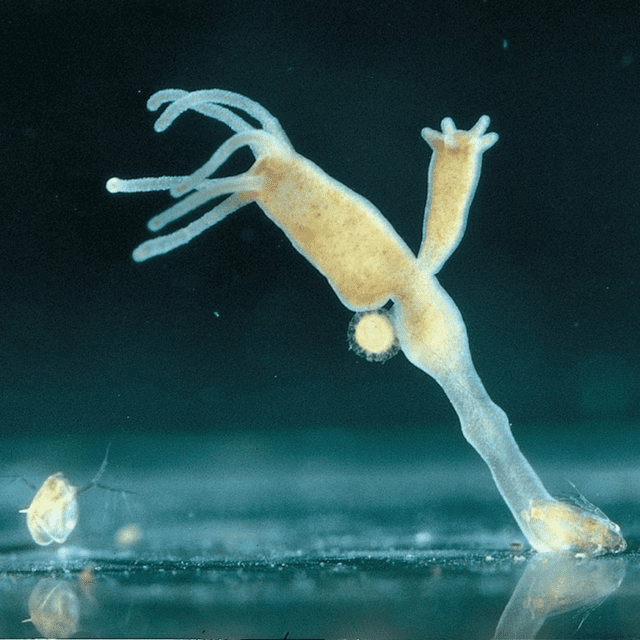
Figure 6: Budding is a mode of asexual reproduction in hydra. Image Credit: T. Subramoniam - Reproduction in single-celled fungi like yeast via “budding”
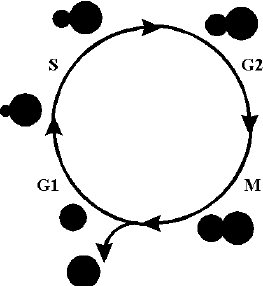
Figure 7: Budding is a mode of asexual reproduction in yeast. The picture shows the cell cycle of the Saccharomyces cerevisiae (budding yeast). Image Credit: Marja-Leena Linne - Reproduction in multicellular fungi like mushrooms and molds via “spore formation”
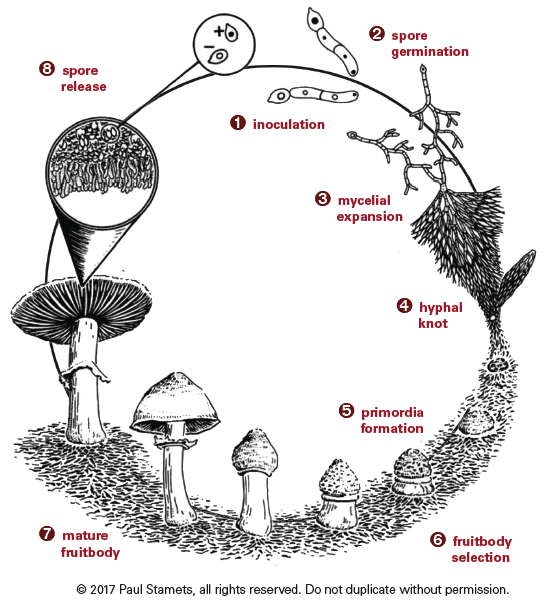
Figure 8: Spore formation is a mode of asexual reproduction in fungi like mushrooms. The picture shows the life cycle of mushrooms. Image Credit: Host Defense Mushrooms - Reproduction in multicellular plants (lower groups) like ferns (Pteridophytes) via “spore formation”
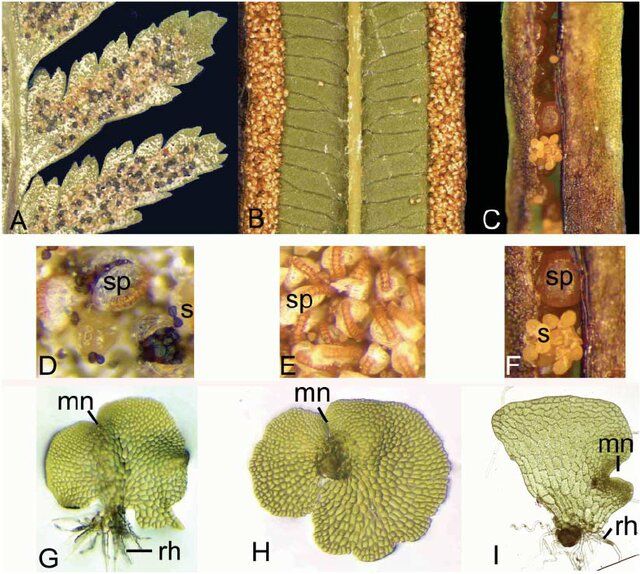
Figure 9: Spore formation is a mode of asexual reproduction in lower plant groups like Pteridophytes (for example: ferns). Pictures A-F show the sporophytic phases of the fern’s life cycle while pictures G-I show the gametophytic phases of the fern’s life cycle. The mark (sp) stands for “sporangia” and the mark (s) stands for “spores”. Image Credit: Jody Banks - Reproduction in multicellular animals (lower groups) like starfish via “regeneration”
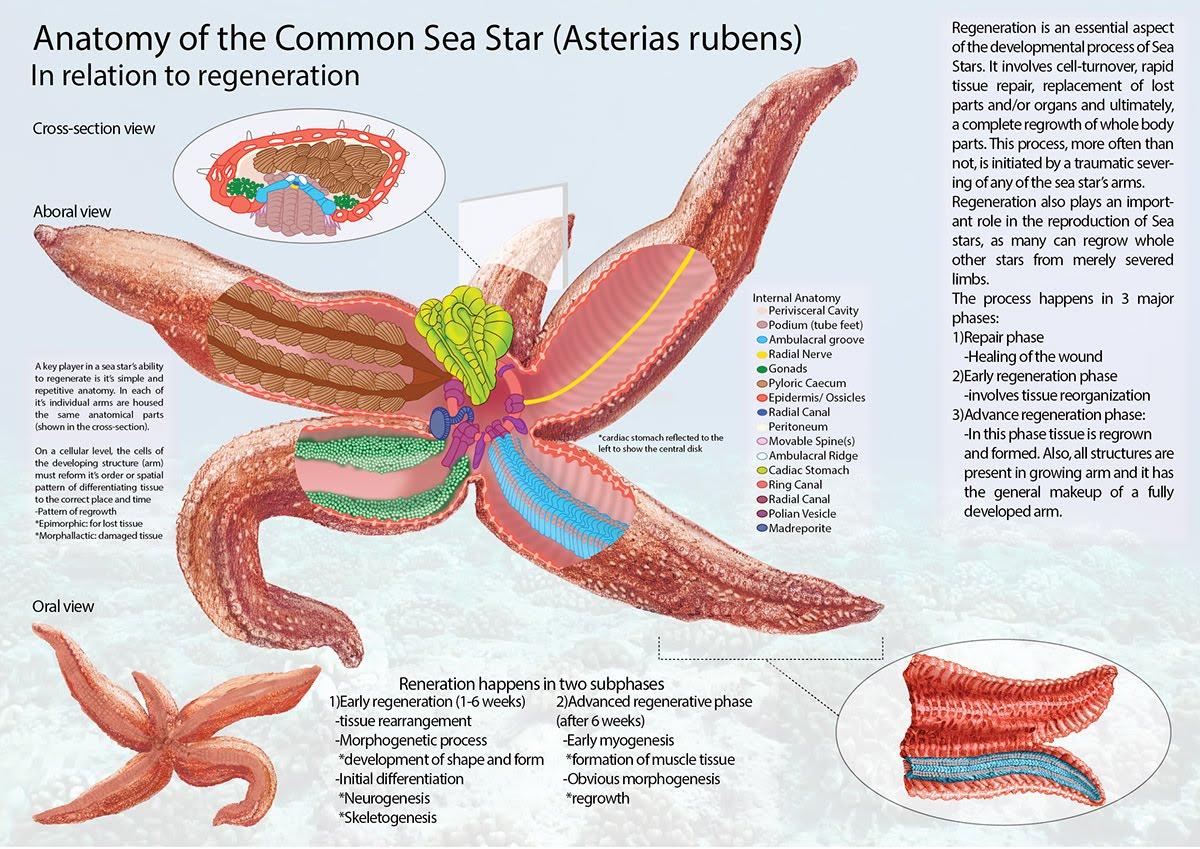
Figure 10: Regeneration is a mode of asexual reproduction in multicellular organisms like starfish. Image Credit: Kuukua Wilson - Reproduction in multicellular plants (higher groups) like potatoes via “tubers”


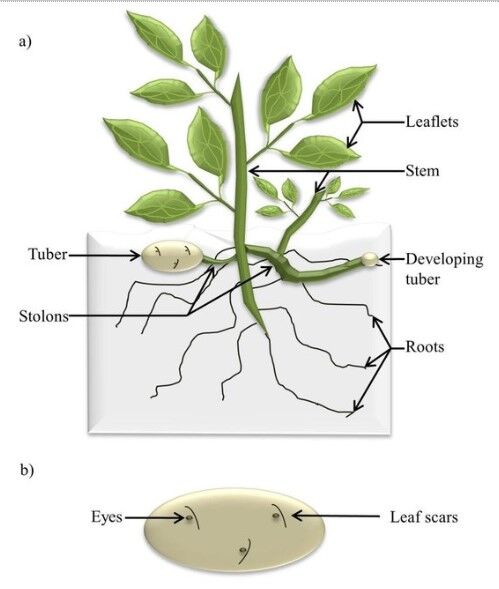
Figure 11: Tubers serve as a mode of asexual reproduction in multicellular plants like potatoes. Image Credit: Norman P A Huner

- Reproduction in multicellular plants (higher groups) like onions and garlic via “bulbs”
- Reproduction in multicellular plants (higher groups) like strawberries via “runners (stolons)”
- Reproduction in multicellular animals (higher groups) like bees via “parthenogenesis”
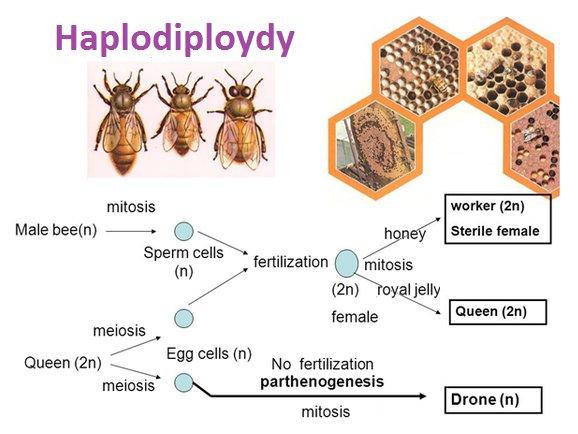
Figure 12: Parthenogenesis is a mode of asexual reproduction in bees where the drone flies are formed without the step of fertilization. Image Credit: William Halmeck - Reproduction in multicellular animals (higher groups) like lizards via “parthenogenesis”

Figure 13: Parthenogenesis is a mode of asexual reproduction in whiptail lizards (Cnemidophorus uniparens) where the all-female, parthenogenetic whiptail lizard had evolutionarily arisen from the hybrid mating b/w 2 sexual species. Image Credit: David Crews Sexual Reproduction

The distinguishing feature of sexual reproduction is the “requirement of two parents” to produce the next generation of individuals. Sexual reproduction demands the participation of 2 parents of the opposite sex (i.e. need for fusion of 2 gametes; one male and one female) to produce the progeny.
Some important pointers to sexual reproduction are:
- Essential gamete production step (involving a type of cell division called “meiosis”)
- Essential gamete fusion step (involving the fusion of 2 gametes; each carrying half the genetic material as the parent)
- Huge energy investment in the fertilization process
- Observed across the different domains of life like prokaryotic and eukaryotic life forms
- Observed across the different forms of life like single-celled and multi-celled organisms
- Contributes to genetic diversity via genetic recombination
- No cloning in progeny, rather reshuffled genetic information due to the process of meiosis (during gamete formation)
- Progenies bear different genetic constitutions from parents
- Some common examples are:
- Reproduction in prokaryotes like bacteria via “conjugation”
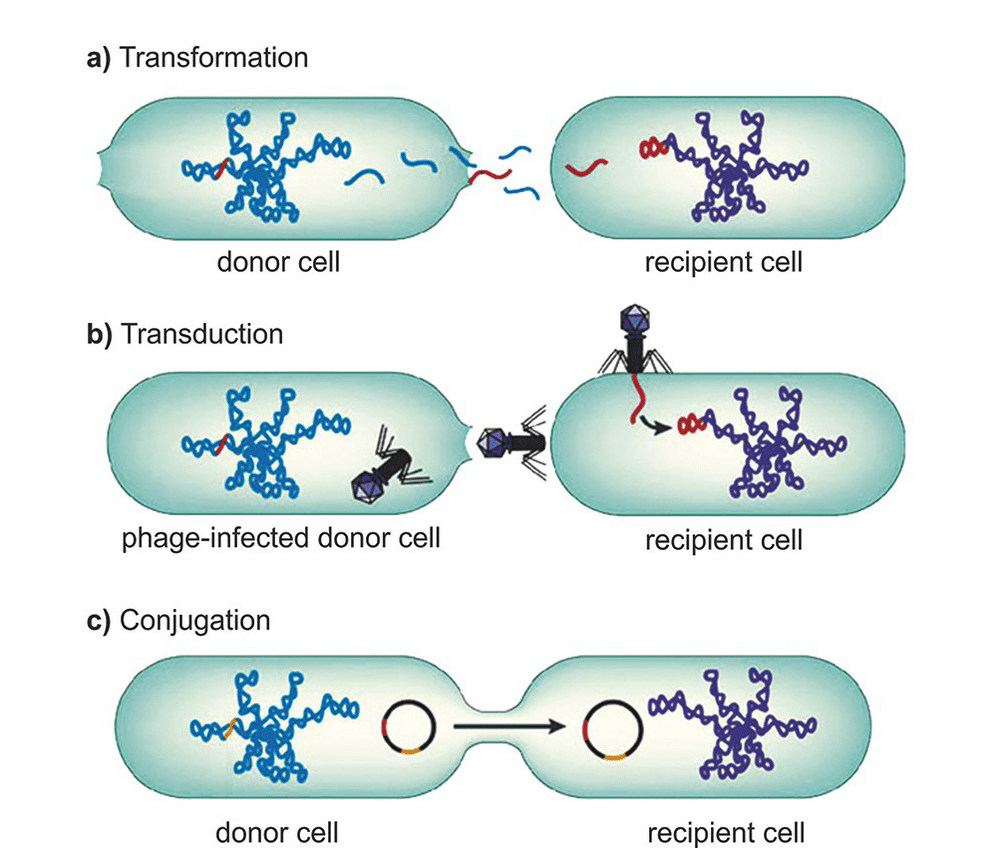
Figure 14: Conjugation is a mode of sexual reproduction in prokaryotes like bacteria. Image Credit: Cambridge University Press & Assessment - Sexual reproduction in isogamous species via “isogametes”
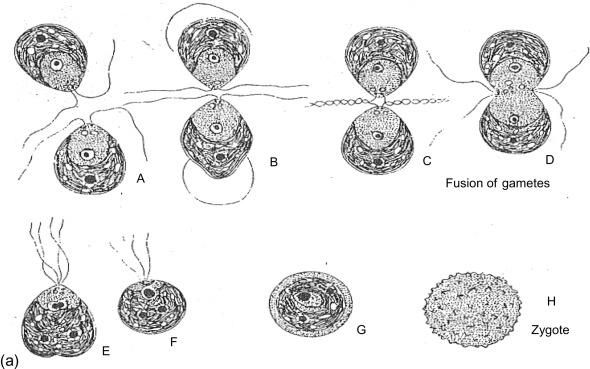
Figure 15: Isogametes serve as a mode of sexual reproduction in green alga like Chlamydomonas snowiae. One can notice the similarity in the appearance of the 2 gametes as they approach each other for fusion. Image Credit: Pandey and Trivedi - Sexual reproduction in anisogamous species via “sperms and eggs” or “megaspore and microspore”
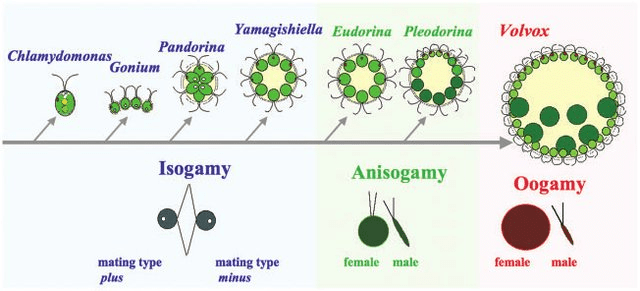
Figure 16: While all isogamous, anisogamous and oogamous species undergo sexual reproduction, the contribution of individual sexual gametes in the process of reproduction varies. The illustration shows the evolution of the reproductive strategy across the various algal groups. Image Credit: Jun Abe


NOTE IT!
What are Anisogamous Species?
Anisogamy is a common reproductive strategy in the natural world. It has evolved in various lineages, often in response to specific ecological and evolutionary pressures. It allows for a diversity of reproductive strategies including “internal” and “external fertilization” and plays a crucial role in the reproductive success and survival of many species.
Anisogamous species are organisms in which individuals of the same species produce gametes (sperm and eggs or microspores and megaspores) that differ in size and often in other characteristics. This contrasts with isogamous species where the gametes are similar in size and structure. Anisogamy is particularly common in many sexually reproducing organisms including various plants, animals, and protists.
Some interesting facts about anisogamous species are:
- In anisogamous species, there is a significant difference in the size of the male and female gametes. Typically, the smaller gamete is considered the male gamete (sperm) and the larger gamete is the female gamete (egg).
- Anisogamy is thought to provide several evolutionary advantages. Larger female gametes usually contain more nutrients and resources to support the developing zygote while smaller male gametes are often more numerous and can be produced in greater quantities.
- Oogamy is witnessed in human reproduction. Humans are “oogamous in nature”. Oogamy is a type of anisogamy where the female gamete (egg/ovum) is relatively large, non-motile, and nutrient-rich and the male gamete (sperm) is minutely small, highly motile, and carries solely genetic material.
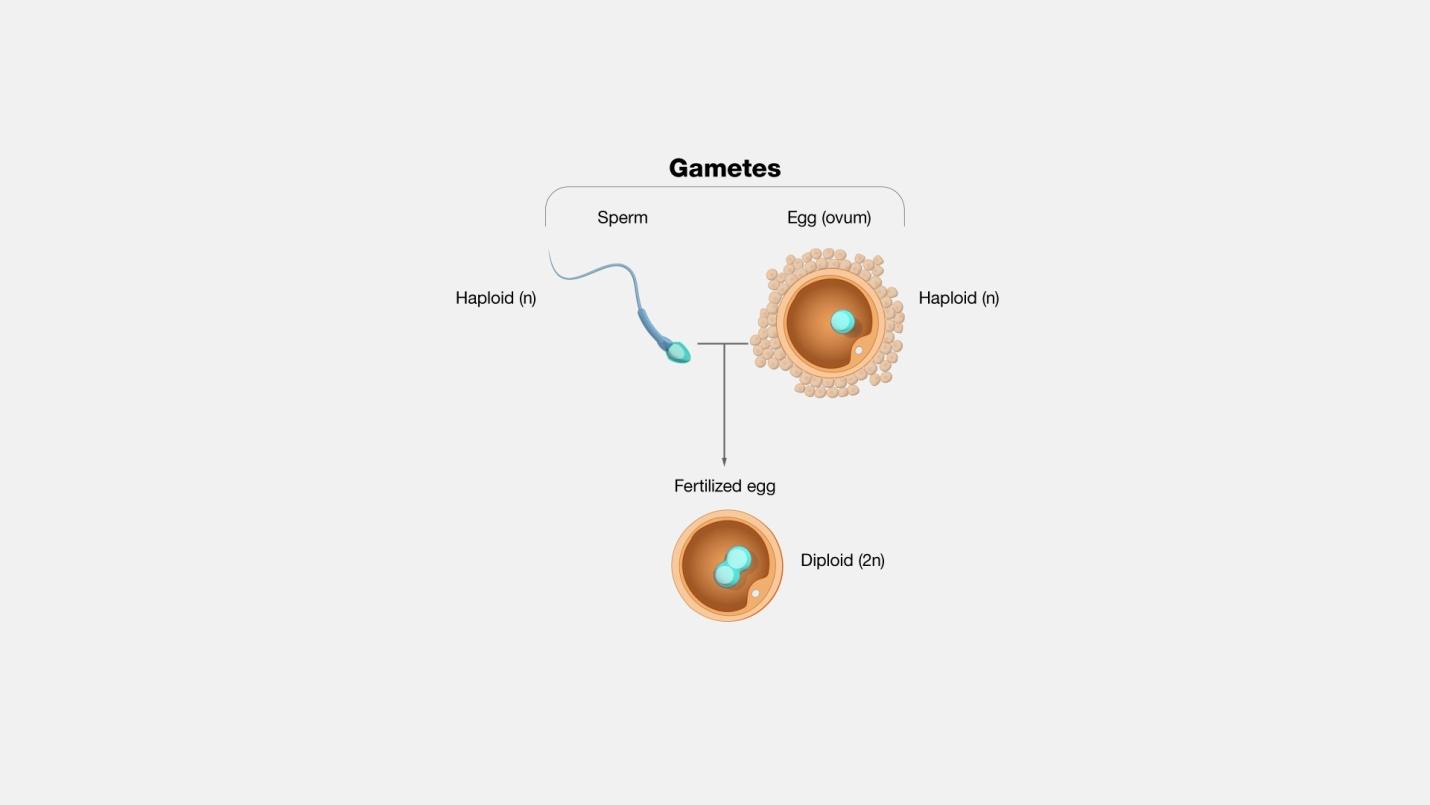
Figure 17: Oogametes in human beings. Image Credit: National Human Genome Research Institute

Sexual Reproduction in Plants
When we discuss sexual reproduction in plants, we come across 3 major ways that it could possibly happen; “allogamy”, “autogamy” and “geitonogamy”.
Allogamy
- Allogamy is the “cross-pollination phenomenon” where pollen’s spermatozoa from a plant’s flower fertilize the ovum of a different plant’s flower.
- This transfer of pollen can occur through “biotic vectors” (like insects, animals, or humans) or “abiotic carriers” (like wind).
- Allogamy is associated with both cross-pollination and cross-fertilization.
- Allogamy is also known as “xenogamy”.
Autogamy
- Autogamy is the “self-pollination phenomenon” where pollen’s spermatozoa from a plant’s flower fertilize the ovum of the same flower of the same plant.
- This transfer of pollen can occur through “biotic vectors” (like insects, animals, or humans) or “abiotic carriers” (like wind).
- Autogamy is associated with both self-pollination and self-fertilization.
Geitonogamy
- Geitonogamy is the “self-pollination phenomenon” where pollen’s spermatozoa from a plant’s flower fertilize the ovum of a different flower of the same plant.
- This transfer of pollen can occur through “biotic vectors” (like insects, animals or humans) or “abiotic carriers” (like wind).
- Geitonogamy is associated with both self-pollination and self-fertilization.
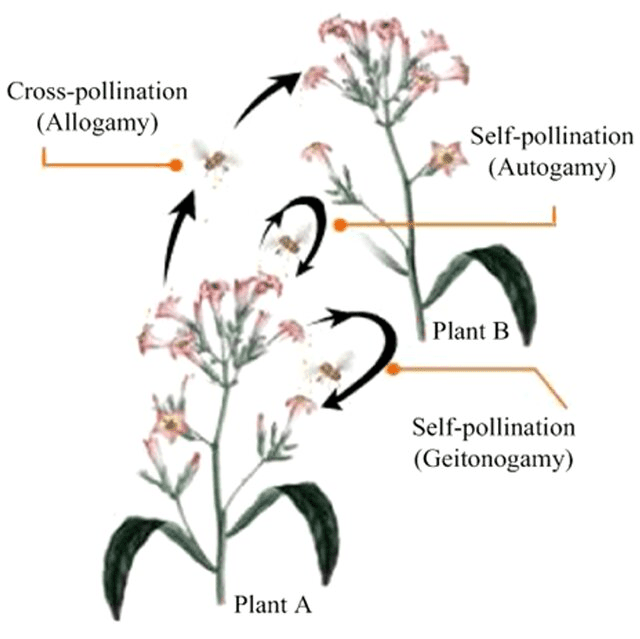
Figure 18: Notice the pollen transfer in the cases of allogamy, geitonogamy and autogamy. Image Credit: y Deacha Puangdownreong

Mitosis and meiosis
Mitosis and meiosis are two types of cell division strategies, with each one having its own importance. Both mitosis and meiosis have important roles to play in the reproduction process. Meiosis is specific to the sex cells and gamete production step where the ploidy has to change from the parent cell to the gametes.
We must note that in organisms that are exclusively asexually reproducing, only mitosis occurs. In sexually reproducing organisms, both mitosis and meiosis occur.
To learn more, you can refer to our comprehensive articles on mitosis and meiosis.
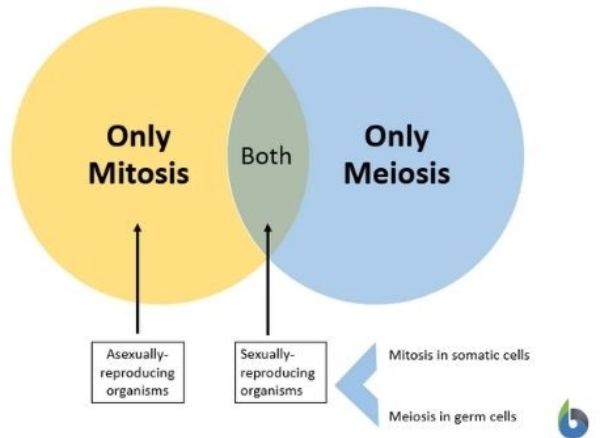
Figure 19: Types of cell divisions in different organisms (asexually and sexually reproducing organisms). Image Source: Akanksha Saxena of Biology Online
Same-Sex
Naturally, the phenomenon of reproduction is impossible with the involvement of 2 same-sex individuals. The biological world requires 2 partners of the opposite sex to contribute to the procreation and production of a progeny.
On the scientific front, research has been continually striving to do the impossible and materialize same-sex procreation where an offspring can inherit genetic material from either 2 females or 2 males.
Strategies
- Species adopt various reproductive strategies based on their “ecological niche” and “evolutionary history”.
- These strategies range from prolific reproduction with numerous offspring as seen in “r-strategists” like many insects to the production of few, well-cared-for offspring by “K-strategists” like large mammals.
- Some species engage in sexual reproduction which promotes their “genetic diversity”, while others reproduce asexually to ensure their “genetic continuity”.
- Additionally, animals employ complex mating rituals and parental care and plants utilize diverse pollination methods. These strategies are finely tuned to optimize survival and reproduction within specific environments and life histories, thereby reflecting the incredible adaptability and diversity of life on Earth.
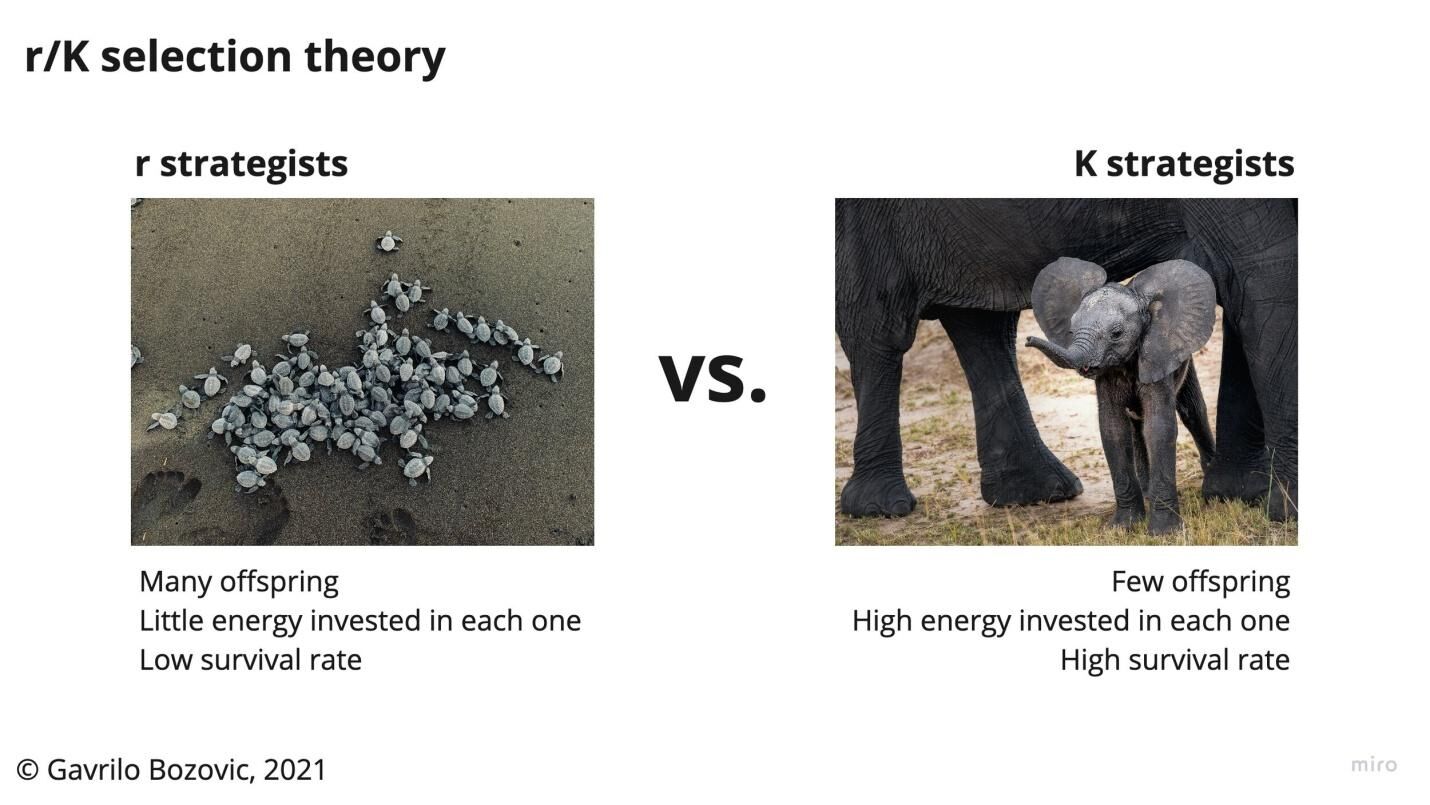
Figure 20: Reproductive strategies of r-strategists versus K-strategists. Image Credit: Gavrilo Bozovic

Other types
There are different types of preferences when it comes to the frequency of reproduction in one’s lifetime. While some species prefer to intermittently reproduce throughout their lives (polycyclic animals), some others prefer to procreate just one time in their entire lives (semelparous organisms) and there are some others that prefer to reproduce successively and produce offspring several times in their lifetime (iteroparous organisms)
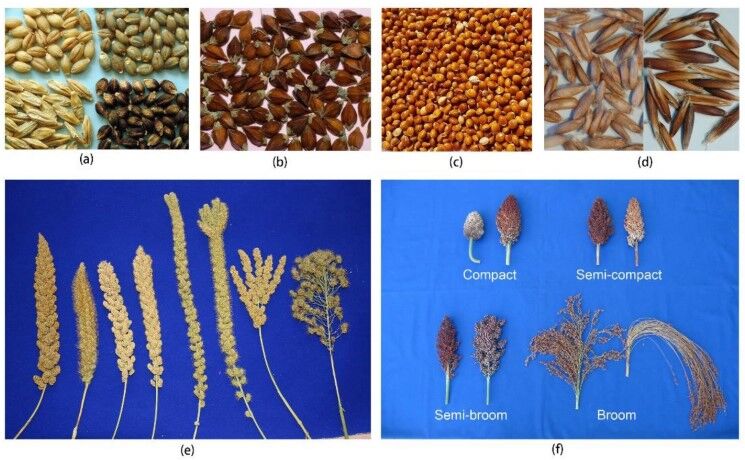
Figure 21: All grain crops which are “annuals” are semelparous in nature as they reproduce and produce grain only once in their lifetime. Image Credit: Zongwen Zhang

Frequently Asked Questions
Let’s answer some FAQs.
What are the advantages of Sexual Reproduction?
The main advantages of sexual reproduction are that it ensures that species always have genetic diversity which is accomplished by recombination and reshuffling of genetic material during gamete formation via meiosis and fertilization steps. It also ensures the formation of new characters and genotypes.
What is the difference between sexual reproduction and asexual reproduction?
You might like to read through our forum discussion which is quite detailed on this topic. (LINK)
Take the Reproduction – Biology Quiz!
Further Reading
References
- T. Subramoniam. (2018) Mode of Reproduction: Invertebrate Animals (link)
- Gubbels, M. J., Keroack, C. D., Dangoudoubiyam, S., Worliczek, H. L., Paul, A. S., Bauwens, C., … & Duraisingh, M. T. (2020). Fussing about fission: defining variety among mainstream and exotic apicomplexan cell division modes. Frontiers in cellular and infection microbiology, 10, 269.
- Palacio-López, K., Tinaz, B., Holzinger, A., & Domozych, D. S. (2019). Arabinogalactan proteins and the extracellular matrix of charophytes: a sticky business. Frontiers in Plant Science, 10, 447.
- Gabriela Quirós. (2018) These Flatworms Can Regrow A Body From A Fragment. How Do They Do It And Could We? (Link)
- Webster, M. T. (2020). Population Genomics: How Do Cape Honey Bees Do Without Sex?. Current Biology, 30(14), R820-R821.
- Fusco, G., & Minelli, A. (2019). Genetics and Cytogenetics of Reproduction. In The Biology of Reproduction (pp. 236-296). Cambridge: Cambridge University Press. doi:10.1017/9781108758970.007
©BiologyOnline.com. Content provided and moderated by Biology Online Editors.