Up-regulation physiology Definition and Examples - Biology Online Dictionary (original) (raw)
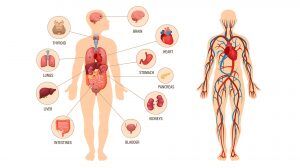
The Human Physiology
Physiology is the study of how living organisms function. Thus, human physiology deals specifically with the physiological attributes of the human body at various levels of organization, i.e. from cellular to tissue and ultimately, physiology at the biological system level. Human physiology is important because it imparts an in-depth understanding of the vital processes that..
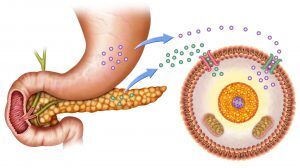
Sugar Homeostasis
The blood sugar level is regulated by two hormones. The mechanism behind this type of negative feedback control is described in this tutorial. Failure to regulate blood sugar levels could lead to physiological disorders and diseases, such as diabetes. Read this tutorial to learn more...
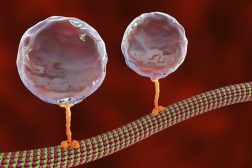
Movement of Molecules Across Cell Membranes
Molecules move within the cell or from one cell to another through different strategies. Transport may be in the form of simple diffusion, facilitated diffusion, active transport, osmosis, endocytosis, exocytosis, epithelial transport, or glandular secretion. This tutorial provides elaborate details on each of these mechanisms. Find out how. ..