Zigeunerweisen (Tsigoineruwaizen) (1980) (original) (raw)


Plugin not supported.
where to watch

Original title
Tsigoineruwaizen (Zigeunerweisen)
Year
1980
Running time
144 min.
Country
 Japan
Japan
Director
Screenwriter
Cast
Music
Cinematography
Producer
Genre
Horror. Mystery. Fantasy. Drama | Friendship. 1910s. 1920s. Supernatural. Ghosts. Surrealism. Serial Killers
Synopsis
Vacationing in a small seaside village, Aochi, a professor of German, runs into Nakasago, a former colleague turned nomad. Nakasago is being pursued by an angry mob for allegedly seducing and killing a fisherman's wife. Police intervene and Aochi vouches for his friend, preventing his arrest. The two catch up over dinner where they are entertained by and become smitten with the mourning geisha Koine. Six months later, Aochi visits his friend and is shocked to find he's settled down and is having a child with Sono, a woman who bears a remarkable resemblance to Koine. Nakasago plays him a recording of Zigeunerweisen and they discuss inaudible mumbling on the record. Nakasago suddenly takes to the road again with Koine, leaving Sono to birth their child alone. Both men enter affairs with the other's wife. Sono later dies of the flu and is replaced by Koine as a surrogate mother. Nakasago takes to the road yet again. Aochi learns of Nakasago's death in a landslide. Koine visits Aochi and requests the return of the Zigeunerweisen record but he is sure he never borrowed it.
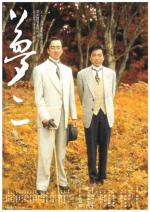
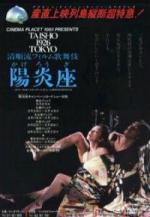
Zigeunerweisen is a 1980 independent Japanese film directed by Seijun Suzuki and based on Hyakken Uchida's novel, Disk of Sarasate. It takes its title from a gramophone recording of Pablo de Sarasate's violin composition, Zigeunerweisen, which features prominently in the story. The film makes the first part of Suzuki's Taishō Roman Trilogy, followed by Kagero-za (1981) and Yumeji (1991), surrealistic psychological dramas and ghost stories linked by style, themes and the Taishō period (1912-1926) setting. All three were produced by Genjiro Arato.
When exhibitors declined to screen the film, Arato screened it himself in an inflatable, mobile tent to great success. It won Honourable Mention at the Berlin International Film Festival, was nominated for nine Japanese Academy Awards and won four, including best director and best film, and was voted the number one Japanese film of the 1980s by Japanese critics (information from wikipedia.org).























Rankings Position
Awards
1981: Berlin Film Festival: Official Selection. Honourable Mention
1981: Premios de la Academia Japonesa: 4 awards. 9 nominations
Movie Soulmates' ratings
Register so you can access movie recommendations tailored to your movie taste.
Friends' ratings
Register so you can check out ratings by your friends, family members, and like-minded members of the FA community.
Is the synopsis/plot summary missing? Do you want to report a spoiler, error or omission? Please send us a message.
If you are not a registered user please send us an email to [email protected]
All copyrighted material (movie posters, DVD covers, stills, trailers) and trademarks belong to their respective producers and/or distributors.
For US ratings information please visit: www.mpaa.org www.filmratings.com www.parentalguide.org