Construct a Binary Tree from Postorder and Inorder (original) (raw)
Last Updated : 23 Jul, 2025
Given **inorder and **postorder traversals of a binary tree(having **n nodes) in the arrays **inorder[] and **postorder[] respectively. The task is to construct a **unique binary tree from these traversals and return the preorder traversal of the constructed tree.
**Examples:
**Input: inorder[] = [2, 1, 3], postorder[] = [2, 3, 1]
**Output: 1 2 3
**Explanation: The below tree is constructed from the given inorder and postorder traversal.
**Input: inorder[] = [4, 2, 5, 1, 3], postorder[] = [4, 5, 2, 3, 1]
**Output: 1 2 4 5 3
**Explanation: The below tree is constructed from the given inorder and postorder traversal.
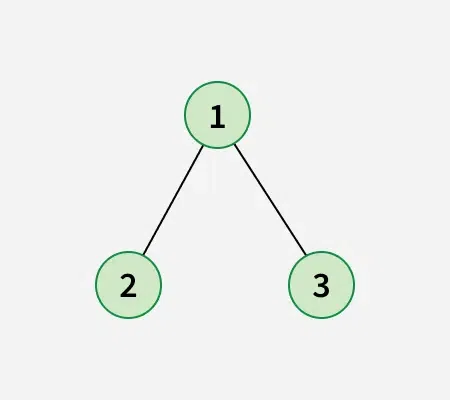


Table of Content
- [Naive approach] Search current element every time - O(n^2) Time and O(n) Space
- [Expected Approach] Using hashing - O(n) Time and O(n) Space
[Naive approach] Search current element every time - O(n^2) Time and O(n) Space
The idea behind this algorithm is to **construct a binary tree using the given **inorder and **postorder traversals. We start by recognizing that the **last element of the postorder traversal represents the **root of the tree. Using this value, we find its **position in the inorder traversal, which allows us to divide the tree into left and right subtrees. We then **recursively repeat this process, constructing the right subtree first and then the left subtree. Once the tree is fully constructed, we can perform a **preorder traversal to print the elements in the desired order.
**Note: One important observation is, that we recursively call for the right subtree before the left subtree as we decrease the index of the postorder index whenever we create a new node.
C++ `
// C++ program to construct tree using inorder and // postorder traversals #include <bits/stdc++.h>
using namespace std;
class Node { public: int data; Node *left, *right; Node(int x) { data = x; left = right = nullptr; } };
// Function to find index of value in arr[start...end] // The function assumes that value is present in in[] int search(vector &arr, int strt, int end, int value) { int i; for (i = strt; i <= end; i++) { if (arr[i] == value) break; } return i; }
// Recursive function to construct binary tree of size n // from Inorder traversal in[] and Postorder traversal // post[]. Initial values of inStrt and inEnd should // be 0 and n - 1. Node *buildUtil(vector &inorder, vector &postorder, int inStrt, int inEnd, int &pIndex) {
// if inStart is greater than inEnd return nullptr
if (inStrt > inEnd)
    return nullptr;

// Pick current node from Postorder traversal using
//   postIndex and decrement postIndex
Node *node = new Node(postorder[pIndex]);
pIndex--;

// If this node has no children then return
if (inStrt == inEnd)
    return node;

// Else find the index of this node in Inorder traversal
int iIndex = search(inorder, inStrt, inEnd, node->data);

// Using index in Inorder traversal, construct left and
//   right subtrees
node->right = buildUtil(inorder, postorder, iIndex + 1, inEnd, pIndex);
node->left = buildUtil(inorder, postorder, inStrt, iIndex - 1, pIndex);

return node;
}
// This function mainly initializes index of root // and calls buildUtil() Node *buildTree(vector &inorder, vector &postorder) { int n = inorder.size(); int pIndex = n - 1; return buildUtil(inorder, postorder, 0, n - 1, pIndex); }
// Print the preorder traversal of a binary tree void print(Node *curr) { if (curr == nullptr) return; cout << curr->data << " "; print(curr->left); print(curr->right); }
int main() { vector inorder = {4, 8, 2, 5, 1, 6, 3, 7}; vector postorder = {8, 4, 5, 2, 6, 7, 3, 1};
Node *root = buildTree(inorder, postorder);
print(root);
return 0;
}
C
// C program to construct tree using // inorder and postorder traversals
#include <stdio.h> #include <stdlib.h>
struct Node { int data; struct Node *left; struct Node *right; };
struct Node *createNode(int x);
// Function to find index of value in arr[start...end] // The function assumes that value is present in in[] int search(int arr[], int start, int end, int value) { int i; for (i = start; i <= end; i++) { if (arr[i] == value) break; } return i; }
// Recursive function to construct binary tree of size n // from Inorder traversal in[] and Postorder traversal // post[]. struct Node *buildUtil(int inorder[], int postorder[], int inStart, int inEnd, int *pIndex) { if (inStart > inEnd) return NULL;
// Pick current node from Postorder traversal using
// postIndex and decrement postIndex
struct Node *node = createNode(postorder[*pIndex]);
(*pIndex)--;

// If this node has no children then return
if (inStart == inEnd)
    return node;

// Else find the index of this node in Inorder traversal
int inIndex = search(inorder, inStart, inEnd, node->data);

// Using index in Inorder traversal, construct left and
// right subtrees
node->right = buildUtil(inorder, postorder, inIndex + 1, inEnd, pIndex);
node->left = buildUtil(inorder, postorder, inStart, inIndex - 1, pIndex);

return node;
}
// This function mainly initializes index of root // and calls buildUtil() struct Node *buildTree(int inorder[], int postorder[], int n) { int pIndex = n - 1; return buildUtil(inorder, postorder, 0, n - 1, &pIndex); }
// Print the preorder of a binary tree void printPreorder(struct Node *node) { if (node == NULL) return; printf("%d ", node->data); printPreorder(node->left); printPreorder(node->right); }
struct Node *createNode(int x) { struct Node *node = (struct Node *)malloc(sizeof(struct Node)); node->data = x; node->left = NULL; node->right = NULL; return node; }
int main() { int inorder[] = {4, 8, 2, 5, 1, 6, 3, 7}; int postorder[] = {8, 4, 5, 2, 6, 7, 3, 1}; int n = sizeof(inorder) / sizeof(inorder[0]);
struct Node *root = buildTree(inorder, postorder, n);
printPreorder(root);

return 0;
}
Java
// Java program to construct tree using // inorder and postorder traversals
import java.util.*;
class Node { int data; Node left, right;
Node(int x) {
    data = x;
    left = right = null;
}
}
class GfG {
// Function to find index of value in arr[start...end]
// The function assumes that value is present in in[]
static int search(List<Integer> arr, int strt, int end,
                  int value) {
    int i;
    for (i = strt; i <= end; i++) {
        if (arr.get(i) == value)
            break;
    }
    return i;
}

// Recursive function to construct binary of size n
// from Inorder traversal in[] and Postorder traversal
// post[]. Initial values of inStrt and inEnd should
// be 0 and n -1.
static Node buildUtil(List<Integer> in,
                      List<Integer> post, int inStrt,
                      int inEnd, int[] pIndex) {
    if (inStrt > inEnd)
        return null;

    // Pick current node from Postorder traversal using
    // postIndex and decrement postIndex
    Node node = new Node(post.get(pIndex[0]));
    pIndex[0]--;

    // If this node has no children then return
    if (inStrt == inEnd)
        return node;

    // Else find the index of this node in Inorder
    // traversal
    int iIndex = search(in, inStrt, inEnd, node.data);

    // Using index in Inorder traversal, construct left
    // and right subtrees
    node.right = buildUtil(in, post, iIndex + 1, inEnd,
                           pIndex);
    node.left = buildUtil(in, post, inStrt, iIndex - 1,
                          pIndex);

    return node;
}

// This function mainly initializes index of root
// and calls buildUtil()
static Node buildTree(List<Integer> in,
                      List<Integer> post) {
    int n = in.size();
    int[] pIndex = { n - 1 };
    return buildUtil(in, post, 0, n - 1, pIndex);
}

// Print the preorder of a binary tree
static void print(Node curr) {
    if (curr == null)
        return;
    System.out.print(curr.data + " ");
    print(curr.left);
    print(curr.right);
}

public static void main(String[] args) {
    List<Integer> in
        = Arrays.asList(4, 8, 2, 5, 1, 6, 3, 7);
    List<Integer> post
        = Arrays.asList(8, 4, 5, 2, 6, 7, 3, 1);

    Node root = buildTree(in, post);
    print(root);
}
}
Python
Python program to construct tree using
inorder and postorder traversals
class Node: def init(self, x): self.data = x self.left = None self.right = None
Function to find index of value in arr[start...end]
The function assumes that value is present in in[]
def search(arr, start, end, value): for i in range(start, end + 1): if arr[i] == value: return i return -1
Recursive function to construct binary tree of size n
from Inorder traversal in[] and Postorder traversal
post[]. Initial values of inStrt and inEnd should
be 0 and n - 1.
def build_util(inorder, postorder, in_start, in_end, post_index): if in_start > in_end: return None
# Pick current node from Postorder traversal using
# postIndex and decrement postIndex
node = Node(postorder[post_index[0]])
post_index[0] -= 1

# If this node has no children then return
if in_start == in_end:
    return node

# Else find the index of this node in Inorder traversal
in_index = search(inorder, in_start, in_end, node.data)

# Using index in Inorder traversal, construct left and
# right subtrees
node.right = build_util(inorder, postorder, in_index + 1, in_end, post_index)
node.left = build_util(inorder, postorder, in_start, in_index - 1, post_index)

return node
This function mainly initializes index of root
and calls buildUtil()
def buildTree(inorder, postorder): n = len(inorder) post_index = [n - 1] return build_util(inorder, postorder, 0, n - 1, post_index)
Print the preorder of a binary tree
def print_preorder(node): if node is None: return print(node.data, end=" ") print_preorder(node.left) print_preorder(node.right)
if name == "main": inorder = [4, 8, 2, 5, 1, 6, 3, 7] postorder = [8, 4, 5, 2, 6, 7, 3, 1]
root = buildTree(inorder, postorder)
print_preorder(root)
C#
// C# program to construct tree using // inorder and postorder traversals
using System; using System.Collections.Generic;
class Node { public int data; public Node left, right;
public Node(int x) {
    data = x;
    left = right = null;
}
}
class GfG {
// Function to find index of value in arr[start...end]
// The function assumes that value is present in in[]
static int Search(List<int> arr, int start, int end, int value) {
    int i;
    for (i = start; i <= end; i++) {
        if (arr[i] == value)
            break;
    }
    return i;
}

// Recursive function to construct binary of size n
// from Inorder traversal in[] and Postorder traversal
// post[]. Initial values of inStrt and inEnd should
// be 0 and n -1.
static Node BuildUtil(List<int> inorder, List<int> postorder,
               int inStart, int inEnd, ref int pIndex) {
    if (inStart > inEnd)
        return null;

    // Pick current node from Postorder traversal using
    // postIndex and decrement postIndex
    Node node = new Node(postorder[pIndex]);
    pIndex--;

    // If this node has no children then return
    if (inStart == inEnd)
        return node;

    // Else find the index of this node in Inorder traversal
    int inIndex = Search(inorder, inStart, inEnd, node.data);

    // Using index in Inorder traversal, construct left and
    // right subtrees
    node.right = BuildUtil(inorder, postorder,
                           inIndex + 1, inEnd, ref pIndex);
    node.left = BuildUtil(inorder, postorder,
                          inStart, inIndex - 1, ref pIndex);

    return node;
}

// This function mainly initializes index of root
// and calls BuildUtil()
static Node buildTree(List<int> inorder, List<int> postorder) {
    int n = inorder.Count;
    int pIndex = n - 1;
    return BuildUtil(inorder, postorder, 0, n - 1, ref pIndex);
}

// Print the preorder of a binary tree
static void Print(Node curr) {
    if (curr == null)
        return;
    Console.Write(curr.data + " ");
    Print(curr.left);
    Print(curr.right);
}

static void Main() {
    List<int> inorder = new List<int> { 4, 8, 2, 5, 1, 6, 3, 7 };
    List<int> postorder = new List<int> { 8, 4, 5, 2, 6, 7, 3, 1 };

    Node root = buildTree(inorder, postorder);
    Print(root);
}
}
JavaScript
// JavaScript program to construct tree using // inorder and postorder traversals
class Node { constructor(x) { this.data = x; this.left = null; this.right = null; } }
// Function to find index of value in arr[start...end] // The function assumes that value is present in in[] function search(arr, start, end, value) { for (let i = start; i <= end; i++) { if (arr[i] === value) return i; } return -1; }
// Recursive function to construct binary of size n // from Inorder traversal in[] and Postorder traversal // post[]. Initial values of inStrt and inEnd should // be 0 and n -1. function buildUtil(inorder, postorder, inStart, inEnd, postIndex) { if (inStart > inEnd) { return null; }
// Pick current node from Postorder traversal using
// postIndex and decrement postIndex
const node = new Node(postorder[postIndex[0]]);
postIndex[0]--;

// If this node has no children then return
if (inStart === inEnd) {
    return node;
}

// Else find the index of this node in Inorder traversal
const inIndex = search(inorder, inStart, inEnd, node.data);

// Using index in Inorder traversal, construct left and
// right subtrees
node.right = buildUtil(inorder, postorder, inIndex + 1, inEnd, postIndex);
node.left = buildUtil(inorder, postorder, inStart, inIndex - 1, postIndex);

return node;
}
// This function mainly initializes index of root // and calls buildUtil() function buildTree(inorder, postorder) { const n = inorder.length; let postIndex = [n - 1]; return buildUtil(inorder, postorder, 0, n - 1, postIndex); }
// Print the preorder of a binary tree function printPreorder(node) { if (node === null) { return; } console.log(node.data + " "); printPreorder(node.left); printPreorder(node.right); }
const inorder = [4, 8, 2, 5, 1, 6, 3, 7]; const postorder = [8, 4, 5, 2, 6, 7, 3, 1];
const root = buildTree(inorder, postorder); printPreorder(root);
`
[Expected Approach] Using hashing - O(n) Time and O(n) Space
The idea is to optimize the above solution using hashing. We store indexes of inorder traversal in a hash table. So that search can be done **O(1) time, if given that element in the tree is not repeated.
Follow the below steps to solve the problem:
- We first find the **last node in **postorder[]. The last node is lets **say x, we know this value is the root as the root always appears at the **end of postorder traversal.
- We get the i**ndex of postorder[i], in **inorder using the map to find the left and right subtrees of the root. Everything on the **left of x in inorder[] is in the left subtree and everything on right is in the right subtree.
- We **recur the above process for the following two.
- Recur for right side in inorder[] and **decrease index of postorder index .Make the created tree as right child of root.
- Recur for **left side in inorder[] and **decrease index of postorder index .Make the created tree as left child of root. C++ `
// C++ program to construct a binary tree // using inorder and postorder traversals
#include <bits/stdc++.h> using namespace std;
class Node {
public:
int data;
Node* left;
Node* right;
Node(int x) {
    data = x;
    left = right = nullptr;
}
};
// Function to recursively build the tree from // inorder and postorder traversals Node* buildUtil(vector& inorder, vector& postorder, int inStrt, int inEnd, int& pIndex, unordered_map<int, int>& mp) {
// if start index exceeds end index, return NULL
if (inStrt > inEnd)
    return NULL;

// Get the current node value from postorder
  // traversal using pIndex and decrement pIndex
int curr = postorder[pIndex];
Node* node = new Node(curr);
pIndex--;

// If the current node has no children
  // (inStrt == inEnd), return the node
if (inStrt == inEnd)
    return node;

// Find the index of the current node's
  // value in the inorder traversal
int iIndex = mp[curr];

// Recursively build the right and left subtrees
node->right = buildUtil(inorder, postorder, iIndex + 1, inEnd, pIndex, mp);
node->left = buildUtil(inorder, postorder, inStrt, iIndex - 1, pIndex, mp);

return node;
}
// Main function to build the binary tree // from inorder and postorder vectors Node* buildTree(vector& inorder, vector& postorder) { int len = inorder.size();
  // Create an unordered map to store the
  // indexes of inorder elements for quick lookup
unordered_map<int, int> mp;
for (int i = 0; i < len; i++)
    mp[inorder[i]] = i;

// Initialize postorder index as the last element
int postIndex = len - 1;

// Call the recursive utility function to build the tree
return buildUtil(inorder, postorder, 0, len - 1, postIndex, mp);
}
void print(Node* curr) { if (curr == nullptr) return; cout<< curr->data << " "; print(curr->left); print(curr->right); }
int main() {
vector<int> inorder = { 4, 8, 2, 5, 1, 6, 3, 7 };
vector<int> postorder = { 8, 4, 5, 2, 6, 7, 3, 1 };
Node* root = buildTree(inorder, postorder);
print(root);

return 0;
}
Java
// Java program to construct a binary tree // using inorder and postorder traversals import java.util.*;
class Node { int data; Node left, right;
Node(int x) {
    data = x;
    left = right = null;
}
}
class GfG {
// Function to recursively build the tree from
// inorder and postorder traversals
static Node buildUtil(List<Integer> inorder, List<Integer> postorder, int inStrt,
                      int inEnd, int[] pIndex, Map<Integer, Integer> mp) {

    // if start index exceeds end index, return null
    if (inStrt > inEnd)
        return null;

    // Get the current node value from postorder
    // traversal using pIndex and decrement pIndex
    int curr = postorder.get(pIndex[0]);
    Node node = new Node(curr);
    pIndex[0]--;

    // If the current node has no children
    // (inStrt == inEnd), return the node
    if (inStrt == inEnd)
        return node;

    // Find the index of the current node's
    // value in the inorder traversal
    int iIndex = mp.get(curr);

    // Recursively build the right and left subtrees
    node.right = buildUtil(inorder, postorder, iIndex + 1, inEnd, pIndex, mp);
    node.left = buildUtil(inorder, postorder, inStrt, iIndex - 1, pIndex, mp);

    return node;
}

// Main function to build the binary tree
// from inorder and postorder vectors
static Node buildTree(List<Integer> inorder, List<Integer> postorder) {
    int len = inorder.size();

      // Create an unordered map to store the
    // indexes of inorder elements for quick lookup
    Map<Integer, Integer> mp = new HashMap<>();
    for (int i = 0; i < len; i++)
        mp.put(inorder.get(i), i);

    // Initialize postorder index as the last element
    int[] postIndex = new int[]{len - 1};

    // Call the recursive utility function to build the tree
    return buildUtil(inorder, postorder, 0, len - 1, postIndex, mp);
}

// Function to print preorder traversal of the tree
static void print(Node curr) {
    if (curr == null)
        return;
    System.out.print(curr.data + " ");
    print(curr.left);
    print(curr.right);
}

public static void main(String[] args) {

    List<Integer> inorder = Arrays.asList(4, 8, 2, 5, 1, 6, 3, 7);
    List<Integer> postorder = Arrays.asList(8, 4, 5, 2, 6, 7, 3, 1);

    Node root = buildTree(inorder, postorder);
    print(root);
}
}
Python
Python program to construct a binary tree
using inorder and postorder traversals
class Node: def init(self, x): self.data = x self.left = None self.right = None
Function to recursively build the tree from
inorder and postorder traversals
def buildUtil(inorder, postorder, inStrt, inEnd, pIndex, mp):
# if start index exceeds end index, return None
if inStrt > inEnd:
    return None

# Get the current node value from postorder
# traversal using pIndex and decrement pIndex
curr = postorder[pIndex[0]]
node = Node(curr)
pIndex[0] -= 1

# If the current node has no children
# (inStrt == inEnd), return the node
if inStrt == inEnd:
    return node

# Find the index of the current node's
# value in the inorder traversal
iIndex = mp[curr]

# Recursively build the right and left subtrees
node.right = buildUtil(inorder, postorder, iIndex + 1, inEnd, pIndex, mp)
node.left = buildUtil(inorder, postorder, inStrt, iIndex - 1, pIndex, mp)

return node
Main function to build the binary tree
from inorder and postorder vectors
def buildTree(inorder, postorder):
# Create a dictionary to store the
# indexes of inorder elements for quick lookup
mp = {val: idx for idx, val in enumerate(inorder)}

# Initialize postorder index as the last element
pIndex = [len(postorder) - 1]

# Call the recursive utility function to build the tree
return buildUtil(inorder, postorder, 0, len(inorder) - 1, pIndex, mp)
Function to print preorder traversal of the tree
def printTree(curr): if curr is None: return print(curr.data, end=" ") printTree(curr.left) printTree(curr.right)
if name == "main":
inorder = [4, 8, 2, 5, 1, 6, 3, 7]
postorder = [8, 4, 5, 2, 6, 7, 3, 1]

root = buildTree(inorder, postorder)
printTree(root)
C#
// C# program to construct a binary tree // using inorder and postorder traversals using System; using System.Collections.Generic;
class Node { public int data; public Node left, right; public Node(int x) { data = x; left = right = null; } }
class GfG {
// Function to recursively build the tree from
// inorder and postorder traversals
static Node BuildUtil(List<int> inorder, List<int> postorder, int inStrt,
                      int inEnd, ref int pIndex, Dictionary<int, int> mp) {

    // if start index exceeds end index, return null
    if (inStrt > inEnd)
        return null;

    // Get the current node value from postorder
    // traversal using pIndex and decrement pIndex
    int curr = postorder[pIndex];
    Node node = new Node(curr);
    pIndex--;

    // If the current node has no children
    // (inStrt == inEnd), return the node
    if (inStrt == inEnd)
        return node;

    // Find the index of the current node's
    // value in the inorder traversal
    int iIndex = mp[curr];

    // Recursively build the right and left subtrees
    node.right = BuildUtil(inorder, postorder, iIndex + 1, inEnd, ref pIndex, mp);
    node.left = BuildUtil(inorder, postorder, inStrt, iIndex - 1, ref pIndex, mp);

    return node;
}

// Main function to build the binary tree
// from inorder and postorder vectors
static Node buildTree(List<int> inorder, List<int> postorder) {

    // Create a dictionary to store the
    // indexes of inorder elements for quick lookup
    Dictionary<int, int> mp = new Dictionary<int, int>();
    for (int i = 0; i < inorder.Count; i++)
        mp[inorder[i]] = i;

    // Initialize postorder index as the last element
    int postIndex = postorder.Count - 1;

    // Call the recursive utility function
      // to build the tree
    return BuildUtil(inorder, postorder, 0,
                     inorder.Count - 1, ref postIndex, mp);
}

// Function to print preorder traversal of the tree
static void Print(Node curr) {
    if (curr == null)
        return;
    Console.Write(curr.data + " ");
    Print(curr.left);
    Print(curr.right);
}

static void Main(string[] args) {

    List<int> inorder = new List<int>{ 4, 8, 2, 5, 1, 6, 3, 7 };
    List<int> postorder = new List<int>{ 8, 4, 5, 2, 6, 7, 3, 1 };

    Node root = buildTree(inorder, postorder);
    Print(root);
}
}
JavaScript
// JavaScript program to construct a binary tree // using inorder and postorder traversals
class Node { constructor(x) { this.data = x; this.left = null; this.right = null; } }
// Function to recursively build the tree from // inorder and postorder traversals function buildUtil(inorder, postorder, inStrt, inEnd, pIndex, mp) {
// If start index exceeds end index, return null
if (inStrt > inEnd) {
    return null;
}

// Get the current node value from postorder
// traversal using pIndex and decrement pIndex
const curr = postorder[pIndex[0]];
const node = new Node(curr);
pIndex[0]--;

// If the current node has no children
// (inStrt == inEnd), return the node
if (inStrt === inEnd) {
    return node;
}

// Find the index of the current node's
// value in the inorder traversal
const iIndex = mp[curr];

// Recursively build the right and left subtrees
node.right = buildUtil(inorder, postorder, iIndex + 1, inEnd, pIndex, mp);
node.left = buildUtil(inorder, postorder, inStrt, iIndex - 1, pIndex, mp);

return node;
}
function buildTree(inorder, postorder) { const len = inorder.length; const mp = {}; for (let i = 0; i < len; i++) { mp[inorder[i]] = i; }
// Initialize postorder index as the last element
const postIndex = [len - 1];

// Call the recursive utility function to build the tree
return buildUtil(inorder, postorder, 0, len - 1, postIndex, mp);
}
// Function to print the binary tree in preorder function print(curr) { if (curr === null) { return; } console.log(curr.data + " "); print(curr.left); print(curr.right); }
// Inorder and postorder traversals // of the binary tree const inorder = [4, 8, 2, 5, 1, 6, 3, 7]; const postorder = [8, 4, 5, 2, 6, 7, 3, 1]; const root = buildTree(inorder, postorder); print(root);
`
**Related articles: