Best Practices For REST API Testing (original) (raw)
Last Updated : 19 May, 2026
REST API Testing helps ensure that APIs are reliable, secure, and perform correctly under different conditions. Following best practices improves API quality, reduces bugs, and supports smooth communication between applications.
- Validate HTTP status codes, requests, and responses properly
- Perform security, performance, and functional testing
- Use automation tools to improve testing efficiency and accuracy
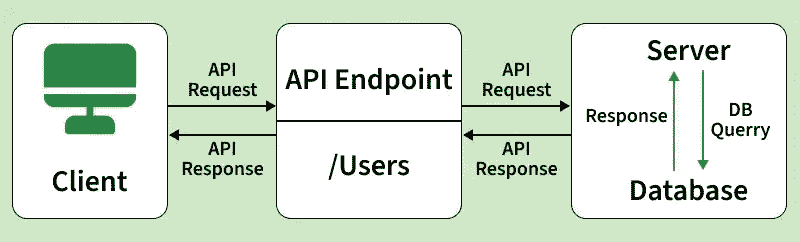
REST API Testing
REST APIs are like a set of rules that help different computer programs understand each other and work together. They make it possible for different websites and apps to share information and data with each other.
**Example: a weather app on your phone uses a REST API to connect with a weather server and fetch real-time weather information. The API sends data such as temperature, humidity, and weather conditions, which the app displays for your current location.
API Requirement Validation
API Requirement Validation ensures that an API aligns with the documented business and technical specifications by verifying its behavior against defined requirements.
Key Areas to Validate
- Verify that API endpoints and operations function according to expected behavior and business rules.
- Validate input handling for required fields, data types, boundary values, and invalid inputs.
- Ensure response accuracy, including correct data, structure (JSON/XML), and consistency across requests.
- Confirm authentication and authorization mechanisms work as intended for secure access control.
- Validate proper error handling for invalid requests, missing data, and server-side failures with appropriate responses.
HTTP Status Code Validation
HTTP Status Code Validation ensures that an API returns the correct status codes for different requests. These codes help identify whether the request was successful, failed, unauthorized, or caused a server error.
- Verify correct status codes for every API response
- Check success, client error, and server error responses
- Ensure proper error handling and debugging
Common Status Codes
- **200 OK: Successful request
- **201 Created: Resource created successfully
- **400 Bad Request: Invalid request
- **401 Unauthorized: Authentication failed
- **404 Not Found: Resource unavailable
- **500 Internal Server Error: Server-side issue
**Example:
GET /users/1
Response: 200 OK
Schema Validation
Schema Validation is the process of verifying whether the API request and response follow the correct JSON or XML structure. It ensures that all required fields, data types, and formats are properly maintained.
Important Points
- Validate JSON/XML structure and format
- Check required fields and correct data types
- Ensure response consistency and accuracy
Example :
{
"id": 101,
"name": "GFG",
"email": "test@gmail.com"
}
Verify
- Required fields exist
- Correct data types are used
- No missing or invalid values
CRUD Operations Testing
CRUD Operations Testing verifies whether the API correctly performs Create, Read, Update, and Delete operations on data. It ensures data is properly added, retrieved, modified, and removed from the system.
| Operation | HTTP Method |
|---|---|
| Create | POST |
| Read | GET |
| Update | PUT/PATCH |
| Delete | DELETE |
Example:
POST /users
Response: 201 Created
Verify
- Data is created successfully
- Updated data reflects correctly
- Deleted data is removed properly
API Automation Testing
API Automation Testing uses scripts and testing frameworks to automatically validate API functionality, performance, and reliability. It helps execute repetitive test cases efficiently and ensures consistent test coverage across builds and releases.
- Executing predefined test cases without manual intervention.
- Validating API responses such as status codes, data, and schema.
- Supporting regression testing to detect new defects after code changes.
- Integrating tests into CI/CD pipelines for continuous validation.
Common Automation Tools
- **Postman: A popular API testing tool used for sending requests, validating responses, and automating API tests.
- **Rest Assured: A Java-based library used for automating REST API testing and validation.
- **SoapUI: An API testing tool used for functional, security, and performance testing of REST and SOAP APIs.
- **Karate: An open-source automation framework used for API testing, mocking, and performance testing with simple syntax.
Example:
pm.test("Status code is 200", function () {
pm.response.to.have.status(200);
});
Benefits
- Faster test execution
- Better test coverage
- Early defect detection
CI/CD Integration
CI/CD Integration in API testing ensures that API tests run automatically during the Continuous Integration and Continuous Deployment process. It helps identify defects early and improves software delivery speed and quality.
- Automates API testing in deployment pipelines
- Detects issues early during development
- Supports continuous testing and faster releases
Common CI/CD Tools
- **Jenkins: An open-source automation tool used for building, testing, and deploying applications in CI/CD pipelines.
- **GitHub Actions: A CI/CD automation service that helps automate workflows directly from GitHub repositories.
- **GitLab CI: A built-in GitLab feature used to automate software testing, integration, and deployment processes.
Benefits
- Faster feedback and bug detection
- Improved software quality
- Reduced manual testing effort
Mock or Test Data in API Testing
Mock or test data refers to artificial or sample data used for testing APIs instead of real user data. It helps testers safely validate API functionality without affecting actual production data.
- Provides safe and controlled testing data
- Protects sensitive user information
- Makes testing more consistent and reliable
Benefits
- Easier to test different scenarios
- Reduces dependency on real databases
- Helps identify and fix API issues quickly
Example:
{
"name": "Test User",
"email": "test@example.com"
}
Objectives of API Testing
API testing is performed to ensure that APIs function correctly, securely, and efficiently across different scenarios and system conditions.
- Verify that APIs return correct responses for valid and invalid requests.
- Ensure secure data handling and protection against unauthorized access.
- Validate performance under different load and usage conditions.
- Detect functional issues early in the development lifecycle.
- Confirm consistency between API behavior and documentation.
- Ensure APIs integrate properly with other systems and services.
Challenges Before REST API Testing Phases
REST API testing can face several challenges before the actual testing phase begins. These challenges may affect testing accuracy, execution speed, and overall API quality if not properly addressed.
**Security Vulnerabilities: APIs may contain security vulnerabilities that can expose sensitive data and allow unauthorized access. Security breaches can damage system security and reduce customer trust.
**Issues: APIs with weak security can lead to data theft, unauthorized access, authentication failures, and financial or reputational damage to the organization.
**High Traffic and Downtime: APIs may fail to handle heavy traffic, resulting in slow response times, errors, or downtime.
**Issues: High API traffic can cause increased latency, request failures, server overload, and temporary service unavailability.
**Reliability Issues: Undetected bugs and inconsistent API behavior can affect API reliability and overall software quality.
**Issues: Inconsistent API behavior and mismatched documentation can create confusion, reduce system reliability, and lower confidence in API performance.
**Increased Expenses: Debugging and fixing API issues can increase development time and maintenance costs.
**Issues: API issues can increase debugging effort, raise operational costs, and cause financial losses due to system downtime.