Hegseth avoids Taiwan in address to Asia allies, notes greater ties with China (original) (raw)
U.S. Secretary of Defense Pete Hegseth's remarks on Taiwan at a top defense summit in Singapore on Saturday appeared calibrated not to derail President Donald Trump's efforts to manage tensions with China, an analyst at a Chinese state-affiliated think tank told Newsweek.
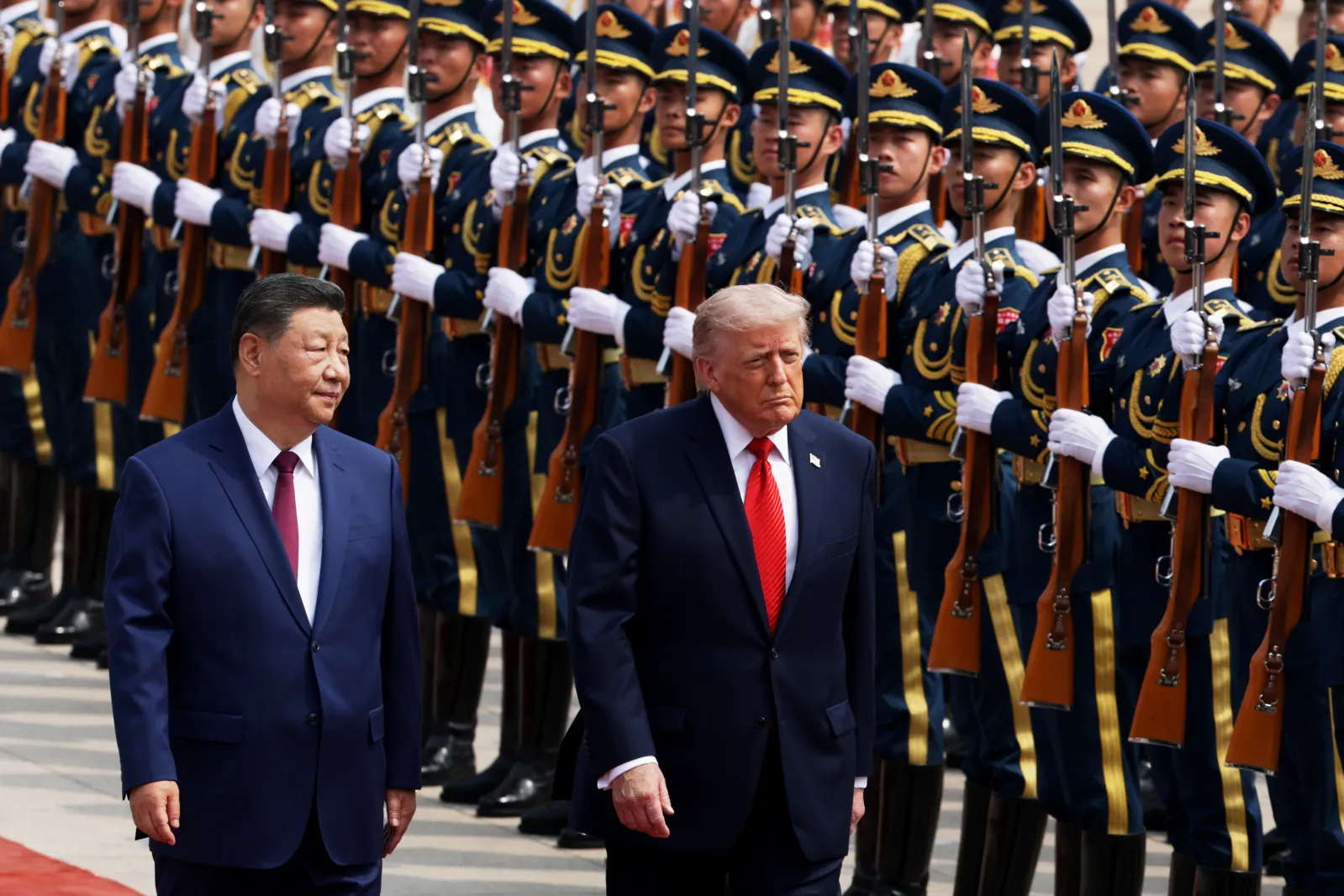
The address came 15 days after Hegseth joined Trump on his state visit to China, the first by a U.S. president in nine years. Both sides framed the trip as an opportunity to reset the great-power relationship after years of tensions spanning trade, technology supply chains, and the self-ruled island of Taiwan.
Due to pressure from Beijing, Taiwanese officials are not permitted to attend the Shangri-La Dialogue—an annual conference that draws an eclectic mix of diplomats, military officials, and policy wonks from across the world.
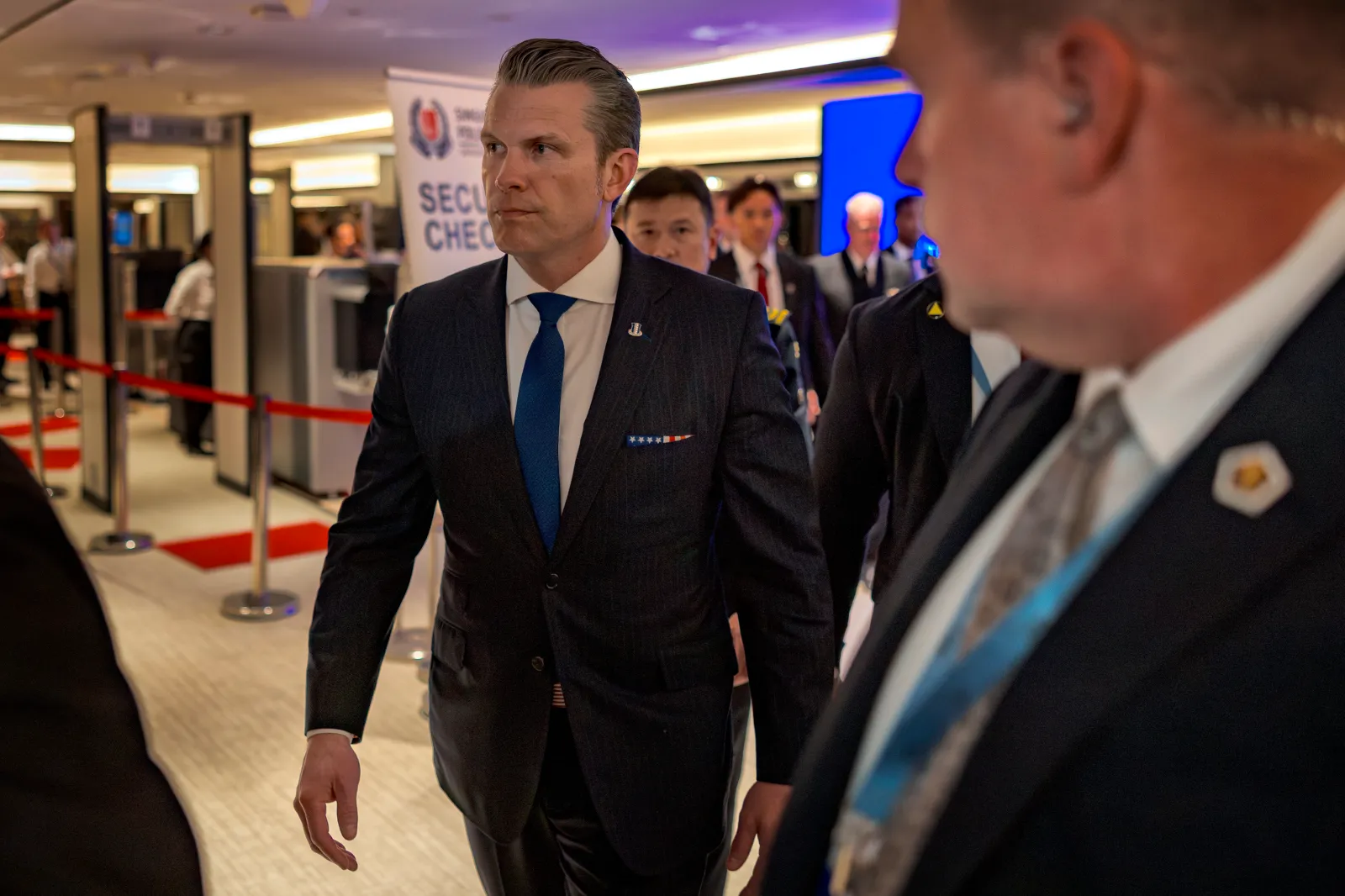
Hegseth Treads Carefully Around Taiwan
In his remarks, Hegseth sought to project and touted expanded military cooperation with South Korea and Australia. He also called on U.S. partners in the region to shoulder more of their own defense costs, echoing Trump's concern allies in Asia and Europe are overly reliant on defense guarantees funded by U.S. taxpayers.
Hegseth leveled some criticism at China, saying there was "rightful" alarm in the region over Beijing and its "historic military buildup." Yet the defense secretary struck a more restrained tone than during his fiery address at the same forum last year, calling China-U.S. relations under Trump now "better than they've been in many years."
Whereas last year he warned a Chinese attack against Taiwan could be "imminent;" this time around, he did not mention Taiwan by name.
Hegseth did, however, stress U.S. national security strategy for the region centers on deterrence, making conflict as unattractive as possible through "denial along the First Island Chain" that requires making "escalation unattractive." The First Island Chain is a string of islands stretching from Japan south to Borneo that the Pentagon considers key to containing Chinese military forces in the event of a conflict.
During the Q&A session that followed Hegseth's speech, he dismissed concerns the U.S. defense industry would be unable to replenish munitions depleted during the recent conflict with Iran—the explanation acting Navy Secretary Hung Cao cited earlier this month for delaying a $14 billion weapons package for Taiwan.
"I would very much decouple the two [Taiwan arms sales and munitions supply]. Our ability to recommence, if necessary, is more than capable. Our stockpiles are more than suited for that, both there and around the globe, because of how we balance exquisite and more plentiful munitions," Hegseth said.
President Xi Jinping's Warning
China claims Taiwan is a rogue province that must be brought into the fold and has not ruled out the use of force to achieve unification.
Increased military pressure from Beijing, including near-daily incursions across the midline of the Taiwan Strait and large-scale exercises, has prompted Taipei to step up military orders from the U.S. Yet a record $14 billion arms sale is now in limbo pending Trump's signature.
Trump said Taiwan and the U.S. arms sales featured prominently in his recent talks with Xi. The Chinese leader also issued a blunt warning: mishandling the issue could trigger "a very dangerous situation." After the visit, Trump called the potential arms deal a "very good negotiating chip" and said he'd hold it "in abeyance."
Newsweek reached out to Taiwan's foreign ministry with a request for comment.
Arms to Taiwan a Crucial Issue
Hegseth, who accompanied Trump to Beijing, understands how carefully Washington must tread around the issue of Taiwan arms sales as Trump seeks a détente with Beijing, Da Wei, director of the Center for International Security and Strategy and a professor at Beijing's Tsinghua University, told Newsweek.
"So of course that issue has not been decided. I think he feels he needs to be very careful," Da said.
If the arms deal moves forward, it will be "very difficult" for Xi to accept Trump's invitation to visit the U.S. in September, as the Chinese leader has "invested so much" political capital on Taiwan during the pair's discussions.
"If you understand China's positions—if you have seen the effort China's government has already invested—and if you say 'President Xi is my friend,' why should you do something your friend didn't want?"
US Remains Taiwan's Top Arms Supplier
The U.S. has long been Taiwan's top source of arms, as envisioned under the Taiwan Relations Act of 1979. Washington separately told Beijing it would gradually reduce arms sales to Taiwan but provided no timetable and stated that any reduction would be contingent on the threat posed to the island.
Some Taiwan watchers in Washington have warned that by treating such sales as conditional, Trump has emboldened Beijing to increase pressure on Taiwan and seek further concessions from the United States.
Others note that previous administrations have at times adjusted the timing of arms-sale announcements to avoid unnecessarily aggravating Beijing during sensitive periods in the relationship.