Group Therapy and Support Groups in Tampa, FL (original) (raw)
Support Groups in Tampa, FL
Life has a way of throwing curveballs that leave us feeling stuck, overwhelmed, or disconnected from who we truly are. Whether it’s unresolved trauma, daily stress, or the weight of expectations, we’re here to help you confront those challenges with compassion and courage. Our approach is rooted in empathy and empowerment. We walk alongside you to explore the thoughts, patterns, and experiences that may be holding you back. With evidence-based care and a strong focus on purpose discovery, we don’t just address the symptoms—we help you break cycles and step into the life you were created to live.

Hosted by Tiona Wilson
Clinical Social Work/Therapist, LCSW
Group meets in Tampa, FL 33619
Life has a way of throwing curveballs that leave us feeling stuck, overwhelmed, or disconnected from who we truly are. Whether it’s unresolved trauma, daily stress, or the weight of expectations, we’re here to help you confront those challenges with compassion and courage. Our approach is rooted in empathy and empowerment. We walk alongside you to explore the thoughts, patterns, and experiences that may be holding you back. With evidence-based care and a strong focus on purpose discovery, we don’t just address the symptoms—we help you break cycles and step into the life you were created to live.
This group is in the process of forming within the next couple of weeks. There are openings for a Wednesday evening group. Registration and times are on my website.
Hosted by Center for Psychological Growth
Group meets in Tampa, FL 33605
This group is in the process of forming within the next couple of weeks. There are openings for a Wednesday evening group. Registration and times are on my website.
Do you have a list of self-exploration books that you want to read? Are you looking for a place to discuss mental health theme books and hear others' insights? Are you looking for a community? Try A Therapeutic Book Club! This support style book club aims to provide connections between community members using words and shared experiences. A therapeutic book club provides a safe place for self-exploration in a supportive environment with a licensed therapist. PLEASE NOTE: Though hosted by a licensed mental health clinician, this is not a substitute for psychotherapy or group counseling.
Hosted by Jessica Watson
Clinical Social Work/Therapist, LCSW
Group meets in Tampa, FL 33606
Do you have a list of self-exploration books that you want to read? Are you looking for a place to discuss mental health theme books and hear others' insights? Are you looking for a community? Try A Therapeutic Book Club! This support style book club aims to provide connections between community members using words and shared experiences. A therapeutic book club provides a safe place for self-exploration in a supportive environment with a licensed therapist. PLEASE NOTE: Though hosted by a licensed mental health clinician, this is not a substitute for psychotherapy or group counseling.
Interested in Hypnosis - learn about how hypnosis works and the benefits from it - self hypnosis teaching enabling you to give positive suggestions to your sub conscious mind for a positive shift. Dear Debbie is an open invitation to interact online through my website www.debbiedubickas.com - Debbie shall answer all e-mails.

Hosted by Deborah Jane Dubickas
Group meets in Tampa, FL 33609
Interested in Hypnosis - learn about how hypnosis works and the benefits from it - self hypnosis teaching enabling you to give positive suggestions to your sub conscious mind for a positive shift. Dear Debbie is an open invitation to interact online through my website www.debbiedubickas.com - Debbie shall answer all e-mails.
Gender Expression , Transitioning

Hosted by Dr. Gina Midyett
Group meets in Tampa, FL 33607
Gender Expression , Transitioning
Support groups are meant to bring individuals together to share experiences with others who understand their situations. They foster connection, prevent isolation and provide resources and support. Our goal in creating this group is that you will feel less alone and judged. It is our hope that it will help reduce stress, give you a space to talk openly and honestly, improve your coping skills, build relationships and learn more about yourself.

Hosted by Charley Rodich
Clinical Social Work/Therapist, MS, LCSW, QS
Group meets in Tampa, FL 33635
Support groups are meant to bring individuals together to share experiences with others who understand their situations. They foster connection, prevent isolation and provide resources and support. Our goal in creating this group is that you will feel less alone and judged. It is our hope that it will help reduce stress, give you a space to talk openly and honestly, improve your coping skills, build relationships and learn more about yourself.
The Circle of Security® Parenting™ program is based on decades of research about how secure parent-child relationships can be supported and strengthened. The Circle of Security® started as a “user-friendly” description of Attachment Theory. It then integrated over fifty years of early child development research into a video-based intervention that strengthens parents’ abilities to observe and improve their caregiving skills. Attachment theory, through the Circle of Security®, offers clear, individualized pathways for providing a secure relationship between parent and child.
Hosted by Kayden Rodriguez
Registered Clinical Social Worker Intern, RCSWI
Group meets in Tampa, FL 33604
The Circle of Security® Parenting™ program is based on decades of research about how secure parent-child relationships can be supported and strengthened. The Circle of Security® started as a “user-friendly” description of Attachment Theory. It then integrated over fifty years of early child development research into a video-based intervention that strengthens parents’ abilities to observe and improve their caregiving skills. Attachment theory, through the Circle of Security®, offers clear, individualized pathways for providing a secure relationship between parent and child.
treatment and education requirements for DUI and drug charges

Hosted by Addiction Recovery Care of Tampa
Group meets in Tampa, FL 33613
treatment and education requirements for DUI and drug charges
This group provides 12-step based recovery support as a way to supplement existing programs such as AA or NA, and individual therapy. Sunday 1:30pm-2:30pm (on-line) , call for link.

Hosted by Cory Albano
Group meets in Tampa, FL 33609
This group provides 12-step based recovery support as a way to supplement existing programs such as AA or NA, and individual therapy. Sunday 1:30pm-2:30pm (on-line) , call for link.
This is a free workshop intended to bring individuals and couples together to talk about the challenges of navigating modern, romantic relationships. I will provide participants with insights and information about how to connect with significant others in healthy, satisfying ways. This workshop is hosted by Community Roots Collective located on 2746 N. Florida Avenue, Tampa, FL. The first 2 workshops will be on Tuesday March 19 at 6pm and Saturday March 23 at 12pm. Please visit their monthly online schedule to see future workshop dates.

Hosted by Anne M. Geroux, Ph.D. in Marriage & Family Therapy
Group meets in Tampa, FL 33602
This is a free workshop intended to bring individuals and couples together to talk about the challenges of navigating modern, romantic relationships. I will provide participants with insights and information about how to connect with significant others in healthy, satisfying ways. This workshop is hosted by Community Roots Collective located on 2746 N. Florida Avenue, Tampa, FL. The first 2 workshops will be on Tuesday March 19 at 6pm and Saturday March 23 at 12pm. Please visit their monthly online schedule to see future workshop dates.
This group caters to military servicemen/women and/or veterans who have recently returned from deployment. Sessions focus on readjustment to civilian life/pace, relationships & communication, anger/stress management, sleep, and a host of related issues upon return from overseas military service.

Hosted by Dan Agliata
Group meets in Tampa, FL 33613
This group caters to military servicemen/women and/or veterans who have recently returned from deployment. Sessions focus on readjustment to civilian life/pace, relationships & communication, anger/stress management, sleep, and a host of related issues upon return from overseas military service.
Self pay option for CBT-I which is a front line treatment for insomnia. This would include one initial evaluation and 4 classes designed and effective to help you learn to improve your sleep by learning how the body sleeps, how to correct behaviors interfering with sleep, how to relax your mind and body and how to challenge negative thinking patterns. This 5 session group treatment option is available for $400 total. Please call to reserve your spot as this is limited to 8 people.
Hosted by Jaclyn Lewis-Croswell
Group meets in Tampa, FL 33617
Self pay option for CBT-I which is a front line treatment for insomnia. This would include one initial evaluation and 4 classes designed and effective to help you learn to improve your sleep by learning how the body sleeps, how to correct behaviors interfering with sleep, how to relax your mind and body and how to challenge negative thinking patterns. This 5 session group treatment option is available for $400 total. Please call to reserve your spot as this is limited to 8 people.
This group focuses on a DBT approach to therapy. This group is known to help people with trauma, personality disorders, depression, anxiety, OCD and more. The four main components that make up DBT are distress tolerance, interpersonal effectiveness, mindfulness, and emotional regulation.

Hosted by Kortney Ploski
Group meets in Tampa, FL 33607
This group focuses on a DBT approach to therapy. This group is known to help people with trauma, personality disorders, depression, anxiety, OCD and more. The four main components that make up DBT are distress tolerance, interpersonal effectiveness, mindfulness, and emotional regulation.
Clinical Supervision for new Social Workers. Online. 75individualor75 individual or 75individualor50 group
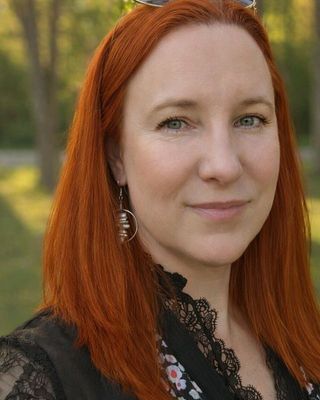
Hosted by Amy K Sapien
Clinical Social Work/Therapist, LCSW
Group meets in Tampa, FL 33618
Clinical Supervision for new Social Workers. Online. 75individualor75 individual or 75individualor50 group
The group interacts with all types of social media and associated issues. [Open Group Weekly].

Hosted by Joshua E. Shannon
Counselor, LMHC/S, MCAP, CRC, NCC, SAP
Group meets in Tampa, FL 33629
The group interacts with all types of social media and associated issues. [Open Group Weekly].
Ketamine-Assisted Psychotherapy group 6 week group for people struggling with ability to make connections with others, feel safe around others, trust others in public environments, have dilfficulties leaving home, want to be more active socially but anxiety gets in the way. Currently creating a list of potential members. WIll reguire initial screeening and mental health assessment, prescribed Ketamine by a medical provider licensed to prescribe Ketamine for a diagnosed mental health condition. I am starting to collect names as of 07.2023. Will start the group when 8-12 people registered- and eligible to participate.
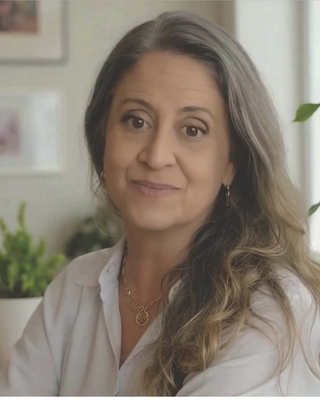
Hosted by Dr. Lynne A. Santiago
Group meets in Tampa, FL 33604
Ketamine-Assisted Psychotherapy group 6 week group for people struggling with ability to make connections with others, feel safe around others, trust others in public environments, have dilfficulties leaving home, want to be more active socially but anxiety gets in the way. Currently creating a list of potential members. WIll reguire initial screeening and mental health assessment, prescribed Ketamine by a medical provider licensed to prescribe Ketamine for a diagnosed mental health condition. I am starting to collect names as of 07.2023. Will start the group when 8-12 people registered- and eligible to participate.
I facilitate a bi-weekly men’s support group at a location in Tampa! This group is open to the public and interested members can attend any of the scheduled dates. This group focuses on mental health issues commonly experienced by men, to include difficulties creating meaningful relationships and understanding/expressing emotions. As facilitator, I strive to create a space to understand and emotionally process mental health issues in a supportive environment. If interested, please contact Dr. Sarah Carpenter at drcarpenter@psychologyhouse.org
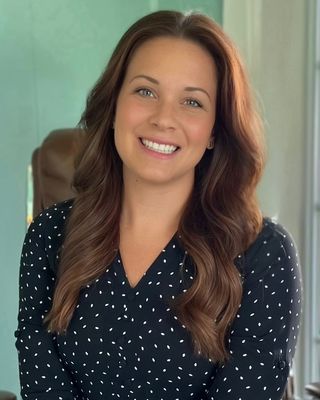
Hosted by Sarah Carpenter
Group meets in Tampa, FL 33629
I facilitate a bi-weekly men’s support group at a location in Tampa! This group is open to the public and interested members can attend any of the scheduled dates. This group focuses on mental health issues commonly experienced by men, to include difficulties creating meaningful relationships and understanding/expressing emotions. As facilitator, I strive to create a space to understand and emotionally process mental health issues in a supportive environment. If interested, please contact Dr. Sarah Carpenter at drcarpenter@psychologyhouse.org
Struggling with anxiety, stress, or the weight of unmet expectations? You’re not alone. Join our Managing Expectations & Anxiety Group, where you'll learn practical tools to handle stress, set healthy boundaries, and shift unhelpful thought patterns. In a supportive, judgment-free space, we’ll explore ways to manage perfectionism, ease worry, and build confidence in handling life’s uncertainties. Whether you feel overwhelmed by work, relationships, or self-imposed pressure, this group will help you regain balance and peace of mind. Take a step toward relief—connect with others and gain the skills to move forward with confidence!

Hosted by Kathryn Pavcik
Group meets in Tampa, FL 33647
Struggling with anxiety, stress, or the weight of unmet expectations? You’re not alone. Join our Managing Expectations & Anxiety Group, where you'll learn practical tools to handle stress, set healthy boundaries, and shift unhelpful thought patterns. In a supportive, judgment-free space, we’ll explore ways to manage perfectionism, ease worry, and build confidence in handling life’s uncertainties. Whether you feel overwhelmed by work, relationships, or self-imposed pressure, this group will help you regain balance and peace of mind. Take a step toward relief—connect with others and gain the skills to move forward with confidence!
This group is designed for individuals experiencing anxiety and depression that may be connected to underlying medical or physiological factors. Many mood symptoms are not just emotional — they can be influenced by: • Hormonal imbalances • Thyroid dysfunction • Iron deficiency • Vitamin D deficiency • Inflammation • Blood sugar dysregulation • Sleep disturbances • Chronic stress In this group, we explore the connection between mental health and physical health through a root-cause, integrative approach.
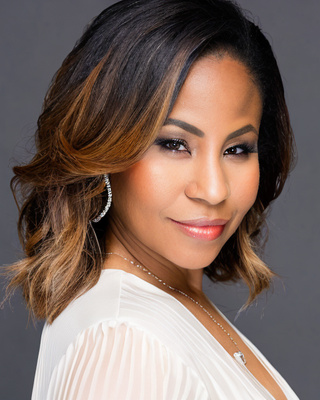
Hosted by Tamara Pottillo
Psychiatric Nurse Practitioner, APRN, PMHNP, CCM
Group meets in Tampa, FL 33611
This group is designed for individuals experiencing anxiety and depression that may be connected to underlying medical or physiological factors. Many mood symptoms are not just emotional — they can be influenced by: • Hormonal imbalances • Thyroid dysfunction • Iron deficiency • Vitamin D deficiency • Inflammation • Blood sugar dysregulation • Sleep disturbances • Chronic stress In this group, we explore the connection between mental health and physical health through a root-cause, integrative approach.
Intensive Outpatient Program for women struggling with addiction. Trauma-informed, gender-responsive care in a comfortable setting with other women.

Hosted by WhiteSands Alcohol & Drug Rehab Tampa
Treatment Center, MD, LCSW, LMHC, RN
Group meets in Tampa, FL 33606
Intensive Outpatient Program for women struggling with addiction. Trauma-informed, gender-responsive care in a comfortable setting with other women.
See more therapy options for Tampa
FAQs - About Group Therapy and Support Groups
How can I find a support group in Tampa?
To find a support group in your area, start by entering your city, zip code, or the name of the group into the search bar at the top of the page. When searching, consider whether you prefer an in-person or virtual group. This can help you decide how broad your geographic search should be. If you are open to virtual groups, you might want to search by state instead of just your city, especially if there are limited options nearby.
Once you complete your search, you can use the filters to narrow the results by selecting specialties (such as grief, trauma, or eating disorders), therapeutic approaches, age groups, and other criteria to find a group that best fits your needs.
How does group therapy work?
Group therapy is led by one or more trained therapists and provides a space where participants can process their experiences and learn from others facing similar challenges. Groups may focus on a specific issue—such as addiction, grief, physical illnesses, parenting, or caregiving—or they may center around a particular therapeutic approach, such as Cognitive Behavioral Therapy (CBT), social skill development, or Exposure Therapy. Some groups are also designed for specific populations, such as teens, veterans, or LGBTQ+ individuals.
It’s also important to distinguish group therapy from peer-led support groups, like Alcoholics Anonymous. While both can offer valuable support, therapy groups are typically led by licensed professionals and follow a more structured format. Therapy groups often meet for a fixed length of time with a consistent group of members, while many peer support groups meet for an indefinite period of time with members coming and going.
What are the benefits of group therapy?
Group therapy offers several important benefits. It brings together people facing similar challenges—whether related to mental health, physical health, or life transitions—and creates a supportive environment where participants can exchange feedback, share experiences, and learn from one another. Hearing different perspectives can help individuals discover new coping strategies and practical tools they may not have encountered on their own. Sharing personal experiences, such as coping with a serious illness or navigating family struggles, can also reduce feelings of isolation and foster a sense of connection and understanding. In addition to emotional support, group members often gain useful, real-world advice from peers who have faced similar situations.
Group therapy is typically more affordable than individual therapy and, for certain conditions, can be equally effective. Many groups also include structured activities—such as guided journaling, cognitive-behavioral exercises, or role-playing—to help participants develop concrete skills they can apply in daily life.
Is group therapy as effective as individual therapy?
It is difficult to make a blanket statement about the effectiveness of support groups, as they vary widely in focus and the conditions they address. However, support groups can be highly valuable in helping individuals gain emotional support and achieve meaningful treatment outcomes. For certain conditions, such as substance use, research has shown that group therapy can be particularly effective—sometimes just as effective as individual therapy—in supporting long-term recovery.
Many professionals attribute the effectiveness of group therapy to the unique benefits of the group setting, which fosters peer-to-peer learning and a sense of connection through shared experiences. Group settings also offer accountability and encouragement from both facilitators and fellow participants, which helps sustain motivation and supports continued progress. These factors together play a key role in promoting the overall effectiveness of group therapy.
How much does group therapy cost?
Group therapy is typically less expensive than individual therapy, with sessions typically costing between 50and50 and 50and75 each. In comparison, individual therapy can cost anywhere from 100to100 to 100to200 or more per session, even with insurance. Some therapists or organizations offer low-cost or free group therapy options, particularly through community centers or nonprofit organizations. In some cases, groups may require payment upfront for a set number of sessions, such as paying for six weekly sessions at the first meeting. However, many providers offer payment plans to help make participation more accessible if this upfront payment is required.
Does insurance cover group therapy?
As with individual therapy, insurance coverage for group therapy varies based on factors such as your specific insurance plan, the purpose of the group, your diagnosis, and whether the group provider is in-network. Many insurance plans cover group therapy sessions that address diagnosable mental health conditions, such as substance use disorders, anxiety, or depression.
However, groups that focus on topics not directly tied to a mental health diagnosis—such as parenting support or divorce recovery—are less likely to be covered. Because coverage can vary widely, it’s important to check with your insurance provider before joining a group to confirm whether the sessions will be covered and what out-of-pocket costs you may be responsible for.
How long does group therapy last?
The length of each group therapy session typically ranges from 45 minutes to two hours, depending on the therapy approach, the group’s goals, and how often the group meets. In some cases, group therapy is part of a larger treatment program, such as an Intensive Outpatient Program (IOP), where group sessions complement individual therapy and are scheduled as part of the program’s overall structure.
The duration of participation in a group also varies. Some groups are designed to be short-term, lasting anywhere from 6 to 24 weeks—for example, bereavement groups or skills-based groups like those using Dialectical Behavioral Therapy (DBT). Other groups may be longer-term, lasting a year or more, and some ongoing support groups meet indefinitely, allowing participants to stay as long as they find the group helpful.
What are the limitations of support groups?
Support groups offer many benefits, but they also have certain limitations. Unlike therapy groups, many support groups do not provide formal therapeutic treatment and are not led by licensed mental health professionals. For individuals seeking clinical treatment for specific mental health diagnoses—such as depression, eating disorders, or substance use—individual therapy or group therapy led by a licensed professional may offer more personalized and specialized care.
The effectiveness of a support group also depends heavily on the group’s participants and the overall group dynamic. When members engage respectfully and offer constructive support, the group can foster valuable peer-to-peer learning. However, if certain participants dominate discussions, provide inaccurate advice, or create conflict, it can disrupt the group’s sense of safety and reduce its effectiveness. Confidentiality can also be harder to maintain in support groups, particularly in open groups where participants can join or leave at any time. With new members regularly entering the group, it can be more difficult to build and sustain a consistent sense of trust and privacy.