Qualitative vs Quantitative Research: What's the Difference? (original) (raw)
Qualitative research deals with words, meanings, and experiences, while quantitative research deals with numbers and statistics.
Quantitative data involves measurable numerical information used to test hypotheses and identify patterns, while qualitative data is descriptive, capturing phenomena like language, feelings, and experiences that can’t be quantified.
- Quantitative research collects numerical data and analyzes it using statistical methods. The aim is to produce objective, empirical data that can be measured and expressed numerically. Quantitative research is often used to test hypotheses, identify patterns, and make predictions.
- Qualitative research gathers non-numerical data (words, images, sounds) to explore subjective experiences and attitudes, often via observation and interviews. It aims to produce detailed descriptions and uncover new insights about the studied phenomenon.
| Qualitative | Quantitative |
|---|---|
| Data in words/images (descriptive) | Data in numbers (measurable) |
| Answers “Why? How?” (explores ideas) | Answers “How many? How much?” (tests predictions) |
| Methods: Interviews, focus groups, observations | Methods: Surveys (closed questions), experiments |
| Small, in-depth samples (not generalizable) | Large samples (aims to generalize) |
| Open-ended, flexible process | Structured, controlled process |
| Insights and themes (subjective analysis) | Statistics and figures (objective analysis) |
Choosing Qualitative vs Quantitative Methods for Your Research
- Choosing Between Them
- What Is Qualitative Research?
- What Is Quantitative Research?
- Mixed Methods Research
In many cases, researchers benefit from employing a mixed-method approach, integrating both qualitative and quantitative methods to gain comprehensive insights into their research questions.
This approach is particularly effective when one method alone is insufficient to address all aspects of the research question, providing both depth and breadth to the analysis.
Research Goals:
Choose qualitative methods if your aim is to explore perceptions, motivations, or underlying reasons behind human behavior.
Opt for quantitative methods if your objective is to measure variables, test hypotheses, or make generalizations about populations.
Nature of the Research Question:
Qualitative methods are well-suited for research questions starting with “how” or “why,” focusing on depth and detailed understanding.
Quantitative methods align better with research questions like “how many,” “how often,” or “what is the relationship between variables,” where precise measurement and statistical analysis are required.
Type of Data Needed:
If detailed, rich, and descriptive data (e.g., personal experiences, emotions, behaviors) is needed, qualitative research is preferable.
If numerical data that can be quantified, statistically analyzed, and generalized to larger populations is necessary, quantitative research is ideal.
Research Environment:
Use qualitative methods for naturalistic, real-world settings where context and interaction are essential.
Employ quantitative methods in controlled or laboratory settings, where variables can be isolated, manipulated, and precisely measured.
Resources and Time:
Qualitative research typically requires more time-intensive methods, such as interviews and thematic analysis.
Quantitative research often allows quicker data collection and analysis, especially with standardized tools and statistical software.

Qualitative research involves collecting and analyzing non-numerical data, such as text, audio, or visual materials, to understand people’s experiences, perceptions, and meanings.
It focuses on subjective experiences, capturing how individuals interpret their social world and give meaning to events and situations.
Common methods include interviews, focus groups, observations, and diary accounts.
The collected data is usually analyzed through approaches such as thematic analysis or grounded theory, identifying patterns and themes in people’s responses.
Qualitative researchers study people in their natural environments, aiming to understand experiences exactly as people live and perceive them.
It is exploratory, helping researchers discover how and why things occur rather than simply measuring occurrences.
Typical qualitative research questions might ask how individuals experience a particular event, why they hold certain beliefs, or how they describe and interpret their own behaviors and interactions.
Qualitative research is valuable for generating new insights, theories, and hypotheses, especially when little is known about a topic or when researchers seek deep, detailed understanding.
Key Features of Qualitative Research
- Natural Context: Qualitative research takes place in real-life settings rather than artificial environments. Studying people within their natural surroundings provides genuine insights into their behaviors and experiences.
- Participant Perspectives: Participants actively share their viewpoints and experiences in their own words. This interactive process allows researchers to deeply understand participants’ realities and meanings.
- Researcher as Participant: Researchers engage directly with participants. Their involvement shapes the research data. Their presence and interactions are essential, as qualitative data is created through this active participation.
- Flexible Design: Qualitative studies adapt and evolve during the research process. Researchers adjust their methods or focus areas as new findings emerge, making the study responsive to discoveries.
- Data-Driven Theories: Theories and conclusions are developed directly from patterns found in the collected data, rather than testing existing theories. Insights naturally arise from participants’ responses, shaping the study’s outcomes.
Qualitative Methods
Qualitative research methods collect descriptive, narrative data to deeply understand people’s experiences and social realities.
They allow researchers to identify common themes and patterns, and draw conclusions based on the data.
Common qualitative methods include:
- In-depth Interviews: Open-ended conversations allowing participants to freely share their thoughts, feelings, and experiences in their own words.
- Focus Groups: Group discussions that explore shared views and interactions on specific topics or experiences.
- Observations: Researchers carefully observe and record behaviors, interactions, and social practices within natural environments.
- Diaries or Journals: Participants keep written reflections on personal experiences, emotions, or events over time.
- Case Studies: In-depth exploration of an individual, group, or situation to understand complex phenomena within their real-life context.
- Ethnography: Detailed observation and analysis of cultures, communities, or groups over extended periods, capturing their daily life and customs.
Qualitative Data
Qualitative data describes experiences, feelings, or behaviors using words, stories, or visuals instead of numbers.
- Interview transcripts: Exact records of what participants say, useful for identifying themes, patterns, and illustrative quotes.
- Open-ended customer feedback: Responses customers write describing their feelings, suggestions, or experiences about products or services.
- Observational notes: Detailed notes of behaviors, social interactions, nonverbal cues, and context recorded by researchers during observation.
- Personal diaries: Written reflections capturing someone’s thoughts, emotions, and personal experiences over time.
- Visual and audio data: Photographs, videos, and audio recordings used to understand behaviors, social interactions, and environments from multiple perspectives.
Qualitative Data Analysis
Analyzing qualitative data involves creativity and interpretation. Researchers use various techniques to make sense of the rich, detailed information they’ve collected, such as:
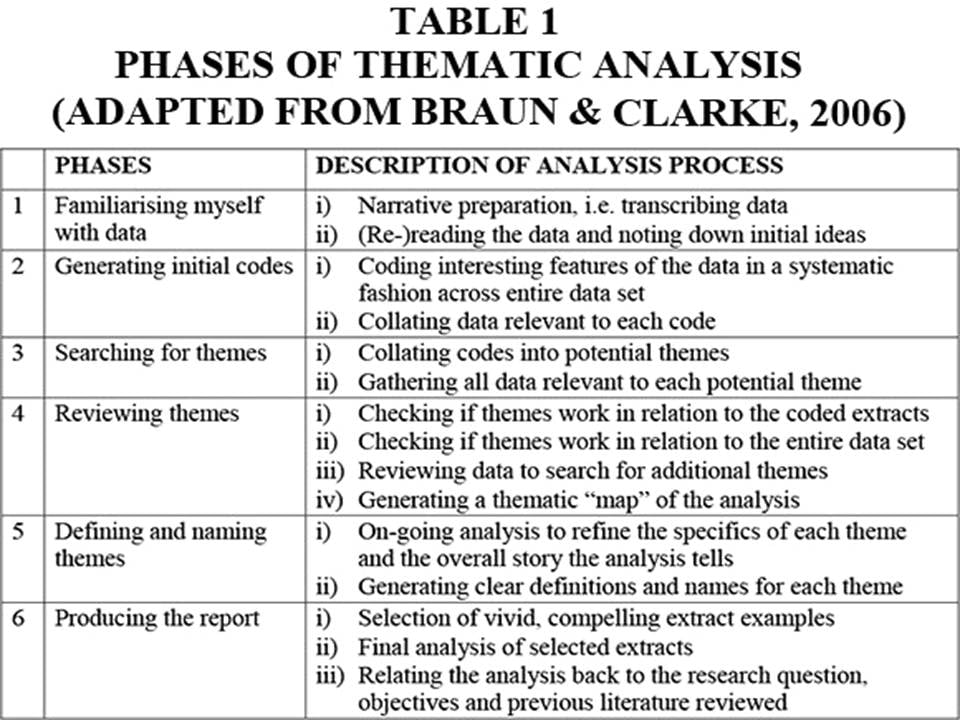
- Thematic Analysis: Researchers closely examine qualitative data to find repeating ideas, concepts, or patterns called themes. These themes help summarize and interpret participants’ experiences or views.
- Content Analysis: This method involves systematically organizing and categorizing text or speech data into meaningful groups. It allows researchers to quantify and interpret the presence of specific words, ideas, or concepts.
- Grounded Theory: Researchers use data to build new theories or explanations directly from observed patterns. Theories emerge gradually through an iterative process of data collection, analysis, and refinement.
- Discourse Analysis: Researchers analyze spoken or written language within its social context to understand underlying meanings or social interactions. This approach reveals how communication shapes and reflects relationships, identities, or power dynamics.
For example, thematic analysis is a qualitative approach that involves identifying implicit or explicit ideas within the data. Themes will often emerge once the data has been coded.

Limitations of Qualitative Research
- Small Sample Sizes: Qualitative research usually involves smaller groups due to high time and resource requirements. This limits the ability to generalize findings to larger populations.
- Subjectivity and Bias: The personal involvement of the researcher can introduce bias, making it difficult to achieve consistent results. The subjective interpretation also means traditional measures of reliability and validity are hard to apply.
- Limited Replicability: Qualitative studies are context-specific, and exact conditions, interactions, or events can’t be reproduced. This means findings may not easily transfer to different contexts or groups.
- Time-Intensive Analysis: Collecting, analyzing, and interpreting qualitative data is time-consuming. It requires considerable expertise to identify accurate patterns, themes, and insights, especially in complex or sensitive topics.
Advantages of Qualitative Research
- In-depth Understanding: Close researcher involvement allows for deep insights and understanding from an insider’s perspective. Researchers can uncover subtleties and complexities often overlooked by quantitative methods.
- Identifies New Relationships: Qualitative descriptions help reveal new ideas, connections, causes, and effects. This exploratory approach often leads to discovering previously unknown dynamics and processes.
- Captures Complexity: Qualitative analysis embraces ambiguity and contradictions within data, accurately reflecting the complexity of social realities. This flexibility allows researchers to capture genuine human experiences.
- Practical Insights for Practitioners: Using rich narrative descriptions, qualitative research provides practical insights valuable to professionals. Practitioners can access unique, detailed knowledge through qualitative studies that might otherwise remain hidden.
What Is Quantitative Research?
Quantitative research involves the process of objectively collecting and analyzing numerical data to describe, predict, or control variables of interest.
The goals of quantitative research are to test causal relationships between variables, make predictions, and generalize results to wider populations.
Quantitative researchers aim to establish general laws of behavior and phenomenon across different settings/contexts.
Research is used to test a theory and ultimately support or reject it.
Key Features of Quantitative Research
- Controlled Environment: Quantitative researchers often conduct studies in laboratory or controlled settings to minimize outside influences. This approach ensures more precise measurement and reduces interference from external variables.
- Objective and Detached: Researchers aim for objectivity by maintaining distance from their data. By avoiding personal involvement, they strive to minimize bias and achieve consistent results.
- Predefined Research Design: The structure and methods of a quantitative study are clearly defined and established beforehand. Researchers follow this fixed approach, making results replicable and comparable.
- Independent Reality: Quantitative research assumes reality exists independently and objectively, separate from the researcher’s perspective. Anyone observing the same phenomena should theoretically reach similar conclusions.
- Hypothesis Testing: Quantitative methods focus on testing specific theories or hypotheses. The results either support or reject these hypotheses, providing clear, measurable conclusions.
Quantitative Methods
Quantitative research typically involves collecting measurable data through experiments, surveys, or rating scales.
Experiments are commonly quantitative, as they focus on precise measurements and statistical analysis.
Other methods, such as structured observations and questionnaires, may also yield quantitative data, particularly when using rating scales or closed-ended questions (e.g., “yes/no” responses).
These methods are widely used in fields like clinical psychology to measure treatment outcomes and generalize findings across populations.
Examples
There are numerous examples of quantitative data in psychological research, including mental health. Here are a few examples:
- Standardized Psychological Assessments: IQ Tests: The Wechsler Adult Intelligence Scale (WAIS) measures intelligence numerically. Attachment Styles: The Experience in Close Relationships Scale (ECR) uses numerical ratings to assess attachment styles and predict relationship patterns.
- Neuroimaging Data: Techniques like MRI and fMRI produce numerical data on brain activity and structure. Researchers analyze this data to identify regions involved in mental processes or disorders.
- Clinical Outcome Measures: Clinical questionnaires provide standardized, numerical data on patient symptoms, informing treatment decisions. For instance, the Beck Depression Inventory (BDI) rates depressive symptoms numerically, with higher scores indicating greater severity.
- Survey rating scales: Numerical ratings (e.g., 1–5 stars) used to quantify customer satisfaction or opinions in surveys or product reviews.
Quantitative Data Analysis
Quantitative research involves collecting numerical data such as test scores, frequency counts, survey ratings, or other measurable information.
Researchers use statistics to convert numerical data into meaningful information, aiding decision-making by revealing patterns, relationships, or trends.
There are two main types of statistical analysis:
- Descriptive Statistics: Summarize and simplify data, providing an overview of the main characteristics (e.g., averages, percentages, or frequency distributions).
- Inferential Statistics: Analyze data to determine if findings are statistically significant, allowing researchers to draw conclusions or generalize results from a sample to a larger population (e.g., comparing treatment and control groups in experiments).
Limitations of Quantitative Research
- Context: Quantitative experiments do not take place in natural settings. In addition, they do not allow participants to explain their choices or the meaning of the questions they may have for those participants (Carr, 1994).
- Researcher expertise: Poor knowledge of the application of statistical analysis may negatively affect analysis and subsequent interpretation (Black, 1999).
- Variability of data quantity: Large sample sizes are needed for more accurate analysis. Small-scale quantitative studies may be less reliable because of the low quantity of data (Denscombe, 2010). This also affects the ability to generalize study findings to wider populations.
- Confirmation bias: The researcher might miss observing phenomena because of focus on theory or hypothesis testing rather than on the theory of hypothesis generation.
Advantages of Quantitative Research
- Scientific Objectivity: Quantitative research uses statistical methods, providing objective and mathematically grounded interpretations. This scientific approach reduces researcher bias, making findings more credible.
- Theory Testing and Validation: Ideal for testing existing theories, quantitative research clearly supports or rejects hypotheses through measurable evidence. This clarity helps build reliable knowledge by confirming or challenging established theories.
- Efficient Analysis: Advanced statistical software enables fast and efficient analysis of large datasets. Researchers can quickly interpret results, saving time and resources.
- Easy Replication: Quantitative studies rely on numerical measurements, allowing others to easily replicate the research. This enhances reliability, as findings can be consistently verified or challenged.
- Precise Hypothesis Testing: Statistical analysis provides a clear framework for testing hypotheses, offering precise and definitive conclusions. This strength makes quantitative research particularly effective for exploring cause-and-effect relationships.
Mixed Methods Research
Mixed-methods research combines qualitative and quantitative methods within one study.
By integrating detailed, narrative insights from qualitative data with measurable, statistical results from quantitative data, mixed-methods research provides a richer and more complete understanding of complex research questions.
When to Use Mixed Methods:
- Exploration followed by Validation: Start qualitatively to discover new insights or ideas, then validate these insights using quantitative methods to see if findings apply more broadly.
- Quantitative Results Needing Explanation: Begin quantitatively by identifying significant patterns or relationships in large datasets, then use qualitative methods to explore why these patterns occur.
Detailed Example of Mixed Methods:
Imagine researching student stress at a university:
- Quantitative Phase: First, conduct a large-scale survey using rating scales to measure stress levels numerically. This survey identifies which student groups experience higher stress and how widespread the issue is.
- Qualitative Phase: Next, interview smaller groups of students to explore personal experiences, opinions, and feelings about the stress. Interviews reveal reasons behind survey results, such as workload pressures, social challenges, or financial concerns.
By combining both sets of data, the researcher achieves both breadth (how widespread stress is) and depth (why stress occurs).
Mixed-methods research is particularly effective for understanding complex topics.
It’s widely used in psychology, education, healthcare, and business to provide detailed explanations alongside measurable evidence.
References
Antonius, R. (2003). Interpreting quantitative data with SPSS. Sage.
Black, T. R. (1999). Doing quantitative research in the social sciences: An integrated approach to research design, measurement and statistics. Sage.
Braun, V. & Clarke, V. (2006). Using thematic analysis in psychology. Qualitative Research in Psychology, 3, 77–101.
Carr, L. T. (1994). The strengths and weaknesses of quantitative and qualitative research: what method for nursing? Journal of advanced nursing, 20(4), 716-721.
Denscombe, M. (2010). The Good Research Guide: for small-scale social research. McGraw Hill.
Denzin, N., & Lincoln. Y. (1994). Handbook of Qualitative Research. Thousand Oaks, CA, US: Sage Publications Inc.
Glaser, B. G., Strauss, A. L., & Strutzel, E. (1968). The discovery of grounded theory; strategies for qualitative research. Nursing research, 17(4), 364.
Minichiello, V. (1990). In-Depth Interviewing: Researching People. Longman Cheshire.
Punch, K. (1998). Introduction to Social Research: Quantitative and Qualitative Approaches. London: Sage
Further Information
- Mixed methods research
- Designing qualitative research
- Methods of data collection and analysis
- Introduction to quantitative and qualitative research
- Checklists for improving rigour in qualitative research: a case of the tail wagging the dog?
- Qualitative research in health care: Analysing qualitative data
- Qualitative data analysis: the framework approach
- Using the framework method for the analysis of
- Qualitative data in multi-disciplinary health research
- Content Analysis
- Grounded Theory
- Thematic Analysis
