Sympathetic Vibratory Physics | three octaves (original) (raw)
"We are now ready to introduce the diatonic scale ring (Outer Ring) of three octaves which is set at two-thirds of the scale antagonistic to the chord mass of the globe itself." []
"He [] describes an experiment in vibratory transmission as follows: "I attach a nodal transmitter to a soft steel and the other end to the clustered thirds (3:6:9 in three octaves) of my focalizing neutral concentrator. (The telephone transmitter at the near end of the .) Another nodal transmitter is attached to the sixth cluster of the same disk, the other end being connected to the resonating sphere of my compound instrument (the resonating sphere) and all are brought to a complete rest. A slight tap on the Chladni wave plate now accelerates the normal 20,000 oscillations per second to 180,000 per second. The nine nodes here touch the extreme end, next to the being operated on, silver, gold and platinum coming in the order given, both in the respective wire sections and in the nodes." [Snell Manuscript - The Book]
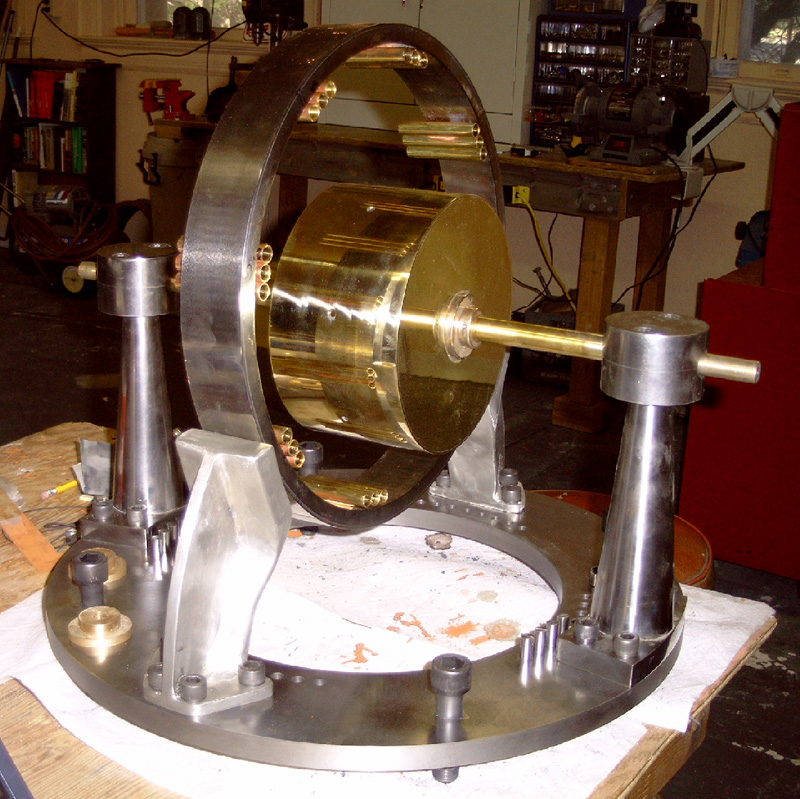
Figure 20.13 - Two Rings of Resonation - Outer and Inner of the Musical Dynasphere
Ramsay
Nine-tenths of a , if and acted on, gives a tone the ratio of 9:10, but if touched and acted on as a harmonic it gives a note which is three octaves and a major third above the whole . If the remaining tenth of the be acted on either as a stopped note or a harmonic it will give the same note which is three octaves and a major third above the whole the ratio of 1:10, so that the stopped note of one-tenth and the harmonic of nine-tenths are the same. Indeed the acting on stopped note of one-tenth, on harmonic of nine-tenths, or on harmonic of one-tenth, produces the same note, as the note is the production of one-tenth in each case; for in the harmonic, whether you on the nine-tenths or the one-tenth, while it is true that the whole is brought into play, yet by the law of sympathy which permeates the entire , it vibrates in ten sections of one-tenth each, all vibrating in unison. This is what gives the harmonic note its peculiar brilliancy. [Scientific Basis and Build of Music, page 92]
Fig. 3. - This is a set of lengths for three octaves, given merely to assist any tyro who might wish to try them, but might find difficulty in calculating them. [Scientific Basis and Build of Music, page 120]
See Also
B Flat 3rd Octave
generoactive rays
Indian Three Registers
third octave