Fruit vs. Vegetable (original) (raw)
Last Updated : 23 Jul, 2025
The **difference between fruits and vegetables lies in their botanical classification and culinary usage. Fruits develop from the ovary of a flower and contain seeds, while vegetables consist of other plant parts like roots, stems, and leaves. Fruits and vegetables are different parts of plants and have different classifications based on biological and culinary basis.
In this article, we will cover the **difference between fruits and vegetables.
Table of Content
- What are Fruits?
- What are Vegetables?
- Difference Between Fruits and Vegetables
- Commonly Mistaken Fruits and Vegetables
- Conclusion - Difference Between Fruits and Vegetables
- Other Articles Related to Difference
- FAQs on Fruit vs. Vegetable
What are Fruits?
Fruits are the ripened ovaries of flowering plants, typically containing seeds. They develop from a fertilized ovary after flowering and can be sweet, sour, or have other flavors. Fruits are often consumed raw and come in a wide variety of shapes, sizes, and colors. Examples include apples, oranges, and berries.
Fruits play a role in the plant's reproductive cycle by facilitating seed dispersal. The fleshy or brightly colored part of the fruit attracts animals, who consume the fruit and disperse the seeds through their droppings or by spitting them out. However, seed dispersal can also occur through other mechanisms like wind (dandelions), water (coconuts), or even explosion (squirting cucumber).
Type of Fruits
Fruits can be categorized into several types based on their structure and development:
- **Simple Fruits: Develop from a single ovary of one flower. Examples include apples, cherries, and tomatoes.
- **Aggregate Fruits: Form from multiple ovaries of a single flower. Examples include strawberries, raspberries, and blackberries.
- **Multiple Fruits: Develop from the ovaries of multiple flowers growing in a cluster. Examples include pineapples and figs.
- **Accessory Fruits: Include other flower parts in addition to the ovary in their formation. Examples include apples and pears.
**Also Read: What is a Fruit?
What are Vegetables?
Vegetables are edible parts of plants that are consumed for their savory flavor and nutritional value. They can include roots, stems, leaves, and flowers, and are often used in cooking rather than eaten raw. Examples include carrots, spinach, and broccoli. Vegetables are an essential part of the diet, providing vitamins and minerals, and fiber.
Examples of Vegetables
- Carrots
- Cauliflower
- Spinach
- Tomatoes
- Cucumbers
- Onions
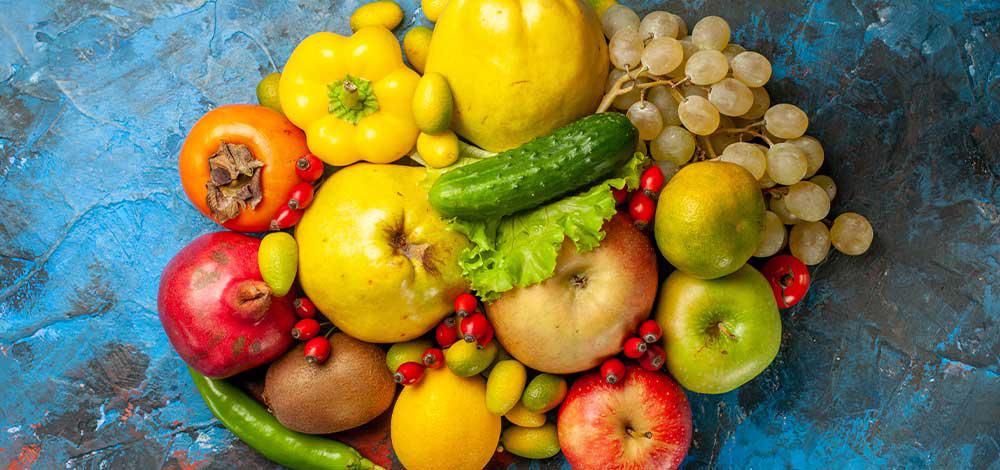
Difference Between Fruits and Vegetables
The difference between fruits and vegetables are given below:
| **Feature | **Fruits | **Vegetables |
|---|---|---|
| Botanical Definition | Develop from the ovary of a flowering plant and contain seeds. | Edible parts of plants such as roots, stems, leaves, and flowers. |
| Taste | Generally sweet or tart, often eaten raw. | Typically savory or less sweet, usually cooked but can also be eaten raw. |
| Examples | Apples, oranges, berries, tomatoes. | Carrots, spinach, broccoli, potatoes. |
| Nutritional Content | High in vitamins, especially vitamin C, and natural sugars. | Rich in vitamins (like A and K), minerals, and fiber. |
| Culinary Use | Commonly used in desserts, snacks, and juices. | Often used in main dishes, sides, soups, and salads. |
Commonly Mistaken Fruits and Vegetables
Some plants are often mistaken for either fruits or vegetables due to their culinary uses. Here are a few examples:
- **Tomatoes: Botanically classified as fruits because they develop from the ovary of a flower and contain seeds, but commonly used as vegetables in salads and cooking.
- **Cucumbers: Like tomatoes, cucumbers are fruits botanically, but are typically prepared and eaten as vegetables.
- **Peppers: All types of peppers (bell peppers, chili peppers) are fruits, although they are commonly used as vegetables in cooking.
- **Avocados: Technically fruits, avocados are often mistaken for vegetables due to their savory taste and culinary use.
- **Pumpkins: While pumpkins are fruits, they are frequently used in savory dishes and considered vegetables in many culinary contexts.
- **Zucchinis: Zucchinis are fruits but are usually cooked and served as vegetables.
Conclusion - Difference Between Fruits and Vegetables
Fruits and vegetables are important parts of a healthy diet. They provide essential vitamins, minerals, and fiber that are necessary for proper bodily function. Fruits and vegetables come in a wide variety of colors, shapes, and sizes, and each provides unique health benefits.
**Also Read: