Role of Other Organs In Excretion (original) (raw)
Last Updated : 23 Jul, 2025
The role of other organs in excretion includes the skin, liver, and lungs, each contributing to the elimination of waste products and the maintenance of health. The excretory system consists mainly of two kidneys, two ureters, the urinary bladder, and the urethra, collectively contributing to maintaining homeostasis through chemical and hormonal regulation. However, several other organs also participate in excretion alongside the excretory system. In this article, we will discuss the role of other organs in excretion.
Table of Content
- What is Excretion?
- Other Organs in Excretion
- Conclusion - Role of Other Organs in Excretion
- FAQs on Role of Other Organs in Excretion
What is Excretion?
Excretion is the process by which organisms remove waste products from their bodies to maintain internal homeostasis and overall health. Some of the specific waste products that must be excreted from the body include carbon dioxide from cellular respiration, ammonia and urea from protein catabolism, and uric acid from nucleic acid catabolism.
There are two types of excretory system organs in humans:
- **Necessary Excretory Organs - They include kidneys, ureters, urinary bladder, and urethra
- **Accessory Excretory Organs - They include lungs, skin, and liver.
Kidneys play a major role in the process of excretion in humans. Kidneys help in the elimination of wastes from the body in the form of urine.
**Read for More Information: Human Excretory System
Other Organs in Excretion
As mentioned above, there are other organs involved in the process of excretion as well. Now let's read about them and their role in detail.
What is the Role of Kidneys in Excretion?
The kidneys play a vital role in excretion by filtering waste products and excess substances from the blood to form urine. They help regulate the body's fluid balance, electrolyte levels, and pH by selectively reabsorbing essential substances and excreting waste products. Additionally, the kidneys remove urea, creatinine, and other metabolic waste products produced by cellular metabolism. By continuously filtering and excreting urine, the kidneys help maintain internal balance and remove harmful substances from the body.

Kidney
What is the Role of Skin in Excretion?
Skin is the largest organ of the body. It covers the entire body and has multiple roles including body temperature regualtion, defence against pathogens, and providing protection from sunlight. Apart from these, skin also plays a crucial role in excretion. The skin consists of various layers which contain two types of glands:
- **Sweat Glands: They produce sweat, which contain NaCl, water, amino acids, and glucose, and help to remove them from the body.
- **Sebaceous Gland: It secrete sebum, an oily substance that excretes excess fats and waxes, keeping the skin lubricated and providing a minor route for removal of waste.

**Also Read: Difference Between Sweat and Sebum
What is the Role of Liver in Excretion?
The liver is the biggest organ in vertebrates. The liver plays a role in excretion by filtering toxins and waste products from the bloodstream. It metabolizes medications, alcohol, and toxins, and converts them into forms that can be easily excreted from the body. One of its primary functions is to produce bile, which helps in the digestion and absorption of fats in the digestive system.

Also, the liver detoxifies harmful substances, such as ammonia and bilirubin, by converting them into less toxic compounds that are then excreted via bile or urine. Urea is formed in the liver by the ornithine cycle. The liver also destroy old and damaged RBCs. The by-products of destroyed RBCs are bilirubin and iron.
What is the Role of Lungs in Excretion?
Another organ involved in excretion is the lungs. They help remove gaseous waste like carbon dioxide, which is harmful to our bodies. The lungs expel waste materials such as carbon dioxide and water vapor when we breathe out. Carbon dioxide is a waste product produced by cells during aerobic respiration. It is transported through the bloodstream to the lungs or gills, where it is exchanged for oxygen and released into the atmosphere. Fish also use their gills to eliminate various other waste products.

What is the Role of Large Intestines in Excretion?
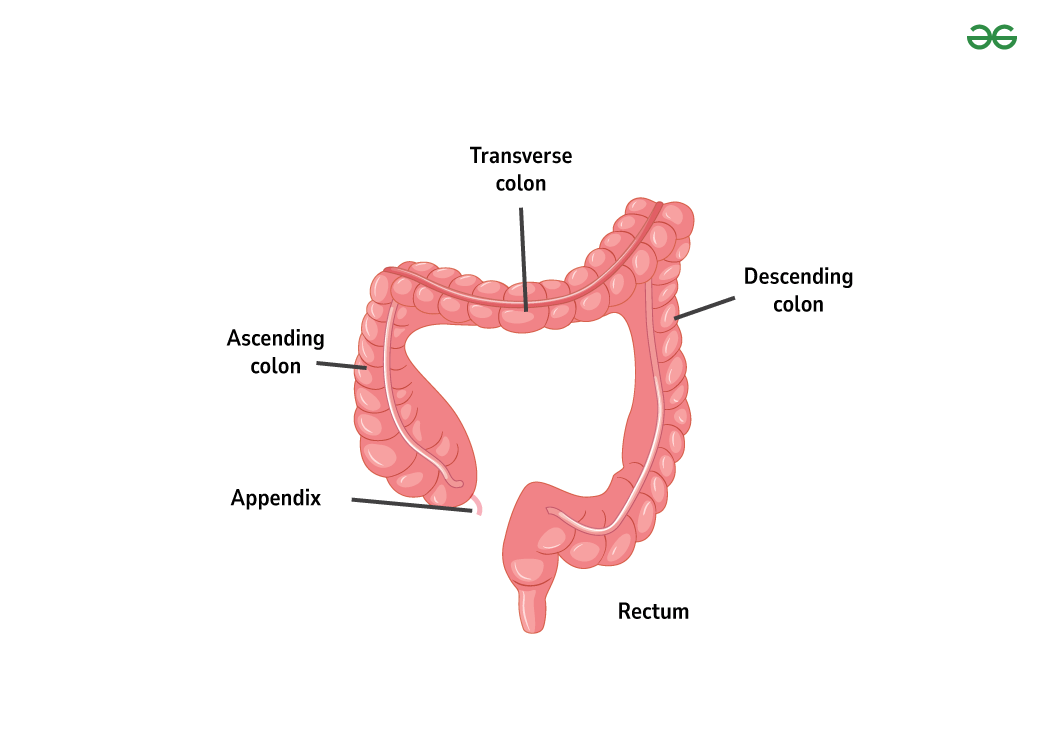
The large intestines, also known as the colon, play a crucial role in excretion by absorbing water and electrolytes from undigested food material and forming feces. As food passes through the digestive tract, nutrients are absorbed in the small intestines, and the remaining waste moves into the large intestines. Here, water is reabsorbed, and the waste material becomes more solidified.
The colon then stores the feces until it is ready to be expelled from the body through the rectum and anus during defecation. Overall, the large intestines help regulate the body's water balance and facilitate the elimination of excess salts, fibres, glucose and minerals like calcium.
**Also Read: Difference Between Small Intestine And Large Intestine
Conclusion - Role of Other Organs in Excretion
In conclusion, the excretory system is a vital component of the body's functioning, with various organs working together to eliminate waste and maintain internal balance. Apart from the necessary excretory organs, there are other acessory excretory system that have important role in excretion. From the kidneys filtering blood to the skin releasing sweat, each organ plays a crucial role in removing harmful substances and ensuring overall health. Understanding the functions of these organs helps us appreciate the intricate processes that keep our bodies functioning optimally.
**Also Read: