Your Ultimate Biofeedback Therapy Toolkit (original) (raw)
Key Insights
- Biofeedback therapy empowers individuals by using real-time data to learn control over physiological functions like heart rate & muscle tension.
- It enhances wellbeing by helping manage stress, anxiety & chronic pain without medication.
- Regular practice can lead to improved self-regulation & resilience, promoting long-term health benefits.
 Life changes, while often vital to our wellbeing, can be a leap of faith.
We try to become confident and less stressed, more assertive, and goal focused while improving our grip on anxiety.
And yet, how do we know if it’s working? How can we be sure that the changes we make are helping us handle life any better?
Biofeedback can help. Monitoring our physiology can provide input to regulate and balance our mental and physical wellbeing.
This article introduces some practical techniques for biofeedback therapy, stress and relaxation exercises, and several tools that may help.
Before you continue, we thought you might like to download our five positive psychology tools for free. These science-based exercises will explore fundamental aspects of positive psychology including strengths, values, and self-compassion, and will give you the tools to enhance the wellbeing of your clients, students, or employees.
This Article Contains
- Biofeedback Therapy: 7 Practical Techniques
- 4 Exercises for Your Sessions
- 3 Stress-Relief and Relaxation Activities
- Meditation, Yoga, and Breathing Exercises in Biofeedback
- 4 Helpful Apps and Games
- A Take-Home Message
- Frequently Asked Questions
- References
Biofeedback Therapy: 7 Practical Techniques
All of us, at times, feel sad, angry, stressed, and anxious. These feelings are natural – an evolved way of handling challenging situations. But when we feel out of control, or these feelings prevent us from performing at our best, change is needed.
Clients often turn to health professionals for help. Typically, we offer them tools to regain control and guide them along their journey of transformation, including:
- Breathing and relaxation techniques
- Mindfulness
- Visualization and self-talk
- Yoga
- Walks in nature
- Goal setting
Yet, how do we objectively know if the treatment helps? Is the client less stressed, anxious, and depressed? The answer may come from better awareness of their physiology.
What is biofeedback?
Self-regulation is often used to describe our monitoring of psychological and physiological states and the changes we make according to the environment or the activity. If we are out in the sun and become hot, we move into the shade. If scared, we retreat to somewhere safe.
Biofeedback is about gathering information, learning, and improving that self-regulation. Greater self-awareness of what is going on in our bodies can positively influence our health and performance.
And it isn’t only about relaxation, though that is an important part. “The goal of biofeedback is to increase your body’s ability to regulate itself,” says Khazan (2019). It aims to optimize our nervous system.
Biofeedback techniques
Specialized biofeedback technology isn’t always required, though it does provide greater accuracy and more immediate information.
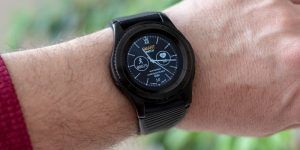
A heart rate variability app on your phone, a fitness watch, and a thermometer can all be effective. If no suitable devices are available, listening to and observing the body can also have a positive effect.
Each of the following biofeedback modalities provides awareness of and the ability to train specific types of self-regulation (Khazan, 2019):
- Breathing
- Heart rate variability (HRV)
- Muscle tension
- Temperature
- Skin conductance
- Blood pressure
- Brain waves
So, why use biofeedback?
The positive effects of biofeedback can be far reaching.
Research has shown biofeedback to have success in treating asthma, anxiety, depression, diabetes, irritable bowel syndrome, and even traumatic brain injury (Dobbin, Dobbin, Ross, Graham, & Ford, 2013; Thabrew, Ruppeldt, & Sollers, 2018; Khazan, 2019).
Not only does biofeedback treat problems, but it can also enhance performance in athletes, musicians, and other professionals. Success may be in response to improved decision making, self-regulation, goal-directed behavior, memory, and awareness (Deschodt-Arsac, Lalanne, Spiluttini, Bertin, & Arsac, 2018).
4 Exercises for Your Sessions
 Biofeedback takes time and can require specialist help and equipment. Interventions should be planned and take into account the individual needs of the client.
Making biofeedback part of your routine
There are several decisions to be made before proceeding with biofeedback (Khazan, 2019):
- Modality
Decide what type of self-regulation should be measured. Consider the outcome required and the equipment available. - Plan
Regular practice is essential. It is crucial to find time each day for biofeedback exercises – 20 minutes should be sufficient. - Monitor
Consider how you will measure the modality chosen (and the measurement scale). After a few weeks of consistent training, you should begin to see improvements in your self-regulation. - Training
Begin training in the chosen modality while monitoring your progress.
While recording your physiology is not harmful, biofeedback does not replace existing medical treatments. If you are experiencing severe mental or physical health issues, consult a professional before you begin.
Heart rate variability (HRV)
HRV is the variation in the time between consecutive heartbeats; it is important to self-regulation and vital to physical and emotional health (Reynard, Gevirtz, Berlow, Brown, & Boutelle, 2011).
Physiological self-regulation occurs outside of conscious thought as part of the autonomic nervous system. Sympathetic self-regulation affects our stress response, while parasympathetic self-regulation is associated with recovery and relaxation.
HRV is linked to respiratory and cardiovascular systems and can be trained via breathing techniques that adjust the nervous system settings for optimal functioning. Breathing in activates our sympathetic nervous system, and breathing out activates our parasympathetic nervous system.
HRV biofeedback helps the body regulate itself and balance the sympathetic and parasympathetic nervous systems.
When used as part of biofeedback training, research has shown HRV to improve a variety of conditions, including (Dobbin et al., 2013; Thabrew et al., 2018; Khazan, 2019):
- Irritable bowel syndrome
- Asthma
- Depression
- Coronary heart disease
- Anxiety
- Chronic pain
- Stress management
- Athletic endurance
Finding and using your resonance frequency
While specialized monitors are available, some fitness trackers and phone apps can guide breathing rates and measure HRV.
You will use your HRV to find your resonance frequency (RF) – a breathing rate at which your heart and lungs work together most efficiently, typically between 4.5 and 7 breaths per minute (modified from Khazan, 2019):
- Set a breathing rate on your device or app to seven breaths per minute for two minutes.
- Take a note of the average HRV displayed.
- Repeat steps 1 and 2 for 6.5, 6, 5.5, 5, and finally, 4.5 breaths per minute.
- The breathing rate with the highest HRV is your RF. A high HRV is usually a sign of a healthy heart and more resilience to stress.
Perform future breath training at your RF (breathing rate). For example, six breaths per minute will mean each inhalation and exhalation takes 10 seconds in total.
Set your device to the RF and perform breath training for a few minutes each day. Research has shown breathing at a rate close to RF results in the largest improvement in mood, blood pressure, and HRV (Steffen, Austin, Debarros, & Brown, 2017)
At four-week intervals, retest your HRV.
You should soon start to see improvements in your resting respiratory rate, and you may note positive improvements to blood pressure, asthma, general health, wellbeing, and performance.
Temperature
 Poor temperature regulation – for example, frequently experiencing cold hands – can be a sign of autonomic nervous system dysregulation. Biofeedback can help by dilating blood vessels and turning down sympathetic activation.
This is achieved by “letting go of struggle and attempts to control your finger temperature while bringing mindful attention to the body,” rather than trying to make it happen (Khazan, 2019).
There are several ways to increase your finger temperature:
- Low and slow breathing
Activating the parasympathetic system and decreasing the sympathetic system allows your blood vessels to dilate. Try to focus on long slow breaths without overbreathing (60% exhalation and 40% inhalation), rather than your fingers, and allow the changes to happen. - Imagine warmth
The mind is powerful. It can change physiological reactions (consider the effects of becoming stressed or angry), including temperature. Close your eyes and bring to mind images such as a warm beach, hot chocolate, soup, a warm bath. Don’t think of the temperature of your hands, but immerse yourself in the image itself, making it as real as possible. - Picture sensations in your body
Imagine blood vessels dilating and warmth passing around the body.
A thermometer taped to your finger, or even resting your finger on a piece of chocolate, can suffice to measure temperature changes.
Take note of your finger temperature before, during, and after the exercise. Repeat over several days and weeks, and you should see the connection form more strongly.
Sleep
A prolonged lack of sleep can cause emotional and cognitive issues, including poor memory, learning, decision making, and problem solving (Killgore & Weber, 2013).
Chronic insomnia can also lead to impaired HRV and an underperforming sympathetic nervous system.
Though we often sacrifice sleep to get more done, in the end, it is counterproductive.
While seven to eight hours is generally considered ideal, check your needs by going to bed 15 minutes earlier each night and recognizing the point at which you wake up feeling refreshed without setting an alarm (Khazan, 2019).
A mindfulness-based approach such as FLARE can supplement HRV techniques with emotional feedback to improve sleep.
- Feel
Become aware of feelings, thoughts, and sensations that are difficult and may be preventing you from sleeping (recognized by tension, tightness in the chest, racing mind). Mindfully observe, rather than evaluate or judge. - Label
Name the experience (for example, upset, worry, sadness, and insecurity), keeping you from sleep. Labeling it can decrease the intensity of the activation, allowing you to respond appropriately. - Allow
Let the thoughts, emotions, and feelings be. Tell yourself: It’s okay to feel this way. Give up struggling to make thoughts and emotions go away. Save your resources for what you can control instead of what you can’t. - Respond
While you cannot control the experience, you can manage your responses. Choose how to respond based on your values. Am I prepared to get up and practice breathing or mindfulness exercises? Yes. - Expand awareness
See the problem as one part of an overall experience. Do not focus on the inability to sleep. Expand awareness to the bedsheets, breathing, heartbeat, and air temperature.
3 Stress-Relief and Relaxation Activities
Three practical and easy to apply activities that can contribute to stress-relief.
Handling stress
Being told to calm down when stressed may not be the best advice.
Instead, research shows that when people reframe their anxiety (public speaking, sitting an exam, etc.) as excitement, they perform better (Brooks, 2014).
After all, optimal performance often occurs at the balance between our skill level and the challenge confronting us (Csikszentmihalyi, 2016).
Repeat the FLARE exercise as described above, but this time focus on reframing stress as excitement.
- Feel
Recognize the sensations of stress, such as breath quickening, faster heartbeat, and sweaty palms. - Label
Name the experience something helpful and adaptive, for example, excitement or I am ready to do my best. - Allow
Let the sensations be. It’s okay to feel as I do. My body is working as it should. - Respond
Perform slow breathing at your resonance frequency to regulate and remind yourself that this is an opportunity to bring value to your life. - Expand
Widen your awareness of internal and external sensations and become aware of the entire experience.
Muscle relaxation techniques
Many jobs involve standing or sitting in one position for long periods; it can be challenging for muscles and cause ongoing pain.
Such discomfort can result from misplaced effort and too much force to perform an activity, such as squinting, frowning, and typing on a keyboard at an angle.
When this happens too frequently, it can lead to other issues including headaches and repetitive strain injuries.
Some simple changes can help:
- Microbreaks
Every few minutes, make small changes to your position, for example, dropping your shoulders or shaking out your hands. - Large movements
Every 30 minutes, stretch and walk around.
How do I use biofeedback to relieve muscle tension?
Biofeedback can help by providing greater awareness of your muscle state and function.
Start by identifying a muscle that is overly tense or causing discomfort. You may feel the tension in your shoulders or neck.
Electromyography sensors are portable devices for measuring muscle tension. While valuable for the next exercise, you can continue without one, ignoring steps 2, 3, and 6 (modified from Khazan, 2019):
- Sit or lie down.
- Attach sensors to the muscles upon which you wish to focus.
- Record the baseline reading.
- Gradually tense the muscle and hold for a few seconds.
- Become mindfully aware of how the muscle feels before releasing.
- What did the sensors tell you about the tension?
- How did it feel different from the last time?
- Repeat steps 3–7.
Repeat over several days. Note the changes in the feedback from the sensors and how your muscles feel throughout the day.
Mindfulness
Mindfulness techniques are highly effective ways to manage background stress and maintain readiness for future challenging events.
Try out some of the following activities:
- Observing Anxiety Mindfully exercise – this meditation script can help clients see their anxiety as a smaller, more manageable issue than before by placing it in the context of a whole person and lifetime of experiences.
- Mindful Walking – immerse yourself in nature, engage your senses, and enjoy being present.
Become aware of your body and your environment while noticing each breath.
Such biofeedback does not require technology, merely a state of awareness and self-acceptance.
Biofeedback for anxiety - Therapy in a Nutshell
Meditation, Yoga, and Breathing Exercises in Biofeedback
The following approaches have found their place in the valued mechanism of biofeedback.
Yoga mediation
Yoga meditation can also be performed alongside biofeedback principles. Try out some yoga techniques while breathing at the RF rate and notice changing muscle sensations and tension.
If using biofeedback equipment, take HRV and muscle measurements before and after each session to see if muscle tension is reducing. In the absence of specific sensors, learn to become aware and observe the easing tension in the body.
Mindful breathing
We often advise taking a few deep breaths to calm down, yet there are times when it can make us feel worse. After all, the process of breathing involves a complex and delicate balance between carbon dioxide and oxygen.
Surprisingly, carbon dioxide is not just something we need to get rid of; it is responsible for distributing oxygen in our blood and balancing pH levels in the blood (Khazan, 2019).
Overbreathing or hyperventilation involves breathing out too much carbon dioxide. It can be as unhelpful as underbreathing or hypoventilation, which decreases oxygen and increases carbon dioxide.
Overbreathing is more common than you may think. If you frequently experience several of the following behaviors, you may be overbreathing some of the time:
- Mouth breathing
- Frequent yawning or sighing
- Running out of air while speaking
- Rushed inhalations
- Overly fast breathing
- Breath holding
- Requiring a deep breath every few breaths
Taking a deep breath can mean you will not retain sufficient carbon dioxide and may even make you feel more anxious.
Learning breathing skills is a crucial part of self-regulation and beneficial to your breathing chemistry. An excellent place to start is mindful breathing – allowing you to be present and nonjudgmental – and can be used in conjunction with biofeedback training (Khazan, 2019).
- Find a comfortable position to sit or lie back.
- Notice the sensations of the body against its support.
- Gently bring your focus to each breath.
- Notice the sensations as you inhale.
- Notice the sensations as you exhale.
- Naturally transition between each inhalation and exhalation.
- Acknowledge thoughts and emotions, then gently return your attention to your breathing.
- Become aware of the sensation of each breath in your body. Accept them with kindness and compassion.
As with any new skill, it takes time to learn mindful breathing. Start small, with a few minutes once a day, increasing to 10 minutes at a time.
Try gently and slowly extending the exhalation to be longer than the inhalation, and allow your abdomen to expand and contract.
4 Helpful Apps and Games
Try the following apps as useful tools in your biofeedback therapy.
1. eVu TPS

eVu TPS by Thought Technology is a small, portable sensor that monitors HRV, skin conductance, and temperature.
Used with the accompanying Android app, you can score your body’s response to breathing exercises.
2. Alive

Alive by Somatic Vision provides sensors for monitoring HRV, breathing, temperature, and skin conductance, for use alone or in conjunction with an innovative suite of games and coaching tools.
3. HRV4training

HRV4training is available for Android and iOS and uses your phone’s camera to measure HRV.
Backed by research papers, it provides a fascinating and detailed level of analysis to understand training and lifestyle stressors.
4. Breathe2Relax

The Breathe2Relax app is available for Android and iOS and provides breathing exercises.
It can be combined with an Apple Watch for tracking your heart rate.
A Take-Home Message
Biofeedback is an exciting area that offers incredible potential for therapists to connect with clients. This field is likely to expand rapidly over the coming years as the technology becomes more widely accessible and is enhanced with the integration of artificial intelligence.
With the combination of increased data on our self-regulation processes and improved analysis techniques, we may be better able to recognize our clients’ needs and whether existing interventions are working.
In the future, it may also be possible to integrate biofeedback with genetic data and knowledge of existing health conditions to form a more complete understanding of clients and tailor support.
Gaining control over our self-regulation systems has been shown to alleviate many symptoms of conditions and should be considered as a type of training more than a treatment.
Use this article as a starting point to explore the techniques available and consider how you can use biofeedback to improve awareness and drive positive change in yourself and your clients.
We hope you enjoyed reading this article. Don’t forget to download our five positive psychology tools for free.
Frequently Asked Questions
During a session, sensors are attached to your body to monitor physiological functions. This information is displayed on a monitor, allowing you to see how your body responds to various conditions and learn to control these responses.
Biofeedback therapy can assist in managing conditions like chronic pain, anxiety, headaches, high blood pressure, and urinary incontinence.
Biofeedback therapy is generally considered safe, with no known significant side effects. However, individuals with certain medical conditions should consult with a healthcare provider before starting therapy.
- Brooks, A. W. (2014). Get excited: Reappraising pre-performance anxiety as excitement. Journal of Experimental Psychology: General, 143(3), 1144–1158. https://doi.org/10.5465/ambpp.2013.10554abstract
- Csikszentmihalyi, M. (2016). Flow and the foundations of positive psychology: The collected works of Mihaly Csikszentmihalyi. Springer.
- Deschodt-Arsac, V., Lalanne, R., Spiluttini, B., Bertin, C., & Arsac, L. M. (2018). Effects of heart rate variability biofeedback training in athletes exposed to stress of university examinations. Plos One, 13(7). https://doi.org/10.1371/journal.pone.0201388
- Dobbin, A., Dobbin, J., Ross, S., Graham, C., & Ford, M. (2013). Randomised controlled trial of brief intervention with biofeedback and hypnotherapy in patients. The Journal of the Royal College of Physicians of Edinburgh, 43(1), 15–23. https://doi.org/10.4997/jrcpe.2013.104
- Khazan, I. Z. (2013). The clinical handbook of biofeedback: A step-by-step guide for training and practice with mindfulness. John Wiley & Sons.
- Khazan, I. Z. (2019). Biofeedback and mindfulness in everyday life: Practical solutions for improving your health and performance. W.W. Norton & Company.
- Killgore, W. D., & Weber, M. (2013). Sleep deprivation and cognitive performance. Sleep Deprivation and Disease, 209–229. https://doi.org/10.1007/978-1-4614-9087-6_16
- Peper, E., Harvey, R., & Lin, I-M. (2008). A review of biofeedback for mental health and performance. Psychophysiology, 45(3), 469-487.
- Reynard, A., Gevirtz, R., Berlow, R., Brown, M., & Boutelle, K. (2011). Heart rate variability as a marker of self-regulation. Applied Psychophysiology and Biofeedback, 36(3), 209–215. https://doi.org/10.1007/s10484-011-9162-1
- Steffen, P. R., Austin, T., Debarros, A., & Brown, T. (2017). The impact of resonance frequency breathing on measures of heart rate variability, blood pressure, and mood. Frontiers in Public Health, 5. https://doi.org/10.3389/fpubh.2017.00222
- Thabrew, H., Ruppeldt, P., & Sollers, J. J. (2018). Systematic review of biofeedback interventions for addressing anxiety and depression in children and adolescents with long-term physical conditions. Applied Psychophysiology and Biofeedback, 43(3), 179–192. https://doi.org/10.1007/s10484-018-9399-z
Jeremy Sutton, Ph.D., is an experienced psychologist, coach, consultant, and psychology lecturer. He works with individuals and groups to promote resilience, mental toughness, strength-based coaching, emotional intelligence, wellbeing, and flourishing. Alongside teaching psychology at the University of Liverpool, he is an amateur endurance athlete who has completed numerous ultra-marathons and is an Ironman.

Read other articles by their category
- Body & Brain (70)
- Boundaries (14)
- Coaching & Application (42)
- Compassion (26)
- Counseling (41)
- Emotional Intelligence (22)
- Gratitude (18)
- Grief & Bereavement (18)
- Happiness & SWB (40)
- Meaning & Values (27)
- Meditation (16)
- Mindfulness (47)
- Motivation & Goals (41)
- Optimism & Mindset (36)
- Positive CBT (28)
- Positive Communication (29)
- Positive Education (39)
- Positive Emotions (34)
- Positive Leadership (17)
- Positive Parenting (18)
- Positive Psychology (27)
- Positive Workplace (41)
- Productivity (17)
- Relationships (56)
- Resilience & Coping (45)
- Self Awareness (25)
- Self Esteem (38)
- Strengths & Virtues (34)
- Stress & Burnout Prevention (39)
- Theory & Books (44)
- Therapy Exercises (43)
- Types of Therapy (64)