Kingdom Plantae (original) (raw)
Last Updated : 29 Jan, 2026
Kingdom Plantae, commonly known as the plant kingdom, is a group of multicellular, eukaryotic organisms that get the majority of their energy through photosynthesis. It contains a wide range of plant species, from tiny algae to large forests. The vast number of plants that make up this kingdom, together with the different adaptations and qualities they possess, enable them to thrive in a wide range of environments worldwide.
The five-kingdom classification system was proposed by American scientist Robert H. Whittaker in 1969. Whittaker's theory attempted to categorize all living things into five distinct kingdoms according to their fundamental characteristics and evolutionary relationships. He proposed the five kingdoms of Monera, Protista, Fungi, Plantae, and Animalia. The kingdom of plants is referred to as "Plantae" by the Swedish naturalist Carl Linnaeus, also known as Carolus Linnaeus. He is often cited as the father of contemporary systematics and taxonomy.
.png)
**Characteristics of Kingdom Plantae
Kingdom Plantae, or the plant kingdom, is defined by a number of distinctive characteristics that set these species apart from members of other kingdoms. Here are some of Kingdom Plantae's salient features:
- **Eukaryotic Cells: Eukaryotic cells, which have a genuine nucleus and membrane-bound organelles, make up all plants.
- **Cell Wall: Plant cells have a stiff cell wall that is mainly composed of cellulose. This gives the plant structural strength and defense.
- **Photosynthesis: Chlorophyll and other pigments are used by plants, which are autotrophic creatures, to absorb sunlight and perform photosynthesis, which turns light energy into chemical energy in the form of glucose.
- **Multicellularity: The majority of plants have many cell types, each of which is specialized for a certain task. Together, these cells create tissues and organs.
- **Alteration of Generations: Plants typically have a life cycle that alternates between a multicellular haploid (gametophyte) phase and a multicellular diploid (sporophyte) phase. This is known as the alternation of generations.
- **Vascular Tissues: Vascular plants contain specialized tissues that move glucose, nutrients, and water all across the plant. Phloem carries sugars made during photosynthesis, whereas the xylem moves water and minerals from roots to other areas.
- **Reproduction: Plants can reproduce asexually and sexually, respectively. Gametes are fertilized during sexual reproduction in order to produce seeds. Asexual reproduction can take place using techniques like vegetative propagation, in which new plants are created from leftover plant tissue.
- **Seeds and Embryos: Embryos, stored nutrients, and a seed coat are all contained within the structures known as seeds, which are produced by seed plants. Plants may spread out and endure in a variety of environments thanks to seeds.
- **Adaptations: Plants have evolved a vast variety of adaptations to fit different surroundings. The characteristics of these adaptations include waxy cuticles to prevent water loss, unique root systems for anchoring and nutrient uptake, and diverse reproductive techniques for luring pollinators and distributing seeds.
**Classification of Kingdom Plantae
Various subgroups or major divisions of the Kingdom Plantae are based on traits including reproductive systems, life cycles, and evolutionary connections. The main divisions of the Kingdom Plantae are as follows:
Bryophytes (Non-vascular plants)
Bryophytes are a group of non-vascular plants that have a simple structural design and no specialized conducting tissues for water and nutrients. They come in three main categories: mosses, liverworts, and hornworts, and they are among the most primitive plants.
- **Mosses (Bryopsida): Small, non-vascular plants with simple structures that thrive in moist environments.
- **Liverworts (Marchantiophyta): Another class of non-vascular plants that are frequently discovered in wet environments.
- **Hornwarts (Anthrocerotophyta): Plants having horn-shaped sporophytes and gametophytes are referred to as hornworts.

Bryophytes
Pteridophytes (Vascular plants without seeds)
Pteridophytes are vascular plants as opposed to non-vascular bryophytes. This indicates that they have tissues designed specifically to carry water, nutrients, and other materials throughout their bodies. Horsetails, whisk ferns, and ferns are all members of the phylum Pteridophytes.
- **Ferns (Polypodiopsida): Vascular plants with broad fronds and complex reproductive mechanisms are ferns.
- **Horsetails (Equisetopsida): Plants with scale-like leaves and joined stems.
- **Club mosses (Lycopodiopsida): Small-leafed primitive vascular plants.

Pteridophytes
Gymnosperms (Plants with Naked Seeds)
Some of the oldest and most primitive plant species on Earth are members of the group of seed-producing plants known as gymnosperms. Gymnosperms (flowering plants) produce seeds that are exposed on the surface of cone scales or other structures, in contrast to angiosperms (flowering plants), which produce seeds enclosed within fruits.
- **Conifers (Coniferophyta): Trees and shrubs that produce cones, such as pine, spruce, and fir.
- **Cycads (Cycadophyta): Ancient plants having leaves resembling palms and thick trunks.
- **Ginkgo (Ginkgophyta): Ginkgo biloba is the only species still alive and is distinguished by its characteristic fan-shaped leaves.
- **Gnetophytes (Gnetophyta): Welwitschia, Ephedra, and Gnetum are among the varied group of organisms known as Gnetophytes (Gnetophyta).

Angiosperms (Flowering Plants)
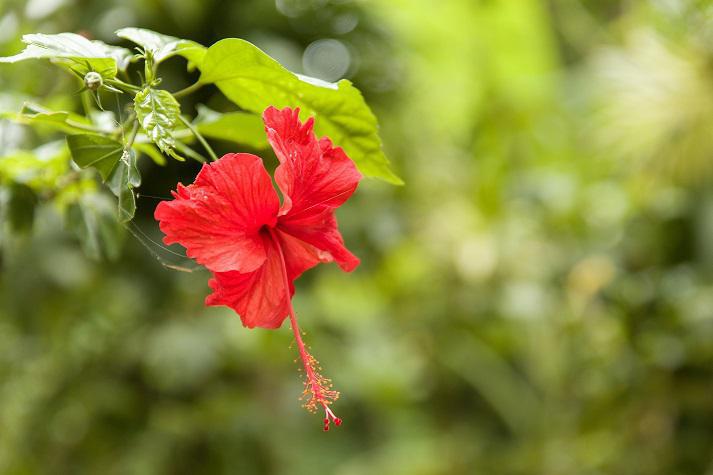
The largest and most varied group of plants on Earth are **angiosperms, usually referred to as flowering plants. They are distinguished by the existence of seeds that are enclosed within fruits and flowers, which are specialized reproductive structures.
- **Monocots (Monocotyledonae): Plants classified as monocots (Monocotyledonae), such as grasses, lilies, and orchids, have only one seed leaf (cotyledon) in their embryos.
- **Dicots (Dicotyledonae): Plants that have two seed leaves in their embryos and frequently have leaves with net-veined veins, such as roses, sunflowers, and beans.
Thallophyta
Many of the organisms that compose up the group **Thallophyta have now been divided into various kingdoms within the more general classification of life. Algae and fungi are two examples of organisms that were originally included in the Thallophyta order.
- **Green Algae (Chlorophyta): Simple, multicellular, or unicellular aquatic creatures.
- **Brown Algae (Phaeophyta): Larger seaweeds known as brown algae are typically found in maritime habitats.
- **Red algae (Rhodophyta): They are a common sight in deep marine waters and have pigments that give them a variety of colors.
- **Diatoms (Bacillariophyta): Single-celled algae with intricate silica shells are called diatoms.
- **Dinoflagellates (Dinophyta): Single-celled organisms known as dinoflagellates, some of which can lead to toxic algal blooms (red tides).

Thallophyta