Emotional Regulation: 5 Evidence-Based Regulation Techniques (original) (raw)
Key Insights
- Emotional regulation is the process of managing emotions to maintain balance and respond appropriately to challenges.
- Strategies to improve emotional awareness and regulation include mindfulness, cognitive reappraisal, ACT, and DBT.
- It is influenced by genetics, development, environment, and mental health.
 Emotions are integral to the human experience, shaping our reactions, decisions, and overall wellbeing.
Emotional regulation refers to the ability to influence which emotions we feel, when we feel them, and how we express or experience them.
For many of my clients, even recognizing an emotion is difficult, never mind trying to have any sense of influence over them. This is particularly true if they’ve experienced trauma or chronic persistent stress where they’ve had to numb to survive.
This is really tricky, as managing emotions effectively is crucial for mental health and social success. The good news is that there are things we can do to widen our emotion regulation bandwidth.
In this article, we’ll explore various facets of emotional regulation, its neuroscience, the factors influencing it, and evidence-based techniques to improve it.
Before you continue, we thought you might like to download our five positive psychology tools for free. These science-based exercises will enhance your ability to understand and work with your emotions and will also give you the tools to foster the emotional intelligence of your clients, students, or employees.
This Article Contains
- What Is Emotional Regulation? A Definition
- How to Regulate Emotions: 4 Theories
- 5 Factors Affecting Emotion Regulation
- Are There Gender Differences in Emotion Regulation?
- 5 Evidence-Based Emotion Regulation Techniques
- Emotion Regulation for Kids: 4 Activities
- Best Books on Emotional Regulation
- PositivePsychology.com’s Helpful Resources
- A Take-Home Message
- Frequently Asked Questions
- References
What Is Emotional Regulation? A Definition
Emotional regulation is a dynamic and multifaceted process by which we experience and express our emotions (Thompson et al., 2008). It can be conscious, such as actively deciding to calm yourself down after a stressful meeting, or unconscious, such as automatically feeling relief after a deep breath (McRae & Gross, 2020).
Essentially, emotional regulation helps to maintain balance, ensuring that emotions do not overwhelm or disrupt our day-to-day functioning (McRae & Gross, 2020).
Effective emotional regulation enables us to respond appropriately to life’s challenges without becoming overwhelmed or acting impulsively. It promotes resilience and mental health, while difficulties with regulation can lead to various challenges that can have a profound effect on our sense of wellbeing, our relationships, and our ability to function in society (Iwakabe et al., 2023).
Emotion regulation is therefore likely to be a key focus in therapy, and understanding the process and ways to improve it is a foundational requirement for you as a therapist.
5 examples of healthy emotional self-regulation
The above gives us an idea of what emotional regulation is, but what we wanted to know was, “What does that look like?” This is what we’ve learned:
Healthy emotional regulation is built on a foundation of three key factors (Naragon-Gainey et al., 2017):
- Being able to disengage from the intensity of the emotion
- Being able to interrupt the cycle of rumination
- Being able to reengage with the situation adaptively
The following are some examples of healthy emotional regulation that you can look for and encourage in your clients:
- Reframing negative thoughts
When faced with a challenging situation, rather than catastrophizing, reframe the event to focus on the learning opportunity or silver lining (Hu et al., 2014). - Acceptance and mindfulness
In moments of intense stress, practice acceptance and mindfulness to calm the nervous system and regain emotional equilibrium (Naragon-Gainey et al., 2017). - Take a break
Recognize when an emotion such as anger is escalating. Temporarily remove yourself from the situation to cool down before responding. - Express emotions constructively
Use calm, assertive communication to express feelings appropriately instead of bottling them up or lashing out. - Problem-solving
Instead of ruminating on negative feelings, identify actionable steps to address the root cause of the emotion.
The use of these emotion regulation strategies demonstrates your client’s self-awareness and a proactive approach to managing emotions in healthy and adaptive ways.
How to Regulate Emotions: 4 Theories
 Although the idea of emotion regulation is not new, developments in psychology have added new perspectives and hope.
Neuroplasticity research, for example, has taught us that we can essentially rewire our brain to better manage our emotions (Zilverstand et al., 2017).
Somatic psychology research has revealed that the parasympathetic nervous system can be actively engaged after trauma and stress to help improve emotion regulation (Price & Hooven, 2018).
Here are a few key theories on how to regulate emotions.
1. The dual-process theory
This theory suggests that emotional regulation involves both automatic and controlled processes (Grecucci et al., 2020). Automatic regulation happens without conscious thought, while controlled regulation is a deliberate attempt to manage emotions.
2. The polyvagal theory
Polyvagal theory focuses on the role of the autonomic nervous system (especially the vagus nerve) in emotional regulation (Porges, 1997). The theory posits that social engagement and self-soothing are key for maintaining emotional balance.
3. Gross’s process model of emotion regulation
This model breaks down emotion regulation into five stages: situation selection, situation modification, attentional deployment, cognitive change, and response modulation (Gross, 2015). It emphasizes that emotion regulation occurs at different points in the emotion-generating process.
4. The cognitive-behavioral model
This approach highlights the role of thought patterns in regulating emotions (Pruessner et al., 2020). By altering negative or distorted thoughts, individuals can change their emotional responses.
These theories offer a deeper understanding of the nature of regulation, from automatic physiological responses to conscious cognitive strategies. All these theories involve neuroscience, so let’s take a deeper look at what this entails.
The neuroscience of self-regulation
While emotional regulation is all about how we process and manage emotion, self-regulation is about how we express those emotions on a behavioral level. Both concepts share neural foundations, but they differ in scope.
Emotional regulation is primarily controlled by the amygdala, which processes emotional stimuli, and the prefrontal cortex, which modulates emotional responses by exerting top-down control (Etkin et al., 2015). This interaction allows for conscious regulation of emotional impulses, helping us maintain composure under stress.
Self-regulation, on the other hand, extends beyond emotions to include cognitive and behavioral processes, engaging broader neural networks (Langner et al., 2018).
Tracey Marks explains the neuroscience of emotion regulation in her video The Science of Emotion Regulation: How Our Brains Process Emotions.
The science of emotion regulation: How our brains process emotions
5 Factors Affecting Emotion Regulation
Several factors influence an individual’s ability to regulate emotions (Feldman, 2009).
These internal and external factors interact dynamically, making emotional regulation a complex and multifaceted process that varies widely across individuals and time.
1. Genetic factors
Research suggests that genetics plays a role in our predisposition to emotional reactivity and regulation (Hariri & Holmes, 2006). Certain genetic variations can affect neurotransmitter systems, like serotonin, which affects mood and emotional stability (Miu & Bîlc, 2019). With more on this, our article Is Happiness Genetic? looks at the research.
2. Physiological factors
The nervous system, particularly the autonomic nervous system (ANS), plays a significant role in emotional regulation (Lang, 2014). For instance, heart rate variability is often associated with better emotion regulation, and chronic stress or trauma can dysregulate the ANS, making it more difficult to regulate our emotions.
3. Developmental factors
Developmental factors such as brain development and childhood experiences have been shown to strongly shape our emotional regulation abilities (Thompson, 1991).
Childhood experiences of secure attachment foster better emotional coping mechanisms (Thomas et al., 2017). Brain development and plasticity can also have a profound effect on our emotional regulation (Goldsmith et al., 2008).
4. Contextual factors
Environmental stressors, such as financial insecurity, relationship difficulties, and workplace challenges, can impair emotional regulation (Aldao & Nolen-Hoeksema, 2012). Conversely, supportive social networks and a stable environment can improve our ability to manage emotions effectively.
5. Mental health factors
We know that emotion regulation is important for mental health (Inwood & Ferrari, 2018). But we also know that conditions such as attention deficit hyperactivity disorder, autism spectrum disorder, anxiety, and depression can also make emotion regulation more challenging (Sloan et al., 2017).
Are There Gender Differences in Emotion Regulation?
While there may be social consensus that there are gender differences in emotional regulation, there hasn’t been much research regarding the specifics of those differences (McRae et al., 2008).
Let’s look at what evidence there is and what it means regarding biology, behavior, and socio-cultural issues.
Behavioral differences
Women tend to be more likely to express emotions, while men may use more suppression techniques to control emotional expression, particularly negative emotions like fear or sadness (Collignon et al., 2010). This has been shown to give women an adaptive advantage (Delhom et al., 2021).
Neural differences
Research has shown that men and women may engage different neural pathways when regulating emotions (Lee et al., 2005). For instance, women tend to engage the left hemisphere, and men tend to activate the right hemisphere more.
Social & cultural differences
Socialization plays a significant role in emotion regulation (Root & Denham, 2010). Cultural norms and expectations shape how men and women are taught to express and manage emotions. In many societies, men are discouraged from openly displaying vulnerability, while women may be encouraged to be more emotionally expressive.
There are a multitude of factors that play a role in emotion regulation, and even within a specific context like gender, the influence is multifaceted and nuanced. It is important to take cognizance of this in the therapeutic context.
5 Evidence-Based Emotion Regulation Techniques
Now that we understand the concept of emotion regulation, we can look at how to manage it more effectively. Affect-focused and structured skill training are proven strategies associated with improvements in emotion regulation techniques (Iwakabe et al., 2023). A few examples of these include the following:
- Psychoeducation about the nature of emotions and developing self-awareness can help your clients be more aware of and more comfortable with their emotions (Lam et al., 2020). This can make them less reactive and better able to regulate their emotions.
- Cognitive reappraisal is a strategy where we actively change our perspective of a situation to shift its emotional impact; for example, viewing a failure as a learning experience rather than a shameful experience (Buhle et al., 2014).
- Mindfulness is a proven approach to improving emotion regulation (Chiesa et al., 2013). You can use mindfulness in your therapy practice by practicing it yourself so that you bring a warm, compassionate presence to therapy sessions and support your client to develop their own mindfulness practice to improve their emotion regulation.
- You can use acceptance and commitment therapy to encourage your clients to accept their emotions instead of trying to eliminate or avoid them (Blackledge & Hayes, 2001). This will help reduce their distress associated with difficult emotions.
- Dialectical behavior therapy is also particularly effective for clients with emotional dysregulation (Asarnow et al., 2021). It combines cognitive behavioral therapy techniques with mindfulness to teach skills like emotional regulation, distress tolerance, and interpersonal effectiveness. TIP skills are a very effective set of emotion regulation techniques, as shown in this video.
TIP skills: Reduce extreme emotions quickly
Emotion Regulation for Kids: 4 Activities
Emotional regulation is linked to better outcomes, performance, and wellbeing, so it makes sense that the earlier kids learn to regulate their emotions, the better. Here are some fun and educational emotional regulation activities for kids.
- Use a feelings chart to help kids identify their emotions with visual aids like different faces that represent emotions. The My Feelings, My Body and Inside and Outside worksheets are great examples of charts that help children identify and manage their emotions.
- Teaching children breathing techniques like Balloon Breathing or Dragon Fire Breathing can help them calm their nervous system and regulate their emotions.
- Using mindfulness activities where kids use their senses to focus on their surroundings helps them stay grounded. The Count Down to Calmness worksheet can be adapted as a fun activity to help children connect to the present moment.
- Kids Yoga is also a great way to help children regulate their emotions.
Best Books on Emotional Regulation
You may want to do some further reading to deepen your understanding of emotional regulation, and there are many excellent emotional regulation books to choose from. Here are a few of our favorites.
1. Emotional Intelligence: Why It Can Matter More Than IQ – Daniel Goleman
 This book by Daniel Goleman is a classic on the role of emotional intelligence in success and happiness, with practical advice on managing emotions.
Goleman draws on brain and behavioral research to explain why EQ may be more relevant than IQ in work and in life. He shows the factors at work when people of high IQ flounder while those of modest IQ do surprisingly well.
EQ factors such as self-awareness, self-discipline, and empathy create a different kind of intelligence, and thankfully, they can be nurtured and strengthened throughout our adulthood with benefits to our wellbeing.
Find the book on Amazon.
2. The Body Keeps the Score: Brain, Mind, and Body in the Healing of Trauma – Bessel van der Kolk
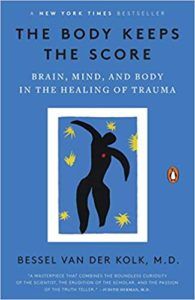
The Body Keeps the Score is a gem that transforms our understanding of trauma and offers insights into the body’s role in emotional regulation and healing.
Based on the author’s own and a broader landscape of research, this book uses prominent scientific advances to show how trauma literally reshapes both body and brain and affects our capacity for pleasure, engagement, self-control, and trust.
It explores innovative treatments, from neurofeedback and meditation to sports, drama, and yoga, that offer new paths to recovery by activating the brain’s natural neuroplasticity.
Find the book on Amazon.
3. Handbook of Emotion Regulation – James Gross and Brett Ford

This handbook presents innovative knowledge about how and why people try to regulate their emotions, the consequences of different regulatory strategies, and interventions to enhance this key area of functioning.
The latest edition identifies critical implications of emotion regulation for wellbeing, performance, and other domains.
Find the book on Amazon.
4. The Emotional Life of Your Brain – Richard Davidson and Sharon Begley

In this book, the authors explore an entirely new model for understanding our emotions, as well as practical strategies we can use to change them.
The book outlines the six basic emotional styles of our personality, which include resilience, self-awareness, and attention, and explains the brain chemistry that underlies each style.
This gives us a new model of the emotional brain, and the book goes on to provide strategies we can use to change our brains and emotions to improve our emotion regulation.
Find the book on Amazon.
PositivePsychology.com’s Helpful Resources
There are so many really good resources in our library and store, but I think that the place to start is our Emotional Intelligence X© bundle. This fabulous bundle provides all you need to support your clients to improve their emotional regulation, including:
- A comprehensive coaching manual for you as a practitioner
- A PDF workbook for your participants
- An emotional intelligence intervention video course
- Slide presentations
- Full transcripts of all slide presentations
- A complete train-the-trainer’ course
- White label rights so that you can deliver the program under your own brand
- Lifetime updates to Emotional Intelligence X©
If this is too big a step for you right now, you could start with some extra reading. Our blog has more than enough articles to get you started.
- 16 Decatastrophizing Tools, Worksheets and Role-Plays
- EFT Tapping: The Psychology Behind Tapping Therapy
- Using the Cognitive Emotion Regulation Questionnaire
- 10+ Mindful Grounding Techniques
- What is Psychological Distancing? 4 Helpful Techniques
- Expanding the Window of Tolerance: 6 PDFs & Worksheets
- 21 DBT Emotional Regulation Skills & Worksheets
- Affect Regulation Training: 10 Applications in Therapy
But, please make sure to take your own deep dive into our blog offerings and store to find exactly what you need to support your clients.
If you’re looking for more science-based ways to help others develop emotional intelligence, this collection contains 17 validated EI tools for practitioners. Use them to help others understand and use their emotions to their advantage.
A Take-Home Message
Emotional regulation is an essential tool for our mental health and wellbeing. By understanding the factors that influence emotional regulation, we can develop better strategies to regulate emotions, in both ourselves and others.
Evidence-based techniques like mindfulness, cognitive reappraisal, and breathing exercises can help us manage our emotions more effectively. Whether you’re supporting adults or children, cultivating emotional regulation skills fosters resilience and enhances quality of life.
We hope you enjoyed reading this article. Don’t forget to download our five positive psychology tools for free.
ED: Rewrite Jan 2025
Frequently Asked Questions
Poor emotional regulation, or dysregulation, refers to difficulty managing emotional responses. This can lead to overly intense or inappropriate reactions, difficulty calming down, and challenges with controlling impulses in stressful situations.
You may have difficulty regulating your emotions due to factors like genetics, trauma, mental health conditions, or a lack of learned coping skills. Neurobiological imbalances, sleep deprivation, illness, or chronic stress can also impair emotional control.
Therapy never comes in a one-size-fits-all package. Dialectical behavior therapy is highly effective for improving emotional regulation, as it teaches mindfulness, distress tolerance, and interpersonal effectiveness. Cognitive behavioral therapy and acceptance and commitment therapy are also widely used.
- Aldao, A., & Nolen-Hoeksema, S. (2012). The influence of context on the implementation of adaptive emotion regulation strategies. Behaviour Research and Therapy, 50(7-8), 493–501. https://doi.org/10.1016/j.brat.2012.04.004
- Asarnow, J., Berk, M., Bedics, J., Adrian, M., Gallop, R., Cohen, J., Korslund, K., Hughes, J., Avina, C., Linehan, M., & McCauley, E. (2021). Dialectical behavior therapy for suicidal self-harming youths: Emotion regulation, mechanisms, and mediators. Journal of the American Academy of Child & Adolescent Psychiatry, 60(9), 1105–1115. https://doi.org/10.1016/j.jaac.2021.01.016
- Blackledge, J., & Hayes, S. (2001). Emotion regulation in acceptance and commitment therapy. Journal of Clinical Psychology, 57(2), 243–255. https://doi.org/10.1002/1097-4679(200102)57:2<243::AID-JCLP9>3.0.CO;2-X
- Buhle, J., Silvers, J., Wager, T., Lopez, R., Onyemekwu, C., Kober, H., Weber, J., & Ochsner, K. (2014). Cognitive reappraisal of emotion: A meta-analysis of human neuroimaging studies. Cerebral Cortex, 24(11), 2981–2990.
https://doi.org/10.1093/cercor/bht154 - Chiesa, A., Serretti, A., & Jakobsen, J. (2013). Mindfulness: Top-down or bottom-up emotion regulation strategy? Clinical Psychology Review, 33(1), 82–96.
https://doi.org/10.1016/j.cpr.2012.10.006 - Collignon, O., Girard, S., Gosselin, F., Saint-Amour, D., Lepore, F., & Lassonde, M. (2010). Women process multisensory emotion expressions more efficiently than men. Neuropsychologia, 48(1), 220–225, 220–225. https://doi.org/10.1016/j.neuropsychologia.2009.09.007
- Delhom, I., Mélendez, J., & Satorres, E. (2021). The regulation of emotions: Gender differences. European Psychiatry, 64, S836–S836. https://doi.org/10.1192/j.eurpsy.2021.2209
- Etkin, A., Büchel, C., & Gross, J. (2015). The neural bases of emotion regulation. Nature Reviews Neuroscience, 16, 693–700. https://doi.org/10.1038/nrn4044
- Feldman, R. (2009). The development of regulatory functions from birth to 5 years: Insights from premature infants. Child Development, 80(2), 544–561. https://doi.org/10.1111/j.1467-8624.2009.01278.x
- Goldsmith, H., Pollak, S., & Davidson, R. (2008). Developmental neuroscience perspectives on emotion regulation. Child Development Perspectives, 2(3), 132–140. https://doi.org/10.1111/J.1750-8606.2008.00055.X
- Grecucci, A., Messina, I., Amodeo, L., Lapomarda, G., Crescentini, C., Dadomo, H., Panzeri, M., Theuninck, A., & Frederickson, J. (2020). A dual route model for regulating emotions: Comparing models, techniques and biological mechanisms. Frontiers in Psychology, 11. https://doi.org/10.3389/fpsyg.2020.00930
- Gross, J. J. (2015). The extended process model of emotion regulation: Elaborations, applications, and future directions. Psychological Inquiry, 26(1), 130–137. https://doi.org/10.1080/1047840X.2015.989751
- Hariri, A., & Holmes, A. (2006). Genetics of emotional regulation: The role of the serotonin transporter in neural function. Trends in Cognitive Sciences, 10(4), 182–191. https://doi.org/10.1016/j.tics.2006.02.011
- Hu, T., Zhang, D., Wang, J., Mistry, R., Ran, G., & Wang, X. (2014). Relation between emotion regulation and mental health: A meta-analysis review. Psychological Reports, 114(2), 341–362. https://doi.org/10.2466/03.20.PR0.114k22w4
- Iwakabe, S., Nakamura, K., & Thoma, N. C. (2023). Enhancing emotion regulation. Psychotherapy Research, 33(7), 918–945. https://doi.org/10.1080/10503307.2023.2183155
- Inwood, E., & Ferrari, M. (2018). Mechanisms of change in the relationship between self-compassion, emotion regulation, and mental health: A systematic review. Applied Psychology: Health and Well-Being, 10(2), 215–235. https://doi.org/10.1111/aphw.12127
- Lam, A., Leung, S., Lin, J., & Chien, W. (2020). The effectiveness of a mindfulness-based psychoeducation programme for emotional regulation in individuals with schizophrenia spectrum disorders: A pilot randomised controlled trial. Neuropsychiatric Disease and Treatment, 16, 729–747. https://doi.org/10.2147/NDT.S231877
- Lang, P. (2014). Emotion’s response patterns: The brain and the autonomic nervous system. Emotion Review, 6(2), 93–99. https://doi.org/10.1177/1754073913512004
- Langner, R., Leiberg, S., Hoffstaedter, F., & Eickhoff, S. (2018). Towards a human self-regulation system: Common and distinct neural signatures of emotional and behavioural control. Neuroscience and Biobehavioral Reviews, 90, 400–410. https://doi.org/10.1016/j.neubiorev.2018.04.022
- Lee, T., Liu, H., Chan, C., Fang, S., & Gao, J. (2005). Neural activities associated with emotion recognition observed in men and women. Molecular Psychiatry, 10, 450–455. https://doi.org/10.1038/sj.mp.4001595
- McRae, K., Ochsner, K., Mauss, I., Gabrieli, J., & Gross, J. (2008). Gender differences in emotion regulation: An fMRI study of cognitive reappraisal. Group Processes & Intergroup Relations, 11(2), 143–162. https://doi.org/10.1177/1368430207088035
- McRae, K., & Gross, J. (2020). Emotion regulation. Emotion, 20(1), 1–9.
https://doi.org/10.1037/emo0000703 - Miu, A., & Bîlc, M. (2019). Genetics of emotion regulation: A systematic review. In A.C. Miu, J.R. Homberg, & K.P. Lesch (Eds). Genes, brain, and emotions: Interdisciplinary and translational perspectives (pp. 144–169). Oxford. https://doi.org/10.1093/OSO/9780198793014.003.0011
- Naragon-Gainey, K., McMahon, T., & Chacko, T. (2017). The structure of common emotion regulation strategies: A meta-analytic examination. Psychological Bulletin, 143(4), 384–427. https://doi.org/10.1037/bul0000093
- Porges, S. (1997). Emotion: An evolutionary by‐product of the neural regulation of the autonomic nervous system. Annals of the New York Academy of Sciences, 807(1), 62–77. https://doi.org/10.1111/j.1749-6632.1997.tb51913.x
- Price, C., & Hooven, C. (2018). Interoceptive awareness skills for emotion regulation: Theory and approach of mindful awareness in body-oriented therapy (MABT). Frontiers in Psychology, 9. https://doi.org/10.3389/fpsyg.2018.00798
- Pruessner, L., Barnow, S., Holt, D., Joormann, J., & Schulze, K. (2020). A cognitive control framework for understanding emotion regulation flexibility. Emotion, 20(1), 21–29. https://doi.org/10.1037/emo0000658
- Root, A., & Denham, S. (2010). The role of gender in the socialization of emotion: Key concepts and critical issues. New Directions for Child and Adolescent Development, 128, 1–9. https://doi.org/10.1002/cd.265
- Sloan, E., Hall, K., Moulding, R., Bryce, S., Mildred, H., & Staiger, P. (2017). Emotion regulation as a transdiagnostic treatment construct across anxiety, depression, substance, eating and borderline personality disorders: A systematic review. Clinical Psychology Review, 57, 141–163. https://doi.org/10.1016/j.cpr.2017.09.002
- Thomas, J., Letourneau, N., Campbell, T., Tomfohr-Madsen, L., & Giesbrecht, G. (2017). Developmental origins of infant emotion regulation: Mediation by temperamental negativity and moderation by maternal sensitivity. Developmental Psychology, 53(4), 611–628. https://doi.org/10.1037/dev0000279
- Thompson, R. (1991). Emotional regulation and emotional development. Educational Psychology Review, 3, 269–307. https://doi.org/10.1007/BF01319934
- Thompson, R., Lewis, M., & Calkins, S. (2008). Reassessing emotion regulation. Child Development Perspectives, 2(3), 124–131. https://doi.org/10.1111/J.1750-8606.2008.00054.X
- Zilverstand, A., Parvaz, M., & Goldstein, R. (2017). Neuroimaging cognitive reappraisal in clinical populations to define neural targets for enhancing emotion regulation. A systematic review. NeuroImage, 151, 105–116. https://doi.org/10.1016/j.neuroimage.2016.06.009
Susan McGarvie, Ph.D. is a therapist, mindfulness practitioner, and educator whose work focuses on practitioner wellbeing and sustainable professional practice. She specializes in mindfulness training and course development that support emotional regulation, resilience, and compassionate care. Based in South Africa, she works with clients and practitioners internationally through therapy, writing, workshops, and practitioner development programs.

Read other articles by their category
- Body & Brain (70)
- Boundaries (14)
- Coaching & Application (42)
- Compassion (26)
- Counseling (41)
- Emotional Intelligence (22)
- Gratitude (18)
- Grief & Bereavement (18)
- Happiness & SWB (40)
- Meaning & Values (27)
- Meditation (16)
- Mindfulness (47)
- Motivation & Goals (41)
- Optimism & Mindset (36)
- Positive CBT (28)
- Positive Communication (29)
- Positive Education (39)
- Positive Emotions (34)
- Positive Leadership (17)
- Positive Parenting (18)
- Positive Psychology (27)
- Positive Workplace (41)
- Productivity (17)
- Relationships (56)
- Resilience & Coping (45)
- Self Awareness (25)
- Self Esteem (38)
- Strengths & Virtues (34)
- Stress & Burnout Prevention (39)
- Theory & Books (44)
- Therapy Exercises (43)
- Types of Therapy (64)